


As an Amazon Associate, Sumizeit earns from qualifying purchases.
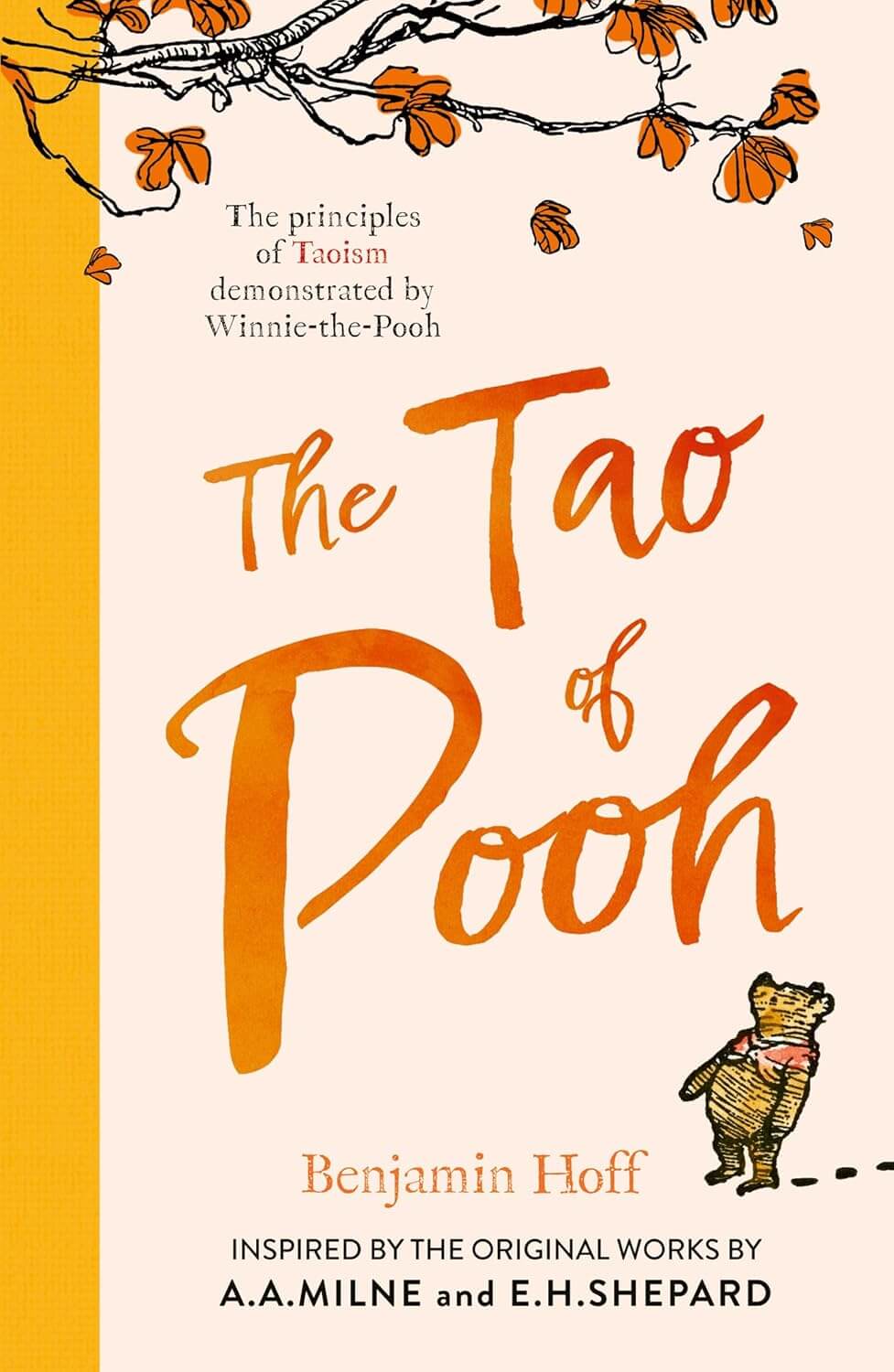
The Tao of Pooh Book Summary
This The Tao of Pooh Book Summary covers the key ideas, lessons, and takeaways in about 20 minutes.
The book teaches that simplicity is not weakness, presence is not passivity, and acceptance is not surrender. By trusting intuition, respecting inner design, embracing stillness, and acting without strain, life becomes both easier and richer.
Pooh’s genius lies in his refusal to be anything other than what he is. In that refusal, he models a way of living that is calm, effective, and quietly joyful. The Tao, Hoff suggests, is not something to master. It is something to stop resisting.
Helps with these goals
Want the complete 20-minute summary?
- Full structured summary
- Video Summary
- Podcast Summary
- Audio summary
- Key takeaways
- Exercises
- Quiz
- Highlights and notes
- Ask the book with AI
What is in the The Tao of Pooh book summary?
Below is a preview of Sumizeit’s expert-written summary of The Tao of Pooh by Benjamin Hoff. The full summary covers the book’s key ideas in text, audio, and video.
The Tao of Pooh is not a philosophy textbook in the conventional sense. Instead, it functions as a quiet invitation—an introduction to Taoist thinking disguised as a conversation with a honey-loving bear. Rather than presenting abstract doctrines or demanding intellectual rigor, the book dissolves complexity through story, humor, and familiar characters. Its central insight is simple but profound: wisdom does not require cleverness, and harmony does not demand effort. In fact, striving too hard often pushes us further from the natural balance we seek.
Benjamin Hoff uses the world of the Hundred Acre Wood as a symbolic mirror of human behavior. Each character reflects a different way of relating to life—some harmonious, others strained. Through these contrasts, the book gently argues that peace, effectiveness, and happiness arise not from control or ambition, but from alignment with one’s natural way of being.
At the center of this philosophy stands Winnie-the-Pooh, a character who succeeds not because he plans well or thinks deeply, but because he responds honestly, directly, and without pretense. Pooh becomes the embodiment of Taoist ideals precisely because he does not try to embody them.
The Uncarved Block and the Power of Being Uncomplicated
One of the foundational ideas explored in the book is the Taoist concept often translated as the “Uncarved Block.” This image represents things in their original, untouched state—before shaping, refinement, or interference. Hoff presents this idea as a reminder that usefulness and strength often exist prior to improvement.
When something is altered excessively, it may become impressive, but it also becomes fragile. Likewise, people who over-engineer their personalities, suppress their instincts, or replace intuition with rigid systems often lose their natural effectiveness. Pooh’s strength lies in his lack of adornment. He is not pretending to be smarter than he is, nor does he attempt to outgrow his nature.
The book suggests that modern life pressures people to carve themselves endlessly—adding credentials, identities, strategies, and optimizations. In doing so, we frequently abandon the very qualities that once made us capable and grounded. Simplicity, the book argues, is not ignorance. It is clarity without distortion.
Living according to the Uncarved Block means trusting what already exists within us. It means resisting unnecessary complexity, allowing natural ability to function without constant correction, and recognizing that not everything improves when refined.
Wu Wei and the Art of Effortless Effectiveness
Another central theme is Wu Wei, a Taoist principle often misunderstood as laziness or passivity. Hoff reframes it as unforced action—the ability to act in harmony with circumstances instead of struggling against them. Wu Wei does not mean avoiding action; it means avoiding resistance.
Pooh exemplifies this perfectly. He does not map out elaborate plans or worry about future outcomes. He notices what is happening and responds in the most direct way available. When something needs doing, he does it. When nothing needs doing, he does nothing. Because of this, things somehow work out.
In contrast, characters who constantly calculate, schedule, or overanalyze tend to create obstacles for…
Want the complete 20-minute summary?
- Full structured summary
- Video Summary
- Podcast Summary
- Audio summary
- Key takeaways
- Exercises
- Quiz
- Highlights and notes
- Ask the book with AI
Who should read The Tao of Pooh?
The Tao of Pooh is ideal for anyone seeking a gentler approach to life's challenges without needing a background in philosophy or Eastern religion. It appeals to those feeling overwhelmed by constant productivity demands, perfectionism, or self-criticism, as well as readers who want practical wisdom delivered through accessible storytelling rather than academic theory.
Why does The Tao of Pooh matter?
In a world obsessed with optimization, hustle, and self-improvement, The Tao of Pooh offers a radically different perspective that effectiveness often comes from less effort, not more. Benjamin Hoff's insights on presence, acceptance, and natural action address modern anxiety about performance and authenticity, showing that peace and accomplishment need not conflict.
What are the key themes in The Tao of Pooh?
- Effortless action and flowing with circumstances rather than forcing outcomes
- The value of simplicity and resistance to unnecessary complexity
- Self-acceptance and working with your nature instead of against it
- The importance of presence and finding contentment in the here and now
- The trap of constant busyness and the power of stillness
- Discovering inner nature and honoring what makes you unique
What are the key lessons from the The Tao of Pooh book summary?
The Uncarved Block: Strength in Simplicity
Things often possess their greatest usefulness and strength before we attempt to refine them. Excessive self-improvement and artificial enhancement frequently create fragility rather than progress.
Wu Wei: Action Without Force
True effectiveness comes from acting in harmony with circumstances rather than struggling against them. Like water flowing around obstacles, the best path forward often requires awareness rather than aggressive effort.
Acceptance as Realism
Fulfillment arises from acknowledging and working with your actual nature, not resisting it or trying to imitate others. What you already are is your starting point for genuine growth.
The Power of Presence
Happiness exists in direct experience rather than in imagined futures. When you fully engage with what is happening now, satisfaction becomes immediate and complete.
The Cost of Perpetual Busyness
Constant motion disconnects you from meaning and awareness. The Bisy Backson mentality mistakes exhaustion for accomplishment and activity for purpose.
Inner Nature as Your Blueprint
Each person has inherent patterns that define how they function best. Recognizing and honoring these patterns leads to both effectiveness and peace.
Doing Less Accomplishes More
When actions arise from understanding rather than anxiety, they require less correction and wasted energy. Efficiency increases when resistance is removed.
Small, Consistent Actions Build Momentum
Lasting change comes from steady, manageable shifts rather than dramatic transformation. Tiny improvements compound quietly into significant progress over time.
The Forgotten Value of Doing Nothing
Intentional stillness and rest are not unproductive; they are essential for clarity, creativity, and meaningful action. Silence and pause allow awareness to reset.
Authenticity as Practical Advantage
Being genuinely yourself is not just morally right but strategically effective. Pretense wastes energy that could be used for real engagement and connection.
Stop Fighting Your Limitations
Frustration often comes from refusing to acknowledge personal boundaries. Respecting what you cannot do frees energy for what you can.
Success Without Planning
Pooh succeeds not through elaborate strategy but through honest response to immediate circumstances. Direct, unpretentious action often solves problems that overanalysis complicates.
Rhythm Over Relentless Motion
Life works best with alternating periods of engagement and rest. Without stillness, action becomes blind and relationships become tasks.
Celebrate Diversity of Function
Harmony arises when different people are allowed to work according to their nature, not when everyone behaves the same way. Differences need not create conflict.
The Wisdom of Not Knowing Everything
Intelligence that constantly analyzes and calculates often creates confusion rather than clarity. Sometimes the simplest response is the wisest one.
Live According to the Tao, Not Against It
The Tao is not something to master through effort but something to stop resisting through acceptance. Wisdom comes from alignment, not control.
Want the complete 20-minute summary?
- Full structured summary
- Video Summary
- Podcast Summary
- Audio summary
- Key takeaways
- Exercises
- Quiz
- Highlights and notes
- Ask the book with AI
How can you apply ideas from The Tao of Pooh?
- When facing a problem, pause and notice what the situation requires before rushing to implement a complex solution; often the simplest response works best.
- Identify which activities energize you versus drain you, then organize your time to honor these natural inclinations rather than force yourself into misaligned roles.
- Practice stopping mid-task to sit in silence or rest, allowing clarity to emerge rather than pushing through exhaustion in the name of productivity.
- Replace lengthy self-improvement plans with one small, consistent action aligned with your nature that you can sustain over months.
- When feeling overwhelmed by busyness, audit your activities to eliminate tasks that don't reflect your actual priorities; restore space for both action and rest.
- In relationships and teams, encourage people to work according to their strengths rather than demanding uniformity; diversity of approach often solves problems.
- Fully engage with ordinary activities—eating, walking, listening—without treating them as means to another end; notice how satisfaction deepens with presence.
What common mistakes do readers make with The Tao of Pooh?
- Believing that more effort always leads to better results, rather than recognizing when force creates resistance that slows progress.
- Trying to transform yourself into someone else or fitting external expectations instead of developing what is already naturally present.
- Treating rest and stillness as laziness or failure rather than recognizing them as necessary for sustainable effectiveness and clarity.
- Mistaking constant activity for meaningful accomplishment, confusing motion with direction and exhaustion with success.
Sumizeit Exercises Apply what you've learned
Turn ideas from The Tao of Pooh into action with a short guided reflection: identify the biggest takeaway, connect it to your life, and commit to one step you can take in the next 24 hours.
What is the expert analysis of The Tao of Pooh?
Overview
The Tao of Pooh, authored by Benjamin Hoff, stands out as a unique and accessible introduction to Taoist philosophy. Rather than a dense academic treatise, Hoff employs the beloved characters of A.A. Milne’s Winnie-the-Pooh stories to illuminate profound Eastern wisdom in a manner that is both engaging and relatable. This book’s significance lies in its ability to distill complex Taoist concepts into everyday experiences and familiar narratives, thereby bridging cultural and philosophical divides. Hoff’s background in Asian art and philosophy enriches the text, lending authenticity and depth to his interpretations while maintaining a gentle, inviting tone.
Core Thesis
At its heart, The Tao of Pooh argues that true wisdom and effectiveness arise from simplicity, naturalness, and effortless action—principles encapsulated in Taoism’s central ideas of the Uncarved Block and Wu Wei. Hoff contends that modern life’s tendency toward overcomplication, forced effort, and constant striving leads us away from our innate harmony and effectiveness. By embracing one’s natural inclinations, acting without resistance, and valuing presence over productivity, individuals can achieve a more fulfilling and balanced existence. Winnie-the-Pooh serves as the embodiment of this philosophy, demonstrating that authenticity and unpretentiousness often yield the most profound results.
Strengths
- Accessibility: Hoff’s use of familiar characters and storytelling transforms abstract Taoist principles into tangible, memorable lessons that resonate with a broad audience.
- Integration of Philosophy and Narrative: The seamless blending of Eastern philosophy with Western literary icons creates a novel pedagogical approach that demystifies Taoism without diluting its essence.
- Emphasis on Practical Wisdom: The book prioritizes lived experience and intuitive understanding over theoretical complexity, making Taoist ideas applicable to everyday challenges.
- Balanced Tone: Hoff’s gentle humor and warmth invite reflection rather than dogmatic adherence, encouraging readers to explore Taoism on their own terms.
- Critique of Modernity: The book offers a subtle yet incisive critique of contemporary culture’s obsession with busyness, control, and relentless self-optimization.
Critiques & Counterarguments
- Oversimplification of Taoism: By translating Taoist concepts into the language of children’s literature, the book risks reducing a rich, multifaceted tradition to simplistic aphorisms, potentially obscuring its philosophical depth and historical context.
- Selective Interpretation: Hoff’s portrayal of Wu Wei as effortless action may understate the discipline and subtlety required in Taoist practice, glossing over the nuanced balance between action and inaction emphasized in classical texts.
- Romanticizing Passivity: Critics might argue that the valorization of “doing less” could be misread as endorsing complacency or disengagement, which contrasts with Taoism’s recognition of dynamic harmony and responsiveness.
- Limited Engagement with Contrasting Views: The book does not address competing philosophical frameworks that emphasize deliberate effort, such as Confucianism or Western existentialism, which might challenge the primacy of effortless action.
- Modern Application Challenges: While the book critiques contemporary busyness, it offers limited guidance on navigating complex social and economic systems that often demand strategic planning and proactive effort, raising questions about the practicality of pure Taoist living in today’s world.
Who Should Read This
The Tao of Pooh is ideally suited for readers seeking an approachable entry point into Eastern philosophy without the intimidation of academic jargon. It appeals to those interested in self-improvement through mindfulness, simplicity, and authenticity, especially individuals fatigued by the pressures of modern productivity culture. Philosophers, psychologists, and business professionals may find value in its alternative perspective on effectiveness and leadership. Additionally, fans of literary reinterpretations and those curious about cross-cultural dialogues will appreciate Hoff’s creative synthesis. However, readers looking for rigorous philosophical analysis or comprehensive Taoist scholarship may need to supplement this work with more specialized texts.
Frequently asked questions about the The Tao of Pooh book summary
What is The Tao of Pooh about?
The Tao of Pooh by Benjamin Hoff uses the characters from the Hundred Acre Wood to introduce Taoist philosophy in an accessible, story-based format. The book teaches that wisdom, effectiveness, and happiness come from simplicity, acceptance of your nature, and acting in harmony with circumstances rather than forcing outcomes.
Who should read The Tao of Pooh?
The Tao of Pooh appeals to anyone overwhelmed by productivity culture, perfectionism, or constant self-improvement demands. It is ideal for readers seeking philosophy without academic complexity, those interested in Eastern thought, and anyone looking to find peace and effectiveness through acceptance rather than effort.
What are the main takeaways from The Tao of Pooh?
The main takeaways include embracing simplicity and your natural way of being, acting without force through alignment with circumstances, finding contentment in the present moment, and recognizing that less effort often accomplishes more. The book teaches that effectiveness increases when you stop resisting life and instead flow with it.
What is Wu Wei and how does it apply to modern life?
Wu Wei is the Taoist principle of unforced action—doing what is needed without struggling against circumstances. In modern life, it means working smarter by understanding context before acting, eliminating self-created resistance, and allowing solutions to emerge naturally rather than forcing them through stress and overanalysis.
How does The Tao of Pooh define success?
The Tao of Pooh measures success not by achievement or external validation but by effectiveness, presence, and living in alignment with your nature. Pooh succeeds because he responds honestly to situations without pretense, overthinking, or trying to be something he is not.
What is the Uncarved Block and why does it matter?
The Uncarved Block represents things in their original, untouched state before unnecessary refinement. Hoff uses this concept to argue that usefulness and strength often exist before improvement, and that constant self-engineering actually diminishes effectiveness by creating fragility and disconnecting you from your natural capabilities.
Is The Tao of Pooh a religious or spiritual book?
The Tao of Pooh introduces Taoist philosophy through accessible storytelling but is not religious in a doctrinal sense. It presents practical wisdom about how to live more effectively and peacefully, drawing from Eastern philosophy but accessible to readers of any faith or worldview seeking practical insights about acceptance and presence.
About Sumizeit
Sumizeit is a profitable Scomy LLC company based in Miami, Florida. It has been helping readers learn from nonfiction books for 7 years with expert-written summaries in text, audio, podcast, and video.
Want the complete 20-minute summary?
- Full structured summary
- Video Summary
- Podcast Summary
- Audio summary
- Key takeaways
- Exercises
- Quiz
- Highlights and notes
- Ask the book with AI
Here's why readers love Sumizeit
Join thousands of learners getting smarter every day
"Great experience. Detailed summaries. Loved the gamification feature. Makes learning fun. Good customer service. I recommend Sumizeit to anyone. You'll learn a lot."
"I always felt busy but still wanting to keep up with the book discussion in my friend group. This was a great supplement to help me keep reading the books I find fun while keeping up with important books."
"I love this website. Instead of scrolling social media, I find myself learning a lot. I use it everyday. I recommend this app for anyone who is too busy and wants to get up to speed with their favorite books."
The Tao of Pooh Book Summary PDF
Looking for a The Tao of Pooh Book Summary PDF you can save and revisit offline? Our The Tao of Pooh Book Summary PDF captures the book’s core ideas in a clean, printable format — the key frameworks, takeaways, and structure without the fluff. Download the The Tao of Pooh Book Summary PDF when you want a reference you can annotate, share with your team, or review on the go. Get your The Tao of Pooh Book Summary PDF from the download page below.
Download The Tao of Pooh Book Summary PDFPeople also liked these summaries
Readers who explored The Tao of Pooh often enjoyed these titles next.
Want the complete 20-minute summary?
- Full structured summary
- Video Summary
- Podcast Summary
- Audio summary
- Key takeaways
- Exercises
- Quiz
- Highlights and notes
- Ask the book with AI
Featured Book Titles
Popular Book Summaries at sumizeit, leading book summary app