


Prefer the print book? Buy on Amazon
As an Amazon Associate, Sumizeit earns from qualifying purchases.
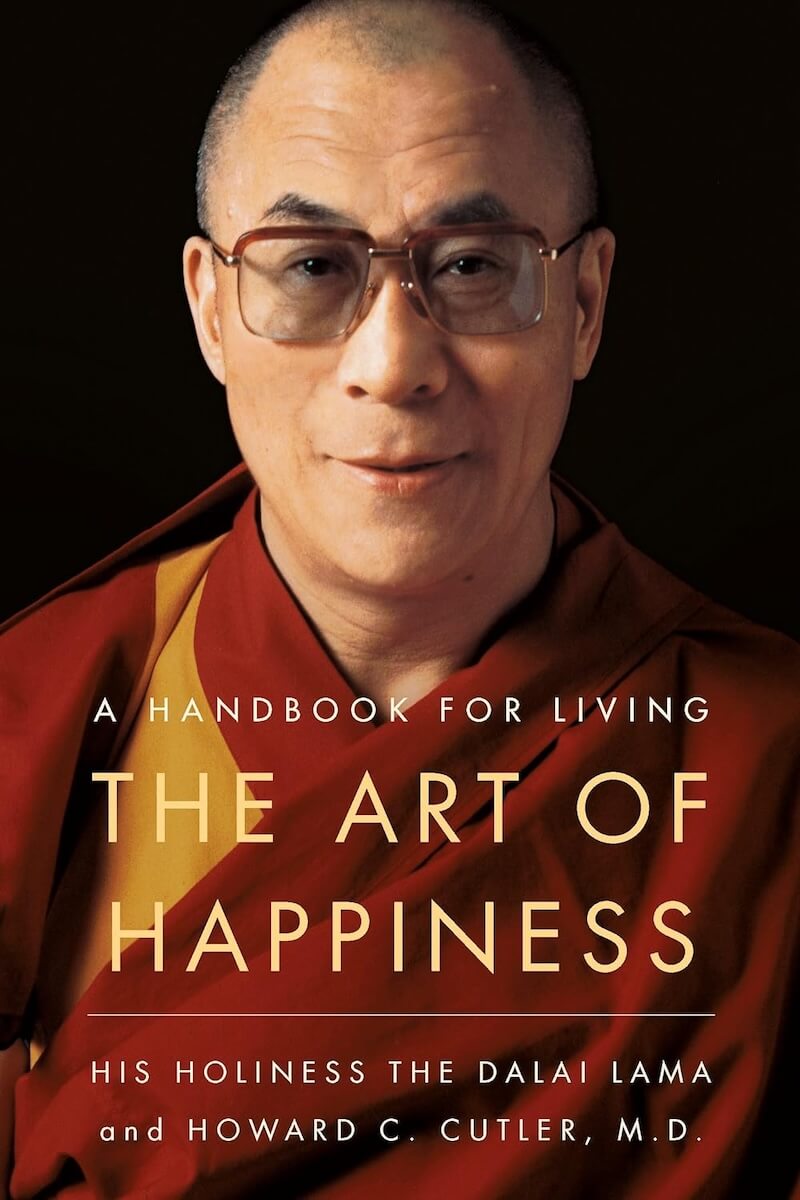
The Art of Happiness Book Summary
This The Art of Happiness Book Summary covers the key ideas, lessons, and takeaways in about 20 minutes.
Short Description:
The Art of Happiness cultivates peace through mental discipline and compassion.
Helps with these goals
Want a Free Weekly Read?
Get a free summary every week straight to your mailbox.
Preview the The Art of Happiness book summary
Below is a preview of Sumizeit’s comprehensive human-written summary of The Art of Happiness by Dalai Lama. The full summary is 15-20 minutes long and covers the book’s key ideas in text, audio, visual, and video formats. Unlock the full 20 Minute Summary
The Art of Happiness is built around conversations between the Dalai Lama and psychiatrist Howard Cutler, examining the universal human desire to live a meaningful and joyful life. Rather than presenting happiness as a mysterious gift that only the fortunate receive, the Dalai Lama describes it as a trainable state of mind and a lifelong practice. Every person, regardless of background, beliefs, or circumstances, has the capacity to shape their emotional world. Examples from Cutler’s clinical experience illustrate this: two patients facing similar hardships often cope in radically different ways—one falling into despair, the other adapting with strength—demonstrating the mind’s power in shaping reality.
The Dalai Lama points out that happiness is not the result of accumulating pleasure, success, or wealth. Many people who appear externally successful feel internally empty. For example, Cutler recounts patients who achieved prestigious careers yet struggled with anxiety and loneliness because they relied on achievement to fill emotional gaps. In contrast, the Dalai Lama describes meeting people in Tibetan refugee camps living in severe poverty who maintained remarkable peace and generosity. Their well-being came not from ease but from resilience, purpose, and community.
Happiness becomes attainable when individuals accept responsibility for cultivating their mental life. Instead of waiting for ideal conditions, they learn to train the mind toward stability and compassion.
Understanding the Nature of True Happiness
Distinguishing temporary pleasure from sustainable happiness is crucial. Pleasure is tied to external triggers—a delicious meal, praise from others, purchasing something new—but disappears quickly and often creates longing for more. The Dalai Lama compares this to eating candy: the first piece tastes wonderful, but ten pieces later it causes discomfort. A real-world example is the thrill of buying a new phone. For a week or two it feels exciting, but soon it becomes ordinary, leading to more desires. This cycle of craving creates restlessness rather than fulfillment.
True happiness, unlike pleasure, is a steady inner climate. It comes from values such as gratitude, emotional balance, and peace of mind. The Dalai Lama illustrates this by describing friends who lost careers or endured illness yet maintained calm because they built their emotional foundation around compassion rather than external identity. Similarly, Cutler shares accounts of recovering addicts who discovered deeper happiness in service and community involvement than they ever found in material pursuits.
Inner contentment emerges through appreciating what one already has and cultivating a sense of purpose. An example he gives is writing down three things you are thankful for daily. At first it seems trivial, but over time the mind naturally shifts to notice positivity rather than lack. Another example is volunteering: people often report feeling happier after helping others even if their own lives contain stress, because giving activates deep emotional satisfaction.
Compassion as the Foundation of Emotional Well-Being
The Dalai Lama argues that compassion is not a lofty ideal but a biological necessity. Infants cannot survive without caring touch; studies show that neglected babies in orphanages suffer developmental harm even when physically fed.
Want the complete 20-minute summary?
- Full structured summary
- Video Summary
- Podcast Summary
- Audio summary
- Key takeaways
- Exercises
- Quiz
- Highlights and notes
- Ask the book with AI
Who should read The Art of Happiness?
This book is ideal for anyone seeking genuine fulfillment beyond material success, whether you're struggling with stress, relationship challenges, or a sense of emptiness despite external achievements. It speaks to professionals, students, parents, and anyone curious about Buddhist wisdom applied to modern life without requiring religious conversion.
Why does The Art of Happiness matter?
In an age of constant distraction, consumption, and comparison, The Art of Happiness offers a counterintuitive path: that lasting contentment comes from mental training, compassion, and perspective shifts rather than external circumstances. The Dalai Lama's insights, grounded in both ancient Buddhist practice and modern psychology, provide practical tools for reducing anxiety, anger, and isolation in today's uncertain world.
What are the key themes in The Art of Happiness?
- Happiness as a trainable skill rather than an innate trait
- The distinction between fleeting pleasure and sustainable inner peace
- Compassion as a biological and emotional necessity
- Perspective and interpretation as the true sources of emotional suffering
- Acceptance of suffering as a path to resilience and growth
- The power of mental discipline and mindfulness
- Authentic confidence grounded in self-awareness, not ego
How can you apply ideas from The Art of Happiness?
- Practice daily gratitude by writing three things you're thankful for each morning to rewire your mind toward noticing positivity
- Use mindfulness to observe difficult emotions by naming them without judgment—creating psychological distance during overwhelm
- Shift perspective on setbacks by examining them from multiple viewpoints, identifying growth opportunities instead of dwelling on failure
- Build patience through small intentional exercises like remaining calm in long lines or responding gently to frustration
- Expand compassion by imagining difficult people's hidden struggles, transforming anger into empathy
- Volunteer or perform anonymous acts of kindness to activate deeper satisfaction and reduce self-focused anxiety
- Practice honest communication in relationships by listening without defensiveness and acknowledging your own limitations
What common mistakes do readers make with The Art of Happiness?
- Confusing temporary pleasure (from shopping, achievement, or praise) with lasting happiness, leading to endless craving and dissatisfaction
- Believing happiness depends on external circumstances rather than taking responsibility for training your own mind
- Resisting or denying suffering instead of accepting it as universal, which amplifies emotional pain
- Holding onto anger at past betrayals, unknowingly imprisoning yourself while others have moved on
Sumizeit Exercises Apply what you've learned
Turn ideas from The Art of Happiness into action with a short guided reflection: identify the biggest takeaway, connect it to your life, and commit to one step you can take in the next 24 hours.
What is the expert analysis of The Art of Happiness?
Overview
The Art of Happiness is a seminal work authored by His Holiness the 14th Dalai Lama, Tenzin Gyatso, in collaboration with psychiatrist Howard Cutler. This book stands out as a profound intersection of Eastern spiritual philosophy and Western psychological insight, offering a practical framework for cultivating happiness grounded in compassion, mental discipline, and self-awareness. The Dalai Lama’s stature as a global spiritual leader and Nobel Peace Prize laureate lends the work both authority and a universal appeal, while Cutler’s clinical perspective provides relatable, real-world applications of these ancient teachings. Together, they explore happiness not as a fleeting emotion or external acquisition but as a trainable, lifelong practice accessible to all.
Core Thesis
The central argument of The Art of Happiness is that genuine happiness is an internal state cultivated through intentional mental training rather than external circumstances such as wealth, success, or sensory pleasure. The Dalai Lama posits that emotional well-being arises from compassion, acceptance of suffering, and shifting one’s perspective to foster resilience and empathy. By embracing suffering as a transformative teacher and practicing mindfulness, patience, and altruism, individuals can rewire their emotional responses, thereby achieving lasting contentment and peace of mind. This thesis challenges the conventional materialistic paradigm by emphasizing inner transformation over external achievement.
Strengths
- Integration of Spiritual and Psychological Wisdom: The book skillfully bridges Buddhist philosophy with contemporary psychological research and clinical anecdotes, making profound concepts accessible and actionable.
- Universal Applicability: The Dalai Lama’s inclusive approach transcends cultural, religious, and socioeconomic boundaries, affirming that happiness is attainable regardless of circumstance.
- Emphasis on Compassion: Positioning compassion as both a biological necessity and a practical tool for emotional health is a compelling insight that enriches traditional self-help narratives.
- Practical Techniques: The inclusion of exercises such as gratitude journaling, perspective shifting, and mindfulness practices offers readers concrete methods for personal transformation.
- Balanced View of Suffering: Rather than advocating avoidance, the book encourages embracing suffering as a catalyst for growth, which aligns with emerging psychological models of post-traumatic growth.
Critiques & Counterarguments
- Potential Oversimplification of Complex Emotions: While advocating mental training, the book may understate the complexity of mental health disorders where biochemical and social factors play dominant roles, potentially oversimplifying the path to happiness.
- Lack of Rigorous Empirical Evidence: The reliance on anecdotal clinical examples and philosophical reasoning, though compelling, lacks the robust empirical validation that contemporary psychological interventions demand.
- Cultural Context and Applicability: The Dalai Lama’s Buddhist framework, while universal in intent, may not fully resonate with secular or non-Buddhist readers who might find some concepts abstract or metaphysical.
- Competing Psychological Models: Cognitive-behavioral therapy (CBT) and positive psychology offer alternative mechanisms for happiness that emphasize cognitive restructuring and evidence-based interventions, which sometimes diverge from the contemplative and compassion-centered approach here.
- Real-World Constraints: The book’s emphasis on individual responsibility may underplay systemic and structural factors—such as poverty, discrimination, and trauma—that significantly impact emotional well-being and are not easily addressed through mindset shifts alone.
Who Should Read This
The Art of Happiness is ideal for readers seeking a holistic and contemplative approach to emotional well-being that transcends conventional self-help advice. It will particularly resonate with individuals interested in the intersection of spirituality and psychology, those facing adversity who desire practical tools for resilience, and anyone curious about cultivating compassion as a foundation for happiness. Mental health practitioners, philosophers, and business leaders aiming to foster empathy and emotional intelligence in their work may also find valuable insights. However, readers looking for a strictly scientific or secular manual on happiness might consider supplementing this book with more empirically grounded psychological literature.
Frequently asked questions about the The Art of Happiness book summary
What is The Art of Happiness about?
The Art of Happiness by the Dalai Lama is a guide to cultivating genuine, lasting contentment through mental training, compassion, and perspective shifts. Written as conversations between the Dalai Lama and psychiatrist Howard Cutler, it argues that happiness is a trainable skill grounded in inner peace and emotional resilience, not in wealth, status, or external pleasure.
Who should read The Art of Happiness?
Anyone seeking authentic fulfillment beyond material success should read this book, including professionals burned out by achievement, people struggling with anxiety or anger, those in difficult relationships, and anyone curious about applying Buddhist wisdom to modern life. You don't need religious beliefs to benefit from its practical psychology.
What are the main takeaways from The Art of Happiness?
The main takeaways are: happiness is a cultivated skill requiring daily practice; true happiness differs fundamentally from fleeting pleasure; compassion is both a biological need and emotional necessity; your interpretation of events determines your emotional experience; accepting suffering reduces its grip; and authentic confidence comes from honest self-awareness rather than ego or pretense.
How does the Dalai Lama define real happiness versus pleasure?
The Dalai Lama distinguishes pleasure as temporary satisfaction from external sources (food, praise, purchases) that fades quickly and breeds craving. Real happiness is a steady inner climate rooted in gratitude, purpose, emotional balance, and peace of mind—it survives hardship and grows stronger through meaningful connection.
Why does the book emphasize compassion so much?
Compassion is emphasized because humans are biologically wired for warmth and connection from infancy, and compassion benefits physical health, mental stability, and relationships. The Dalai Lama argues it's not just a lofty ideal but a practical necessity for genuine happiness and resilience.
Can you really change your emotional patterns according to The Art of Happiness?
Yes, the book insists transformation is always possible through consistent practice and effort. Real change happens gradually—like strengthening a muscle—through daily intention, journaling, meditation, and small behavioral experiments that slowly rewire emotional responses and neural pathways.
How does The Art of Happiness suggest dealing with anger and anxiety?
For anger, the book recommends practicing patience in small real situations and understanding that anger harms the holder more than others. For anxiety, it suggests realistic preparation, honest acknowledgment of fears, and shifting focus outward through service, which reduces catastrophizing and inner turmoil.
About Sumizeit
Sumizeit is a profitable Scomy LLC company based in Miami, Florida. Our founders, Clemens Raemy and Weina Scott, are successful entrepreneurs with several exits. Sumizeit is a popular book summary app / micro learning app used by busy professionals and entrepreneurs with over 2,500 non-fiction book summaries and 10,000 podcast summaries in text, audio, visual, podcast, and video format. We also have stellar retention tools to make ideas stick - such as flashcards with spaced repetition, quizzes, streaks, highlighting and notes, daily challenges, riddles, mini-courses, meditation, and more. You won't only learn the idea, but also remember it. Over 90% of our users change their habits with Sumizeit.
Upgrade Now
Here's why readers love Sumizeit
Join thousands of learners getting smarter every day
"Great experience. Detailed summaries. Loved the gamification feature. Makes learning fun. Good customer service. I recommend Sumizeit to anyone. You'll learn a lot."
"I always felt busy but still wanting to keep up with the book discussion in my friend group. This was a great supplement to help me keep reading the books I find fun while keeping up with important books."
"I love this website. Instead of scrolling social media, I find myself learning a lot. I use it everyday. I recommend this app for anyone who is too busy and wants to get up to speed with their favorite books."
The Art of Happiness Book Summary PDF
Looking for a The Art of Happiness Book Summary PDF you can save and revisit offline? Our The Art of Happiness Book Summary PDF captures the book’s core ideas in a clean, printable format — the key frameworks, takeaways, and structure without the fluff. Download the The Art of Happiness Book Summary PDF when you want a reference you can annotate, share with your team, or review on the go. Get your The Art of Happiness Book Summary PDF from the download page below.
Download The Art of Happiness Book Summary PDFPeople also liked these summaries
Readers who explored The Art of Happiness often enjoyed these titles next.




Ready to read the whole thing?
- Full structured summary
- Video Summary
- Podcast Summary
- Audio summary
- Key takeaways
- Exercises
- Quiz
- Highlights and notes
- Ask the book with AI
Featured Book Titles
Popular Book Summaries at sumizeit, leading book summary app