


As an Amazon Associate, Sumizeit earns from qualifying purchases.
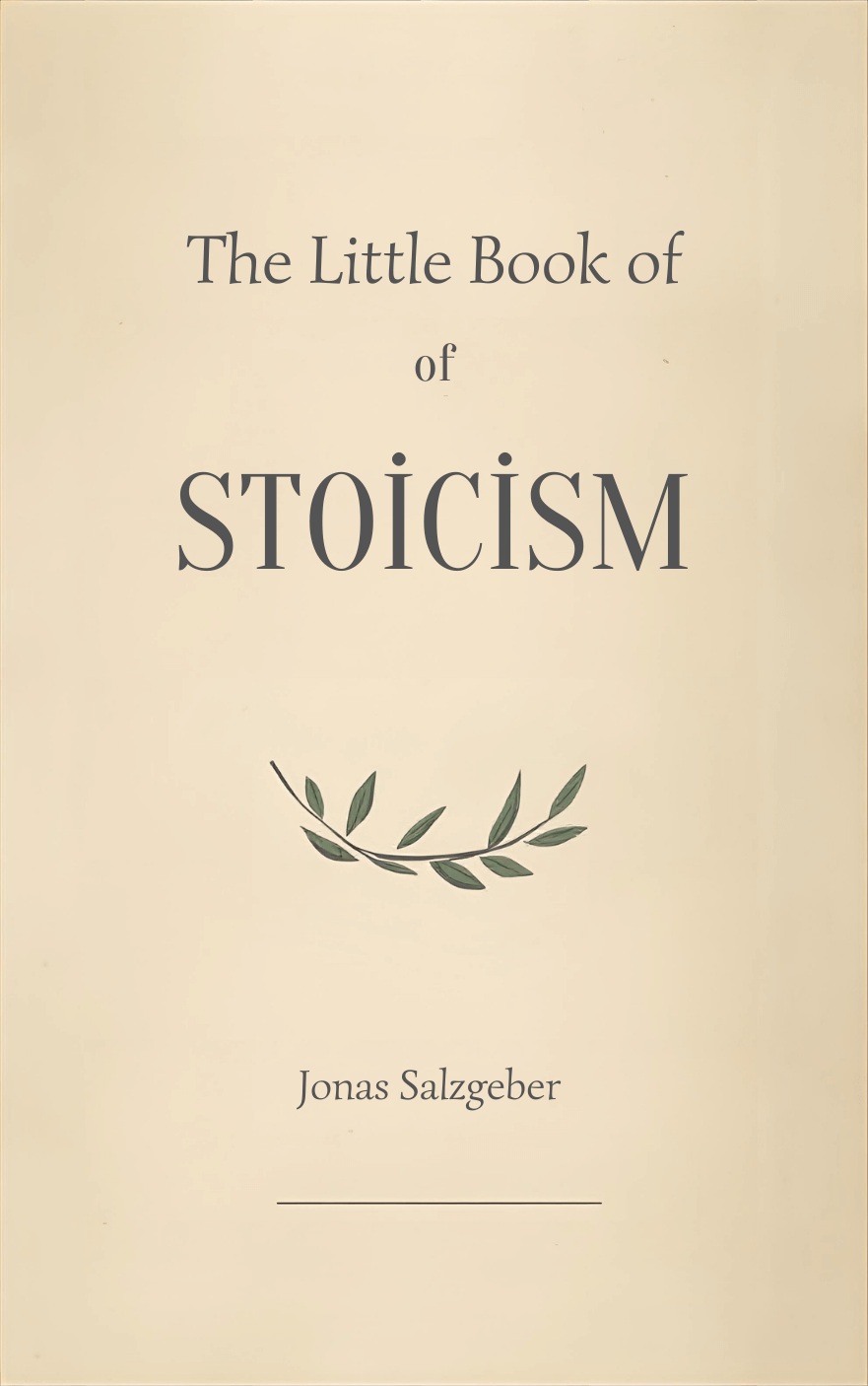
The Little Book of Stoicism Book Summary
This The Little Book of Stoicism Book Summary covers the key ideas, lessons, and takeaways in about 20 minutes.
Through frameworks like the Stoic Happiness Triangle, concepts such as eudaimonia and amor fati, and practical exercises like negative visualization and daily reflection, the book offers readers a clear path toward resilience and inner freedom. Stoicism teaches that while life will always include hardship, suffering is optional when guided by reason, virtue, and acceptance.
Ultimately, Salzgeber’s work shows that Stoicism is not about becoming indifferent to life, but about becoming deeply engaged with it—without being ruled by fear, anger, or desire. By aligning actions with values and embracing responsibility for one’s inner world, anyone can cultivate a calm, confident, and meaningful life, regardless of external circumstances.
Helps with these goals
Want the complete 20-minute summary?
- Full structured summary
- Video Summary
- Podcast Summary
- Audio summary
- Key takeaways
- Exercises
- Quiz
- Highlights and notes
- Ask the book with AI
What is in the The Little Book of Stoicism book summary?
Below is a preview of Sumizeit’s expert-written summary of The Little Book of Stoicism by Jonas Salzgeber. The full summary covers the book’s key ideas in text, audio, and video.
The Little Book of Stoicism by Jonas Salzgeber presents Stoicism not as a distant or abstract school of ancient thought, but as a living, breathing philosophy designed for everyday use. Rather than treating Stoicism as something to be studied academically, Salzgeber reframes it as a practical operating system for life—one that helps individuals navigate uncertainty, emotional turbulence, failure, success, relationships, and meaning with calm strength.
At its core, the book argues that a good life is not built by chasing pleasure, status, or comfort, but by developing character, clarity, and responsibility. Stoicism, as Salzgeber explains, is not about suppressing emotions or withdrawing from the world. Instead, it is about learning how to engage fully with life while remaining internally steady. The book distills centuries of Stoic wisdom—from thinkers like Epictetus, Seneca, and Marcus Aurelius—into accessible concepts, modern language, and actionable practices that fit seamlessly into contemporary life.
Throughout the book, Salzgeber emphasizes one central truth: while we cannot control everything that happens to us, we can always control how we respond. From this foundation flows a philosophy centered on resilience, virtue, and human flourishing. The text introduces frameworks like the Stoic Happiness Triangle, explores timeless practices such as negative visualization and voluntary discomfort, and provides clear guidance on handling emotions, adversity, and interpersonal conflict. The result is a comprehensive guide to building a life rooted in purpose, tranquility, and inner freedom.
Stoicism as a Philosophy of Responsibility and Resilience
Stoicism, as presented in The Little Book of Stoicism, begins with a radical idea: you are fully responsible for the quality of your life. This responsibility does not mean blaming yourself for everything that goes wrong, nor does it deny the reality of hardship, injustice, or suffering. Instead, it means recognizing that your thoughts, judgments, values, and actions ultimately shape your experience more than external circumstances ever could.
Salzgeber frames Stoicism as a philosophy of empowerment. By removing excuses and illusions of control over the external world, Stoicism redirects attention inward—toward the one domain where genuine power exists. This shift can feel uncomfortable at first, as it strips away the habit of blaming others, fate, or bad luck. But it is precisely this discomfort that leads to freedom. When you stop demanding that the world conform to your preferences, you gain the ability to remain steady regardless of what happens.
The book introduces Stoicism as a tool for building emotional strength rather than avoiding pain. Life will always involve loss, disappointment, criticism, and uncertainty. Stoicism does not promise immunity from these realities; it offers a way to meet them without being shattered. Through rational thinking, disciplined action, and moral clarity, individuals can learn to respond thoughtfully instead of reacting impulsively. Over time, this practice leads to a calm confidence that does not depend on outcomes.
The Stoic Happiness Triangle: A Framework for Flourishing
One of Salzgeber’s key contributions is the Stoic Happiness Triangle, a simple yet powerful framework that organizes the core ideas of Stoicism into a practical model.
Want the complete 20-minute summary?
- Full structured summary
- Video Summary
- Podcast Summary
- Audio summary
- Key takeaways
- Exercises
- Quiz
- Highlights and notes
- Ask the book with AI
Who should read The Little Book of Stoicism?
This book is ideal for anyone seeking practical wisdom to navigate life's uncertainties, build emotional resilience, and find lasting fulfillment. Whether you're facing professional challenges, personal setbacks, or simply want to live with greater clarity and purpose, The Little Book of Stoicism offers actionable guidance. It's perfect for modern readers who appreciate ancient philosophy but need it presented in accessible, contemporary language that fits into everyday life.
Why does The Little Book of Stoicism matter?
In today's fast-paced, anxiety-driven world, Stoicism offers a proven operating system for maintaining inner peace while staying engaged with life's demands. Jonas Salzgeber's work cuts through the misconception that Stoicism means suppressing emotions or withdrawing from society, instead revealing it as a framework for building genuine resilience and character. By teaching readers to distinguish between what they can and cannot control, the book addresses the root cause of modern stress and helps individuals reclaim agency over their lives.
What are the key themes in The Little Book of Stoicism?
- Personal responsibility and empowerment through focusing on what you control
- Virtue and character as the foundation of a meaningful life
- Eudaimonia: deep flourishing that transcends momentary pleasure
- Transforming obstacles into opportunities for growth and development
- The dichotomy of control and acceptance as paths to inner freedom
- Emotional regulation through reason and reframing beliefs
- Presence and mindfulness in navigating daily challenges
- Interconnectedness and compassion in human relationships
What are the key lessons from the The Little Book of Stoicism book summary?
You Control Your Judgments, Not External Events
While circumstances, other people's opinions, and outcomes remain beyond your control, your thoughts, beliefs, and interpretations are entirely yours. This distinction is the foundation of Stoic peace.
The Stoic Happiness Triangle: Three Pillars of Flourishing
Living with excellence of character (arete), focusing energy on what you control, and taking full responsibility for your happiness form the three cornerstones of a well-lived life.
Eudaimonia Builds Through Daily Choices, Not Shortcuts
Deep fulfillment comes from accumulating moments of alignment with your values and highest self, not from quick fixes or external achievements.
Negative Visualization Cultivates Gratitude and Resilience
By consciously imagining potential losses and setbacks, you become more appreciative of what you have and mentally prepared for adversity when it arrives.
Amor Fati: Embrace Your Fate as Raw Material for Growth
Rather than resisting reality or asking why hardship befalls you, reframe challenges as opportunities to develop patience, courage, and wisdom.
Emotions Arise From Beliefs, Not Events
Distressing emotions are shaped by your interpretations and judgments about situations, not by the situations themselves, giving you leverage to regulate how you feel.
Virtue Is More Valuable Than Comfort or Success
Character—expressed through wisdom, justice, courage, and discipline—remains fully within your control and offers fulfillment that external advantages cannot replicate.
Obstacles Are the Path, Not Barriers to It
Difficulties define progress by forcing you to develop new skills, insights, and resilience; viewing them this way shifts your mindset from discouragement to creative adaptation.
Present-Moment Awareness Reduces Anxiety and Improves Effectiveness
Dwelling on past regrets or future worries drains energy from where action is actually possible—the present moment—making mindfulness essential for both peace and productivity.
Compassion and Understanding Strengthen Your Own Character
When others act unkindly or unjustly, responding with patience and fairness rather than anger reflects wisdom and builds the virtue that matters most.
Self-Reflection Is the Engine of Continuous Growth
Daily honest assessment of where you aligned with your values and where you fell short transforms life into an ongoing learning process that refines your character over time.
Acceptance Is Active, Not Passive
Accepting what you cannot control means acknowledging reality and responding skillfully, not surrendering agency or resigning yourself to poor outcomes.
Wise Judgment Separates Facts From Interpretations
Most emotional distress comes from adding stories and assumptions to bare facts; by slowing down and examining your beliefs, you reduce unnecessary suffering.
Discomfort and Difficulty Are Teachers, Not Punishments
Physical hardship, social rejection, or professional setbacks offer chances to practice resilience and discover your true capacity to endure and adapt.
Gratitude Flows From Understanding What You Could Lose
Recognizing that anything of value is temporary heightens appreciation for the present and protects against entitlement and complacency.
Stoicism Demands Responsibility, Not Self-Blame
Taking responsibility for your inner world and responses means empowerment without guilt—you own your choices while accepting that many factors lie beyond your influence.
Long-Term Values Trump Short-Term Impulses
Self-discipline means choosing actions aligned with your ideals and vision for yourself, even when immediate desires pull in a different direction.
Resilience Comes From Rational Thinking, Not Positive Denialism
Stoicism doesn't promise immunity from hardship; it offers tools to think clearly about difficulties and respond with steadiness rather than panic or despair.
Inner Freedom Exists Even When External Circumstances Don't Change
By focusing on what lies within your control—thought, action, character—you can cultivate peace and purpose regardless of wealth, status, or luck.
Want the complete 20-minute summary?
- Full structured summary
- Video Summary
- Podcast Summary
- Audio summary
- Key takeaways
- Exercises
- Quiz
- Highlights and notes
- Ask the book with AI
How can you apply ideas from The Little Book of Stoicism?
- Use the dichotomy of control as a daily filter: when facing a challenge, identify what depends on you (your effort, attitude, values) versus what doesn't (outcomes, others' reactions), and invest energy accordingly
- Practice negative visualization before important events—imagine potential setbacks in realistic detail to reduce anxiety, build mental preparedness, and deepen appreciation for what you have
- Implement daily reflection by reviewing your day each evening, noting moments where you acted with virtue and moments where you could have chosen differently, then setting intentions for tomorrow
- Apply cognitive reframing when upset: pause, separate facts from your interpretation, and ask whether the situation truly threatens your character or just your preferences
- Embrace voluntary discomfort through small regular challenges—cold showers, fasting, or simple living—to build resilience and reduce dependence on comfort
- Reframe obstacles at work or in relationships: when someone opposes you or failure strikes, immediately ask 'How can I use this to develop courage, patience, or wisdom?' and brainstorm creative responses
- Practice presence during routine activities by fully focusing on one task at a time without distraction, turning mundane moments into anchors for mindfulness and effectiveness
What common mistakes do readers make with The Little Book of Stoicism?
- Assuming Stoicism means suppressing emotions or becoming detached from life, when it actually teaches emotional awareness and engaged living with inner steadiness
- Focusing all effort on controlling external outcomes rather than redirecting that energy toward thoughts, judgments, and actions that truly lie within your power
- Practicing negative visualization as a pessimistic habit that creates anxiety, rather than using it as a disciplined mental exercise to build gratitude and resilience
- Believing that virtue and character development should feel effortless or rewarding in the moment, when Stoicism actually teaches that the right choice is often uncomfortable and its value emerges over time
- Treating Stoic acceptance as passivity or resignation instead of recognizing it as active engagement with reality that frees you to respond creatively and effectively
Sumizeit Exercises Apply what you've learned
Turn ideas from The Little Book of Stoicism into action with a short guided reflection: identify the biggest takeaway, connect it to your life, and commit to one step you can take in the next 24 hours.
What is the expert analysis of The Little Book of Stoicism?
Overview
The Little Book of Stoicism by Jonas Salzgeber stands out as a contemporary interpretation of an ancient philosophy, reimagining Stoicism as a practical, accessible guide for modern living. Salzgeber, a recognized modern Stoic writer and educator, bridges the gap between classical Stoic thought and everyday application, making the philosophy relevant for readers navigating the complexities of the 21st century. His work is significant for its clear synthesis of core Stoic principles—drawn from Epictetus, Seneca, and Marcus Aurelius—into actionable frameworks and exercises that promote resilience, virtue, and emotional mastery.
Core Thesis
At its heart, Salzgeber’s book advances the thesis that a flourishing life is not contingent on external circumstances or transient pleasures but is rooted in cultivating character, clarity, and responsibility. Stoicism, as presented here, is fundamentally about recognizing the dichotomy of control—distinguishing what lies within one’s power from what does not—and responding with virtue and rationality to life’s inevitable challenges. This internal locus of control fosters a steady, purposeful engagement with the world, enabling individuals to transform obstacles into opportunities and maintain tranquility amidst uncertainty.
Strengths
- Practical Accessibility: Salzgeber excels at demystifying Stoic philosophy, distilling complex ancient ideas into clear, modern language and relatable examples, thus broadening Stoicism’s appeal beyond academic or historical interest.
- Comprehensive Frameworks: The introduction of the Stoic Happiness Triangle offers a structured, memorable model that encapsulates Stoic ethics, control, and responsibility, providing readers with a tangible roadmap for personal development.
- Balanced Emotional Insight: The book thoughtfully addresses common misconceptions by emphasizing emotional regulation and awareness rather than suppression, aligning Stoicism with contemporary psychological insights on cognitive reframing and mindfulness.
- Integration of Practice and Philosophy: By combining theoretical exposition with practical exercises—such as negative visualization, daily reflection, and amor fati—Salzgeber ensures that readers are equipped not only to understand Stoicism intellectually but to embody it experientially.
- Ethical and Social Emphasis: The work underscores Stoicism’s communal dimension, advocating kindness, compassion, and social responsibility, thereby countering critiques of Stoicism as overly individualistic or detached.
Critiques & Counterarguments
- Potential Oversimplification: While accessibility is a strength, the book’s condensation of Stoic doctrines risks glossing over nuanced debates within Stoic scholarship, such as tensions between determinism and free will or the complexity of Stoic logic and physics.
- Limited Engagement with Criticism: Salzgeber’s portrayal is largely affirmative; the book could benefit from addressing critiques of Stoicism’s applicability, such as arguments that its emphasis on acceptance may inadvertently promote passivity or underplay systemic injustices.
- Empirical Support and Psychological Integration: Although the book aligns Stoic practices with modern psychological concepts, it does not deeply engage with contemporary research that might challenge or refine Stoic claims—for example, the limits of cognitive reframing in treating trauma or depression.
- Competing Philosophical Perspectives: Other schools, such as existentialism or Buddhist philosophy, offer alternative approaches to suffering and meaning that emphasize different facets—such as embracing uncertainty or non-self—that contrast with Stoic rationalism and virtue ethics.
- Real-World Complexity: The book’s emphasis on individual responsibility may underrepresent the impact of social, economic, and structural factors on well-being, potentially leading readers to underestimate external constraints on agency.
Who Should Read This
The Little Book of Stoicism is ideally suited for readers seeking a concise yet profound introduction to Stoic philosophy as a practical guide for personal resilience and ethical living. It appeals to individuals interested in self-improvement, emotional regulation, and cultivating a purposeful life amid uncertainty. Professionals in high-stress environments, students of philosophy looking for applied ethics, and anyone drawn to ancient wisdom adapted for modern challenges will find Salzgeber’s work both inspiring and actionable. However, those seeking a rigorous academic treatment or a critical engagement with Stoicism’s limitations may need to supplement this book with more specialized texts.
Frequently asked questions about the The Little Book of Stoicism book summary
What is The Little Book of Stoicism about?
The Little Book of Stoicism by Jonas Salzgeber presents Stoicism as a practical operating system for modern life, not just ancient philosophy. The book teaches readers how to build resilience, character, and lasting fulfillment by focusing on what they can control—their thoughts, actions, and values—while accepting what they cannot. Through frameworks like the Stoic Happiness Triangle, concepts such as eudaimonia and amor fati, and practices like negative visualization, Salzgeber shows how Stoic wisdom directly addresses contemporary challenges like anxiety, emotional turbulence, failure, and conflict.
Who should read The Little Book of Stoicism?
This book is for anyone seeking practical wisdom to navigate life's uncertainties and build genuine resilience. It appeals to professionals facing workplace challenges, individuals dealing with setbacks or loss, people struggling with anxiety or emotional regulation, and anyone wanting to live with greater clarity and purpose. Whether you're new to philosophy or familiar with Stoicism, Salzgeber's accessible language and actionable practices make it valuable for modern readers who want timeless wisdom presented in contemporary, applicable ways.
What are the main takeaways from The Little Book of Stoicism?
The central message is that lasting fulfillment comes not from controlling circumstances or accumulating possessions, but from developing character, focusing energy on what lies within your control, and responding thoughtfully to challenges. Key takeaways include understanding the dichotomy of control, living with virtue and excellence, building emotional awareness through reframing beliefs, viewing obstacles as opportunities for growth, and practicing daily reflection. Most importantly, the book demonstrates that inner freedom and calm confidence are available to anyone regardless of external circumstances.
How does The Little Book of Stoicism approach emotions?
Salzgeber clarifies that Stoicism doesn't advocate emotional suppression but rather emotional awareness and regulation through reason. According to Stoic psychology, emotions arise from your judgments and interpretations of events, not from events themselves. By examining and reframing the beliefs underlying your emotions, you gain the ability to reduce their intensity and respond more intentionally. The book provides practical techniques like pausing before reacting, separating facts from interpretations, and aligning responses with your values.
What is the Stoic Happiness Triangle?
The Stoic Happiness Triangle is Jonas Salzgeber's framework organizing core Stoic principles into three interconnected cornerstones: living with arete (excellence of character), focusing attention and energy on what you control, and taking full responsibility for your own happiness. At the center of these three principles is eudaimonia—a state of deep fulfillment and flourishing. Together, they create a stable structure that supports resilience, purpose, and inner peace regardless of external circumstances.
What is negative visualization and why does Stoicism emphasize it?
Negative visualization is the practice of intentionally imagining potential losses, setbacks, or difficulties before they occur. Far from being pessimistic, this Stoic exercise serves two crucial purposes: it cultivates genuine gratitude by making you aware of what you could lose, and it builds mental resilience by rehearsing difficulties so they feel less shocking when they arrive. Salzgeber presents it as a practical tool to reduce anxiety about the future and strengthen emotional readiness.
How does The Little Book of Stoicism define a good life?
According to Jonas Salzgeber's interpretation of Stoicism, a good life is built not through chasing pleasure, status, or comfort, but through developing character, clarity, and responsibility. It is defined by eudaimonia—a deep state of flourishing that comes from living in alignment with virtue and reason, regardless of circumstances. The book teaches that a good life means accepting what you cannot control, focusing on what you can (your thoughts and actions), and continuously refining your character through daily choices and reflection.
About Sumizeit
Sumizeit is a profitable Scomy LLC company based in Miami, Florida. It has been helping readers learn from nonfiction books for 7 years with expert-written summaries in text, audio, podcast, and video.
Want the complete 20-minute summary?
- Full structured summary
- Video Summary
- Podcast Summary
- Audio summary
- Key takeaways
- Exercises
- Quiz
- Highlights and notes
- Ask the book with AI
Here's why readers love Sumizeit
Join thousands of learners getting smarter every day
"Great experience. Detailed summaries. Loved the gamification feature. Makes learning fun. Good customer service. I recommend Sumizeit to anyone. You'll learn a lot."
"I always felt busy but still wanting to keep up with the book discussion in my friend group. This was a great supplement to help me keep reading the books I find fun while keeping up with important books."
"I love this website. Instead of scrolling social media, I find myself learning a lot. I use it everyday. I recommend this app for anyone who is too busy and wants to get up to speed with their favorite books."
The Little Book of Stoicism Book Summary PDF
Looking for a The Little Book of Stoicism Book Summary PDF you can save and revisit offline? Our The Little Book of Stoicism Book Summary PDF captures the book’s core ideas in a clean, printable format — the key frameworks, takeaways, and structure without the fluff. Download the The Little Book of Stoicism Book Summary PDF when you want a reference you can annotate, share with your team, or review on the go. Get your The Little Book of Stoicism Book Summary PDF from the download page below.
Download The Little Book of Stoicism Book Summary PDFPeople also liked these summaries
Readers who explored The Little Book of Stoicism often enjoyed these titles next.

Want the complete 20-minute summary?
- Full structured summary
- Video Summary
- Podcast Summary
- Audio summary
- Key takeaways
- Exercises
- Quiz
- Highlights and notes
- Ask the book with AI
Featured Book Titles
Popular Book Summaries at sumizeit, leading book summary app