


As an Amazon Associate, Sumizeit earns from qualifying purchases.
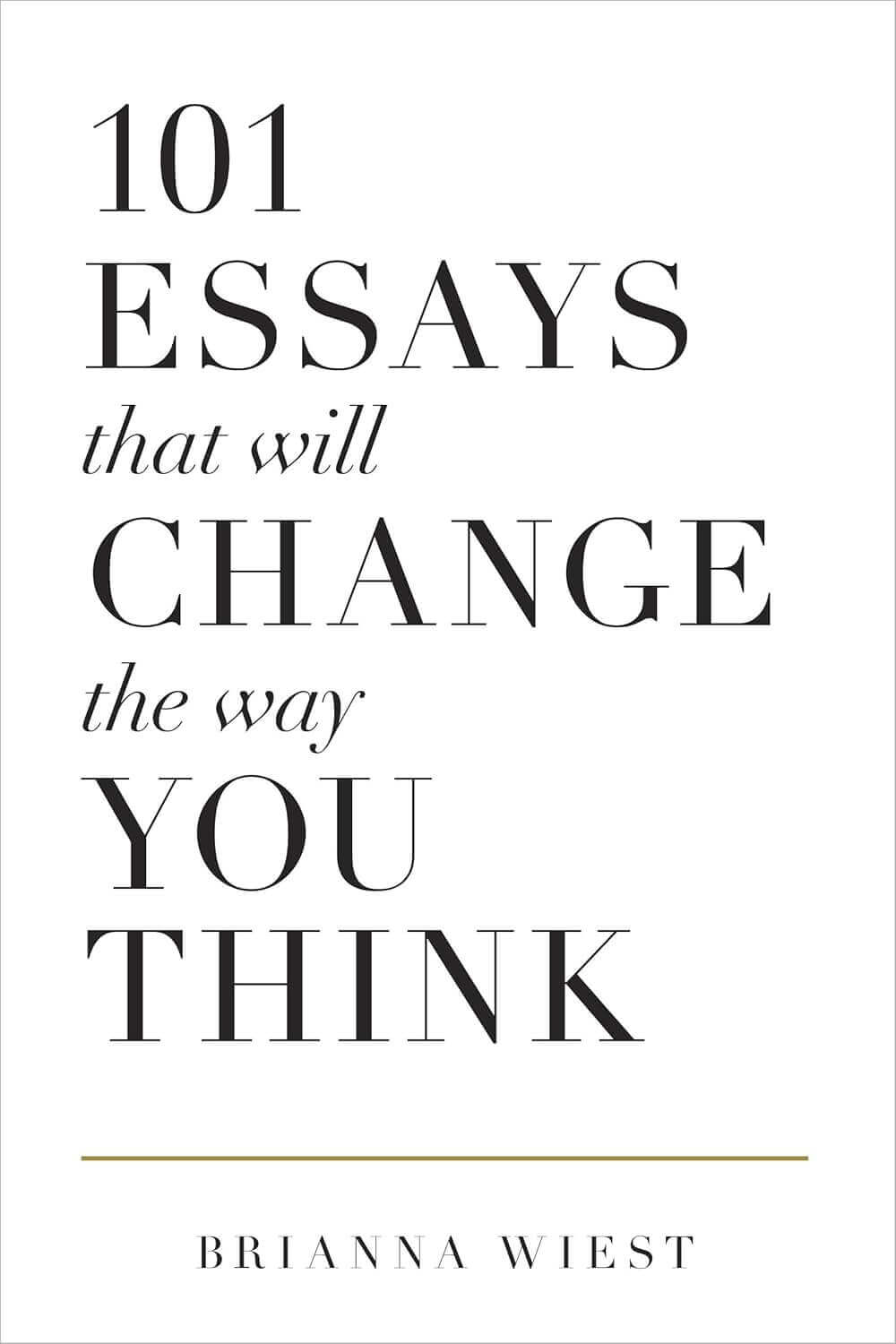
101 Essays That Will Change the Way You Think Book Summary
This 101 Essays That Will Change the Way You Think Book Summary covers the key ideas, lessons, and takeaways in about 20 minutes.
Through emotional intelligence, mindfulness, and radical self-awareness, Wiest teaches that peace comes from alignment — when our actions reflect our truth rather than our conditioning. Growth requires discomfort, love requires vulnerability, and freedom requires responsibility. By thinking consciously, feeling deeply, and choosing authentically, we can transform even the most ordinary moments into profound opportunities for meaning and joy.
Helps with these goals
Want the complete 20-minute summary?
- Full structured summary
- Video Summary
- Podcast Summary
- Audio summary
- Key takeaways
- Exercises
- Quiz
- Highlights and notes
- Ask the book with AI
What is in the 101 Essays That Will Change the Way You Think book summary?
Below is a preview of Sumizeit’s expert-written summary of 101 Essays That Will Change the Way You Think by Brianna Wiest. The full summary covers the book’s key ideas in text, audio, and video.
Brianna Wiest’s 101 Essays That Will Change the Way You Think begins with a bold premise: the quality of your life depends not on what happens to you, but on how you interpret it. Every emotion, decision, and reaction stems from your thoughts. If you can change the way you think, you can change the way you feel — and, ultimately, the way you live.
Wiest argues that experiences are neutral until our minds assign them meaning. When someone criticizes us, we might interpret it as rejection and feel hurt, or as feedback and feel motivated to grow. The same event can create misery or empowerment depending on how it’s perceived. For example, losing a job may seem catastrophic at first, but reframed as an opportunity, it can become the beginning of a more fulfilling path.
She also introduces the concept of feedback loops — cycles where thoughts, emotions, and attention reinforce one another. If you believe your life is stressful, you focus on problems, ignore blessings, and collect “proof” that life is hard. This loop keeps you stuck in negativity. To break free, Wiest suggests mindful interruption: noticing the thought (“Everything is going wrong”) and consciously reframing it (“This challenge is temporary, and I’ve overcome worse”). Over time, these small mental shifts compound into a radically new perspective.
The Invisible Influence of Conditioning
Wiest contends that much of what we think isn’t truly ours. From birth, we absorb beliefs from parents, teachers, friends, media, and culture. These inherited mental models shape our reality long before we’re aware of them. A child praised only for good grades may grow into an adult who equates self-worth with achievement. A person mocked for showing emotion might learn to suppress vulnerability, believing it’s weakness.
This social conditioning, Wiest explains, is why many people live lives that don’t feel authentic. We make choices based on what society deems “successful” — the prestigious job, the ideal body, the perfect relationship — rather than what genuinely fulfills us. The pursuit of external approval becomes addictive because we’ve been trained to link acceptance with happiness.
For example, Wiest describes someone who stays in an unfulfilling career because it impresses their parents. Despite the outward success, they feel a constant undercurrent of anxiety and emptiness. The cure, she writes, is self-awareness — asking “Who taught me to think this way?” and realizing that external validation is not the same as internal peace.
Emotional Intelligence and the Value of Feeling
Wiest redefines emotional intelligence not as emotional control, but as emotional understanding. True intelligence comes from interpreting feelings as data rather than distractions. She warns against the misconception that maturity means feeling calm all the time. “Emotional intelligence,” she writes, “is not how rarely you feel ‘bad’ emotions, but how well you understand them.”
Emotions act like internal signals. Anger tells us a boundary has been crossed. Sadness invites reflection and healing. Fear alerts us to danger or risk.
Want the complete 20-minute summary?
- Full structured summary
- Video Summary
- Podcast Summary
- Audio summary
- Key takeaways
- Exercises
- Quiz
- Highlights and notes
- Ask the book with AI
Who should read 101 Essays That Will Change the Way You Think?
This book is for anyone seeking to understand why they feel stuck, unfulfilled, or reactive to life's challenges. Whether you're struggling with self-doubt, relationship friction, or a nagging sense that you're living someone else's life rather than your own, 101 Essays That Will Change the Way You Think offers a pathway to reclaim agency over your thoughts and emotions. It's ideal for readers ready to examine their inherited beliefs and replace them with conscious, authentic choices.
Why does 101 Essays That Will Change the Way You Think matter?
In a world of constant external pressure and curated expectations, most people operate on autopilot, driven by conditioning rather than conscious choice. Brianna Wiest's essays reveal that the quality of your life depends not on circumstances, but on how you interpret them—a distinction that transforms everything. Understanding this principle is essential for anyone seeking genuine fulfillment instead of surface-level success, and for building resilience in an unpredictable world.
What are the key themes in 101 Essays That Will Change the Way You Think?
- Thoughts create reality through interpretation and perception
- Inherited conditioning shapes behavior more than we realize
- Emotional intelligence means understanding emotions, not suppressing them
- Relationships mirror our inner world and reveal unhealed wounds
- Growth requires embracing discomfort and temporary chaos
- Authenticity emerges when external validation loses its grip
- Acceptance and presence dissolve unnecessary suffering
- Self-compassion is the foundation for lasting transformation
What are the key lessons from the 101 Essays That Will Change the Way You Think book summary?
Experiences Are Neutral Until Your Mind Assigns Meaning
The same event—like losing a job or receiving criticism—can create misery or empowerment depending on how you interpret it. By consciously reframing what happens, you change not just your emotional response but the trajectory of your life.
Feedback Loops Reinforce Negative Thinking
When you believe life is stressful, you unconsciously focus on problems and ignore blessings, collecting 'proof' that reinforces the negative belief. Breaking this cycle requires mindful interruption and deliberate reframing of recurring thoughts.
Most of Your Beliefs Are Inherited, Not Chosen
From childhood, you absorb mental models from parents, teachers, and culture that shape your reality before you're even aware of them. Reclaiming authenticity requires identifying and questioning these inherited beliefs.
Social Conditioning Creates the Illusion of Success
Many people chase prestigious jobs, ideal bodies, and perfect relationships because society deems them successful—not because these goals genuinely fulfill them. External achievement cannot compensate for internal misalignment.
Emotional Intelligence Is Understanding, Not Control
True emotional maturity doesn't mean feeling calm all the time; it means interpreting emotions as valuable data rather than distractions or weaknesses. Each emotion carries a message that guides you toward authenticity.
Emotions Are Internal Signals, Not Problems to Fix
Anger signals a boundary violation, sadness invites healing, and fear alerts you to risk. By sitting with discomfort and decoding emotions rather than suppressing them, you unlock their guidance toward growth.
Suppressed Emotions Grow Stronger Beneath the Surface
When you deny what you feel, emotions don't disappear—they intensify and emerge as instability, poor relationships, or burnout. Acknowledging emotions as natural rather than shameful is the path to emotional health.
You Chase the Wrong Goals When Running From Emotions
Many pursue admiration, power, or wealth believing these will erase insecurity, yet no amount of external success compensates for self-rejection. Real contentment comes from goals aligned with personal values, not societal expectations.
Awareness Is the First Step Toward Freedom
To reclaim mental autonomy, you must become conscious of subconscious patterns—the silent rules governing your thoughts. Practices like journaling and meditation create distance between who you are and what you think.
Other People's Actions Trigger You Only if You Let Them
No one else 'makes' you feel anything; your interpretation of their actions determines your reaction. A harsh comment ruins your day only if you believe it defines your worth.
Relationships Mirror Qualities You Suppress in Yourself
The people who trigger you most reveal traits you've rejected or denied. If arrogance intolerable, you may have been taught that confidence is selfish. Seeing conflict as information enables relationships to become catalysts for healing.
Admiration Reveals Dormant Strengths Within You
The traits you love in others—their creativity, kindness, courage—often reflect your own undeveloped potential. Recognizing this transforms envy into inspiration and fosters self-acceptance.
Suffering Comes From Resisting What Is
Pain intensifies when you insist reality conform to your expectations rather than accepting what has happened. Acceptance doesn't mean complacency; it means acknowledging reality before deciding how to respond.
Presence Dissolves the Anxiety of 'What If'
Mindfulness practices root you in the present moment, allowing you to escape both future anxiety and past regret. Living fully now doesn't erase pain but prevents the unnecessary suffering of mental struggle against what's already happened.
Discomfort Is the Price of Evolution
Growth rarely feels pleasant because it disrupts familiarity. Distinguishing between pain that harms (self-betrayal) and pain that heals (authentic expansion) helps you embrace transformation as it unfolds.
Resilience Grows Each Time You Endure Discomfort
With each challenging experience—public speaking, heartbreak, rejection—your capacity to handle uncertainty expands. True comfort comes not from safety but from trust in your ability to adapt and overcome.
Self-Compassion Is the Foundation of All Growth
Without kindness toward yourself, self-improvement becomes self-punishment. Being 'kindest to yourself when it seems least deserved' means forgiving mistakes and understanding that failure is part of growth.
Self-Approval Breaks the Cycle of External Validation
When you genuinely approve of yourself, others' opinions lose their control over your emotions and choices. This shift from self-judgment to self-acceptance enables authentic decision-making and lasting fulfillment.
Peace Comes From Alignment Between Actions and Truth
Freedom emerges when your daily choices reflect your authentic values rather than inherited conditioning. This alignment—between who you are and how you live—is the foundation of genuine peace and meaning.
Every Challenge Is an Invitation to Awaken
Heartbreak, insecurity, and failure aren't obstacles to happiness but opportunities to deepen self-awareness. By viewing difficulties as teachers rather than threats, you transform ordinary moments into profound catalysts for growth.
Want the complete 20-minute summary?
- Full structured summary
- Video Summary
- Podcast Summary
- Audio summary
- Key takeaways
- Exercises
- Quiz
- Highlights and notes
- Ask the book with AI
How can you apply ideas from 101 Essays That Will Change the Way You Think?
- Journal about recurring thoughts and identify the beliefs behind them to expose subconscious patterns that no longer serve you
- When triggered by someone, pause and ask 'What is this showing me about myself?' to use relationships as mirrors for self-discovery
- Replace self-critical thoughts with curiosity by asking 'What can I learn from this?' instead of punishing yourself for mistakes
- Practice mindfulness or body scans to anchor yourself in the present moment and reduce anxiety about the future
- Write down your daydreams and fantasies to uncover unmet needs or suppressed desires that point toward authentic goals
- Set boundaries without guilt by recognizing that your needs are as valid as anyone else's and honoring them is self-respect
- Decode uncomfortable emotions by asking what they're signaling—jealousy might reveal a desire you've ignored, anxiety might indicate misalignment with your values
- Celebrate small wins instead of fixating on shortcomings to rewire your brain toward self-appreciation and sustainable progress
What common mistakes do readers make with 101 Essays That Will Change the Way You Think?
- Believing that controlling emotions makes you mature when actually understanding them is the mark of emotional intelligence
- Chasing externally defined success (prestigious job, ideal body, wealth) while ignoring the internal misalignment that prevents genuine fulfillment
- Suppressing emotions thinking they'll go away, when in reality they intensify beneath the surface and emerge as instability or burnout
- Assuming others 'make you feel' things when your interpretation of their actions determines your emotional response and you have agency in that choice
- Dismissing your dreams and fantasies as irrelevant when they're actually pointing toward authentic needs and dormant strengths waiting to be developed
Sumizeit Exercises Apply what you've learned
Turn ideas from 101 Essays That Will Change the Way You Think into action with a short guided reflection: identify the biggest takeaway, connect it to your life, and commit to one step you can take in the next 24 hours.
What is the expert analysis of 101 Essays That Will Change the Way You Think?
Overview
101 Essays That Will Change the Way You Think is a compelling collection of introspective writings by Brianna Wiest, a prominent voice in contemporary self-development literature. Wiest’s work synthesizes insights from psychology, philosophy, and mindfulness to offer readers a transformative approach to thought and emotion. Her reputation as a poet and thought leader, coupled with her accessible yet profound style, positions this book as a significant contribution to the genre of personal growth and emotional intelligence.
Core Thesis
At the heart of Wiest’s collection lies the assertion that the quality of one’s life is fundamentally shaped by how one interprets experiences rather than the experiences themselves. She argues that thoughts create emotional feedback loops that either trap individuals in negativity or empower them through conscious reframing. By cultivating self-awareness, emotional understanding, and mindful acceptance, individuals can dismantle inherited mental conditioning, embrace discomfort as growth, and ultimately align their lives with authentic values rather than external expectations.
Strengths
- Integrative Approach: Wiest effectively weaves together psychological theories, philosophical reflections, and practical mindfulness techniques, creating a holistic framework for self-transformation.
- Emphasis on Emotional Intelligence: Her nuanced reconceptualization of emotional intelligence as understanding rather than suppression of feelings offers a refreshing and psychologically sound perspective.
- Accessible yet Deep: The essays balance poetic insight with actionable advice, making complex concepts approachable without sacrificing intellectual rigor.
- Focus on Conditioning and Authenticity: Wiest’s exploration of social conditioning and its impact on self-worth invites readers to critically examine the origins of their beliefs and behaviors.
- Practical Tools: The book provides concrete strategies such as journaling, mindfulness, and self-reflection prompts that facilitate the journey toward self-awareness.
Critiques & Counterarguments
- Evidence Base and Empirical Support: While Wiest’s insights resonate with psychological principles, the essays often lack rigorous empirical backing or engagement with contemporary research, which may limit their credibility among academic audiences.
- Potential Oversimplification: The premise that changing thought patterns alone can transform life circumstances may understate structural and systemic factors influencing well-being, such as socioeconomic status or mental health disorders.
- Risk of Internalizing Responsibility: The emphasis on personal interpretation risks fostering a form of victim-blaming, where individuals might feel solely responsible for negative experiences without adequate consideration of external realities.
- Competing Psychological Models: Schools of thought like cognitive-behavioral therapy (CBT) or acceptance and commitment therapy (ACT) offer more nuanced frameworks for dealing with thoughts and emotions, sometimes emphasizing acceptance over reframing, which contrasts with Wiest’s approach.
- Dated or Anecdotal Examples: Some examples rely heavily on anecdotal or culturally specific scenarios that may not universally resonate or might ignore cultural variations in emotional expression and social conditioning.
Who Should Read This
This book is ideal for readers seeking a thoughtful, introspective guide to personal growth that bridges emotional intelligence and mindfulness. It particularly suits individuals interested in philosophy-infused self-help, those grappling with emotional regulation, or anyone eager to challenge inherited beliefs and cultivate authenticity. However, readers looking for clinically validated interventions or comprehensive psychological theory may find the book more inspirational than scholarly. Ultimately, it serves as a valuable companion for thoughtful self-reflection and intentional living.
Frequently asked questions about the 101 Essays That Will Change the Way You Think book summary
What is 101 Essays That Will Change the Way You Think about?
101 Essays That Will Change the Way You Think by Brianna Wiest is a philosophical and psychological guide to self-liberation that explores how your thoughts, beliefs, and interpretations shape your emotional life and reality. The book argues that suffering comes not from life's circumstances but from the stories you tell about them, and that by changing those stories through greater self-awareness and emotional intelligence, you can reclaim authorship of your life.
Who should read 101 Essays That Will Change the Way You Think?
This book is for anyone seeking to understand why they feel stuck, unfulfilled, or reactive to life's challenges, and who is ready to examine their inherited beliefs and replace them with conscious choices. It's especially valuable for people struggling with self-doubt, relationship friction, external validation addiction, or a sense that they're living someone else's life rather than their own.
What are the main takeaways from 101 Essays That Will Change the Way You Think?
The main takeaways include: experiences are neutral until your mind assigns meaning to them; most of your beliefs are inherited conditioning, not conscious choices; emotional intelligence means understanding emotions rather than suppressing them; relationships mirror your inner world; and genuine peace comes from alignment between your actions and your authentic values. The book emphasizes that by thinking consciously, feeling deeply, and choosing authentically, you can transform even ordinary moments into opportunities for meaning and joy.
How does Brianna Wiest explain the connection between thoughts and emotions?
Wiest explains that your interpretation of events—not the events themselves—determines your emotional response and life trajectory. She introduces the concept of feedback loops, where thoughts, emotions, and attention reinforce one another; for example, believing life is stressful causes you to focus on problems and ignore blessings, which generates more 'proof' that life is hard. Breaking these loops requires mindful interruption: noticing unhelpful thoughts and consciously reframing them into more empowering perspectives.
What does Brianna Wiest mean by emotional intelligence?
Wiest redefines emotional intelligence as the ability to understand and interpret your emotions as valuable data rather than problems to control or suppress. She argues that true emotional maturity doesn't mean feeling calm all the time, but rather recognizing what each emotion is trying to teach you—for example, anger signals a boundary violation, sadness invites healing, and jealousy may reveal an unmet desire. This shift transforms discomfort into guidance toward authenticity and growth.
How does 101 Essays address the role of childhood conditioning in adult life?
Wiest explains that from birth, you absorb beliefs from parents, teachers, media, and culture that shape your reality long before you're aware of them. These inherited mental models drive many people to pursue externally defined success rather than what genuinely fulfills them, leading to careers, relationships, or achievements that feel hollow. The path to authenticity begins with asking 'Who taught me to think this way?' and consciously choosing which beliefs to keep and which to release.
What is the relationship between self-compassion and transformation in 101 Essays?
Wiest argues that self-compassion is the foundation of all genuine growth; without kindness toward yourself, self-improvement becomes self-punishment. She emphasizes being 'kindest to yourself when it seems least deserved,' which means forgiving mistakes, releasing guilt, and understanding that failure is part of evolution. This shift from self-judgment to self-acceptance enables you to make authentic choices and breaks the cycle of seeking external validation to compensate for internal rejection.
About Sumizeit
Sumizeit is a profitable Scomy LLC company based in Miami, Florida. It has been helping readers learn from nonfiction books for 7 years with expert-written summaries in text, audio, podcast, and video.
Want the complete 20-minute summary?
- Full structured summary
- Video Summary
- Podcast Summary
- Audio summary
- Key takeaways
- Exercises
- Quiz
- Highlights and notes
- Ask the book with AI
Here's why readers love Sumizeit
Join thousands of learners getting smarter every day
"Great experience. Detailed summaries. Loved the gamification feature. Makes learning fun. Good customer service. I recommend Sumizeit to anyone. You'll learn a lot."
"I always felt busy but still wanting to keep up with the book discussion in my friend group. This was a great supplement to help me keep reading the books I find fun while keeping up with important books."
"I love this website. Instead of scrolling social media, I find myself learning a lot. I use it everyday. I recommend this app for anyone who is too busy and wants to get up to speed with their favorite books."
101 Essays That Will Change the Way You Think Book Summary PDF
Looking for a 101 Essays That Will Change the Way You Think Book Summary PDF you can save and revisit offline? Our 101 Essays That Will Change the Way You Think Book Summary PDF captures the book’s core ideas in a clean, printable format — the key frameworks, takeaways, and structure without the fluff. Download the 101 Essays That Will Change the Way You Think Book Summary PDF when you want a reference you can annotate, share with your team, or review on the go. Get your 101 Essays That Will Change the Way You Think Book Summary PDF from the download page below.
Download 101 Essays That Will Change the Way You Think Book Summary PDFPeople also liked these summaries
Readers who explored 101 Essays That Will Change the Way You Think often enjoyed these titles next.



Want the complete 20-minute summary?
- Full structured summary
- Video Summary
- Podcast Summary
- Audio summary
- Key takeaways
- Exercises
- Quiz
- Highlights and notes
- Ask the book with AI
Featured Book Titles
Popular Book Summaries at sumizeit, leading book summary app