


As an Amazon Associate, Sumizeit earns from qualifying purchases.
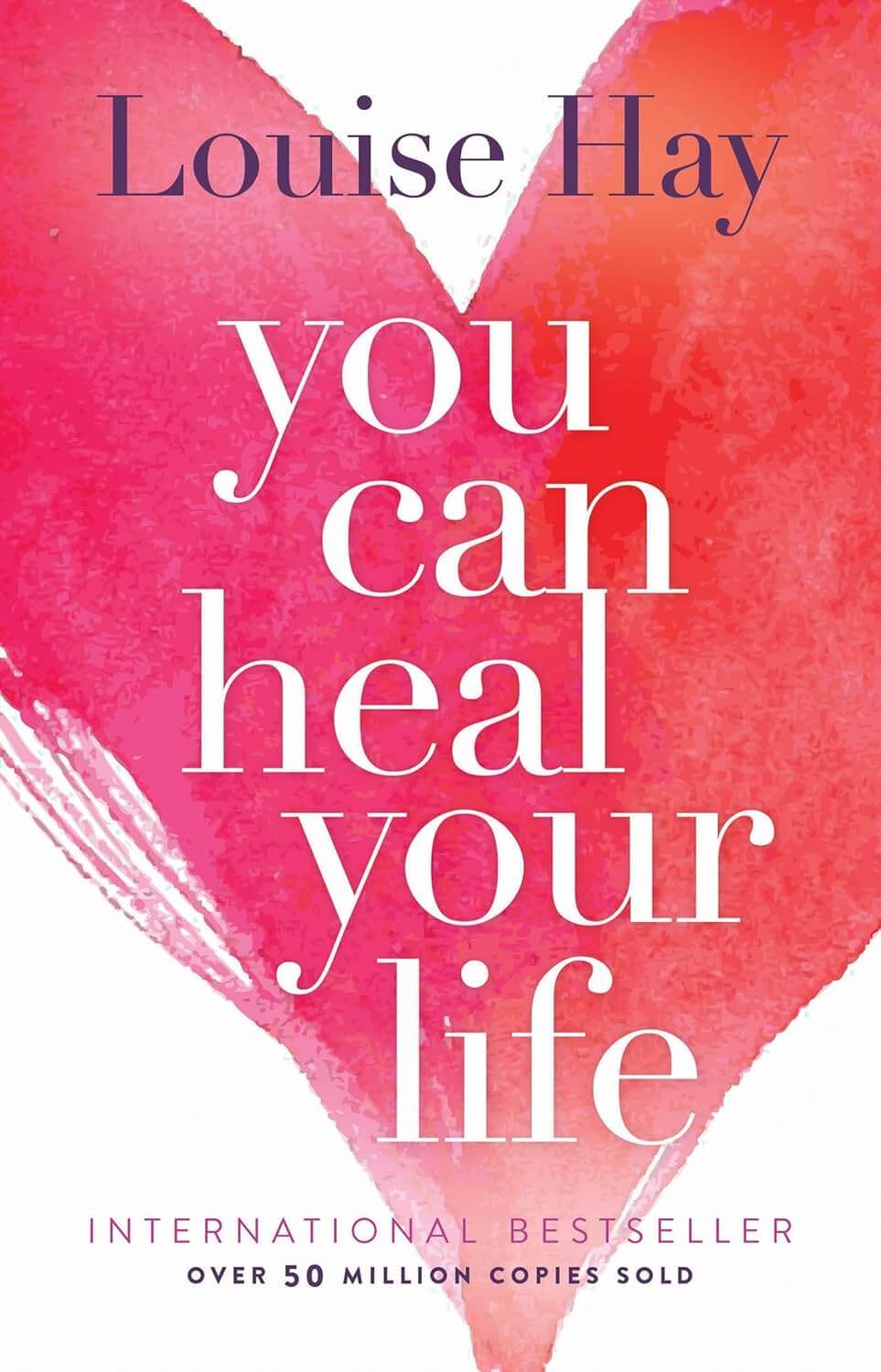
You Can Heal Your Life Book Summary
This You Can Heal Your Life Book Summary covers the key ideas, lessons, and takeaways in about 20 minutes.
The book’s enduring appeal lies in its empowerment. It tells readers they are not broken, doomed, or powerless. It insists that change begins within and that self-compassion is not a luxury but a necessity.
At the same time, its most extreme claims invite caution. While thoughts and emotions profoundly influence well-being, they do not replace medical care, structural change, or interpersonal accountability.
Taken as a whole, the book offers a powerful message: healing begins with awareness, grows through forgiveness, and flourishes through self-love. When approached with discernment, its core insight—that how we treat ourselves internally shapes how we live externally—remains deeply resonant.
Helps with these goals
Want the complete 20-minute summary?
- Full structured summary
- Video Summary
- Podcast Summary
- Audio summary
- Key takeaways
- Exercises
- Quiz
- Highlights and notes
- Ask the book with AI
What is in the You Can Heal Your Life book summary?
Below is a preview of Sumizeit’s expert-written summary of You Can Heal Your Life by Louise Hay. The full summary covers the book’s key ideas in text, audio, and video.
At the heart of Louise Hay’s You Can Heal Your Life is a bold and transformative claim: the way you think about yourself and the world does not merely influence your mood—it actively shapes your lived experience. Hay presents a worldview in which inner dialogue becomes the architect of external reality. According to her philosophy, emotional pain, relationship struggles, financial hardship, and even physical illness are not random or inevitable. Instead, they emerge from deeply held beliefs formed early in life, especially during childhood.
Hay invites readers to consider life as a mirror. What appears in that mirror—conflict, lack, illness, or fulfillment—is said to reflect the thoughts and beliefs we carry, often unconsciously. If those beliefs are rooted in fear, shame, resentment, or self-rejection, life will echo those patterns back to us. If they are rooted in love, acceptance, and compassion, reality itself can shift.
This premise sets the tone for the entire book. Hay does not frame her work as abstract philosophy or distant spirituality. She presents it as practical, experiential, and immediately applicable. The promise is radical: by changing how you think, you can change how you live.
The Origins of Pain: How Childhood Shapes Belief
Hay traces nearly all adult suffering back to early life experiences. Childhood, in her view, is the period during which belief systems are installed. Children, lacking the cognitive tools to question authority or context, absorb messages from parents, caregivers, teachers, and the broader environment as unquestionable truth.
When a child is criticized, ignored, shamed, or abused, those experiences do not remain isolated events. They crystallize into internal conclusions: “I am unlovable,” “I am unsafe,” “I don’t matter,” or “Something is wrong with me.” These conclusions then become the lens through which the adult perceives the world.
Hay emphasizes that this process is not about blaming parents or caregivers. Rather, it is about understanding how emotional conditioning occurs. Adults, she argues, often pass down pain unconsciously, repeating patterns they themselves inherited. A parent who withholds affection may have grown up without affection. A parent who criticizes may have been criticized relentlessly as a child.
The key insight is that these early messages do not fade with time. They operate quietly in the background, shaping decisions, relationships, self-esteem, and expectations. An adult who repeatedly finds themselves in dismissive relationships may not be “unlucky”—they may be unconsciously recreating a familiar emotional environment.
Belief as Blueprint: How Thoughts Become Experience
Once beliefs are formed, Hay argues, they function like filters. The mind selectively notices evidence that supports what it already believes while ignoring contradictory information. This means that two people can experience the same event and interpret it entirely differently based on their inner narrative.
If someone believes they are inadequate, they will remember criticism more vividly than praise. If someone believes life is hostile, they will interpret neutral events as threats. Over time, this selective attention reinforces the original belief, making it feel objectively true.
Hay goes further by asserting that thoughts do not merely…
Want the complete 20-minute summary?
- Full structured summary
- Video Summary
- Podcast Summary
- Audio summary
- Key takeaways
- Exercises
- Quiz
- Highlights and notes
- Ask the book with AI
Who should read You Can Heal Your Life?
You Can Heal Your Life is ideal for anyone struggling with self-doubt, relationship patterns, health challenges, or feelings of being stuck. This book particularly resonates with people open to exploring the emotional and psychological roots of their difficulties and willing to take responsibility for their inner transformation. It's also valuable for those interested in the mind-body connection and personal development philosophy.
Why does You Can Heal Your Life matter?
In a world where many people feel powerless or victimized by circumstances, Louise Hay's message that internal beliefs directly shape external reality offers both comfort and agency. The book has profoundly influenced modern wellness culture and the self-help movement, introducing millions to the idea that self-compassion and conscious thinking can catalyze real change. Its emphasis on emotional healing and self-worth remains relevant in addressing widespread struggles with anxiety, isolation, and low self-esteem.
What are the key themes in You Can Heal Your Life?
- Childhood beliefs as architects of adult experience
- The power of inner dialogue to shape reality
- Self-love and acceptance as foundations for healing
- Forgiveness as emotional liberation, not condoning harm
- Mind-body connection and emotional roots of illness
- Personal responsibility and reclaiming agency
- Affirmations and reprogramming subconscious patterns
What are the key lessons from the You Can Heal Your Life book summary?
Early beliefs become invisible filters
Childhood experiences and messages crystallize into core beliefs that operate quietly throughout adulthood, shaping how we interpret events, choose relationships, and perceive our worth.
Your inner narrative actively creates your experience
Rather than passively reflecting reality, the thoughts you repeat and beliefs you hold function as instructions that align your behavior, perception, and opportunities with that narrative.
Self-criticism perpetuates pain
Each harsh internal judgment reinforces beliefs of inadequacy and prevents growth; self-approval creates the emotional safety necessary for genuine transformation.
Affirmations must be present-tense and emotionally engaged
Effective affirmations bypass future thinking and address the subconscious directly by stating what is true now, reinforced through consistent repetition and genuine emotional investment.
Forgiveness is about reclaiming personal power
Holding onto blame externalizes your agency; forgiveness returns control by allowing you to disengage from narratives that keep you bound to past pain, without requiring contact or approval of harmful behavior.
Blame keeps you imprisoned in old patterns
When you believe others are responsible for your suffering, you surrender your ability to change; shifting responsibility inward enables actual transformation.
Willingness is the prerequisite for change
Before new beliefs can take root, you must be willing to release the old ones, even if they once served as comfort or protection.
Healing is holistic, not mechanical
While affirmations are central, sustainable transformation requires alignment across thoughts, physical care, emotional awareness, and spiritual openness rather than relying on any single technique.
Mirror work directly confronts self-rejection
Looking yourself in the eye and speaking affirmations aloud is designed to dissolve deeply ingrained patterns of self-rejection by making the practice immediate and embodied.
Chronic emotional patterns eventually manifest physically
Unresolved anger, resentment, and stress create internal tension that the body eventually expresses as illness, making emotional release a component of physical well-being.
Selective attention reinforces existing beliefs
Your mind unconsciously notices evidence supporting what you already believe while filtering out contradictory information, making beliefs feel objectively true over time.
You unconsciously recreate familiar emotional environments
Without awareness, adults often repeat relational patterns from childhood because those dynamics feel familiar, even when harmful, mistaking consistency for inevitability.
Generational pain is passed down unconsciously
Parents often transmit their own unhealed wounds to children without intention, creating cycles that can only be interrupted through conscious awareness and emotional work.
Abundance is fundamentally a mindset
Scarcity and prosperity are states of consciousness shaped by gratitude, generosity, and openness rather than external circumstances alone.
Self-love is the foundation, not the reward
Unconditional self-acceptance must come first as the ground from which healing and improvement naturally emerge, not as a prize for becoming better.
Emotional patterns in relationships reflect inner work needed
Repeated relationship conflicts often signal unresolved internal issues; cultivating self-acceptance changes the dynamics you attract and accept.
Understanding others' wounds softens rigid judgment
Recognizing that people who caused harm likely inherited their own pain creates space for forgiveness without excusing the behavior.
There is no single correct healing path
Different people resonate with different methods; healing is a personal journey requiring you to discover what works for your unique circumstances rather than following a rigid formula.
Present-moment awareness reveals unconscious patterns
By noticing what you think, feel, and attract now, you can identify the beliefs operating in the background and begin to shift them intentionally.
Want the complete 20-minute summary?
- Full structured summary
- Video Summary
- Podcast Summary
- Audio summary
- Key takeaways
- Exercises
- Quiz
- Highlights and notes
- Ask the book with AI
How can you apply ideas from You Can Heal Your Life?
- Create personalized affirmations targeting your specific self-limiting beliefs and repeat them daily until they feel natural
- Practice mirror work by looking at yourself and speaking loving affirmations aloud to confront and dissolve self-rejection
- Identify a relationship pattern that repeats and trace it back to childhood messages to understand what belief is driving it
- Write down your scarcity thoughts about money or success, then deliberately replace them with abundance-focused statements and notice opportunities that emerge
- Use forgiveness visualization exercises to release resentment toward specific people, focusing on the internal freedom gained rather than reconciliation
- Align daily habits with your desired identity through actions that reinforce new beliefs about yourself
- Create a wellness practice combining meditation, healthy eating, and positive self-talk to support mind-body coherence
What common mistakes do readers make with You Can Heal Your Life?
- Using affirmations in future tense ('I will be confident') instead of present tense, which keeps desired states perpetually out of reach
- Treating affirmations as a standalone solution without also examining underlying beliefs and making behavioral changes
- Using Hay's teachings to avoid medical care or professional help, particularly for serious health conditions that require clinical intervention
- Interpreting illness solely through emotional causation and blaming yourself for disease rather than understanding complex multifactorial origins
- Expecting rapid transformation without the consistent, patient repetition and emotional engagement that actual change requires
Sumizeit Exercises Apply what you've learned
Turn ideas from You Can Heal Your Life into action with a short guided reflection: identify the biggest takeaway, connect it to your life, and commit to one step you can take in the next 24 hours.
What is the expert analysis of You Can Heal Your Life?
Overview
You Can Heal Your Life is a seminal work by Louise Hay, a pioneering figure in the self-help and wellness movement. Hay’s influence extends beyond this book through her founding of Hay House, a publishing platform that has shaped contemporary personal growth literature. The book’s significance lies in its bold assertion that the mind’s internal dialogue not only influences emotional states but actively shapes physical health and life circumstances. Emerging from her own traumatic childhood and personal healing journey, Hay presents a philosophy that integrates psychological insight with spiritual and holistic healing practices, making her work a foundational text in mind-body wellness.
Core Thesis
At the heart of Hay’s argument is the conviction that deeply held beliefs—especially those formed in childhood—serve as blueprints for one’s lived experience. These subconscious narratives create a feedback loop whereby negative self-perceptions manifest as emotional, relational, financial, and physical difficulties. Conversely, by consciously rewriting these internal scripts through affirmations, forgiveness, and self-love, individuals can transform their external realities. Hay posits that healing is not merely a physical or psychological process but a holistic re-alignment of thought, emotion, and body, emphasizing personal agency in overcoming inherited pain and limiting beliefs.
Strengths
- Integrative Approach: Hay’s synthesis of psychology, spirituality, and holistic health practices offers a comprehensive framework that resonates with diverse audiences seeking self-improvement beyond conventional therapy.
- Empowerment and Compassion: The book’s core message promotes radical self-acceptance and compassion, countering pervasive cultural narratives of blame and inadequacy.
- Practical Tools: Techniques such as affirmations, mirror work, and forgiveness exercises provide accessible, actionable methods for readers to engage with their inner transformation.
- Personal Narrative: Hay’s candid recounting of her own struggles and healing lends emotional authenticity and relatability, grounding abstract concepts in lived experience.
- Cultural Impact: The book helped catalyze the modern self-help movement, influencing countless authors and practitioners in the realms of mental health, spirituality, and wellness.
Critiques & Counterarguments
- Empirical Limitations: Hay’s claims about thoughts directly causing physical illness, while evocative, lack rigorous scientific validation. Contemporary research supports psychosomatic interactions but cautions against oversimplification of complex diseases.
- Risk of Blame: The emphasis on personal belief as the root of suffering risks implying that individuals are responsible for their misfortunes, potentially marginalizing those facing systemic barriers or serious medical conditions.
- Medical Oversimplification: Hay’s interpretations of illnesses such as cancer or HIV/AIDS have been criticized for undermining the necessity of conventional medical treatment, which could have harmful real-world consequences.
- Competing Psychological Models: Cognitive-behavioral therapy (CBT) and trauma-informed approaches offer evidence-based frameworks that acknowledge the complexity of belief systems without attributing causality solely to thought patterns.
- Cultural and Social Context: The book largely individualizes healing, often neglecting structural and sociocultural factors that shape health and well-being, an omission that limits its applicability in broader social justice contexts.
Who Should Read This
This book is ideally suited for readers interested in the intersection of psychology, spirituality, and self-improvement who are open to exploring the mind-body connection from a holistic perspective. It appeals to those seeking empowerment through self-reflection and practical tools for emotional healing. Therapists, wellness practitioners, and individuals drawn to affirmations and metaphysical approaches will find value in Hay’s accessible style and compassionate worldview. However, readers should approach the book with critical discernment, especially those dealing with serious health issues or seeking evidence-based medical advice.
Frequently asked questions about the You Can Heal Your Life book summary
What is You Can Heal Your Life about?
You Can Heal Your Life by Louise Hay presents the idea that your thoughts, beliefs, and inner dialogue directly shape your lived experience and can ultimately heal physical, emotional, and relational suffering. The book teaches that childhood beliefs form the foundation for adult patterns, and through affirmations, forgiveness, and self-love, you can reprogram your subconscious and transform your life. Hay combines personal narrative with practical techniques to show how inner change creates outer change.
Who should read You Can Heal Your Life?
Anyone struggling with self-doubt, limiting beliefs, relationship patterns, or health challenges who is open to exploring the emotional roots of their struggles will find value in this book. It's particularly useful for people interested in the mind-body connection, personal responsibility, and self-help philosophy. The book appeals to those seeking practical tools for building self-compassion and breaking unconscious cycles.
What are the main takeaways from You Can Heal Your Life?
The core takeaways are: your beliefs, formed early in life, actively shape your reality through selective attention and unconscious behavior patterns; affirmations in present tense, combined with genuine willingness, can reprogram deeply held thoughts; forgiveness is about reclaiming personal power rather than condoning harm; and self-love and self-acceptance are the foundation from which all healing grows. The book emphasizes that change begins internally through awareness and compassion toward yourself.
How do affirmations work according to Louise Hay?
Hay explains that affirmations work by interrupting negative thought patterns and sending new instructions to your subconscious mind through repetition. Stated in present tense (such as 'I am worthy') rather than future tense, affirmations bypass the rational mind and directly reprogram beliefs the same way they were installed during childhood. Consistency, emotional engagement, and genuine willingness are essential for affirmations to create lasting change.
What is the connection between emotions and physical illness in You Can Heal Your Life?
Hay argues that chronic emotional patterns like resentment, anger, and self-criticism create internal stress that eventually manifests as physical illness. She presents her own cancer diagnosis as evidence that releasing emotional burdens and replacing self-criticism with forgiveness and self-love can support physical healing. While modern medicine recognizes that stress and emotions influence health outcomes, Hay's interpretation of emotional causation as the primary driver of disease is more controversial and should not replace medical care.
How does childhood trauma shape adult beliefs according to Hay?
In You Can Heal Your Life, Hay explains that children absorb messages from parents, caregivers, and their environment as unquestionable truth without the cognitive tools to question them. Negative experiences like criticism, neglect, or abuse crystallize into core beliefs such as 'I am unlovable' or 'I don't matter,' which then operate invisibly throughout adulthood, shaping relationships, self-esteem, and how people interpret events.
What role does forgiveness play in Louise Hay's approach to healing?
In You Can Heal Your Life, forgiveness is presented not as moral absolution or reconciliation but as emotional liberation. Hay frames forgiveness as releasing yourself from the prison of blame and resentment, which returns your personal power and allows you to break free from past narratives. Importantly, forgiveness is an internal process for your own healing and does not require continued contact with or approval of the person who caused harm.
About Sumizeit
Sumizeit is a profitable Scomy LLC company based in Miami, Florida. It has been helping readers learn from nonfiction books for 7 years with expert-written summaries in text, audio, podcast, and video.
Want the complete 20-minute summary?
- Full structured summary
- Video Summary
- Podcast Summary
- Audio summary
- Key takeaways
- Exercises
- Quiz
- Highlights and notes
- Ask the book with AI
Here's why readers love Sumizeit
Join thousands of learners getting smarter every day
"Great experience. Detailed summaries. Loved the gamification feature. Makes learning fun. Good customer service. I recommend Sumizeit to anyone. You'll learn a lot."
"I always felt busy but still wanting to keep up with the book discussion in my friend group. This was a great supplement to help me keep reading the books I find fun while keeping up with important books."
"I love this website. Instead of scrolling social media, I find myself learning a lot. I use it everyday. I recommend this app for anyone who is too busy and wants to get up to speed with their favorite books."
You Can Heal Your Life Book Summary PDF
Looking for a You Can Heal Your Life Book Summary PDF you can save and revisit offline? Our You Can Heal Your Life Book Summary PDF captures the book’s core ideas in a clean, printable format — the key frameworks, takeaways, and structure without the fluff. Download the You Can Heal Your Life Book Summary PDF when you want a reference you can annotate, share with your team, or review on the go. Get your You Can Heal Your Life Book Summary PDF from the download page below.
Download You Can Heal Your Life Book Summary PDFPeople also liked these summaries
Readers who explored You Can Heal Your Life often enjoyed these titles next.


Want the complete 20-minute summary?
- Full structured summary
- Video Summary
- Podcast Summary
- Audio summary
- Key takeaways
- Exercises
- Quiz
- Highlights and notes
- Ask the book with AI
Featured Book Titles
Popular Book Summaries at sumizeit, leading book summary app