


As an Amazon Associate, Sumizeit earns from qualifying purchases.
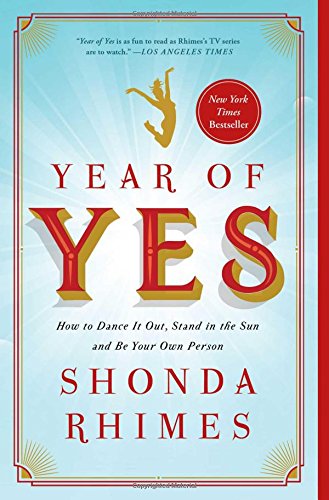
Year of Yes Book Summary
This Year of Yes Book Summary covers the key ideas, lessons, and takeaways in about 20 minutes.
In "Year of Yes," Rhimes shares her realization that she had been living in a state of fear and self-imposed limitations. Inspired by a simple challenge from her sister to say "yes" to everything for a year, Rhimes embarks on a transformative journey of personal growth and empowerment.
Throughout the book, Rhimes recounts the various situations and events she said "yes" to, including public speaking engagements, accepting compliments, and even appearing on talk shows. She shares the impact these experiences had on her confidence, relationships, and overall happiness.
"Year of Yes" is not just a memoir but also an inspiring call to action for readers to examine their own lives and consider the possibilities that open up when they embrace new opportunities. Rhimes' story encourages readers to step out of their comfort zones, challenge self-doubt, and live a more authentic and fulfilling life.
Helps with these goals
Want the complete 20-minute summary?
- Full structured summary
- Video Summary
- Podcast Summary
- Audio summary
- Key takeaways
- Exercises
- Quiz
- Highlights and notes
- Ask the book with AI
What is in the Year of Yes book summary?
Below is a preview of Sumizeit’s expert-written summary of Year of Yes by Shonda Rhimes. The full summary covers the book’s key ideas in text, audio, and video.
“You never say yes to anything.”
These are the six words said by her sister that led to Shonda Rhimes spending the entire next year saying yes to any and every opportunity that she feared or resisted. Saying no got her in her present situation: wildly successful yet authentically miserable. She therefore reasoned that saying yes to anything and everything might be a way to get to a better place within herself. If saying yes did not get her somewhere better, it would get her somewhere different.
When continuing to say no is leading to nowhere and standing still is no longer an option, say yes...to everything.
If we lack within ourselves what it takes to take chances, we need someone else to give us a push. It took having her sister tell her she never says yes to anything to give Rhimes the push she needed to do something different.
As a self-professed liar and storyteller, Rhimes found grave difficulty in getting honest with herself about her fear of saying yes to new opportunities.
Saying no meant there was nothing new to fear.
Saying yes also meant accepting compliments. Prior to her year of yes, Rhimes would modestly downplay the compliments of others. Her year of saying yes led her to realize it’s alright to enjoy the praise of others.
Success and accolades do not equal self-acceptance and fulfillment.
Feeling beautiful comes with loving your body and making a commitment to saying yes to doing what is best for it. Rhimes was able to lose over 120lbs by saying yes to exercise and clean eating.
Sometimes saying yes means saying ‘no’: making difficult decisions and having tough conversations is important for healthy relationships. Say no to those who are depleting you.
Yes means engaging in authentic friendships by ending ties with toxic people in our lives.
The year of yes taught Rhimes how to love and trust her own authentic self by embracing challenges.
Tools for Saying Yes
Say YES to Play: become comfortable with choosing relaxation and leisure over work.
Say YES to prioritizing your personal and professional boundaries. For Rhimes, this meant adding a statement to her email signature letting recipients know she will not engage in work emails after 7pm or on weekends. The clause also encouraged her employees to put down their phones (and do the same).
Say YES to joining the club: this may mean partaking in activities as a minority or as a woman, that are opportunities to break through barriers of perceived exclusivity in order to be an agent of impact on that organization.
Saying YES to asserting yourself in difficult conversations by saying NO.
Saying YES to seeing people not how you want them to appear, but as they are in their own authenticity. Weed out people from your inner circle if they don’t live up to your standards and values.
“Dance it out” is a reference to the final scene of Shonda’s television show Grey’s Anatomy Season 10, where characters…
Want the complete 20-minute summary?
- Full structured summary
- Video Summary
- Podcast Summary
- Audio summary
- Key takeaways
- Exercises
- Quiz
- Highlights and notes
- Ask the book with AI
Who should read Year of Yes?
Year of Yes is for anyone feeling stuck in a cycle of fear-based decision-making or success that doesn't feel fulfilling. Whether you're a high achiever struggling with perfectionism, someone afraid to take interpersonal risks, or anyone seeking greater authenticity in their life, Shonda Rhimes' memoir offers a roadmap for breaking through self-imposed limitations.
Why does Year of Yes matter?
In a culture that often rewards saying no to protect ourselves, Year of Yes challenges us to reconsider how fear shapes our choices and prevents genuine fulfillment. Rhimes demonstrates that external success means little without internal alignment, making this book especially relevant for anyone juggling career ambition with personal well-being.
What are the key themes in Year of Yes?
- Overcoming fear through deliberate action
- The gap between external success and internal fulfillment
- Authenticity and self-acceptance
- Setting boundaries while staying open
- The power of community and breaking through exclusivity
- Physical health as an act of self-love
What are the key lessons from the Year of Yes book summary?
Saying No Got You Here
A lifetime of cautious decisions and fear-based refusals can land you at professional success while emotionally unfulfilled. Recognizing this pattern is the first step toward change.
You Need External Permission Sometimes
We often lack the internal courage to shift our behavior alone. Sometimes hearing hard truth from someone close to us—like Rhimes' sister pointing out her pattern—provides the catalyst we need.
Storytellers Have Trouble with Truth
Those skilled at crafting narratives for others may struggle to be honest about their own fears and motivations. Self-awareness requires breaking through the stories we tell ourselves.
Safety Through Avoidance Is an Illusion
Saying no eliminates the fear of new risks, but it also eliminates growth, change, and the possibility of discovering who you really are beyond your limitations.
Accept Compliments as Part of Self-Love
Deflecting praise is a form of self-rejection. Learning to graciously accept compliments is essential to building authentic self-acceptance and resilience.
Achievements Don't Guarantee Happiness
Awards, accolades, and career success can coexist with misery if your internal world hasn't evolved. External validation is not a substitute for personal fulfillment.
Your Body Deserves Yes Too
Saying yes to physical health—exercise, clean eating, movement—is not a punishment or vanity project but an act of honoring and loving yourself.
Sometimes Yes Means Saying No
True commitment to yourself requires difficult conversations and the courage to end relationships that drain rather than nourish you. Boundaries are acts of self-care, not selfishness.
Toxic Relationships Are Not Negotiable
Surrounding yourself with authentic people who align with your values is non-negotiable for genuine happiness. It's acceptable to outgrow and distance yourself from those who don't.
Authenticity Is a Practice, Not a Destination
Learning to trust and love your authentic self is an ongoing process that deepens through facing challenges and saying yes to growth.
Play Is Essential, Not Frivolous
Relaxation, leisure, and joy are not luxuries to be earned after productivity—they are vital to your well-being and deserve intentional time and space.
Boundaries Protect Your Energy
Clear professional boundaries, like limiting work emails to business hours, aren't selfish; they give you permission to be fully present in your personal life.
Breaking Exclusivity Starts with You
When you say yes to spaces where you feel like an outsider, you become an agent of change and help dismantle barriers for others who come after you.
Assertiveness Requires Practice
Speaking truth in difficult conversations is uncomfortable, but it's essential for healthy relationships and honoring your own needs.
See People as They Are, Not as You Want Them to Be
Growth includes accepting people's authentic selves rather than projecting your expectations onto them. This clarity helps you choose who truly belongs in your inner circle.
Dance Through the Hard Moments
Rhimes' metaphor of 'dancing it out' means facing difficulties with grace, joy, and intentionality rather than resistance, finding moments of light even in transition and pain.
Fear Is Not a Disqualifier
Doing things that frighten you doesn't mean you're broken or unprepared; it means you're growing and expanding beyond your current limitations.
Different Can Be Better Than Staying the Same
When your current path isn't working, choosing something different—even without guaranteed success—opens the door to unexpected transformation.
Want the complete 20-minute summary?
- Full structured summary
- Video Summary
- Podcast Summary
- Audio summary
- Key takeaways
- Exercises
- Quiz
- Highlights and notes
- Ask the book with AI
How can you apply ideas from Year of Yes?
- Create a written list of things you avoid or fear, then commit to saying yes to at least one per week over the next month
- Set specific boundaries around work communication (like email cutoff times) and communicate them clearly to colleagues and leadership
- Practice accepting compliments by simply saying 'thank you' without self-deprecation or explanation
- Audit your inner circle and identify relationships that deplete rather than nourish you, then create a plan to distance yourself from those people
- Schedule dedicated time for play and leisure activities without guilt, treating them as non-negotiable appointments with yourself
- Identify one exclusive space or community where you feel like an outsider and commit to participating or joining
- Practice having one difficult conversation this month where you assertively state your needs or set a necessary boundary
What common mistakes do readers make with Year of Yes?
- Confusing saying yes to everything with having no boundaries—the book actually emphasizes that strategic nos are part of the practice
- Expecting immediate transformation from one year of yes rather than understanding this as the beginning of a lifelong practice of growth
- Saying yes to opportunities that don't align with your values or that come from a place of seeking approval rather than genuine interest
- Neglecting to examine which nos are rooted in genuine self-protection versus which are rooted in unfounded fear
Sumizeit Exercises Apply what you've learned
Turn ideas from Year of Yes into action with a short guided reflection: identify the biggest takeaway, connect it to your life, and commit to one step you can take in the next 24 hours.
What is the expert analysis of Year of Yes?
Overview
Year of Yes is authored by Shonda Rhimes, a prolific television producer and screenwriter renowned for creating cultural phenomena such as Grey’s Anatomy, Scandal, and Private Practice. This memoir-cum-self-improvement manifesto chronicles Rhimes’s transformative journey of embracing vulnerability and opportunity by saying “yes” to experiences she would normally avoid. The significance of the book lies in its candid exploration of personal growth from the vantage point of a highly successful yet inwardly conflicted creative powerhouse. Rhimes’s narrative offers a rare glimpse into the emotional and psychological barriers that even the most accomplished individuals face, making it a compelling read for those interested in the intersections of creativity, self-acceptance, and empowerment.
Core Thesis
The central argument of Year of Yes is that habitual refusal—saying “no” to challenges, opportunities, and even compliments—can imprison individuals in a state of stagnation and dissatisfaction. Rhimes posits that deliberately choosing to say “yes” to fear-inducing opportunities, personal challenges, and authentic self-expression can catalyze profound transformation. This practice not only expands one’s external experiences but also fosters internal acceptance and resilience. Importantly, Rhimes nuances this thesis by acknowledging that “yes” sometimes entails saying “no” to toxic relationships and unhealthy patterns, underscoring the complexity of authentic boundary-setting as part of personal growth.
Strengths
- Authenticity and Vulnerability: Rhimes’s openness about her struggles with self-doubt, fear, and body image lends the narrative an emotional depth that resonates beyond typical self-help platitudes.
- Practical Frameworks: The book offers concrete tools for readers—such as setting boundaries, embracing play, and confronting difficult conversations—that ground the memoir’s insights in actionable strategies.
- Cultural Relevance: As a leading figure in television, Rhimes’s reflections carry weight in discussions about women’s empowerment, minority representation, and the pressures of public success.
- Integration of Personal and Professional Growth: The book skillfully intertwines Rhimes’s career challenges with her personal evolution, illustrating how professional success does not preclude internal struggles.
- Engaging Storytelling: Leveraging her narrative expertise, Rhimes crafts a compelling, relatable story that invites readers into her world without alienation or excessive self-aggrandizement.
Critiques & Counterarguments
- Overgeneralization of “Yes” Philosophy: While the premise of saying “yes” to opportunities is empowering, it risks oversimplifying complex psychological and social dynamics. Not all situations benefit from acquiescence, and the book’s framing may inadvertently encourage impulsivity rather than thoughtful discernment.
- Limited Engagement with Broader Psychological Research: The memoir largely relies on personal anecdote rather than integrating robust empirical studies on risk-taking, boundary-setting, or self-acceptance, which could provide a more nuanced understanding.
- Potential Neglect of Structural Barriers: Rhimes’s narrative centers on individual agency but less so on systemic factors—such as race, gender, and socioeconomic status—that constrain opportunities for many readers. This may limit the applicability of her “yes” strategy across diverse contexts.
- Contrasting Schools of Thought: Psychological frameworks emphasizing cautious risk assessment and the value of saying “no” to preserve mental health challenge Rhimes’s advocacy for broad “yes” acceptance. For example, cognitive-behavioral approaches often stress the importance of selective engagement rather than blanket affirmation.
- Real-World Evidence on Burnout: In high-pressure careers, saying “yes” indiscriminately can lead to burnout, a phenomenon well-documented in occupational psychology. Rhimes’s success may not be easily replicable for all, especially without robust support systems.
Who Should Read This
Year of Yes is ideally suited for readers who find themselves trapped by fear, perfectionism, or habitual avoidance—particularly creative professionals, women navigating leadership roles, and those seeking to reconcile external success with internal fulfillment. It offers inspiration and practical guidance for individuals ready to challenge their comfort zones and embrace vulnerability. However, readers seeking a rigorous psychological treatise or systemic critique may find the book’s scope more personal and anecdotal than analytical. Ultimately, Rhimes’s memoir serves as a powerful catalyst for self-reflection and courage in the pursuit of authenticity.
Frequently asked questions about the Year of Yes book summary
What is Year of Yes about?
Year of Yes by Shonda Rhimes is a memoir about the author's transformative year of saying yes to opportunities she would normally refuse out of fear. After her sister told her she never says yes to anything, Rhimes committed to accepting invitations, taking risks, and challenging her own self-imposed limitations, discovering that her success and accolades had masked deeper unhappiness and inauthenticity.
Who should read Year of Yes?
Year of Yes is ideal for ambitious professionals, high achievers, and anyone feeling stuck in patterns of fear-based decision-making despite external success. It's particularly valuable for those struggling with perfectionism, difficulty accepting compliments, or feeling disconnected from their authentic selves.
What are the main takeaways from Year of Yes?
The main takeaways include recognizing how fear-based nos can trap you despite success, understanding that true fulfillment requires internal alignment not just external achievement, learning to set healthy boundaries while staying open to growth, and practicing authenticity by surrounding yourself with genuine people and honoring your own needs. The book emphasizes that transformation comes through deliberate action, not waiting for the right conditions.
How can I apply Year of Yes principles to my life?
Start by identifying specific things you regularly say no to from fear rather than genuine self-protection. Create a practice of saying yes to at least one challenging opportunity per week, set clear boundaries around work and personal time, practice accepting compliments gracefully, and audit your relationships to ensure they align with your values and contribute positively to your life.
Does Year of Yes mean saying yes to everything without boundaries?
No—Rhimes emphasizes that sometimes saying yes to yourself means saying no to people and situations that drain you. True yes means being intentional about your choices and boundaries rather than people-pleasing or abandoning self-care.
What does 'dance it out' mean in Year of Yes?
Dancing it out is Shonda Rhimes' metaphor for gracefully moving through difficult transitions and challenges with intention, grace, and moments of joy rather than resistance. The phrase comes from her TV show Grey's Anatomy and represents finding light and celebration even in sadness or struggle.
Can Year of Yes help with physical health and wellness?
Yes—Rhimes discusses how saying yes to exercise and healthy eating became acts of self-love rather than punishment, leading her to lose over 120 pounds. The book frames physical health as part of the broader practice of honoring and accepting your authentic self.
About Sumizeit
Sumizeit is a profitable Scomy LLC company based in Miami, Florida. It has been helping readers learn from nonfiction books for 7 years with expert-written summaries in text, audio, podcast, and video.
Want the complete 20-minute summary?
- Full structured summary
- Video Summary
- Podcast Summary
- Audio summary
- Key takeaways
- Exercises
- Quiz
- Highlights and notes
- Ask the book with AI
Here's why readers love Sumizeit
Join thousands of learners getting smarter every day
"Great experience. Detailed summaries. Loved the gamification feature. Makes learning fun. Good customer service. I recommend Sumizeit to anyone. You'll learn a lot."
"I always felt busy but still wanting to keep up with the book discussion in my friend group. This was a great supplement to help me keep reading the books I find fun while keeping up with important books."
"I love this website. Instead of scrolling social media, I find myself learning a lot. I use it everyday. I recommend this app for anyone who is too busy and wants to get up to speed with their favorite books."
Year of Yes Book Summary PDF
Looking for a Year of Yes Book Summary PDF you can save and revisit offline? Our Year of Yes Book Summary PDF captures the book’s core ideas in a clean, printable format — the key frameworks, takeaways, and structure without the fluff. Download the Year of Yes Book Summary PDF when you want a reference you can annotate, share with your team, or review on the go. Get your Year of Yes Book Summary PDF from the download page below.
Download Year of Yes Book Summary PDFPeople also liked these summaries
Readers who explored Year of Yes often enjoyed these titles next.




Want the complete 20-minute summary?
- Full structured summary
- Video Summary
- Podcast Summary
- Audio summary
- Key takeaways
- Exercises
- Quiz
- Highlights and notes
- Ask the book with AI
Featured Book Titles
Popular Book Summaries at sumizeit, leading book summary app