


As an Amazon Associate, Sumizeit earns from qualifying purchases.
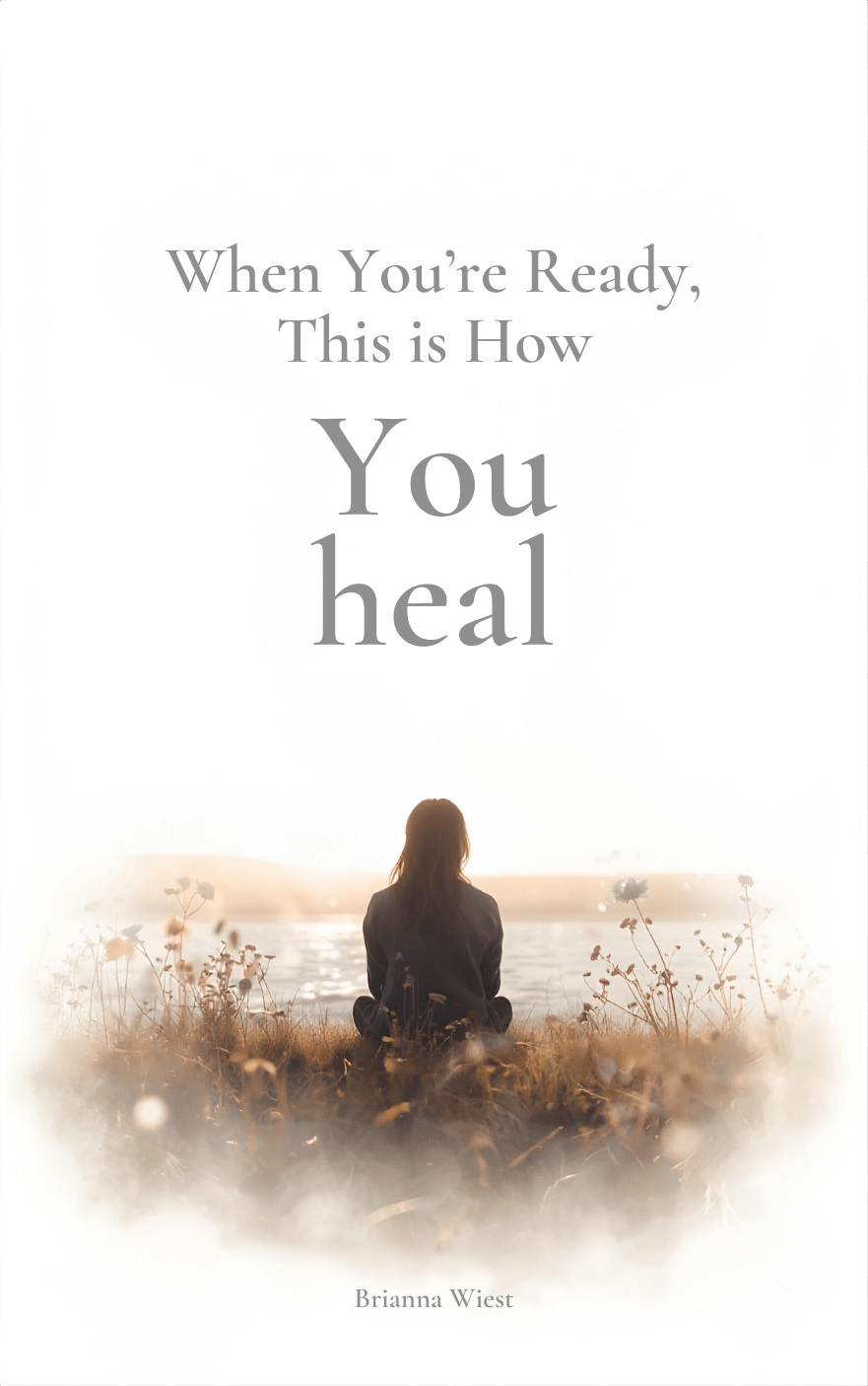
When You’re Ready, This Is How You Heal Book Summary
This When You’re Ready, This Is How You Heal Book Summary covers the key ideas, lessons, and takeaways in about 20 minutes.
The journey of healing transforms how one relates to fear, identity, and purpose. By releasing outdated attachments and learning to trust inner guidance, life becomes less about control and more about presence. Healing does not make life perfect — it makes it honest, grounded, and deeply meaningful.
Helps with these goals
Want the complete 20-minute summary?
- Full structured summary
- Video Summary
- Podcast Summary
- Audio summary
- Key takeaways
- Exercises
- Quiz
- Highlights and notes
- Ask the book with AI
What is in the When You’re Ready, This Is How You Heal book summary?
Below is a preview of Sumizeit’s expert-written summary of When You’re Ready, This Is How You Heal by Brianna Wiest. The full summary covers the book’s key ideas in text, audio, and video.
Healing is not something that arrives all at once, nor is it a destination that can be checked off and forgotten. Instead, it unfolds gradually, reshaping a person over time. The book presents healing as an ongoing relationship with oneself — one that evolves as life continues to introduce change, loss, clarity, and renewal.
Rather than viewing healing as “fixing what is broken,” the process is described as returning to what is authentic. People are not damaged beyond repair; they are simply disconnected from who they truly are beneath learned behaviors, survival patterns, and outdated identities. Healing becomes the act of remembering rather than reinventing.
This journey requires participation. It does not happen through avoidance or distraction but through engagement — with emotions, memories, present circumstances, and internal dialogue. Healing asks individuals to stay awake in their lives, even when doing so feels uncomfortable.
Progress often occurs quietly. There may be no dramatic breakthrough moment, no clear finish line. Instead, healing shows itself in subtle shifts: choosing peace instead of chaos, honesty instead of denial, or rest instead of self-punishment. Over time, these small changes compound into a transformed inner life.
How Disruption Forces Inner Change
Significant transformation rarely begins during periods of comfort. More often, it starts when something falls apart — a relationship ends, a sense of identity dissolves, or a future once imagined becomes unreachable. These disruptions feel devastating, yet they often serve as the entry point to healing.
Loss strips away illusion. When external structures collapse, people are forced to confront what they were relying on for stability. What once felt like safety may reveal itself as limitation. In this forced stillness, truths emerge that were previously buried beneath routine or distraction.
Moments of upheaval often expose internal patterns that no longer serve growth. People may realize they have been living to please others, chasing approval, or remaining in environments that shrink them. While painful, these realizations create the conditions necessary for change.
Disruption invites solitude — not as punishment, but as space. In the quiet aftermath of loss, individuals can hear themselves again. They begin to recognize what they genuinely want, what drains them, and what no longer aligns with who they are becoming.
Healing does not mean eliminating grief. It means allowing grief to guide transformation instead of resisting it. Loss becomes a teacher, pointing toward a more honest life.
Releasing What No Longer Reflects Who You Are
Letting go is one of the most difficult aspects of healing because it requires releasing familiarity. People often cling not because something is good for them, but because it is known. The mind prefers predictability, even when that predictability causes pain.
The book emphasizes that growth stalls when individuals remain attached to versions of life that no longer exist. Holding onto old identities, past roles, or imagined futures prevents full engagement with the present.
Letting go is not a single decision. It is a repeated practice. One may intellectually understand the need to move forward yet…
Want the complete 20-minute summary?
- Full structured summary
- Video Summary
- Podcast Summary
- Audio summary
- Key takeaways
- Exercises
- Quiz
- Highlights and notes
- Ask the book with AI
Who should read When You’re Ready, This Is How You Heal?
When You're Ready, This Is How You Heal is for anyone navigating loss, identity shifts, or the quiet desperation of feeling disconnected from themselves. Whether you're recovering from a breakup, career upheaval, or simply sensing that something in your life needs to change, this book speaks to those ready to do the internal work that real transformation requires. It's especially valuable for people who've tried quick fixes and are now ready for a slower, deeper path to healing.
Why does When You’re Ready, This Is How You Heal matter?
In a world that constantly demands productivity, positivity, and rapid recovery, Brianna Wiest's framework offers permission to heal at your own pace without shame. This book matters because it reframes healing not as fixing what's broken, but as reconnecting with your authentic self—a distinction that changes everything about how you approach personal growth. At a time when anxiety, burnout, and disconnection are epidemic, learning to witness your emotions, release outdated identities, and trust yourself becomes not just helpful but essential.
What are the key themes in When You’re Ready, This Is How You Heal?
- Healing as ongoing relationship with oneself rather than a destination
- How disruption and loss catalyze authentic transformation
- Releasing familiar patterns that no longer serve your growth
- Rebuilding identity from internal values rather than external validation
- Emotions as guides and information, not obstacles
- Moving beyond inherited conditioning and unconscious patterns
- Self-acceptance and compassion as foundations for real change
- Trust and courage as antidotes to fear-based control
What are the key lessons from the When You’re Ready, This Is How You Heal book summary?
Healing unfolds gradually, not all at once
Real transformation happens through small, cumulative shifts rather than dramatic breakthroughs. Progress often appears subtle—choosing peace over chaos, honesty over denial—but these quiet choices compound into profound inner change over time.
Disruption is often the entry point to healing
Loss, failed plans, and identity dissolution feel devastating, but they strip away illusion and force honest self-examination. These moments of upheaval expose patterns that no longer serve you and create space for authentic change.
Letting go requires releasing what feels familiar, not just what's harmful
The mind clings to predictability even when it causes pain. Healing means repeatedly practicing release—intellectually understanding the need to move forward while allowing grief to coexist with progress.
Identity must be rebuilt from the inside, not borrowed from circumstance
When external labels like achievement, relationships, or approval define you, losing them leaves you lost. True identity emerges through solitude and honest self-inquiry about what genuinely matters to you.
Emotions are information, not failure
Rather than obstacles to overcome, feelings like sadness, anger, and fear signal unmet needs or misalignment. Witnessing emotions without judgment reveals their message and transforms pain into wisdom.
Avoiding emotions prolongs suffering indefinitely
Suppressed feelings don't disappear; they resurface as anxiety, numbness, or burnout. Healing requires sitting with discomfort long enough to understand what it's trying to teach you.
Much of your behavior is inherited, not chosen
Family dynamics, societal expectations, and past experiences shaped your beliefs before you questioned them. Bringing these patterns into awareness allows you to distinguish between instinct and conditioning, creating genuine choice.
Worth is inherent, not earned through perfection
Once you internalize that your value doesn't depend on achievement or approval, external validation loses its grip. This realization fundamentally shifts how you relate to yourself and others.
Self-compassion creates safety for lasting change
People evolve most effectively when they feel safe within themselves. Shame-based self-improvement fails because it's rooted in the belief that you're fundamentally flawed—but acceptance creates the internal safety where growth naturally unfolds.
Imperfection doesn't diminish your value
Self-acceptance means acknowledging your limitations alongside your strengths. Being human means being imperfect, and that reality doesn't make you less worthy of respect—including self-respect.
Trust allows movement despite fear, not in its absence
Courage isn't fearlessness; it's continuing forward anyway. When you shift from trying to control outcomes to trusting your ability to adapt, uncertainty becomes less paralyzing.
Mistakes are information, not catastrophe
Growth rarely happens without missteps. What matters is not achieving perfection but participating fully in your life and learning from what unfolds.
Resistance often signals that growth is near
When change approaches, discomfort typically intensifies. This is not a sign to retreat but evidence that transformation is close. Moving through resistance rather than waiting for comfort is how breakthroughs happen.
Small acts of courage compound over time
Speaking honestly, setting boundaries, and trying again after disappointment are daily practices of bravery. Each courageous choice reinforces self-belief and gradually replaces fear with confidence.
Meaning lives in ordinary moments, not grand missions
Purpose isn't something you find through striving; it emerges through presence. Being fully engaged in daily life—listening deeply, showing kindness, offering understanding—creates fulfillment that no achievement alone can match.
Your healing influences others without instruction
Personal growth doesn't occur in isolation. When you change, your energy shifts and boundaries strengthen. By embodying authenticity, you invite others to do the same through example, not lecture.
Life is continuous becoming, not a destination to reach
There is no final version of yourself to achieve or permanent state of completion. Each phase requires different lessons, and healing evolves alongside your experience. Transformation is a sign of aliveness, not instability.
Releasing outdated attachments allows life to reorganize itself
As you let go of old identities and patterns, habits change, relationships shift, and interests evolve naturally. These external changes reflect the internal alignment happening beneath the surface.
Honest self-awareness doesn't require punishment
Recognizing harmful habits with clarity allows you to choose better—not from shame, but from honest self-knowledge. Acceptance and honesty work together, not against each other.
Solitude creates space to hear your own truth
In the quiet aftermath of loss or transition, you begin to recognize what genuinely matters to you, what drains you, and what no longer aligns with who you're becoming. This listening forms the foundation of authentic healing.
Want the complete 20-minute summary?
- Full structured summary
- Video Summary
- Podcast Summary
- Audio summary
- Key takeaways
- Exercises
- Quiz
- Highlights and notes
- Ask the book with AI
How can you apply ideas from When You’re Ready, This Is How You Heal?
- Practice witnessing one emotion daily without judgment—observe it, name it, ask what it's signaling about an unmet need
- Identify one inherited belief or pattern from your family or culture and consciously choose how you want to relate to it
- Create a solitude practice where you're alone with no distractions for 20 minutes weekly to reconnect with your authentic desires
- When facing fear or uncertainty, ask yourself 'What would I do if I trusted myself?' and take one small action from that answer
- Let go of one relationship, identity, or belief this month that no longer reflects who you're becoming, even if it feels familiar
- Shift your internal dialogue from criticism to guidance—speak to yourself as you would a person you deeply care for
- Notice one way your personal growth has already influenced someone else without you intending or instructing them
What common mistakes do readers make with When You’re Ready, This Is How You Heal?
- Expecting healing to have a finish line or permanent endpoint, then feeling discouraged by continued growth work
- Avoiding painful emotions instead of sitting with them, which prolongs suffering and prevents learning their messages
- Attempting to change yourself through shame and harshness, which creates internal unsafety and undermines transformation
- Staying in unfulfilling situations because they're familiar, mistaking comfort for safety and missing opportunities for authentic growth
Sumizeit Exercises Apply what you've learned
Turn ideas from When You’re Ready, This Is How You Heal into action with a short guided reflection: identify the biggest takeaway, connect it to your life, and commit to one step you can take in the next 24 hours.
What is the expert analysis of When You’re Ready, This Is How You Heal?
Overview
When You’re Ready, This Is How You Heal is a profound exploration of the healing process authored by Brianna Wiest, a contemporary writer celebrated for her insightful work on emotional intelligence and personal transformation. Wiest’s significance lies in her ability to articulate the nuanced, often non-linear journey of healing with clarity and compassion, positioning healing not as a finite event but as an ongoing, evolving relationship with oneself. Her accessible yet reflective prose invites readers to engage deeply with their internal landscapes, making this book a notable contribution to modern self-improvement and psychological literature.
Core Thesis
Wiest advances the central argument that healing is less about “fixing” what is broken and more about a gradual, authentic return to one’s true self beneath conditioned behaviors and outdated identities. She posits that healing unfolds through conscious engagement with disruption, emotional awareness, and the deliberate practice of letting go. Rather than seeking external validation or control, individuals must cultivate internal trust, acceptance, and courage to navigate discomfort and resistance. Ultimately, healing is framed as a continuous process of becoming—an ongoing transformation that integrates loss, self-awareness, and meaning into a grounded, authentic life.
Strengths
- Holistic and nuanced perspective: Wiest avoids simplistic quick fixes, instead offering a layered understanding of healing that encompasses emotional, psychological, and existential dimensions.
- Emphasis on emotional intelligence: The book’s reframing of emotions as guides rather than obstacles is a sophisticated psychological insight that promotes resilience and self-compassion.
- Integration of disruption and loss: By highlighting how upheaval catalyzes growth, Wiest connects personal transformation to universal human experiences, lending the work broad relevance.
- Accessible yet profound language: Wiest’s writing strikes a balance between poetic reflection and practical wisdom, making complex psychological concepts approachable without diluting their depth.
- Focus on internal identity reconstruction: The call to rebuild identity from within rather than external circumstances aligns with contemporary psychological theories on self-authenticity and individuation.
Critiques & Counterarguments
- Potential oversimplification of trauma: While the book eloquently discusses healing, it may underemphasize the complexity and diversity of trauma responses, which often require specialized therapeutic interventions beyond self-reflection.
- Lack of empirical grounding: The arguments are largely philosophical and anecdotal, with limited reference to clinical research or evidence-based practices, which may challenge its applicability in clinical or academic contexts.
- Risk of idealizing solitude and internal work: The emphasis on solitude and internal identity reconstruction might overlook the critical role of social support and community in healing, as underscored by social psychology and trauma recovery literature.
- Competing perspectives on emotional processing: Some schools of thought, such as cognitive-behavioral therapy, advocate for more structured approaches to managing emotions rather than the open-ended witnessing Wiest proposes, suggesting a potential tension between methodologies.
- Real-world constraints: The book’s encouragement to repeatedly choose courage and self-trust may not fully account for socio-economic or cultural barriers that complicate such choices for many individuals.
Who Should Read This
This book is ideally suited for readers engaged in personal growth who seek a thoughtful, compassionate framework for understanding their healing journey beyond conventional self-help tropes. It resonates particularly with those who appreciate introspective, philosophical approaches to psychology and who are ready to confront discomfort as a catalyst for transformation. Therapists, counselors, and coaches may also find Wiest’s perspectives a valuable complement to clinical modalities, especially when guiding clients toward self-awareness and emotional resilience. However, readers facing acute trauma or mental health crises should consider this book as a reflective supplement rather than a substitute for professional care.
Frequently asked questions about the When You’re Ready, This Is How You Heal book summary
What is When You're Ready, This Is How You Heal about?
When You're Ready, This Is How You Heal by Brianna Wiest explores healing as an ongoing, gradual process of reconnecting with your authentic self rather than a destination to reach. The book reframes healing as releasing outdated identities and patterns, witnessing emotions without judgment, and rebuilding identity from internal values rather than external validation. Through chapters on disruption, acceptance, trust, and purpose, Wiest offers a framework for personal transformation that emphasizes self-compassion, courage, and the quiet shifts that compound into profound change.
Who should read When You're Ready, This Is How You Heal?
This book is for anyone navigating loss, identity shifts, or feeling disconnected from themselves—whether from a breakup, career upheaval, or simply sensing something needs to change. It's especially valuable for people ready to move beyond quick-fix approaches and do deeper internal work. The book speaks to those struggling with anxiety, burnout, or a disconnect between who they are and who they're trying to be, as well as anyone seeking to understand themselves and others with greater compassion.
What are the main takeaways from When You're Ready, This Is How You Heal?
The core takeaway is that healing means growing into who you're becoming through loss, reflection, acceptance, and courage—not erasing pain or returning to who you once were. Key lessons include understanding that disruption catalyzes authentic change, emotions are guides rather than obstacles, and worth is inherent rather than earned. The book emphasizes that small, repeated acts of courage compound over time, that releasing familiar patterns creates space for authentic growth, and that transformation is an ongoing process, not a final destination.
How does Brianna Wiest define healing?
Wiest defines healing not as fixing what's broken, but as returning to your authentic self beneath learned behaviors and survival patterns. She describes it as an ongoing relationship with yourself that evolves as life introduces change, loss, and renewal. Healing unfolds gradually through engagement with emotions, honesty about patterns, and small shifts in how you choose to respond—moving from self-abandonment toward self-trust and from control toward presence.
Why does disruption matter in the healing process?
Disruption—whether through loss, failed plans, or identity dissolution—strips away illusion and forces honest self-examination in ways comfort never will. It exposes internal patterns that no longer serve growth and creates the solitude and stillness necessary to hear your authentic truth. While painful, these moments of upheaval are often the entry point where real transformation begins, because they make change unavoidable rather than optional.
How does When You're Ready help with emotional overwhelm?
The book teaches you to witness emotions as information rather than obstacles, which fundamentally changes how you relate to difficult feelings. By learning to observe emotions without judgment and understanding what they signal about unmet needs, you transform emotional pain into emotional intelligence. This approach builds resilience by helping you recognize that feelings are temporary states, not permanent truths, creating the safety to move through overwhelm rather than being controlled by it.
Can this book help with identity confusion or feeling lost?
Yes—the book directly addresses identity rebuilding through internal values rather than external circumstances. Wiest emphasizes that solitude, honest self-inquiry, and releasing outdated attachments allow you to discover what genuinely matters to you independent of others' expectations. By distinguishing between inherited patterns and your authentic desires, you rebuild identity from the inside out, creating a sense of self that remains stable even when external circumstances change.
About Sumizeit
Sumizeit is a profitable Scomy LLC company based in Miami, Florida. It has been helping readers learn from nonfiction books for 7 years with expert-written summaries in text, audio, podcast, and video.
Want the complete 20-minute summary?
- Full structured summary
- Video Summary
- Podcast Summary
- Audio summary
- Key takeaways
- Exercises
- Quiz
- Highlights and notes
- Ask the book with AI
Here's why readers love Sumizeit
Join thousands of learners getting smarter every day
"Great experience. Detailed summaries. Loved the gamification feature. Makes learning fun. Good customer service. I recommend Sumizeit to anyone. You'll learn a lot."
"I always felt busy but still wanting to keep up with the book discussion in my friend group. This was a great supplement to help me keep reading the books I find fun while keeping up with important books."
"I love this website. Instead of scrolling social media, I find myself learning a lot. I use it everyday. I recommend this app for anyone who is too busy and wants to get up to speed with their favorite books."
When You’re Ready, This Is How You Heal Book Summary PDF
Looking for a When You’re Ready, This Is How You Heal Book Summary PDF you can save and revisit offline? Our When You’re Ready, This Is How You Heal Book Summary PDF captures the book’s core ideas in a clean, printable format — the key frameworks, takeaways, and structure without the fluff. Download the When You’re Ready, This Is How You Heal Book Summary PDF when you want a reference you can annotate, share with your team, or review on the go. Get your When You’re Ready, This Is How You Heal Book Summary PDF from the download page below.
Download When You’re Ready, This Is How You Heal Book Summary PDFPeople also liked these summaries
Readers who explored When You’re Ready, This Is How You Heal often enjoyed these titles next.



Want the complete 20-minute summary?
- Full structured summary
- Video Summary
- Podcast Summary
- Audio summary
- Key takeaways
- Exercises
- Quiz
- Highlights and notes
- Ask the book with AI
Featured Book Titles
Popular Book Summaries at sumizeit, leading book summary app