


Prefer the print book? Buy on Amazon
As an Amazon Associate, Sumizeit earns from qualifying purchases.
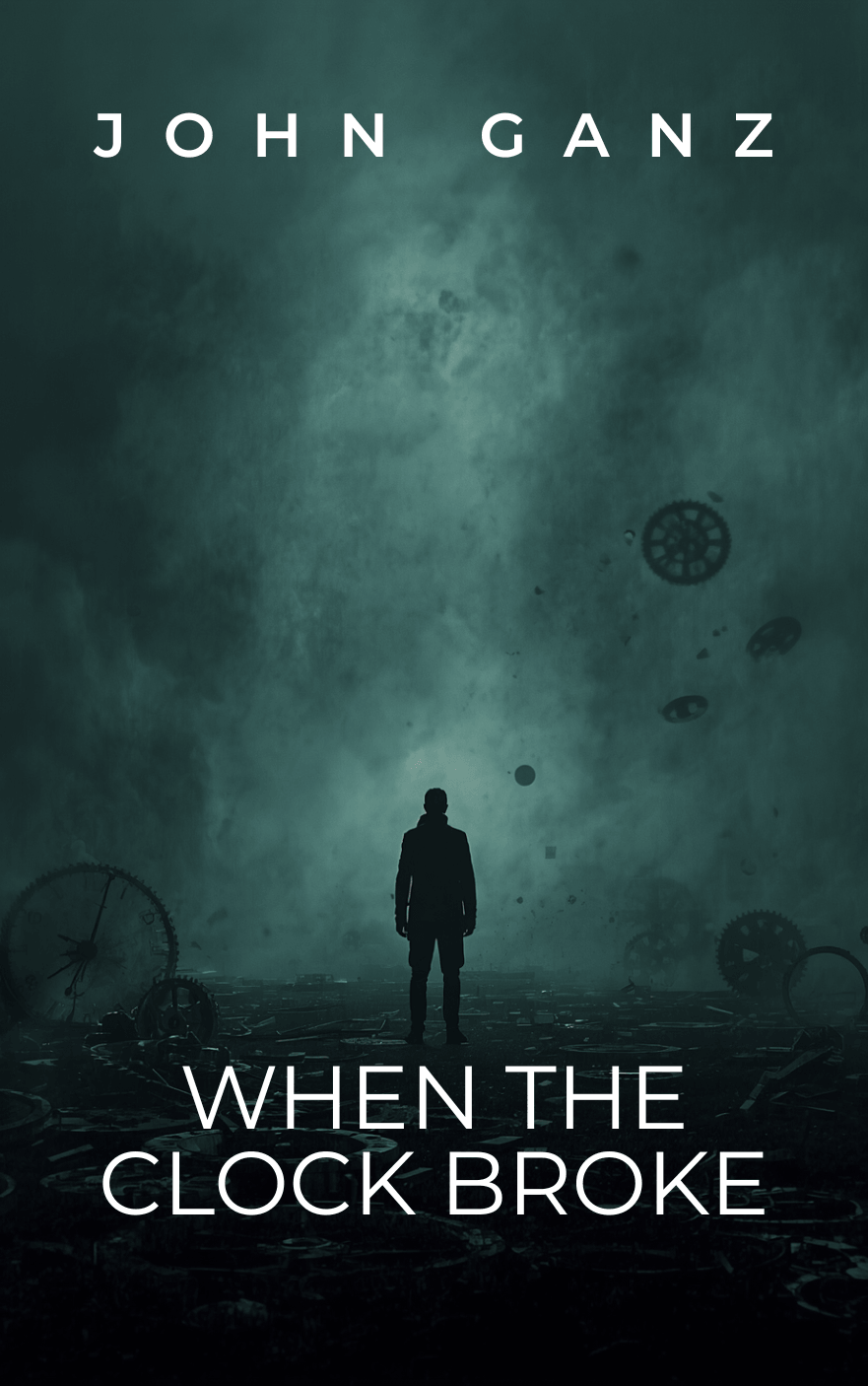
When the Clock Broke Book Summary
This When the Clock Broke Book Summary covers the key ideas, lessons, and takeaways in about 20 minutes.
Short Description:
How 1980s upheaval fueled modern populism and political division
Ganz shows that the era marked the beginning of a new political landscape—one defined by fragmentation, polarization, and a breakdown of shared assumptions. The figures and movements that emerged during this period were not anomalies; they were early signs of deeper changes that continue to shape politics today.
Helps with these goals
Preview the When the Clock Broke book summary
Below is a preview of Sumizeit’s comprehensive human-written summary of When the Clock Broke by John Ganz. The full summary is 15-20 minutes long and covers the book’s key ideas in text, audio, visual, and video formats. Unlock the full 20 Minute Summary
When the Clock Broke by John Ganz examines a pivotal moment in modern American history when long-standing political, economic, and cultural assumptions began to unravel. The book focuses on the late 20th century—especially the 1980s and early 1990s—and argues that this period marked the breakdown of a shared national framework that had guided American life since the end of World War II.
For decades, Americans believed in a relatively stable system: steady employment, rising living standards, and trust in institutions. But Ganz shows that beneath the outward appearance of prosperity—particularly during the presidency of Ronald Reagan—these foundations were quietly deteriorating. Economic restructuring, social fragmentation, and institutional failure combined to produce a deep sense of insecurity and resentment across large portions of the population.
This environment, Ganz argues, set the stage for the emergence of populist political figures and movements that challenged traditional political norms. These figures didn’t arise in isolation—they were products of a system that had stopped delivering on its promises.
Economic Upheaval and the Collapse of Stability
One of the central forces driving unrest was the transformation of the American economy. In the postwar decades, manufacturing jobs had supported a strong middle class, offering reliable wages and long-term security. By the 1980s, however, this system was breaking down.
Factories closed or moved overseas, and the economy shifted toward service-sector work that often paid less and offered fewer protections. At the same time, white-collar workers began to experience wage stagnation, undermining another pillar of middle-class stability.
While economic growth continued on paper—fueled by financial markets, debt expansion, and speculative investments—the benefits were unevenly distributed. Wealth accumulated at the top, while many ordinary Americans found themselves struggling to maintain their standard of living. The apparent prosperity of the era masked underlying fragility.
Ganz emphasizes that this wasn’t just a financial issue—it was psychological. People began to feel that the system no longer worked for them. The promise that each generation would do better than the last started to feel hollow. This loss of faith in economic progress contributed to a broader sense of instability and frustration.
Social Disintegration and Cultural Anxiety
Economic change was accompanied by deep shifts in social life. Traditional institutions that had once provided stability—family, religion, and community organizations—were weakening.
Divorce rates rose, single-parent households became more common, and many people reported feeling increasingly isolated. The idea of a cohesive national identity began to erode, replaced by a fragmented society where individuals felt disconnected from one another.
At the same time, cultural changes—such as increased diversity, shifting gender roles, and declining religious influence—created anxiety among those who felt that familiar values were disappearing. For some, these changes represented progress. For others, they signaled loss.
Ganz argues that this sense of cultural dislocation was just as important as economic hardship in fueling political unrest. People weren’t just worried about their jobs—they were worried about their place in a rapidly changing society.
The Rise of Populist Political Figures
Against this backdrop of uncertainty, a new type of political figure…
Want the complete 20-minute summary?
- Full structured summary
- Video Summary
- Podcast Summary
- Audio summary
- Key takeaways
- Exercises
- Quiz
- Highlights and notes
- Ask the book with AI
Who should read When the Clock Broke?
When the Clock Broke is essential for anyone seeking to understand the origins of modern American political polarization and populism. This book appeals to historians, political analysts, and general readers curious about how economic upheaval and cultural anxiety shaped late 20th-century America. It's particularly valuable for those who want to move beyond treating recent political upheaval as sudden or unprecedented.
Why does When the Clock Broke matter?
Understanding the structural breakdown that John Ganz documents in When the Clock Broke is crucial for making sense of contemporary politics. The book reveals that today's political fragmentation and rise of outsider candidates didn't emerge from nowhere—they were predictable outcomes of decades of economic decline, institutional failure, and social disintegration. By tracing these origins, readers can better comprehend persistent tensions around identity, inequality, and trust that continue to dominate public discourse.
What are the key themes in When the Clock Broke?
- Economic restructuring and the decline of stable, middle-class employment
- Breakdown of traditional institutions and social fragmentation
- Institutional failure and loss of faith in political establishments
- Rise of populist movements as responses to systemic dislocation
- Cultural anxiety and shifting national identity
- Role of media in amplifying discontent and polarization
- Ideological conflicts within conservatism between different factions
How can you apply ideas from When the Clock Broke?
- Analyze current political movements by examining underlying economic conditions and institutional failures rather than dismissing them as merely emotional or irrational
- Identify early warning signs of political destabilization by monitoring the health of employment, community institutions, and institutional trust
- Evaluate political candidates and movements by understanding what specific grievances they're responding to, rather than focusing solely on their individual characteristics
- Develop more responsive policy approaches by recognizing that economic policy alone cannot address political unrest rooted in cultural anxiety and institutional failure
- Assess media's role in amplifying or moderating discontent by examining how communication platforms reinforce divisive narratives versus building shared understanding
- Understand demographic and cultural shifts by recognizing that rapid change creates winners and losers, and that those experiencing loss will seek political expression
- Design institutional reforms that restore public trust by addressing genuine failures rather than dismissing popular frustration as unfounded
What common mistakes do readers make with When the Clock Broke?
- Viewing populist movements as purely irrational rather than as predictable responses to real structural failures
- Treating political polarization as a recent phenomenon rather than recognizing its roots in decades-long economic and social breakdown
- Separating economic analysis from cultural analysis when understanding political movements that combine both grievances
- Assuming that economic growth alone can rebuild political stability without addressing institutional failure and cultural dislocation
- Blaming individual political figures for polarization rather than understanding them as symptoms of deeper systemic problems
Sumizeit Exercises Apply what you've learned
Turn ideas from When the Clock Broke into action with a short guided reflection: identify the biggest takeaway, connect it to your life, and commit to one step you can take in the next 24 hours.
What is the expert analysis of When the Clock Broke?
Overview
When the Clock Broke by John Ganz is a significant contribution to the study of late 20th-century American political and social history. Ganz, an established political commentator and writer, delves into the unraveling of post-World War II American stability during the 1980s and early 1990s, a period often overshadowed by surface-level narratives of prosperity under Reagan-era policies. By intertwining economic, cultural, and political analysis, Ganz offers a nuanced exploration of how systemic shifts laid the groundwork for the rise of populist movements and political fragmentation that continue to resonate in contemporary discourse.
Core Thesis
Ganz’s central argument posits that the political upheaval and cultural anxiety of the late 20th century were not abrupt phenomena but the culmination of deep structural changes. The erosion of the manufacturing-based middle class, the weakening of traditional social institutions, and the failure of political parties to address these transformations collectively dismantled the shared national framework that had underpinned American life. This breakdown fostered widespread insecurity and resentment, fueling the emergence of populist figures who capitalized on economic and cultural dislocation, thereby reshaping political identity and discourse.
Strengths
- Interdisciplinary Approach: Ganz adeptly synthesizes economic history, cultural shifts, and political developments, providing a holistic understanding of the era’s complexity.
- Detailed Case Studies: The examination of figures such as David Duke, Pat Buchanan, and Ross Perot grounds the theoretical framework in concrete political phenomena, illustrating how broader trends manifested in electoral politics.
- Insight into Cultural Dynamics: The book’s attention to social fragmentation, changes in family structure, and cultural anxieties adds depth often missing in purely economic or political analyses.
- Exploration of Ideological Divides: By highlighting the conservative movement’s internal conflicts between neoconservatives and paleoconservatives, Ganz reveals the ideological fault lines that presaged future political polarization.
- Media’s Role in Political Polarization: The discussion of talk radio and television’s influence on public sentiment provides a prescient understanding of media’s capacity to amplify division.
Critiques & Counterarguments
- Potential Overemphasis on Populism’s Origins: While Ganz convincingly links economic and social changes to populist rise, some scholars argue that populism’s roots are more multifaceted, involving global geopolitical shifts and technological transformations not fully explored here.
- Limited Engagement with Countervailing Trends: The narrative could benefit from a more robust examination of resilience within institutions and communities that adapted successfully during this period, offering a counterbalance to the theme of decline.
- Risk of Cultural Determinism: The emphasis on cultural anxiety risks overshadowing structural economic forces; competing research suggests economic insecurity alone can drive political realignment without necessarily invoking cultural dislocation.
- Selective Case Focus: The focus on controversial figures like David Duke and Pat Buchanan, while illustrative, may skew perception of populism’s diversity, neglecting other populist expressions with different ideological bases.
- Neoliberalism and Policy Nuance: The critique of neoliberal policies aligns with broader literature but could engage more deeply with debates over their economic benefits versus social costs, particularly regarding deregulation and globalization’s complex impacts.
Who Should Read This
When the Clock Broke is essential reading for scholars, students, and informed readers interested in the intersections of political science, history, and cultural studies. Those seeking to understand the origins of contemporary American political polarization and populism will find Ganz’s analysis illuminating. Additionally, policymakers and commentators aiming to contextualize current political dynamics within a longer historical trajectory will benefit from the book’s rich, multidimensional perspective. Finally, readers with an interest in the socio-economic transformations of late 20th-century America and their enduring consequences will appreciate the depth and nuance of Ganz’s work.
Frequently asked questions about the When the Clock Broke book summary
What is When the Clock Broke about?
When the Clock Broke by John Ganz examines how the political turbulence and populist movements of the late 20th century emerged from long-term structural failures in the American economy, social institutions, and government. The book argues that the breakdown of postwar assumptions about stable employment, rising living standards, and institutional trust created the conditions for unconventional political figures and movements to rise.
Who should read When the Clock Broke?
This book is essential for anyone seeking to understand modern American political polarization, including historians, political analysts, policymakers, and engaged citizens. It's particularly valuable for readers who want to move beyond treating recent political upheaval as sudden or unprecedented, and instead understand how decades of economic decline and institutional failure set the stage for contemporary politics.
What are the main takeaways from When the Clock Broke?
The central insight is that late 20th-century political turbulence resulted from long-term structural changes rather than sudden disruption. Economic transformation weakened the middle class, social institutions lost influence, and trust in government declined, creating widespread instability that found expression in populist movements. These developments reveal that contemporary political fragmentation and outsider candidates are predictable outcomes of systemic breakdown, not anomalies.
How did economic changes contribute to political instability?
John Ganz argues that the shift from manufacturing to service-sector work, combined with wage stagnation and unequal wealth distribution, created both material insecurity and psychological loss. While economic growth continued on paper through financial markets and debt, most ordinary Americans struggled to maintain their living standards, eroding faith in the promise that each generation would do better than the last.
What role did cultural change play in the political upheaval described in the book?
When the Clock Broke emphasizes that shifts in diversity, gender roles, and religious influence created anxiety among those who felt familiar values were disappearing. Cultural dislocation was just as politically important as economic hardship, leading people to seek figures and movements that seemed to defend traditional identity against rapid change.
How does Ganz explain the rise of populist figures like Pat Buchanan and David Duke?
Ganz shows that these figures didn't emerge in isolation but were products of widespread economic anxiety, institutional failure, and cultural dislocation. They successfully positioned themselves as outsiders who spoke directly to public frustration while mainstream parties struggled to address root causes of discontent, creating an opening for more extreme candidates.
What does When the Clock Broke reveal about media's role in political polarization?
The book argues that emerging media platforms like talk radio and sensational television amplified discontent and divisive narratives rather than moderating them. These platforms prioritized emotional expression and often reinforced polarization while creating communities of like-minded listeners, deepening rather than bridging political divides.
How do the ideas in When the Clock Broke help explain current politics?
By tracing the structural origins of political fragmentation and outsider politics, Ganz's analysis provides a framework for understanding contemporary populism, polarization, and institutional distrust. The book reveals that these trends are not anomalies but predictable outcomes of failures that began decades ago, making them more comprehensible and potentially more addressable.
About Sumizeit
Sumizeit is a profitable Scomy LLC company based in Miami, Florida. Our founders, Clemens Raemy and Weina Scott, are successful entrepreneurs with several exits. Sumizeit is a popular book summary app / micro learning app used by busy professionals and entrepreneurs with over 2,500 non-fiction book summaries and 10,000 podcast summaries in text, audio, visual, podcast, and video format. We also have stellar retention tools to make ideas stick - such as flashcards with spaced repetition, quizzes, streaks, highlighting and notes, daily challenges, riddles, mini-courses, meditation, and more. You won't only learn the idea, but also remember it. Over 90% of our users change their habits with Sumizeit.
Upgrade Now
Here's why readers love Sumizeit
Join thousands of learners getting smarter every day
"Great experience. Detailed summaries. Loved the gamification feature. Makes learning fun. Good customer service. I recommend Sumizeit to anyone. You'll learn a lot."
"I always felt busy but still wanting to keep up with the book discussion in my friend group. This was a great supplement to help me keep reading the books I find fun while keeping up with important books."
"I love this website. Instead of scrolling social media, I find myself learning a lot. I use it everyday. I recommend this app for anyone who is too busy and wants to get up to speed with their favorite books."
When the Clock Broke Book Summary PDF
Looking for a When the Clock Broke Book Summary PDF you can save and revisit offline? Our When the Clock Broke Book Summary PDF captures the book’s core ideas in a clean, printable format — the key frameworks, takeaways, and structure without the fluff. Download the When the Clock Broke Book Summary PDF when you want a reference you can annotate, share with your team, or review on the go. Get your When the Clock Broke Book Summary PDF from the download page below.
Download When the Clock Broke Book Summary PDFPeople also liked these summaries
Readers who explored When the Clock Broke often enjoyed these titles next.




Ready to read the whole thing?
- Full structured summary
- Video Summary
- Podcast Summary
- Audio summary
- Key takeaways
- Exercises
- Quiz
- Highlights and notes
- Ask the book with AI
Featured Book Titles
Popular Book Summaries at sumizeit, leading book summary app