


As an Amazon Associate, Sumizeit earns from qualifying purchases.
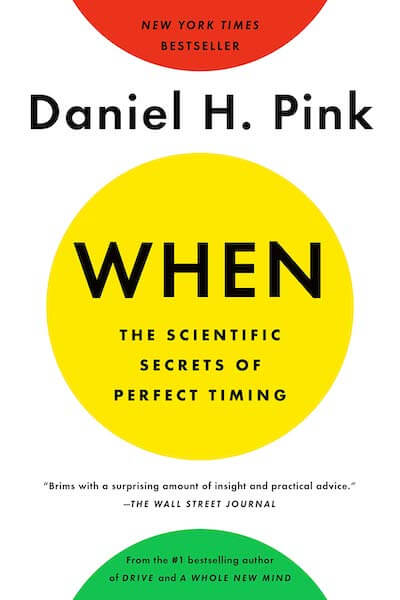
When Book Summary
This When Book Summary covers the key ideas, lessons, and takeaways in about 20 minutes.
Helps with these goals
Want the complete 20-minute summary?
- Full structured summary
- Video Summary
- Podcast Summary
- Audio summary
- Key takeaways
- Exercises
- Quiz
- Highlights and notes
- Ask the book with AI
What is in the When book summary?
Below is a preview of Sumizeit’s expert-written summary of When by Daniel Pink. The full summary covers the book’s key ideas in text, audio, and video.
Time surrounds us.
We are constantly meeting deadlines, having to be different places on time, and racing against the clock.
Time is everything.
In Daniel Pink’s, “When,” he explains why this pattern of relying on time is a very strong emotional pattern in human behavior.
You’ll learn to understand how important it is to have perfect timing when it comes to doing certain actions. Even, if it’s as simple as sending an email or making a call.
The Emotional Pattern
Our day-to-day life has an emotional pattern. We all do certain rituals such as have our coffee in the morning, brush our hair before we go out, and wash the sheets every Friday.
An observance-based study by Cornell University looked at Twitter to note people’s moods throughout the day. The results were that early morning people felt positive, in the afternoon moods would drop, and then they would return to positive in the evening.
According to the study, this mood rollercoaster happens to most everyone, everywhere. It doesn’t depend on location, race, or culture.
These sections of the day have been labeled the morning peak, the afternoon trough, and the evening rebound.
This pattern has a direct correlation with the work that we do throughout the day. Our positive attitudes bring positive results. So, work done in the morning is best.
Chronotype
It’s true there is a daily pattern of emotions. But, not everyone’s pattern is the same. It’s important to understand your own individual chronotype. This will allow you to reach your fullest potential.
“Each of us has a “chronotype”—a personal pattern of circadian rhythms that influences our physiology and psychology.”- Daniel Pink
Your chronotype is basically your internal clock. There are night owls and morning birds. Both have different internal clocks or chronotypes. So, they are more positive and productive according to their own hours.
Many studies have taken place on creatives who are night owls. And, the pattern is that most night owls are the creative types. They also showed more signs of being neurotic and depressed.
Morning birds, on the other hand, are usually more stable and positive. They also tend to be introverted.
In order to schedule yourself properly, define your type, and schedule your tasks accordingly. For example, if you need to write a paper and you’re a night owl, do it at your peak, which may be around 9 PM, rather than 7 AM.
Most people who need to work logically and methodically agree that morning work is best, while the creative work is best saved for the afternoon and later.
No matter what chronotype you are, try to schedule your mindless tasks during the afternoon when most people feel the 2 PM slump.
“Afternoons are the Bermuda Triangles of our days. Across many domains, the trough represents a danger zone for productivity, ethics, and health.”- Daniel Pink
Also, always book a morning appointment if you want the odds to go in your favor. For example, a job interview!
Take Breaks
Your chronotype…
Want the complete 20-minute summary?
- Full structured summary
- Video Summary
- Podcast Summary
- Audio summary
- Key takeaways
- Exercises
- Quiz
- Highlights and notes
- Ask the book with AI
Who should read When?
When is for anyone feeling rushed, burnt out, or struggling with productivity. Whether you're a student, professional, entrepreneur, or parent, this book helps you understand your natural rhythms and optimize your daily schedule. If you've ever wondered why you're more creative at certain times or why afternoons feel like a productivity black hole, Daniel Pink's research-backed insights will transform how you approach your day.
Why does When matter?
In our always-on culture, we often ignore the science of timing and push ourselves to perform at the wrong times of day. When reveals that small timing decisions—from scheduling job interviews to planning creative work—have outsized impacts on outcomes and well-being. By aligning your tasks with your chronotype and understanding how energy naturally fluctuates throughout the day, you can reclaim hours of lost productivity and significantly improve your quality of life.
What are the key themes in When?
- Understanding your personal chronotype (internal clock)
- The daily rhythm of human emotion and productivity
- Strategic timing of tasks based on cognitive demands
- The power of breaks and recovery in sustained performance
- How midpoints and endpoints shape project outcomes
- The importance of anticipation and planning
What are the key lessons from the When book summary?
The Morning Peak, Afternoon Trough, Evening Rebound
Most people experience a predictable daily emotional cycle: positive mood in the morning, a significant dip in the afternoon around 2 PM, and a recovery in the evening. This pattern correlates directly with productivity and decision-making quality.
Your Chronotype Determines Your Peak Hours
Everyone has a personal circadian rhythm that makes them either a morning person or night owl. Scheduling important cognitive work during your peak hours dramatically improves results compared to forcing yourself into a misaligned schedule.
Logical Work Belongs in the Morning
Analytical, methodical tasks—like math, data analysis, and strategic decision-making—are best completed when your mind is sharpest in the morning hours. Reserve afternoons for lower-stakes work.
Creative Work Thrives Later in the Day
Night owls and creatives often produce their best work in late afternoon and evening when their minds are more divergent and imaginative. Honor this rhythm rather than fighting it.
The Afternoon Trough is a Danger Zone
Hospitals, schools, and organizations have documented that critical mistakes spike between 3-4 PM. This is when judgment falters, ethical shortcuts feel tempting, and health decisions suffer.
Schedule Mindless Tasks During the Afternoon Slump
Rather than fighting the afternoon dip, use it strategically for routine, low-cognitive-demand tasks like email, filing, or administrative work that doesn't require peak mental energy.
Strategic Breaks Prevent Burnout and Mistakes
Regular breaks—whether 5, 17, or 30 minutes—restore mental clarity and reduce errors. Schools that introduced breaks before standardized tests saw measurable score improvements.
The 52-17 Work-Sprint Model
Research on productivity software usage suggests working intensely for 52 minutes followed by a 17-minute break optimizes sustained performance, though even brief 5-minute breaks improve mood and motivation.
The Power of the Napuccino
Consuming caffeine immediately before a 10-20 minute nap creates a powerful productivity boost. The caffeine takes 15-20 minutes to enter your bloodstream, coinciding perfectly with when you wake up refreshed.
Avoid Naps Longer Than 20 Minutes
While short naps rejuvenate, longer rest periods trigger sleep inertia, leaving you groggy and disoriented. Keep strategic naps brief to avoid this counterproductive grogginess.
Teenagers Have a Later Chronotype Than Adults
Adolescent biology shifts toward being night owls, making early school start times misaligned with their natural peak hours. This explains why teens struggle with 8 AM classes and why later school starts improve academic performance.
Book Critical Events During Optimal Hours
Job interviews, medical appointments, and important meetings should be scheduled during your peak hours and the morning peak of most people. Timing significantly influences outcomes.
Anticipate Obstacles Before They Arise
Proactively list potential problems before starting a project. This mental preparation helps you navigate challenges faster and keeps the team resilient when difficulties emerge.
The Midpoint Creates a Surge in Energy
When teams reach the halfway point of a project, they often experience a burst of motivation and urgency to finish strong. This energy is valuable but can also lead to rushed decisions if not managed carefully.
Maintain Clarity on Goals During the Final Push
At the critical midpoint and final stages, ensure everyone shares a clear vision of the end goal. Introducing new ideas or roles late in a project risks derailing progress and quality.
The Significance of Life Transitions and Milestone Ages
People facing ages ending in 9 (29, 39, 49) often pursue significant life changes and challenges like marathons, reflecting how we process time and mortality as markers of change.
Endings Matter More Than Beginnings
We are deeply influenced by how experiences end. A strong, meaningful conclusion—whether poignant or triumphant—shapes how we remember and feel about the entire experience.
Create Connection Across Time Versions of Yourself
Happiness isn't just about living in the present moment; it's about feeling connected to your past self and envisioning your future self. Letters, rituals, and reflections bridge these temporal selves.
Poignancy and Emotional Depth Enhance Endings
The most satisfying endings aren't always purely happy; they're often bittersweet, tinged with insight and emotional resonance that makes them memorable and meaningful.
Want the complete 20-minute summary?
- Full structured summary
- Video Summary
- Podcast Summary
- Audio summary
- Key takeaways
- Exercises
- Quiz
- Highlights and notes
- Ask the book with AI
How can you apply ideas from When?
- Schedule your most important analytical work, problem-solving, and decision-making for your peak morning hours and avoid these tasks during the afternoon trough
- Identify your chronotype and restructure your daily schedule to align major tasks with your natural energy rhythms rather than fighting against them
- Implement the 52-17 work sprint model or take strategic 5-minute breaks every hour to maintain consistent productivity without burning out
- Reserve afternoons for administrative, routine, and low-stakes work like responding to emails, organizing files, and scheduling tasks
- Plan job interviews, medical appointments, and critical meetings for morning slots when your mind is sharpest and most people are in a positive mood
- Experiment with the napuccino technique: drink coffee then nap for 10-20 minutes to create a powerful afternoon productivity reset
- Before starting any major project, create a list of potential obstacles and develop contingency plans so you're prepared when challenges emerge
- As you approach the midpoint of a project, harness the natural energy surge by clarifying goals and preventing scope creep that could derail final outcomes
What common mistakes do readers make with When?
- Ignoring your chronotype and forcing yourself to do peak-cognitive work at the wrong time of day, resulting in poor quality and slower progress
- Scheduling critical decisions, interviews, and appointments during afternoon hours when energy and judgment naturally dip, reducing your chances of success
- Skipping breaks and working through the entire day without recovery time, which depletes mental resources and paradoxically reduces overall productivity
- Introducing new ideas, scope changes, or role shifts late in a project when momentum should be focused on execution and finishing strong
- Failing to establish clear shared goals and vision among team members, especially during the midpoint energy surge when rash decisions can derail outcomes
Sumizeit Exercises Apply what you've learned
Turn ideas from When into action with a short guided reflection: identify the biggest takeaway, connect it to your life, and commit to one step you can take in the next 24 hours.
What is the expert analysis of When?
Overview
Daniel Pink’s When stands as a compelling exploration of the intricate relationship between human behavior and time. Pink, a seasoned author and former speechwriter with a background in law and social science communication, brings a multidisciplinary approach to the subject of timing. His work synthesizes research from psychology, neuroscience, and behavioral economics to offer practical insights on optimizing productivity and well-being by aligning activities with our biological and emotional rhythms. The book’s significance lies in its accessible yet rigorous examination of chronobiology and its implications for everyday decision-making, making it a valuable contribution to self-improvement and business literature.
Core Thesis
At its core, When argues that timing is a critical, often overlooked factor in human performance and happiness. Pink contends that understanding and leveraging our internal clocks—our chronotypes—and the natural emotional fluctuations that occur throughout the day can dramatically enhance productivity, creativity, and decision-making. He emphasizes that there are optimal times for different types of tasks, such as analytical work in the morning and creative endeavors later in the day, and that strategic breaks and naps can mitigate the afternoon slump. The book also highlights the importance of anticipating challenges during projects and managing endings thoughtfully to maximize motivation and satisfaction.
Strengths
- Interdisciplinary Research Integration: Pink effectively weaves together findings from various scientific studies, such as the Cornell University mood analysis via Twitter data and circadian rhythm research, providing a robust empirical foundation.
- Practical Application: The book excels in translating complex scientific concepts into actionable advice, such as scheduling tasks by chronotype and incorporating strategic breaks, making it highly relevant for professionals, educators, and students alike.
- Nuanced Understanding of Human Variability: By acknowledging individual differences in chronotypes and life stages, Pink avoids a one-size-fits-all prescription and encourages personalized time management strategies.
- Engaging Narrative Style: The inclusion of relatable anecdotes and memorable terms like “napuccino” enriches the reading experience and aids retention of key ideas.
Critiques & Counterarguments
- Potential Oversimplification of Chronotypes: While the categorization into morning birds and night owls is useful, contemporary chronobiology suggests a more complex spectrum of circadian preferences that may not be fully captured, potentially limiting the nuance of Pink’s recommendations.
- Evidence Scope and Generalizability: Some of the studies cited, such as social media mood analysis, may not fully represent broader populations or account for cultural and contextual variables influencing daily rhythms.
- Neglect of Socioeconomic and Occupational Constraints: The book’s advice presumes a level of autonomy over one’s schedule that many workers, especially in lower-wage or shift-based jobs, do not possess, limiting practical applicability.
- Contrasting Views on Creativity Timing: Some research argues that creativity can peak unpredictably and is less tied to circadian rhythms, suggesting that rigid scheduling might stifle spontaneous innovation.
- Real-World Complexity of Project Dynamics: The midpoint surge and project goal realignment strategies, while insightful, may underestimate organizational politics and interpersonal dynamics that heavily influence project outcomes.
Who Should Read This
When is ideally suited for professionals seeking to optimize their productivity and decision-making, educators interested in tailoring learning schedules, and individuals committed to personal development through better time management. It also appeals to readers fascinated by behavioral science and those looking for evidence-based strategies to harmonize their work and life rhythms. However, readers should approach the book as a guide rather than a prescriptive manual, mindful of the variability in individual circumstances and the evolving nature of chronobiological research.
Frequently asked questions about the When book summary
What is When about?
When by Daniel Pink is about the science of timing and how understanding your personal rhythm can dramatically improve your productivity, decision-making, and well-being. The book reveals that most people experience a predictable daily cycle—morning peak, afternoon trough, evening rebound—and that success comes from aligning your tasks with your natural energy and chronotype rather than fighting against these patterns.
Who should read When?
Anyone who struggles with productivity, feels burnt out, or wonders why certain times of day feel more energetic than others will benefit from When. The book is valuable for professionals, students, educators, managers, parents, and entrepreneurs who want to optimize their time and live more intentionally. If you've ever wondered whether you're a morning person or night owl and how to leverage that knowledge, this book is for you.
What are the main takeaways from When?
The key takeaways from When are: (1) identify your chronotype and schedule tasks accordingly, (2) do analytical work in the morning when your mind is sharpest, (3) save creative work for afternoon and evening, (4) use the afternoon trough for mindless tasks, (5) take regular breaks to maintain performance, and (6) understand that timing decisions—from scheduling interviews to planning projects—have outsized impacts on outcomes.
What is a chronotype?
A chronotype is your personal internal clock—your natural pattern of circadian rhythms that influences when you're most alert, creative, and productive. Some people are morning birds who peak early, while others are night owls who come alive later. Understanding your chronotype helps you schedule important work during your peak hours rather than fighting against your biology.
Why is the afternoon slump so important?
The afternoon slump, or 'trough,' is critical because research shows it's a danger zone for mistakes, poor decisions, and ethical lapses. Hospitals have documented that medical errors spike between 3-4 PM, and schools have found test scores improve when breaks precede afternoon tests. Understanding this pattern helps you avoid scheduling critical tasks during these vulnerable hours.
What is a napuccino?
A napuccino is a strategic technique where you drink coffee immediately before taking a 10-20 minute nap. Since caffeine takes 15-20 minutes to enter your bloodstream, you wake up refreshed just as the caffeine kicks in, creating a powerful and natural productivity boost. It's a simple way to reset during afternoon slumps.
How does understanding timing improve project outcomes?
Understanding timing helps you recognize the energy surge at a project's midpoint and use it strategically to accelerate progress toward your goal. It also helps you anticipate obstacles early, maintain clear goals as you approach the finish line, and avoid introducing disruptive changes late in the project when focus and execution matter most.
Why do breaks improve productivity instead of reducing it?
Breaks restore mental clarity, refresh motivation, and prevent the burnout that comes from sustained mental effort. Research shows that even 5-minute breaks improve mood and focus, and structured breaks like the 52-17 model (52 minutes work, 17 minutes rest) optimize sustained high performance. Breaks are an investment in quality, not lost time.
About Sumizeit
Sumizeit is a profitable Scomy LLC company based in Miami, Florida. It has been helping readers learn from nonfiction books for 7 years with expert-written summaries in text, audio, podcast, and video.
Want the complete 20-minute summary?
- Full structured summary
- Video Summary
- Podcast Summary
- Audio summary
- Key takeaways
- Exercises
- Quiz
- Highlights and notes
- Ask the book with AI
Here's why readers love Sumizeit
Join thousands of learners getting smarter every day
"Great experience. Detailed summaries. Loved the gamification feature. Makes learning fun. Good customer service. I recommend Sumizeit to anyone. You'll learn a lot."
"I always felt busy but still wanting to keep up with the book discussion in my friend group. This was a great supplement to help me keep reading the books I find fun while keeping up with important books."
"I love this website. Instead of scrolling social media, I find myself learning a lot. I use it everyday. I recommend this app for anyone who is too busy and wants to get up to speed with their favorite books."
When Book Summary PDF
Looking for a When Book Summary PDF you can save and revisit offline? Our When Book Summary PDF captures the book’s core ideas in a clean, printable format — the key frameworks, takeaways, and structure without the fluff. Download the When Book Summary PDF when you want a reference you can annotate, share with your team, or review on the go. Get your When Book Summary PDF from the download page below.
Download When Book Summary PDFPeople also liked these summaries
Readers who explored When often enjoyed these titles next.

Want the complete 20-minute summary?
- Full structured summary
- Video Summary
- Podcast Summary
- Audio summary
- Key takeaways
- Exercises
- Quiz
- Highlights and notes
- Ask the book with AI
Featured Book Titles
Popular Book Summaries at sumizeit, leading book summary app