
Question 1 of 10


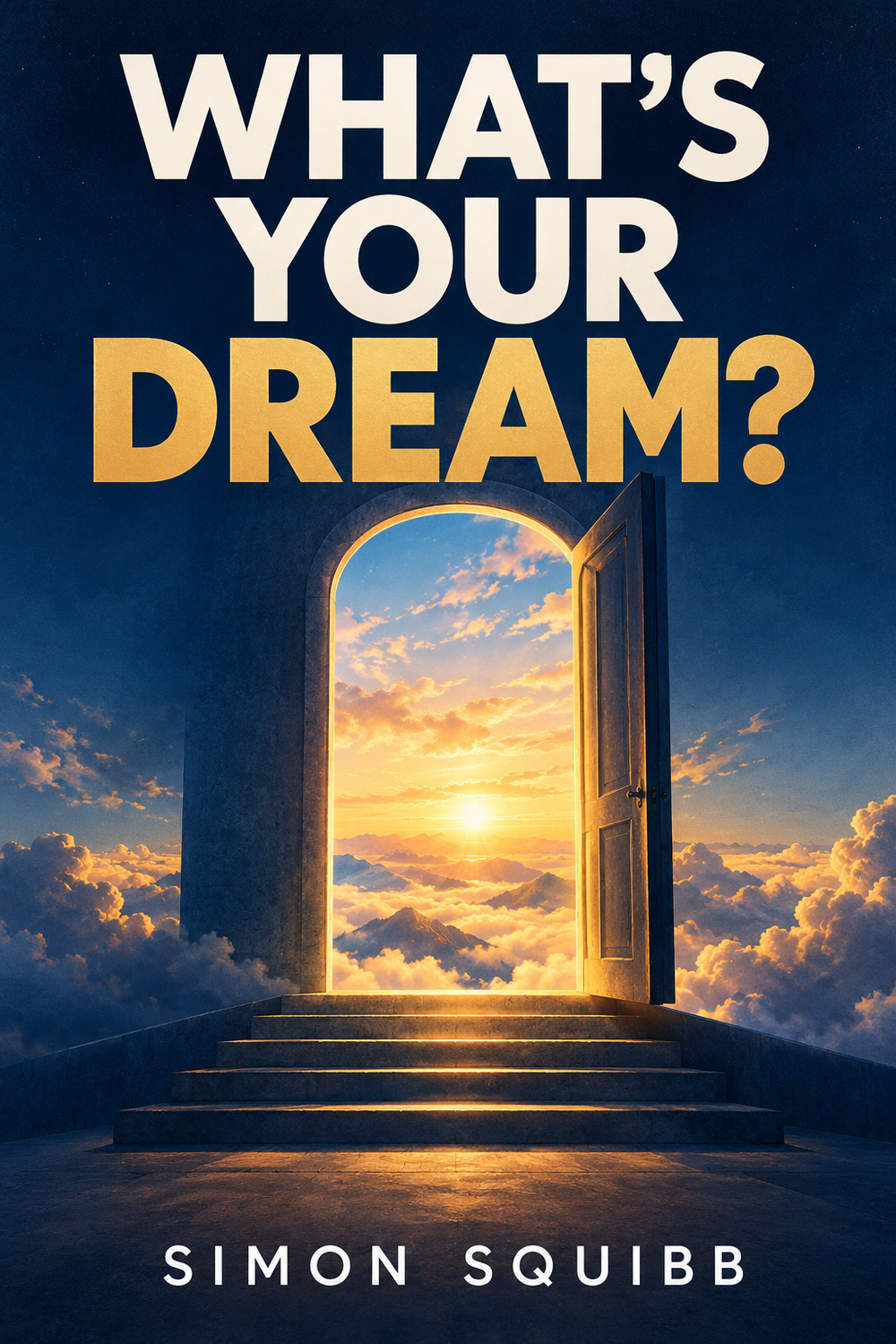
Prefer the print book? Buy on Amazon
As an Amazon Associate, Sumizeit earns from qualifying purchases.
Book Summary
What's Your Dream? Book Summary
This What's Your Dream? Book Summary covers the key ideas, lessons, and takeaways in about 20 minutes.
Short Description:
A plain guide to turning your dream into a profitable business, step by step
Squibb's central message is that your dream and your livelihood don't have to pull in opposite directions. If you get clear on the life you want, pick a business idea you'll enjoy and that people will pay for, train yourself to tolerate discomfort, and give yourself some financial room, you can start small and sell early. From there you learn from real customers, keep costs low, take care of the people who buy from you, grow carefully, and eventually build a team that lets the business run without you. The whole path rests on one belief, that a life spent working toward your own dream is more satisfying than one spent serving someone else's, and that you can make a living while you do it.
Helps with these goals
Preview the What's Your Dream? book summary
Below is a preview of Sumizeit’s comprehensive human-written summary of What's Your Dream? by Simon Squibb. The full summary is 15-20 minutes long and covers the book’s key ideas in text, audio, visual, and video formats. Unlock the full 20 Minute Summary
Simon Squibb believes everyone has a dream, and he thinks the best way to live it is to build a business around it. That idea drives the whole book. He doesn't mean a side hustle you squeeze in after work. He means a real company that pays you for doing what matters most to you, so your income and your purpose become one pursuit instead of two competing ones.
The book moves in four steps. It starts with what a dream is and why most people never chase theirs. Then it walks through three stages of building a business. Prepare covers how to test your idea and get yourself ready in your head and your bank account. Build covers how to turn the idea into something that sells. Grow covers how to keep the business healthy and profitable over the long haul.
What a dream is, and why you should follow yours
Squibb defines a dream as your picture of the kind of life you want to live and the mark you want to leave on the world. He separates it from two things people often confuse it with. A goal is a specific target, like a salary number or a promotion. An ambition is a hunger to have more than you have now. Both are useful, but neither one tells you where you're headed.
That's the problem with living on goals and ambitions alone. You can hit target after target and still feel empty, because nothing connects the targets to a life you actually want. A clear dream works like a compass. When you know what kind of life you're building toward, you can make everyday choices that pull you in that direction. Without one, you can pile up years of accomplishments that don't mean much to you.
So why do most people never go after their dream? Squibb points to the way daily life pushes us toward jobs. A job gives you steady pay and structure, and that matters. But it costs you. When you work for someone else, you spend your best time and energy on their goals. Your own dream gets whatever scraps are left over at night or on weekends, and often it gets nothing. Over time you drift further from the life you wanted.
His answer is to stop treating earning a living and chasing your dream as separate tasks. Build a business around the dream and they become the same task. All of your time and energy goes toward work you care about, and you get paid for it. In Squibb's view, that is what living your dream looks like in real life.
Part One. Prepare
Before you build anything, you need to know your idea has legs, and you need to get yourself ready. Squibb breaks this into three steps. You evaluate the idea, you get used to discomfort, and you create some financial breathing room.
Step one. Evaluate your business idea
A business takes years of focus, so you want one…
Want the complete 20-minute summary?
- Full structured summary
- Video Summary
- Podcast Summary
- Key takeaways
- Exercises
- Quiz
- Highlights and notes
- Ask the book with AI
Who should read What's Your Dream??
What's Your Dream? is for anyone who feels torn between earning a living and pursuing what matters most to them. Whether you're employed, underemployed, or considering a career shift, this book speaks to people who want to align their income with their purpose rather than treating them as competing demands.
Why does What's Your Dream? matter?
In a world where most people spend decades working toward someone else's goals, Simon Squibb's framework shows how to build a business around your own vision instead. The book matters now because remote work, digital tools, and direct-to-customer sales make it more feasible than ever to turn a dream into a sustainable income without massive upfront capital or years of preparation.
What are the key themes in What's Your Dream??
- Dream as compass: clarity on the life you want guides everyday decisions
- Business as vehicle: entrepreneurship merges purpose and paycheck
- Discomfort as skill: learning to tolerate uncertainty is learnable and essential
- Early selling: test assumptions with real customers before perfecting the product
- Financial flexibility: reducing expenses and reshaping how you earn buys time for your venture
- Customer obsession: happy, returning customers are the foundation of sustainable growth
- Delegation and stepping back: building a team frees you to grow the business and eventually move on
How can you apply ideas from What's Your Dream??
- Create a mind map around your interests to surface business ideas you might not find through straight-line thinking
- Deliberately practice one small discomfort per week—sharing your plans, asking for feedback, reaching out to strangers—to build tolerance for uncertainty
- Calculate your monthly spending and identify one category where you can cut 20–30% to free up hours or create a business fund
- List one or two people who might pay for your current idea and contact them with a rough description to gauge genuine interest before you build anything
- Build a simple checklist or template for your core business task and test it with three customers to find gaps and refine it
- After your first five sales, gather feedback from both buyers and people who didn't buy, then list two specific changes to test in your next round
- Identify your top 20% of customers by revenue and brainstorm one way to exceed their expectations this month
- Ask your current customers four questions: What do you wish we offered? Who else should know about us? Where else do you need this? What's the best way to reach people like you?
What common mistakes do readers make with What's Your Dream??
- Perfecting a product before testing it with real customers, wasting months and money on assumptions that turn out wrong
- Waiting until you feel completely comfortable before starting, when discomfort is a signal you're growing and learning
- Treating expense-cutting as optional rather than essential, leaving yourself dependent on a day job with no time for your venture
- Focusing equally on all customers instead of recognizing that your top 20% generate most profit and deserve most attention
Sumizeit Exercises Apply what you've learned
Turn ideas from What's Your Dream? into action with a short guided reflection: identify the biggest takeaway, connect it to your life, and commit to one step you can take in the next 24 hours.
What is the expert analysis of What's Your Dream??
Overview
What's Your Dream? is a contemporary guide to entrepreneurship authored by Simon Squibb, a seasoned entrepreneur and investor with extensive experience launching and supporting over 70 companies worldwide. Published in 2025, the book distinguishes itself by merging the realms of personal purpose and business creation, advocating for building a livelihood that is deeply aligned with one’s core aspirations. Squibb’s background as the founder of The Purposeful Project lends credibility and practical insight to his message, positioning this work as a significant contribution to the self-improvement and business literature landscape.
Core Thesis
At the heart of Squibb’s argument is the conviction that the traditional dichotomy between earning a living and pursuing one’s dream is a false one. He proposes that by building a business around your authentic dream—defined as a vivid vision of the life you want and the impact you wish to leave—you can unify income generation with personal fulfillment. The book outlines a pragmatic, stepwise approach: preparing mentally and financially, building a customer-focused and cost-effective enterprise, and growing it sustainably while nurturing a committed team. This thesis challenges the conventional wisdom that entrepreneurship must be a risky, all-consuming gamble disconnected from deeper purpose.
Strengths
- Clear Conceptual Distinctions: Squibb’s differentiation between dreams, goals, and ambitions offers a nuanced framework that helps readers clarify their motivations and long-term vision.
- Practical, Actionable Steps: The book excels in breaking down the entrepreneurial journey into digestible phases—Prepare, Build, Grow—with concrete tactics such as mind mapping, early customer engagement, and financial cushioning.
- Emphasis on Emotional Resilience: By foregrounding the necessity of embracing discomfort and uncertainty, Squibb addresses a psychological dimension often neglected in business manuals.
- Customer-Centric Iteration: The insistence on selling early, learning from feedback, and refining the product aligns with lean startup principles, underscoring adaptability and market responsiveness.
- Balanced Growth Strategies: The focus on both retaining loyal customers and carefully testing expansion opportunities reflects a mature understanding of sustainable business scaling.
Critiques & Counterarguments
- Idealization of Entrepreneurship: While inspiring, the book may understate the structural barriers—such as socioeconomic constraints, market saturation, and systemic inequalities—that limit many individuals’ ability to transform dreams into viable businesses.
- Limited Discussion of Failure: Squibb’s framework emphasizes perseverance and iteration but offers relatively little exploration of how to cope with or pivot after significant setbacks or outright failure, which are common in startups.
- Potential Oversimplification of Financial Preparation: The advice to cut expenses and build a cushion is sound but may not fully capture the complexity of financial planning required for entrepreneurship, especially in volatile or capital-intensive industries.
- Competing Schools of Thought: Traditional career development literature often warns against conflating passion with profit, emphasizing skills and market demand over personal dreams. Behavioral economics research also highlights cognitive biases that can lead entrepreneurs to overestimate their chances of success, suggesting a need for more critical self-assessment than the book advocates.
- Real-World Evidence: Empirical studies on entrepreneurial success rates show that many businesses fail within the first few years despite founders’ passion and preparation, indicating that factors beyond mindset and incremental learning—such as timing, network effects, and luck—play crucial roles.
Who Should Read This
This book is ideal for aspiring entrepreneurs who seek to align their professional endeavors with their deepest values and life vision. It will particularly resonate with readers who appreciate a structured, psychologically informed approach to business creation and who are willing to confront the discomfort inherent in starting something new. Additionally, those interested in the intersection of personal development and practical business strategy will find Squibb’s insights valuable. However, readers looking for a comprehensive treatise on financial modeling, market analysis, or advanced management techniques may need to supplement this book with more specialized resources.
Discussion questions for What's Your Dream? Short questions you can actually use in a conversation
Frequently asked questions about the What's Your Dream? book summary
What is What's Your Dream? about?
What's Your Dream? by Simon Squibb is about building a business around what matters most to you so your income and purpose become one pursuit instead of two competing ones. The book walks through four stages: defining your dream, preparing yourself mentally and financially, building a customer base by selling early and often, and growing profitably through customer care, expansion, and team building.
Who should read What's Your Dream??
This book is for anyone who feels trapped between earning a living and pursuing what matters to them. It speaks to employed people, career-changers, side-hustlers who want to go full-time, and anyone who suspects their current job consumes their best hours on someone else's vision rather than their own.
What are the main takeaways from What's Your Dream??
The core message is that you can build a business around your dream if you get clear on what life you want, pick an idea you'll enjoy and people will pay for, practice tolerating discomfort, and create some financial breathing room. From there, sell early to learn from real customers, keep costs low, care for your best customers, expand carefully, and eventually build a team that runs without you.
How do I know if my business idea is worth pursuing?
Simon Squibb says to test your idea against two questions: Will the work keep you engaged and energized, or will it feel like a chore? And will anyone actually pay for it, or does it only matter to you? If your idea passes both tests, it's worth pursuing. If not, keep brainstorming until you find one that does.
Do I need to save a lot of money before starting?
You don't need massive savings, but financial flexibility matters greatly. Squibb recommends cutting unnecessary expenses, moving toward results-based pay when possible, and building a cushion of about six months of expenses. This gives you time to test and refine your product without feeling forced to launch something half-baked just to cover bills.
Should I perfect my product before selling it?
No. Squibb strongly advises against this. Selling an unfinished prototype or stripped-down version early teaches you what customers actually want, keeps costs low, and starts bringing in revenue long before a perfect product would be ready. Real feedback from buyers is worth far more than months of polishing in isolation.
What does Simon Squibb mean by learning to tolerate discomfort?
Starting a business requires constant uncertainty—you test ideas without knowing if they'll work, you have awkward conversations, and you make decisions without complete information. Rather than waiting to feel comfortable, Squibb says to practice small discomforts deliberately so you build the mental resilience to handle bigger challenges when they come.
How do I grow my business once I have paying customers?
What's Your Dream? recommends three growth strategies: first, keep your existing customers happy through excellent service and overdelivering on promises, since happy customers buy again and refer others. Second, pursue expansion by asking what current customers need that you don't offer, which new groups might want what you sell, and what new marketing channels could reach more people. Third, build a team by hiring people who care about your mission, giving them ownership stakes, and gradually handing off daily management so the business runs without you.
About Sumizeit
Sumizeit is a profitable Scomy LLC company based in Miami, Florida. Our founders, Clemens Raemy and Weina Scott, are successful entrepreneurs with several exits. Sumizeit is a popular book summary app / micro learning app used by busy professionals and entrepreneurs with over 2,500 non-fiction book summaries and 10,000 podcast summaries in text, audio, visual, podcast, and video format. We also have stellar retention tools to make ideas stick - such as flashcards with spaced repetition, quizzes, streaks, highlighting and notes, daily challenges, riddles, mini-courses, meditation, and more. You won't only learn the idea, but also remember it. Over 90% of our users change their habits with Sumizeit.
Upgrade Now
Here's why readers love Sumizeit
Join thousands of learners getting smarter every day
"Great experience. Detailed summaries. Loved the gamification feature. Makes learning fun. Good customer service. I recommend Sumizeit to anyone. You'll learn a lot."
"I always felt busy but still wanting to keep up with the book discussion in my friend group. This was a great supplement to help me keep reading the books I find fun while keeping up with important books."
"I love this website. Instead of scrolling social media, I find myself learning a lot. I use it everyday. I recommend this app for anyone who is too busy and wants to get up to speed with their favorite books."
What's Your Dream? Book Summary PDF
Looking for a What's Your Dream? Book Summary PDF you can save and revisit offline? Our What's Your Dream? Book Summary PDF captures the book’s core ideas in a clean, printable format — the key frameworks, takeaways, and structure without the fluff. Download the What's Your Dream? Book Summary PDF when you want a reference you can annotate, share with your team, or review on the go. Get your What's Your Dream? Book Summary PDF from the download page below.
Download What's Your Dream? Book Summary PDFPeople also liked these summaries
Readers who explored What's Your Dream? often enjoyed these titles next.


Ready to read the whole thing?
- Full structured summary
- Video Summary
- Podcast Summary
- Key takeaways
- Exercises
- Quiz
- Highlights and notes
- Ask the book with AI
Featured Book Titles
Popular Book Summaries at sumizeit, leading book summary app
Atomic Habits Book Summary Rich Dad Poor Dad Book Summary The Four Agreements Book Summary The 48 Laws of Power Book Summary When Breath Becomes Air Book Summary Think and Grow Rich Book Summary