


Prefer the print book? Buy on Amazon
As an Amazon Associate, Sumizeit earns from qualifying purchases.
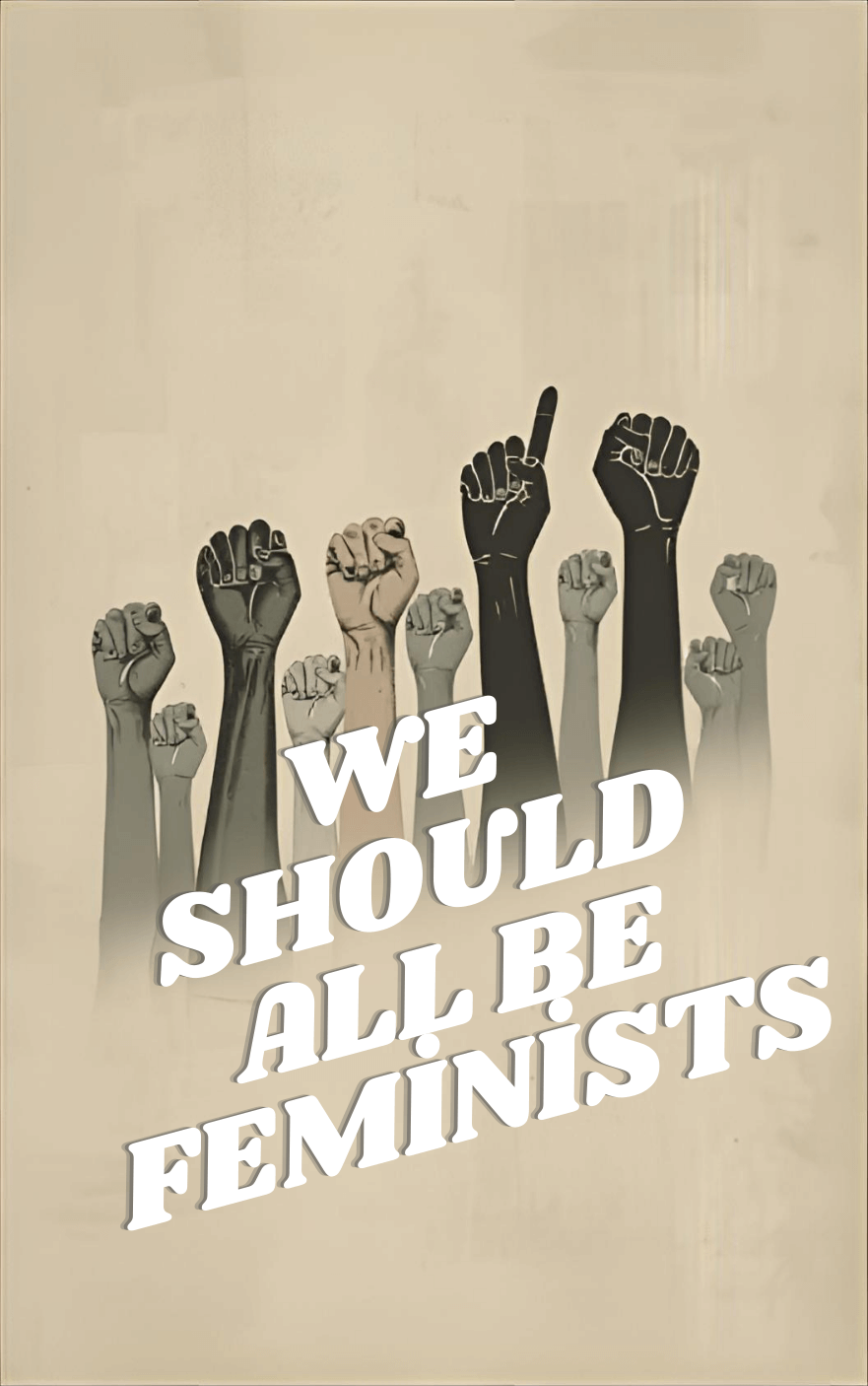
We Should All Be Feminists Book Summary
This We Should All Be Feminists Book Summary covers the key ideas, lessons, and takeaways in about 20 minutes.
Short Description:
We Should All Be Feminists calls for gender equality as fairness and freedom.
The book argues that feminism is not anger or antagonism but a simple belief in fairness and dignity. Embracing feminism means enabling everyone to live freely, without artificial limits imposed by tradition or fear. Adichie envisions a world where gender does not determine destiny, where children grow without cages, where respect is universal, and where both men and women can be whole. She urges us to recognize our responsibility in shaping this future and reminds us that culture changes only when individuals choose courage over compliance.
Helps with these goals
Want a Free Weekly Read?
Get a free summary every week straight to your mailbox.
Preview the We Should All Be Feminists book summary
Below is a preview of Sumizeit’s comprehensive human-written summary of We Should All Be Feminists by Chimamanda Ngozi Adichie. The full summary is 15-20 minutes long and covers the book’s key ideas in text, audio, visual, and video formats. Unlock the full 20 Minute Summary
Chimamanda Ngozi Adichie’s We Should All Be Feminists is a compelling exploration of gender inequality, the damage wrought by rigid social expectations, and the urgent need for collective transformation. Expanding upon her widely celebrated TEDx talk delivered in 2012, Adichie blends personal stories, cultural examination, and persuasive argumentation to redefine feminism for a modern world. The text confronts the misconceptions surrounding feminism and the harmful stereotypes associated with the word, insisting that feminism is simply about recognizing the full humanity of every individual. Adichie emphasizes that gender inequality is not a niche issue but a global human rights concern impacting emotional well-being, economic opportunity, physical safety, and personal identity.
The book is grounded in Adichie’s personal experiences growing up and living in Nigeria, where deeply entrenched gender norms shape the everyday realities of men and women. Through vivid examples—like being denied the position of class monitor despite earning the highest grade, or being treated with suspicion when entering public spaces alone—Adichie demonstrates how discrimination is woven into cultural habits so seamlessly that many fail to recognize it as injustice. She argues that feminism provides a framework not only for seeing these inequities clearly but also for dismantling them. In doing so, she urges both men and women to participate in building a fairer world.
The Weight of the Word “Feminist” and Its Misinterpretation
A central theme of Adichie’s work is the acknowledgement that the term “feminist” carries a burden of negative assumptions that discourages many who believe in equality from identifying with the movement. She recalls being labeled a feminist as a teenager, not as praise but as ridicule, and describes how this label was associated with hostility, bitterness, and masculinity. In many social environments, calling someone a feminist suggested they were angry, difficult, unattractive, unloving, or incapable of humor. Feminism was framed as radical extremism rather than a movement for fairness.
Adichie recounts multiple interactions illustrating this misunderstanding. A friend once remarked that feminists only turn to activism because they are unable to find husbands, implying that feminism is rooted in personal failure rather than social activism. Another acquaintance insisted that feminism is inherently anti-male, a belief that positions the movement as divisive rather than transformative. Even an academic once challenged Adichie’s feminist stance by claiming she was mimicking Western ideology rather than defending African values, suggesting that demanding equality is somehow un-African.
These encounters reveal a broader misunderstanding that feminism seeks dominance instead of equality. Adichie challenges this by reframing feminism as the belief that men and women deserve equal dignity, possibility, and opportunity in the world. Rejecting the caricatures that surround the word, she ultimately chooses to embrace it deliberately and proudly, refusing to shrink herself to avoid discomfort. Her embrace of the term becomes a declaration that demanding respect is not rebellion—it is humanity.
Socially Constructed Gender Roles and Their Harmful Effects
A core argument of the text is that gender expectations are constructed by society rather than determined by biology.
Want the complete 20-minute summary?
- Full structured summary
- Video Summary
- Podcast Summary
- Audio summary
- Key takeaways
- Exercises
- Quiz
- Highlights and notes
- Ask the book with AI
Who should read We Should All Be Feminists?
This book is essential for anyone seeking to understand gender inequality and its pervasive effects on society. Whether you're a student, professional, parent, or simply someone questioning traditional gender norms, Adichie's accessible writing and compelling personal stories make feminist theory relevant to your everyday life. It's particularly valuable for men and women who believe in equality but may have misconceptions about what feminism actually means.
Why does We Should All Be Feminists matter?
Gender inequality remains a pressing global issue that affects economic opportunity, physical safety, emotional well-being, and human potential in ways most people don't recognize. Chimamanda Ngozi Adichie's We Should All Be Feminists cuts through misconceptions about feminism and reveals how harmful gender norms restrict both men and women from living authentic, fulfilling lives. In a world where these issues continue to shape everything from workplace dynamics to family relationships, this book provides urgent clarity and a framework for meaningful change.
What are the key themes in We Should All Be Feminists?
- Redefining feminism as belief in human equality, not female dominance
- Gender roles are socially constructed and can be changed
- Restrictive masculinity harms men as much as restrictive femininity harms women
- Systemic inequality is embedded in everyday interactions and cultural habits
- Culture evolves through human choice, not immutable tradition
- Men are essential allies in achieving gender equality
- Personal identity and authentic expression matter across all genders
How can you apply ideas from We Should All Be Feminists?
- Examine your own childhood messages about gender and consciously challenge them in how you raise, teach, or mentor children
- Distribute household and caregiving responsibilities equally in your household regardless of gender, modeling equality for children and partners
- Listen actively when women describe their experiences with discrimination without dismissing or minimizing their perspectives
- Recognize and interrupt sexism in everyday moments—from assumptions about women's professional competence to credit given incorrectly to male colleagues
- Encourage children to explore interests and activities without gender constraints, whether that's engineering for girls or nurturing caregiving for boys
- Reflect on how you present yourself professionally and personally—determine whether you're authentically expressing yourself or conforming to others' gender expectations
- Engage men in conversations about how restrictive gender norms limit their emotional expression and encourage them to embrace vulnerability as strength
What common mistakes do readers make with We Should All Be Feminists?
- Assuming that wanting equality means women want dominance or superiority over men, when feminism actually seeks fairness and mutual respect
- Believing that feminism is a Western concept irrelevant to other cultures, when gender inequality and the desire for equality transcend geography and tradition
- Thinking that because women have made progress in some areas, gender equality has been fully achieved and feminist work is no longer necessary
- Treating gender norms as biological inevitabilities rather than social constructions, using nature as justification for limiting opportunities and expectations
- Assuming that private negotiations about household roles are sufficient without acknowledging the cultural beliefs that shape what women are taught to accept
- Overlooking how feminism benefits men by allowing them emotional authenticity and healthier relationships, viewing it only as a women's issue
Sumizeit Exercises Apply what you've learned
Turn ideas from We Should All Be Feminists into action with a short guided reflection: identify the biggest takeaway, connect it to your life, and commit to one step you can take in the next 24 hours.
What is the expert analysis of We Should All Be Feminists?
Overview
We Should All Be Feminists is a seminal work by Chimamanda Ngozi Adichie, a distinguished Nigerian author renowned for her incisive explorations of identity, culture, and social justice. Building upon her influential 2012 TEDx talk, Adichie offers a nuanced, accessible, and deeply personal manifesto that reframes feminism for a global audience. The book’s significance lies in its ability to bridge cultural divides, challenge entrenched gender norms, and articulate feminism not as a radical ideology but as a universal call for equality and human dignity. Adichie’s stature as a literary figure and public intellectual amplifies the book’s reach and impact, making it a cornerstone text in contemporary feminist discourse.
Core Thesis
At its heart, We Should All Be Feminists argues that feminism is an inclusive, necessary framework for recognizing and dismantling systemic gender inequality that harms both women and men. Adichie contends that gender roles are socially constructed limitations that restrict human potential and perpetuate injustice. She insists that feminism is not about female supremacy or antagonism toward men but about affirming equal respect, opportunity, and freedom for all genders. The book emphasizes that cultural change is imperative and achievable, urging collective responsibility to foster a society where gender no longer dictates destiny or worth.
Strengths
- Clarity and Accessibility: Adichie’s prose is lucid and compelling, making complex feminist theory approachable without diluting its intellectual rigor.
- Personal Narrative Integration: The use of vivid personal anecdotes grounds abstract concepts in lived experience, enhancing emotional resonance and credibility.
- Cultural Contextualization: By situating gender inequality within Nigerian and broader African contexts, the book expands feminist discourse beyond Western paradigms, enriching global understanding.
- Balanced Perspective on Gender: The book thoughtfully addresses how restrictive norms negatively impact men, broadening the conversation to encompass all affected by patriarchy.
- Call to Action: Adichie’s insistence on the active participation of both men and women in achieving equality underscores feminism’s collective and transformative potential.
Critiques & Counterarguments
- Potential Oversimplification: While the book’s brevity aids accessibility, some arguments may appear reductive, glossing over the complexities and intersections of race, class, and global feminism.
- Limited Engagement with Opposing Views: The text could deepen its engagement with critiques of feminism from cultural relativist or conservative perspectives, which argue for the preservation of traditional gender roles as integral to social cohesion.
- Emphasis on Social Constructionism: Adichie’s focus on cultural determinants of gender roles may underplay biological or psychological research suggesting innate differences, which some scholars argue should inform nuanced gender discussions.
- Western Feminist Influence: Critics from postcolonial or African feminist standpoints might challenge Adichie’s framing as overly influenced by Western feminist discourse, potentially marginalizing indigenous feminist expressions.
- Real-World Resistance to Change: The optimistic view of culture as malleable may underestimate entrenched patriarchal structures and the socio-economic forces that sustain gender inequality globally.
Who Should Read This
This book is essential reading for anyone seeking a clear, heartfelt introduction to contemporary feminism that transcends cultural boundaries. It is particularly valuable for:
- Students and scholars of gender studies, African literature, and social justice looking for a concise yet profound feminist perspective.
- Activists and policymakers aiming to understand the cultural dimensions of gender inequality and the importance of inclusive dialogue.
- Readers new to feminist thought who desire an accessible entry point without sacrificing depth or seriousness.
- Men and women interested in exploring how rigid gender norms harm all individuals and how collective action can foster equitable societies.
- Global audiences seeking to appreciate feminism’s relevance beyond Western contexts and to engage with diverse feminist voices.
Frequently asked questions about the We Should All Be Feminists book summary
What is We Should All Be Feminists about?
We Should All Be Feminists by Chimamanda Ngozi Adichie is an essay that explores gender inequality and challenges misconceptions about feminism. Expanding on her TED talk, Adichie argues that feminism is simply the belief that men and women deserve equal dignity and opportunity, and she examines how harmful gender norms restrict human potential for both sexes. The book uses personal stories from her life in Nigeria to illustrate how sexism is embedded in everyday interactions and cultural habits.
Who should read We Should All Be Feminists?
This book is valuable for anyone interested in understanding gender inequality, including students, professionals, parents, and anyone questioning traditional gender roles. It's particularly important for men who want to understand how they can be allies in achieving equality and for women seeking language to articulate experiences of discrimination they may have felt but not named. Adichie's clear, accessible writing makes feminist theory relevant to everyday life regardless of your starting point on these issues.
What are the main takeaways from We Should All Be Feminists?
The main takeaways are: feminism means believing in equality, not female dominance; gender roles are socially constructed and changeable; restrictive norms harm both men and women; sexism is woven into everyday interactions; culture evolves through human choice; childhood is where change must begin; and men are essential allies. Adichie emphasizes that gender equality benefits all of society by allowing people to live authentically without artificial limits imposed by tradition.
How does Adichie address the negative perception of the word 'feminist'?
Adichie acknowledges that 'feminist' carries baggage of negative assumptions—that feminists are angry, hostile, or anti-male—which discourages people from embracing the label despite believing in equality. She reframes feminism as simply advocating for fairness and dignity, rejecting the caricatures that surround the word. Adichie argues that avoiding the term obscures the reality of women's unique historical oppression and that reclaiming the word is an act of refusing to shrink yourself for others' comfort.
What does Adichie say about how gender affects men?
Adichie argues that restrictive masculinity harms men by teaching them that emotional expression is weakness and that their worth depends on dominance, financial success, and control. This creates emotionally isolated men with fragile egos who struggle to form authentic connections. She emphasizes that gender equality benefits men by allowing them to experience emotions fully, seek help when needed, and build relationships based on genuine connection rather than hierarchical control.
How does the book address the argument that feminism is culturally inappropriate?
Adichie counters the claim that demanding equality is un-African or un-traditional by pointing out that culture is created by people and changes over time. She gives the example of harmful practices once considered cultural that are now abandoned, proving that traditions can evolve. She argues that clinging to tradition for its own sake protects injustice and that true cultural values should reflect human dignity and moral reasoning rather than perpetuate oppression.
What does Adichie suggest about raising children to support gender equality?
Adichie advocates raising children based on ability and interest rather than gender, assigning household responsibilities fairly rather than by gender, and encouraging exploration of any activity without shame. She emphasizes that when children see equality modeled in their homes—through equally distributed parenting and domestic work—they internalize fairness as normal. This foundation shapes their emotional and professional futures and breaks the cycle of self-perpetuating inequality.
Does Adichie believe femininity contradicts feminist values?
No. Adichie explicitly rejects the idea that to be respected as a feminist, a woman must minimize appearance or emotional expression. She declares that wearing lipstick, enjoying fashion, or loving high heels does not contradict intelligence, strength, or feminist values. Feminism, she argues, means giving women full freedom to choose how they express themselves—whether that expression is feminine, masculine, or anything in between—without apology or fear of losing credibility.
About Sumizeit
Sumizeit is a profitable Scomy LLC company based in Miami, Florida. Our founders, Clemens Raemy and Weina Scott, are successful entrepreneurs with several exits. Sumizeit is a popular book summary app / micro learning app used by busy professionals and entrepreneurs with over 2,500 non-fiction book summaries and 10,000 podcast summaries in text, audio, visual, podcast, and video format. We also have stellar retention tools to make ideas stick - such as flashcards with spaced repetition, quizzes, streaks, highlighting and notes, daily challenges, riddles, mini-courses, meditation, and more. You won't only learn the idea, but also remember it. Over 90% of our users change their habits with Sumizeit.
Upgrade Now
Here's why readers love Sumizeit
Join thousands of learners getting smarter every day
"Great experience. Detailed summaries. Loved the gamification feature. Makes learning fun. Good customer service. I recommend Sumizeit to anyone. You'll learn a lot."
"I always felt busy but still wanting to keep up with the book discussion in my friend group. This was a great supplement to help me keep reading the books I find fun while keeping up with important books."
"I love this website. Instead of scrolling social media, I find myself learning a lot. I use it everyday. I recommend this app for anyone who is too busy and wants to get up to speed with their favorite books."
We Should All Be Feminists Book Summary PDF
Looking for a We Should All Be Feminists Book Summary PDF you can save and revisit offline? Our We Should All Be Feminists Book Summary PDF captures the book’s core ideas in a clean, printable format — the key frameworks, takeaways, and structure without the fluff. Download the We Should All Be Feminists Book Summary PDF when you want a reference you can annotate, share with your team, or review on the go. Get your We Should All Be Feminists Book Summary PDF from the download page below.
Download We Should All Be Feminists Book Summary PDFPeople also liked these summaries
Readers who explored We Should All Be Feminists often enjoyed these titles next.





Ready to read the whole thing?
- Full structured summary
- Video Summary
- Podcast Summary
- Audio summary
- Key takeaways
- Exercises
- Quiz
- Highlights and notes
- Ask the book with AI
Featured Book Titles
Popular Book Summaries at sumizeit, leading book summary app