


As an Amazon Associate, Sumizeit earns from qualifying purchases.
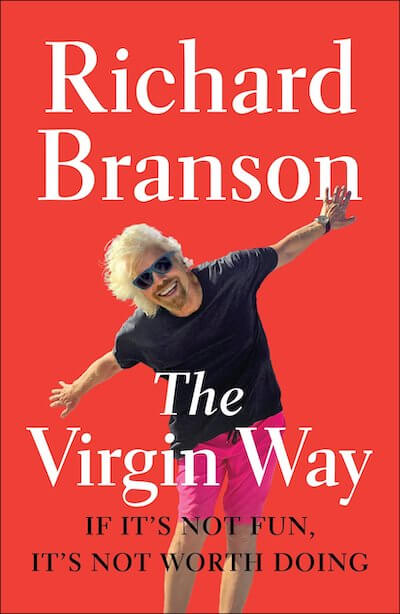
The Virgin Way Book Summary
This The Virgin Way Book Summary covers the key ideas, lessons, and takeaways in about 20 minutes.
Helps with these goals
Want the complete 20-minute summary?
- Full structured summary
- Video Summary
- Podcast Summary
- Audio summary
- Key takeaways
- Exercises
- Quiz
- Highlights and notes
- Ask the book with AI
What is in the The Virgin Way book summary?
Below is a preview of Sumizeit’s expert-written summary of The Virgin Way by Richard Branson. The full summary covers the book’s key ideas in text, audio, and video.
Richard Branson is well known for doing things his way. As the successful founder of Virgin Group which controls over 400 companies, he’s made his unique mark on many industries, from airplanes to his own brand of cola. His unique perspective on business has influenced everything: from the way he acts with his employees, to what he values most in a company, and his leadership style. Read on to discover how Branson did business his way: with practical applications for how you can be a better businessman. Learn more about how to be a better decision-maker, the right way to discipline employees, and one of the most important skills someone needs to be an effective leader.
Branson doesn’t discipline his employees. Why not? He learned the hard way, as a kid, that some things were worse than punishment. He talks about how when he was growing up, he used to steal spare change from his father so he could get candy from the candy store. Eventually, the shopkeeper became suspicious of Branson and confronted his father with his suspicions. Branson came home that day fearfully: he was afraid of what his father would do and how he would be punished. However, his father never punished him: he just gave him the cold shoulder for a little while. To Branson, this was far worse than any punishment. He realized that he had disappointed his father, and that stung more than any punishment could. He took this principle to heart, and it influenced his leadership style later on. When Branson was in charge of Virgin Records, he discovered that his employee was stealing records and selling them. Instead of punishing his employee, he talked to him and then gave him a second chance. The employee was never caught stealing from the company again. In fact, he became an asset. He discovered several hit artists like Boy George: hit artists that Branson would have been robbed of, had he fired his employee to punish him.
Listening is also very important. According to Branson, listening is one of the most important qualities that a successful leader can demonstrate, and is usually a hallmark of a successful leader. When Branson worked at his magazine, Student, as a teenager, he had the opportunity to interview John Le Carre, a famous novelist. Since Branson’s tape recorder was constantly broken, he interviewed him without one. Soon, this became a habit as he learned diligent note-taking and listening. This is a habit he still carries with him today. He’s noticed it in other successful business owners as well. He gave a speech in Greece about business and noticed that there was one audience member who stood out. During the question and answer portion, he asked thoughtful questions, took notes, and asked meaningful follow-up questions, showing that he was listening closely and intently. The person in question is named Sir Stelios Haji-Ioannou, son of a wealthy businessman.
Want the complete 20-minute summary?
- Full structured summary
- Video Summary
- Podcast Summary
- Audio summary
- Key takeaways
- Exercises
- Quiz
- Highlights and notes
- Ask the book with AI
Who should read The Virgin Way?
The Virgin Way is ideal for entrepreneurs, business leaders, and managers seeking to build thriving company cultures and make better decisions. It's also valuable for anyone interested in learning how unconventional thinking and people-first leadership can drive success across multiple industries. High school dropouts and non-traditional thinkers will find particular resonance in Branson's philosophy that formal education isn't the only path to business excellence.
Why does The Virgin Way matter?
Richard Branson's approach to leadership challenges conventional wisdom at a time when many businesses struggle with employee retention, innovation, and decision-making under uncertainty. His emphasis on listening, company culture, and thoughtful risk-taking offers practical alternatives to rigid corporate hierarchies that many modern workplaces are moving away from. The book provides real-world examples of how prioritizing employee wellbeing and human connection can yield both moral and financial rewards in competitive industries.
What are the key themes in The Virgin Way?
- The power of listening as a cornerstone of effective leadership
- Building workplace culture where employees genuinely enjoy coming to work
- Making bold decisions by balancing intuition with thoughtful analysis
- Learning from failure rather than punishing mistakes
- Innovation through unconventional thinking and perspective
- The importance of human relationships over formal processes
- Education systems and entrepreneurial mindset development
What are the key lessons from the The Virgin Way book summary?
Disappointment Often Teaches Better Than Punishment
Branson learned as a child that the disappointment of letting down someone you respect cuts deeper than any punishment. This principle shaped his leadership approach, allowing him to give second chances that transformed underperforming employees into valuable assets.
Active Listening is a Competitive Advantage
Successful leaders distinguish themselves through genuine listening—taking notes, asking thoughtful follow-up questions, and showing they truly care about understanding others. This habit, developed early through necessity, became one of Branson's most powerful business tools.
Company Culture Directly Impacts Profitability
When employees enjoy their work and colleagues, productivity and loyalty increase dramatically. Southwest Airlines' 40-year profitability streak demonstrates that fun, human-centered workplaces consistently outperform competitors.
Persistence in Conviction Can Attract Luck
When you truly believe in an idea and continue advocating for it despite doubt, you position yourself to benefit from unexpected opportunities. Branson's persistence with Tubular Bells led to perfect timing when a film director needed exactly that sound.
Thoughtful Procrastination Beats Reckless Speed
While some decisions benefit from quick action, major strategic choices improve when delayed deliberately for thorough research and analysis. This approach saved Branson from the 2007 housing crisis that caught many investors.
Innovation Comes from Questioning Assumptions
Branson succeeds by identifying overlooked factors others ignore—like airport experience time in air travel—and revolutionizing those aspects. Fresh perspectives often reveal opportunities competitors have missed.
Gut Instinct Combined with Data Creates Better Outcomes
Neither pure intuition nor pure analysis guarantees success; the most effective decisions blend both. Branson's willingness to trust his instincts while also gathering information creates a powerful decision-making framework.
Second Chances Often Create More Value Than Dismissal
Firing an employee who made a mistake eliminates both the person and any potential they might realize. Giving a genuine second chance can transform someone into a high-performing team member.
Location and Experience Matter as Much as Product
Branson's Times Square Virgin Megastore succeeded not just on products but on creating an experience in an unexpected location. The store became a destination that revitalized the area around it.
Formal Education Isn't Required for Entrepreneurial Success
Despite dropping out of high school, Branson built one of the world's most successful business empires. Real-world learning and personality traits like individuality matter more than credentials in entrepreneurship.
Entrepreneurs Should Be Taught Failure as Growth, Not Defeat
Education systems that treat failure as something to avoid discourage the risk-taking necessary for innovation. Reframing failure as a learning opportunity would better prepare young people for business.
Standardized Education Systems Suppress Entrepreneurial Thinking
Schools encourage conformity and existing career paths rather than nurturing the individualism and passion that drive business creation. This systemic approach limits the entrepreneurs the world could develop.
Network Building Through Genuine Relationships Yields Unexpected Returns
One casual coffee meeting led to a 1% investment stake in Google worth billions. Branson's openness to people and genuine interest in others created networks that benefited him exponentially.
Diversification Works When Core Values Remain Consistent
Virgin's 400+ companies succeed because they're all united by Branson's philosophy of innovation and employee care, not by being in the same industry. Consistency in values allows safe expansion.
Humility and Humor Build Stronger Organizations
Leaders who can laugh at themselves and create playful work environments foster loyalty and engagement. Southwest Airlines' arm-wrestling challenge and hidden flight attendants exemplify this principle.
Saying No to Unclear Deals Protects Long-Term Success
When Goldman Sachs presented an opportunity Branson couldn't fully understand, his team delayed and researched instead of rushing to capitalize. This caution protected Virgin from participating in the housing crisis.
Employees Should Be Treated as Humans First, Workers Second
When you prioritize the wellbeing and enjoyment of your employees, they reciprocate with loyalty, creativity, and higher performance. Human-centered leadership creates competitive advantages.
Age and Inexperience Are Not Barriers to Success
Branson started his first business at 16 and created a magazine that led to interviews with famous novelists. Youth and enthusiasm can overcome lack of experience if paired with determination.
Challenge the Status Quo of Your Industry
Most airlines focused on the flight experience; Branson revolutionized airports. By identifying what competitors ignored, you can create entirely new value propositions.
Trust Your Instincts But Verify With Research
Branson's most successful decisions combined his intuitive sense with thorough investigation. This hybrid approach minimizes both impulsive mistakes and analysis paralysis.
Want the complete 20-minute summary?
- Full structured summary
- Video Summary
- Podcast Summary
- Audio summary
- Key takeaways
- Exercises
- Quiz
- Highlights and notes
- Ask the book with AI
How can you apply ideas from The Virgin Way?
- Implement a listening-first leadership style: take notes in meetings, ask follow-up questions, and demonstrate genuine interest in employee perspectives before making decisions
- Replace punitive discipline systems with conversations that emphasize disappointment and missed expectations, then offer second chances to see if people can improve
- Audit your workplace culture by asking whether employees would choose to work there if they didn't need the paycheck; identify specific changes that could increase enjoyment
- Create a decision-making framework that designates some choices for quick intuitive action and others for deliberate research and analysis based on stakes and reversibility
- When considering a major investment or partnership, commit to a fact-finding period before deciding rather than jumping on time-pressure salesmanship
- Identify one underserved aspect of your customer experience (like Branson found with airport time) and innovate specifically in that area
- Cultivate genuine networks by having real conversations with interesting people without calculating immediate business benefit; track unexpected opportunities that emerge years later
What common mistakes do readers make with The Virgin Way?
- Assuming that quick decision-making always leads to better results; some decisions genuinely improve with deliberate delay and research
- Disciplining or firing underperforming employees without giving them the opportunity to prove they can change through a second chance
- Focusing only on the primary product or service experience while ignoring adjacent touchpoints that significantly impact customer satisfaction
- Building a business strategy purely on data and analysis without trusting intuition or following gut instincts about emerging opportunities
Sumizeit Exercises Apply what you've learned
Turn ideas from The Virgin Way into action with a short guided reflection: identify the biggest takeaway, connect it to your life, and commit to one step you can take in the next 24 hours.
What is the expert analysis of The Virgin Way?
Overview
The Virgin Way is authored by Sir Richard Branson, a globally recognized entrepreneur and founder of the Virgin Group, which encompasses over 400 companies. Branson’s significance lies not only in his vast business empire spanning diverse industries—from airlines to music and beverages—but also in his distinctive leadership philosophy that challenges conventional corporate norms. His approach to business, leadership, and innovation offers a fresh, experience-driven perspective that resonates with both seasoned professionals and aspiring entrepreneurs. This book distills Branson’s unconventional methods and personal anecdotes into actionable insights, making it a noteworthy contribution to contemporary business literature.
Core Thesis
At its core, The Virgin Way advocates for a leadership style grounded in empathy, risk-taking, and innovation, emphasizing the human element over rigid corporate discipline. Branson argues that successful leadership stems from listening intently, fostering a fun and engaging company culture, and embracing thoughtful risk-taking. He posits that traditional punitive measures are less effective than understanding and second chances, and that decision-making benefits from a balance between impulsivity and deliberate procrastination. Moreover, Branson underscores the importance of challenging established systems—particularly in education—to cultivate entrepreneurial spirit and resilience in the face of failure.
Strengths
- Authentic Voice: Branson’s narrative is deeply personal, drawing from decades of real-world experience, which lends credibility and relatability to his advice.
- Human-Centered Leadership: The book’s emphasis on empathy, listening, and valuing employees as assets rather than liabilities challenges traditional hierarchical models.
- Practical Anecdotes: Stories such as the handling of a stealing employee or the success of Tubular Bells vividly illustrate abstract leadership principles in action.
- Innovative Perspective: Branson’s focus on overlooked aspects, like improving the airport experience or revitalizing Times Square through retail placement, showcases creative problem-solving.
- Balanced Decision-Making: The concept of “thoughtful procrastination” introduces a nuanced approach to leadership decisions, blending intuition with research.
Critiques & Counterarguments
- Oversimplification of Complex Issues: Branson’s dismissal of traditional discipline and education systems may underestimate the complexities and systemic challenges inherent in these domains. For example, while empathy is crucial, some organizational contexts require firmer accountability mechanisms to maintain standards and fairness.
- Selective Anecdotal Evidence: The book heavily relies on personal stories and successes, which, while compelling, may not be universally applicable or replicable. The absence of rigorous empirical data limits the generalizability of Branson’s conclusions.
- Risk-Taking Bias: Branson’s celebration of risk and impulsivity glosses over the failures and financial losses incurred by some Virgin ventures (e.g., Virgin Brides and Virgin Cola). This could mislead readers about the viability of such approaches without adequate risk management frameworks.
- Contrasting Leadership Theories: Competing schools of thought, such as transformational leadership or evidence-based management, emphasize structured strategies and measurable outcomes, which may conflict with Branson’s more intuitive and personality-driven approach.
- Educational Reform Complexity: While Branson advocates for entrepreneurial education and embracing failure, critics argue that systemic educational reform requires multi-layered policy changes and cannot rely solely on entrepreneurial role models or shifting curricula.
Who Should Read This
The Virgin Way is ideally suited for entrepreneurs, business leaders, and managers seeking inspiration to break free from conventional leadership molds. It appeals to readers who value experiential wisdom and are open to integrating empathy, innovation, and risk-taking into their leadership style. Additionally, those interested in the intersection of business and personal development will find Branson’s reflections on culture and decision-making particularly insightful. However, readers looking for rigorous academic analysis or step-by-step frameworks may find the book’s anecdotal style less satisfying.
Frequently asked questions about the The Virgin Way book summary
What is The Virgin Way about?
The Virgin Way by Richard Branson is a business philosophy and leadership guide drawn from Branson's experiences building the Virgin Group into a 400+ company empire. The book explores Branson's unconventional approach to leadership, decision-making, company culture, and innovation, emphasizing the importance of listening, treating employees as humans first, and balancing intuitive risk-taking with thoughtful analysis.
Who should read The Virgin Way?
The Virgin Way is ideal for entrepreneurs, business leaders, and managers who want to build stronger company cultures and make better decisions. It's particularly valuable for those who feel constrained by traditional corporate hierarchies and for anyone interested in unconventional thinking. Non-traditional thinkers and those without formal business education will find Branson's high school dropout-to-billionaire path especially inspiring.
What are the main takeaways from The Virgin Way?
The main takeaways include that listening is a cornerstone of effective leadership, company culture directly impacts profitability, disappointment teaches better than punishment, thoughtful procrastination beats reckless speed, and innovation comes from questioning industry assumptions. Branson emphasizes balancing intuition with research, giving employees second chances, and building businesses on human connection rather than rigid processes.
Why is listening considered so important in The Virgin Way?
Branson identifies listening as one of the most important qualities of successful leaders, having developed the habit as a teenager through interviews without a tape recorder. He observes this trait in other successful entrepreneurs and believes that leaders who take notes, ask thoughtful follow-up questions, and demonstrate genuine interest in understanding others build stronger relationships and make better decisions.
How does Branson approach employee discipline?
Rather than punishing employees, Branson gives them second chances and has conversations about disappointment. He learned as a child that the disappointment of letting down someone you respect cuts deeper than punishment, and he applied this principle to business by allowing underperforming employees to improve rather than firing them—often resulting in them becoming valuable assets.
What is thoughtful procrastination in decision-making?
Thoughtful procrastination is Branson's approach to major decisions where he and his team deliberately delay making a choice to allow time for thorough research and analysis. This method prevented Virgin from investing in Goldman Sachs' mortgage opportunities that contributed to the 2007 housing crisis, demonstrating how calculated delays can protect against poor decisions.
How does Branson view failure and innovation?
Branson sees failure not as something to avoid but as an opportunity for growth and learning. He believes education systems discourage innovation by treating failure negatively, and he advocates for teaching entrepreneurs to view mistakes as stepping stones. His philosophy extends to business, where taking calculated risks and learning from setbacks drive innovation and competitive advantage.
Does formal education matter according to The Virgin Way?
No—Branson dropped out of high school yet built a billion-dollar empire, proving that formal credentials aren't required for business success. He argues that schools suppress individualistic thinking and entrepreneurial spirit by emphasizing standardized testing and existing career paths. He believes real-world learning, personality traits like passion and individuality, and willingness to take risks matter more than traditional education.
About Sumizeit
Sumizeit is a profitable Scomy LLC company based in Miami, Florida. It has been helping readers learn from nonfiction books for 7 years with expert-written summaries in text, audio, podcast, and video.
Want the complete 20-minute summary?
- Full structured summary
- Video Summary
- Podcast Summary
- Audio summary
- Key takeaways
- Exercises
- Quiz
- Highlights and notes
- Ask the book with AI
Here's why readers love Sumizeit
Join thousands of learners getting smarter every day
"Great experience. Detailed summaries. Loved the gamification feature. Makes learning fun. Good customer service. I recommend Sumizeit to anyone. You'll learn a lot."
"I always felt busy but still wanting to keep up with the book discussion in my friend group. This was a great supplement to help me keep reading the books I find fun while keeping up with important books."
"I love this website. Instead of scrolling social media, I find myself learning a lot. I use it everyday. I recommend this app for anyone who is too busy and wants to get up to speed with their favorite books."
The Virgin Way Book Summary PDF
Looking for a The Virgin Way Book Summary PDF you can save and revisit offline? Our The Virgin Way Book Summary PDF captures the book’s core ideas in a clean, printable format — the key frameworks, takeaways, and structure without the fluff. Download the The Virgin Way Book Summary PDF when you want a reference you can annotate, share with your team, or review on the go. Get your The Virgin Way Book Summary PDF from the download page below.
Download The Virgin Way Book Summary PDFPeople also liked these summaries
Readers who explored The Virgin Way often enjoyed these titles next.


Want the complete 20-minute summary?
- Full structured summary
- Video Summary
- Podcast Summary
- Audio summary
- Key takeaways
- Exercises
- Quiz
- Highlights and notes
- Ask the book with AI
Featured Book Titles
Popular Book Summaries at sumizeit, leading book summary app