


As an Amazon Associate, Sumizeit earns from qualifying purchases.
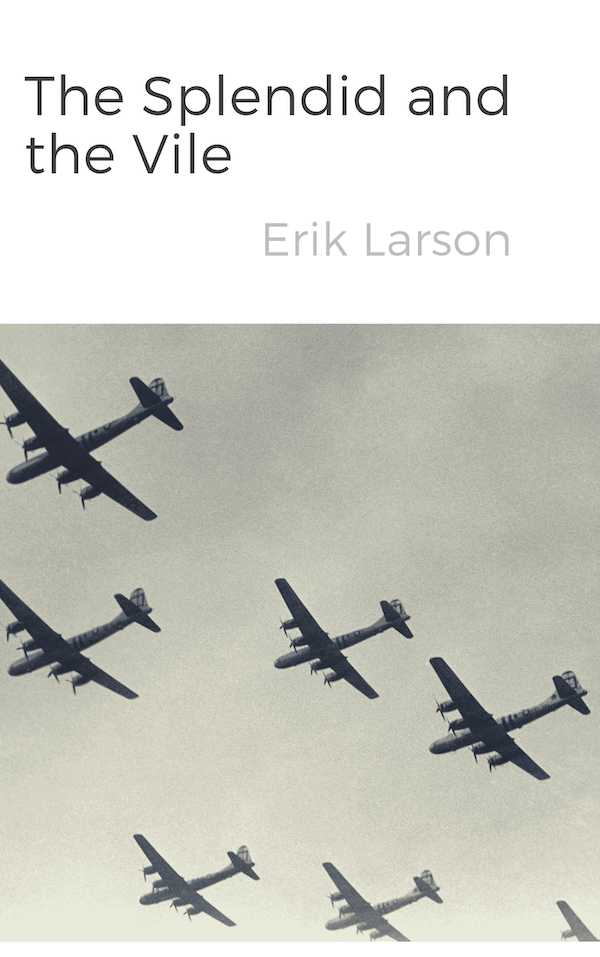
The Splendid and the Vile Book Summary
This The Splendid and the Vile Book Summary covers the key ideas, lessons, and takeaways in about 20 minutes.
Helps with these goals
Want the complete 20-minute summary?
- Full structured summary
- Video Summary
- Podcast Summary
- Audio summary
- Key takeaways
- Exercises
- Quiz
- Highlights and notes
- Ask the book with AI
What is in the The Splendid and the Vile book summary?
Below is a preview of Sumizeit’s expert-written summary of The Splendid and the Vile by Erik Larson. The full summary covers the book’s key ideas in text, audio, and video.
Prime Minister Winston Churchill’s first year of leadership was marked by continuous air raids, death, and destruction, but he met these challenges with resilience and grim resolve. He refused to back down to the Nazis and focused his efforts on enlisting the American aid and support that would help the British win the war. Despite sustaining high civilian death tolls and mass homelessness, the UK held against the Nazis until Churchill was able to secure Roosevelt’s support. A third-ranking Nazi official, Rudolf Hess, tried to arrange a secret peace deal with Britain, but by the time he delivered his message, Churchill had no interest in pursuing peace. In June of 1941, Hitler diverted his attention to the east, launching an attack on Russian Bolsheviks, which distracted him from his efforts in England and ended the threat of a Nazi invasion of the UK. In December of 1941, the Japanese attacked Pearl Harbor, bringing the United States fully into the war and securing Churchill’s confidence that the Allies would emerge victoriously.
Churchill Needed To Enlist American Help
By May of 1940, the Nazis had invaded France, and Winston Churchill, the new Prime Minister of the United Kingdom, knew that Britain would soon be forced to enter the war to defend their ally. Churchill had only recently been appointed Prime Minister, after the Parliament's vote of no confidence in his predecessor, Neville Chamberlain, who had tried to appease Hitler and failed.
The Nazis possessed formidable military force, and most people doubted that the UK had any chance of defeating them. However, Churchill had confidence in Britain’s ability to win the war, but he also knew that American involvement would be necessary in order to ensure victory. Convincing the US to help Britain was Churchill’s main goal. However, in order to convince the US President, Franklin D Roosevelt, to enter the war in support of the UK, he had to convince them that Britain had a good chance of defeating the Nazis.
The US government did not want to get involved in the war, especially so soon after they had come back from World War I. They were also mistrustful of Churchill. They feared he would be an unreliable ally, and some were skeptical of his drinking habits. Churchill was an eccentric man, who had unusual working habits. He liked to bathe twice a day, and would retrieve phone calls naked from his private secretary if he received one while in the bath. He kept odd hours and would wander the halls in flowery dressing downs.
Despite Churchill’s eccentricities, the British people put their trust in him, and he took his job very seriously. He was realistic about the grim predicament the country was in, but demonstrated a firm resolve and provided some measure of hope to his countrymen. He focused all his energy on preventing a Nazi invasion of England and committed all his efforts to ensure Britain would win the war.
The Dunkirk Rescue Boosted British Morale
The Nazis were already…
Want the complete 20-minute summary?
- Full structured summary
- Video Summary
- Podcast Summary
- Audio summary
- Key takeaways
- Exercises
- Quiz
- Highlights and notes
- Ask the book with AI
Who should read The Splendid and the Vile?
This book is essential for World War II enthusiasts, history students, and anyone interested in leadership during crisis. Readers will find compelling narratives about Churchill's determination, the London Blitz, and the political maneuvering that shaped the war's outcome. If you're curious about how personal resilience and diplomatic strategy can influence historical events, The Splendid and the Vile offers a gripping exploration.
Why does The Splendid and the Vile matter?
Erik Larson's account reveals how Churchill's unwavering resolve prevented Britain from surrendering during its darkest hour, fundamentally altering the course of World War II. The book demonstrates the critical role of American support and shows how a leader's character can sustain a nation through sustained bombardment and seemingly impossible odds. Understanding this pivotal moment helps explain how the war eventually turned in the Allies' favor and shaped the modern world.
What are the key themes in The Splendid and the Vile?
- Steadfast leadership under extreme pressure
- The power of diplomatic persuasion
- Civilian resilience during wartime
- The role of technological innovation in warfare
- Strategic decision-making with incomplete information
- Personal eccentricity and effective leadership
What are the key lessons from the The Splendid and the Vile book summary?
Resolve Can Inspire a Nation
Churchill's unwavering determination to resist the Nazis, despite overwhelming odds and massive civilian casualties, became a beacon of hope that sustained the British people through relentless bombing campaigns.
Diplomatic Persistence Pays Off
Churchill's strategy of sending daily telegrams and carefully framed appeals to Roosevelt demonstrated how sustained, strategic communication can eventually shift a powerful ally's position.
Small Tactical Advantages Can Shift Outcomes
Britain's radar technology and pilots' understanding of enemy aircraft weaknesses allowed them to match a numerically superior Luftwaffe, showing how intelligence and tactical knowledge matter as much as raw firepower.
Morale Wins Wars
The successful Dunkirk evacuation and Churchill's public tours of bomb-damaged areas boosted British morale at critical moments, proving that a leader's visible commitment to their people strengthens collective resolve.
Timing and Luck Are Strategic Factors
Hitler's decision to halt tanks at Dunkirk and later pivot to Operation Barbarossa provided Churchill with unexpected opportunities that proved decisive in Britain's survival.
Enemy Miscalculation Creates Opportunities
Hitler's intelligence failures regarding the Royal Air Force's strength, combined with his assumption that Britain would surrender quickly, led to strategic errors that gave Churchill the time needed to secure American support.
A Leader's Personality Can Both Help and Hinder
Churchill's eccentricities—from bathing twice daily to his unconventional work habits—were initially seen as liabilities by American allies but ultimately didn't prevent him from achieving his strategic goals.
Civilian Suffering Requires Visible Leadership Response
Churchill's decision to tour bomb-damaged areas, even as Westminster Hall burned and thousands died, sent a powerful message that leadership meant sharing in the nation's trials.
Industrial Mobilization Is a Weapon
Churchill's creation of the Ministry of Aircraft Production and appointment of Lord Beaverbrook enabled Britain to manufacture fighter planes faster than Germany expected, partially offsetting the Luftwaffe's numerical advantage.
Peace Offers From the Enemy Should Be Viewed With Skepticism
Rudolf Hess's attempted peace negotiations revealed that some Nazis opposed the bombing campaign, but Churchill correctly understood that accepting any deal would undermine Britain's strategic position.
Two-Front Wars Stretch Resources Dangerously Thin
Hitler's decision to launch Operation Barbarossa while still fighting Britain demonstrated how overextension can force a leader to abandon one objective for another, inadvertently saving Britain from invasion.
Sustained Attack Can Erode Even Strong Resolve
Eight months of continuous bombing, killing over 44,000 British civilians, nearly broke the nation's spirit, showing that even the most determined leadership faces limits when facing relentless pressure.
Foreign Alliances Must Be Cultivated With Care
Roosevelt's initial mistrust of Churchill required patience and strategic communication before transforming into the partnership that brought American resources to Britain's defense.
Public Communication Shapes Strategic Outcomes
Roosevelt's Christmas Fireside Chat publicly committing support to Britain had powerful effects both domestically and internationally, demonstrating how a leader's words can reinforce military strategy.
Crisis Reveals True Character
The London Blitz stripped away all pretense and revealed who truly committed themselves to victory—from Churchill to ordinary Londoners planting flags in rubble—showing how adversity exposes authentic leadership.
Information Quality Affects Military Outcomes
German intelligence failures about British aircraft production and RAF strength undermined Goering's planning, illustrating how poor intelligence can lead even powerful forces toward defeat.
A Leader Must Maintain Hope While Acknowledging Reality
Churchill balanced his realistic assessment of Britain's vulnerability with expressions of confidence in eventual victory, preventing despair while avoiding dangerous overconfidence.
Visible Symbols of International Support Boost Morale
Harry Hopkins's visit to London and American destroyer shipments signaled that the British were not alone, providing psychological reassurance as important as the material resources themselves.
Strategic Flexibility Requires Willingness to Change Course
When Hitler shifted focus to Russia, Churchill quickly adjusted to ally with the Soviet Union despite his anti-communist views, showing that survival sometimes requires ideological compromise.
Victory Requires Patience and Long-Term Commitment
From May 1940 to December 1941, Churchill had to sustain Britain's resistance for over a year and a half before external events (Pearl Harbor and Operation Barbarossa) transformed the strategic situation in the Allies' favor.
Want the complete 20-minute summary?
- Full structured summary
- Video Summary
- Podcast Summary
- Audio summary
- Key takeaways
- Exercises
- Quiz
- Highlights and notes
- Ask the book with AI
How can you apply ideas from The Splendid and the Vile?
- Study how organizations facing existential threats can maintain morale and focus when outcomes seem uncertain
- Apply Churchill's diplomatic strategy of persistent, carefully framed communication when seeking support from skeptical stakeholders
- Use the Dunkirk evacuation as a case study in converting potential disasters into morale-boosting victories through decisive action
- Examine how visible leadership presence during crises—touring affected areas and sharing in hardship—strengthens organizational cohesion
- Consider how technological and tactical advantages can offset numerical disadvantages in competitive situations
- Analyze the importance of securing strategic partnerships early, even before their full value becomes apparent
- Reflect on how a leader's personal resilience and refusal to surrender influences the collective determination of the people they lead
What common mistakes do readers make with The Splendid and the Vile?
- Underestimating how much time and repeated persuasion may be needed to shift powerful allies' positions on critical issues
- Assuming that numerical or technological superiority alone guarantees victory without accounting for morale, resilience, and tactical flexibility
- Failing to communicate visibly with affected populations during crises, missing opportunities to reinforce collective resolve
- Overextending resources by fighting on multiple fronts simultaneously without the capacity to sustain such a strategy
Sumizeit Exercises Apply what you've learned
Turn ideas from The Splendid and the Vile into action with a short guided reflection: identify the biggest takeaway, connect it to your life, and commit to one step you can take in the next 24 hours.
What is the expert analysis of The Splendid and the Vile?
Overview
The Splendid and the Vile by Erik Larson is a meticulously researched narrative nonfiction work that illuminates Winston Churchill’s leadership during the harrowing first year of Britain’s involvement in World War II. Larson, an acclaimed journalist and bestselling author known for his ability to weave historical detail with compelling storytelling, focuses on the London Blitz and the political and military strategies that shaped the conflict’s trajectory. This book stands out for its intimate portrayal of Churchill’s character and the resilience of the British people amid relentless Nazi air raids, situating their struggle within the larger geopolitical shifts of the time.
Core Thesis
Larson’s central argument is that Churchill’s steadfast leadership, personal resolve, and strategic diplomacy were pivotal in sustaining British morale and securing crucial American support, which ultimately altered the course of the war. The author posits that despite overwhelming odds, including devastating bombings and initial military setbacks, Churchill’s ability to inspire hope and mobilize resources prevented Britain’s collapse. Furthermore, Larson highlights how Hitler’s diversion of attention to the Eastern Front with Operation Barbarossa inadvertently spared Britain from invasion, enabling the Allies to gain a critical foothold in the war.
Strengths
- Vivid Characterization: Larson excels at humanizing Churchill, portraying not only his political acumen but also his eccentricities and personal vulnerabilities, which adds depth beyond the typical heroic narrative.
- Rich Detail and Narrative Drive: The book combines rigorous historical research with a narrative style that reads with the tension and immediacy of a novel, making complex military and political developments accessible and engaging.
- Balanced Focus on Multiple Perspectives: Larson integrates the experiences of civilians, military personnel, and political figures, providing a comprehensive picture of wartime Britain’s social and psychological landscape.
- Strategic Contextualization: The work situates the British struggle within the broader international context, particularly emphasizing the critical role of American aid and the impact of Nazi strategic decisions.
Critiques & Counterarguments
- Potential Oversimplification of Complex Politics: While Larson’s narrative is compelling, some may argue that the book simplifies the nuanced political dynamics between Britain and the United States, underplaying the complexities and internal debates within the US about intervention.
- Limited Exploration of Alternative British Leadership Views: The focus on Churchill’s leadership may overshadow dissenting voices within Britain at the time, such as those advocating for negotiated peace or differing military strategies.
- Overemphasis on Individual Agency: The portrayal of Churchill as the linchpin of British survival risks minimizing structural factors such as industrial capacity, intelligence breakthroughs (e.g., codebreaking), and the contributions of other Allied nations.
- Competing Historical Interpretations: Some historians emphasize the role of the Royal Air Force’s technological innovations and intelligence work (like radar and Ultra decrypts) as equally decisive, suggesting that leadership alone does not fully account for Britain’s endurance.
- Real-World Evidence of Civilian Hardship: Although the book acknowledges civilian suffering, critics might argue that it underrepresents the long-term social and psychological toll of the Blitz on British society, which shaped post-war politics and culture.
Who Should Read This
- Historians and Students: Those seeking a richly detailed, narrative-driven account of Britain’s wartime experience and Churchill’s leadership will find this book invaluable.
- World War II Enthusiasts: Readers interested in the London Blitz, military strategy, and the interplay of political and military decisions during the early war years will appreciate Larson’s thorough treatment.
- Leadership Scholars and Psychologists: Individuals studying crisis leadership, resilience, and decision-making under pressure will gain insights from Churchill’s example as portrayed in the book.
- General Readers: Anyone drawn to compelling historical narratives that combine personal stories with grand geopolitical shifts will find this book both informative and engrossing.
Frequently asked questions about the The Splendid and the Vile book summary
What is The Splendid and the Vile about?
The Splendid and the Vile by Erik Larson chronicles Winston Churchill's first year as Prime Minister of Britain, from May 1940 to May 1941, when the nation faced relentless German aerial bombardment during the London Blitz. The book details Churchill's efforts to secure American support, the Battle of Britain, and the bombing of London, ultimately showing how his steadfast leadership and Hitler's strategic miscalculations enabled Britain to survive and eventually triumph. It's a narrative history that interweaves military strategy with the human experience of wartime civilians and political leaders.
Who should read The Splendid and the Vile?
This book is ideal for World War II enthusiasts, history students, and readers interested in leadership during crisis situations. Anyone curious about Churchill's character, the London Blitz, or how nations respond to existential threats will find the narrative engaging and illuminating. The book appeals to both military history buffs and readers interested in how political leaders inspire resilience in their people.
What are the main takeaways from The Splendid and the Vile?
The main takeaways include the critical importance of unwavering leadership during national crises, the power of diplomatic persistence in building international alliances, and how civilian morale sustains nations through sustained hardship. The book also demonstrates how enemy miscalculation and strategic overextension can shift the course of war, and how a leader's visible commitment to their people strengthens collective resolve. Finally, it illustrates that victory in warfare requires patience, flexibility, and often depends on external factors beyond a single leader's control.
How did Churchill secure American support during the Battle of Britain?
Churchill used sustained diplomatic pressure, sending Roosevelt daily telegrams that carefully framed Britain's desperate need while maintaining confidence in eventual victory. He emphasized that if Britain fell, all of Europe would come under Nazi rule, making American interests directly threatened. Roosevelt eventually responded through the Lend-Lease Plan, which allowed the US to provide destroyers and supplies without technically violating neutrality laws, especially after Roosevelt's Christmas Fireside Chat publicly committed American support.
Why did the German bombing campaign against London ultimately fail to force Britain's surrender?
The German bombing campaign failed because Churchill's unwavering refusal to surrender inspired British civilians to endure the destruction, and Hitler's strategic miscalculations prevented him from fully exploiting his advantages. The Luftwaffe's intelligence about British aircraft production was inaccurate, the Royal Air Force proved a formidable opponent despite being outnumbered, and Hitler's decision to launch Operation Barbarossa against Russia in June 1941 forced him to shift resources away from attacking Britain. By the time the bombing campaign intensified its worst raids in May 1941, Hitler was already preparing to abandon the invasion.
What role did Rudolf Hess play in The Splendid and the Vile?
Rudolf Hess, Hitler's former deputy, attempted to broker a secret peace deal with Britain by flying to Scotland to deliver his proposal to the Duke of Hamilton. By the time Hess delivered his message, Churchill had no interest in peace negotiations and had Hess imprisoned. Hess's failed peace mission revealed fractures within the Nazi leadership and demonstrated that Churchill's commitment to victory was absolute, which ultimately strengthened the resolve of both British leadership and the public.
How did Operation Barbarossa change the course of the war?
Operation Barbarossa, Hitler's June 1941 invasion of the Soviet Union, fundamentally shifted the war by forcing Hitler to abandon plans for invading Britain and diverting the Luftwaffe's resources to the eastern front. This decision saved Britain from the invasion threat that had loomed throughout 1940 and 1941. The Soviet Union's unexpected military strength and Hitler's miscalculation that the campaign would last only three weeks meant he never returned his full attention to conquering Britain, giving the nation the breathing room it needed to consolidate its defenses and strengthen its alliance with America.
About Sumizeit
Sumizeit is a profitable Scomy LLC company based in Miami, Florida. It has been helping readers learn from nonfiction books for 7 years with expert-written summaries in text, audio, podcast, and video.
Want the complete 20-minute summary?
- Full structured summary
- Video Summary
- Podcast Summary
- Audio summary
- Key takeaways
- Exercises
- Quiz
- Highlights and notes
- Ask the book with AI
Here's why readers love Sumizeit
Join thousands of learners getting smarter every day
"Great experience. Detailed summaries. Loved the gamification feature. Makes learning fun. Good customer service. I recommend Sumizeit to anyone. You'll learn a lot."
"I always felt busy but still wanting to keep up with the book discussion in my friend group. This was a great supplement to help me keep reading the books I find fun while keeping up with important books."
"I love this website. Instead of scrolling social media, I find myself learning a lot. I use it everyday. I recommend this app for anyone who is too busy and wants to get up to speed with their favorite books."
The Splendid and the Vile Book Summary PDF
Looking for a The Splendid and the Vile Book Summary PDF you can save and revisit offline? Our The Splendid and the Vile Book Summary PDF captures the book’s core ideas in a clean, printable format — the key frameworks, takeaways, and structure without the fluff. Download the The Splendid and the Vile Book Summary PDF when you want a reference you can annotate, share with your team, or review on the go. Get your The Splendid and the Vile Book Summary PDF from the download page below.
Download The Splendid and the Vile Book Summary PDFPeople also liked these summaries
Readers who explored The Splendid and the Vile often enjoyed these titles next.





Want the complete 20-minute summary?
- Full structured summary
- Video Summary
- Podcast Summary
- Audio summary
- Key takeaways
- Exercises
- Quiz
- Highlights and notes
- Ask the book with AI
Featured Book Titles
Popular Book Summaries at sumizeit, leading book summary app