
Question 1 of 10


Prefer the print book? Buy on Amazon
As an Amazon Associate, Sumizeit earns from qualifying purchases.
Book Summary
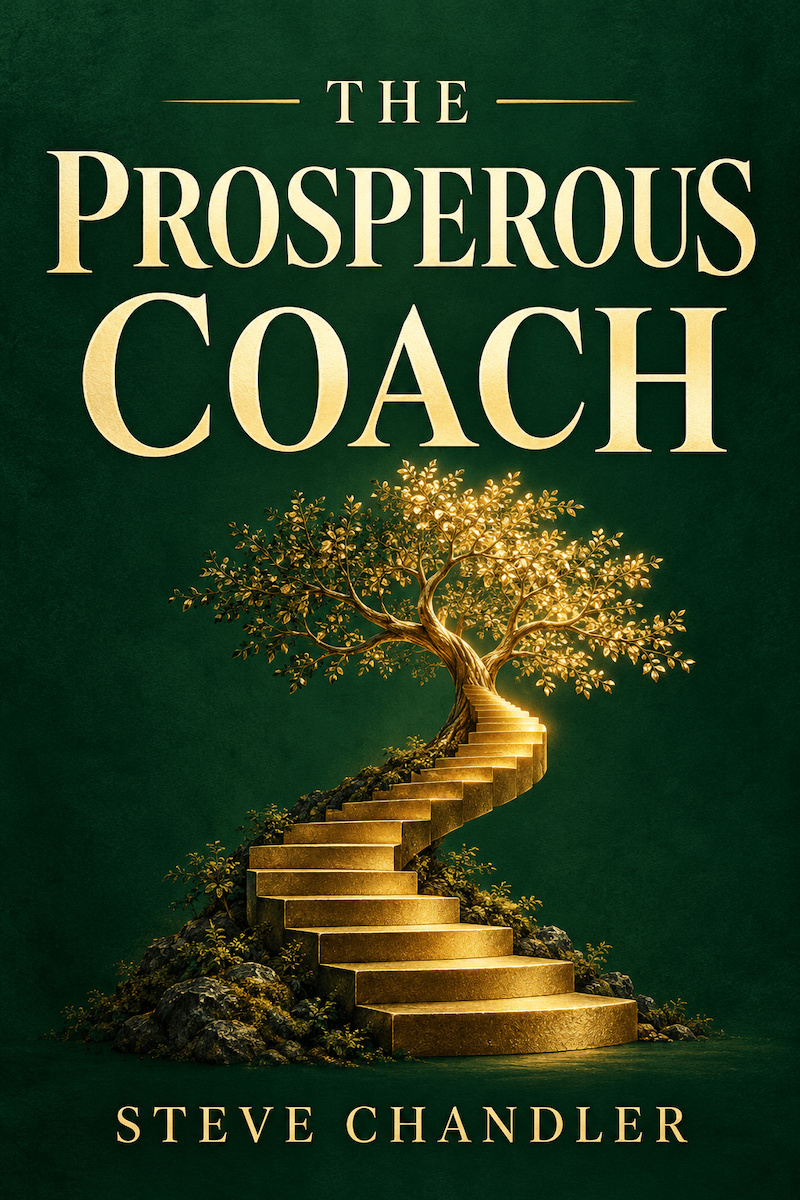
The Prosperous Coach Book Summary
This The Prosperous Coach Book Summary covers the key ideas, lessons, and takeaways in about 20 minutes.
Short Description:
Steps for winning coaching clients through honest, deep conversations
Coaching skill alone won't fill your calendar. You also need to learn how to bring clients in, and the best way to do that is with honesty, confidence, and generosity instead of pressure. Build a strong mindset, reach out to people you already know, and give them a real taste of your coaching in a long, focused conversation. Find the goal under the goal, ask for the commitment, then stay quiet and let them decide. Close with a clear offer that spells out what each side brings. Do all of this with joy, one client at a time, and treat every no as practice for the next yes. When you do, finding clients stops feeling like selling and becomes another form of coaching.
Helps with these goals
Preview the The Prosperous Coach book summary
Below is a preview of Sumizeit’s comprehensive human-written summary of The Prosperous Coach by Steve Chandler and Rich Litvin. The full summary is 15-20 minutes long and covers the book’s key ideas in text, audio, visual, and video formats. Unlock the full 20 Minute Summary
Most coaches work hard on their craft. They train, practice, and get certified. Then they sit around wondering why no one is signing up. Steve Chandler and Rich Litvin say the problem is simple. Coaches skip the one skill that keeps a business alive, which is getting clients.
The authors reject the two usual routes. One is pushy sales tactics that make people feel hunted. The other is waiting quietly for clients to find you. Their answer sits in the middle. You win clients by having real conversations with people, conversations so useful that the other person wants more of them. In this view, making money and doing good work are not in conflict. The way you earn clients is the same thing you do for a living, which is coaching.
The book focuses on executive and career coaching, but the ideas travel well to other kinds of coaching too. It never stops to define coaching because it assumes you already do it.
Part 1. Build the Mindset of a Successful Coach
Before you market anything, you need to carry yourself the right way. The authors name five traits.
Self assurance comes first. What you sell is the experience of working with you. If you don't believe that experience is special, no one will pay a high price for it. The authors suggest a small habit to build this belief. Save every professional compliment you get in one place, like a folder on your desktop, and read it on the days you doubt yourself.
Authenticity comes next. Clients should feel from the first moment that you offer something no one else can, and that something is you. So stop copying other coaches. Do what fits your own personality. Work feels better when you do this, you attract people who suit you, and those people will pay more for the real thing.
Focus is the third trait. Your purpose is to help people, so drop the busywork that doesn't serve that purpose or pay the bills. Many coaches scatter themselves because they want to please everyone. Clients notice. They watch you stretched thin, doing the exact thing you would tell them to stop doing, and they lose respect.
Courage matters just as much. A good coach makes bold recommendations that push clients out of their comfort zone. It's tempting to nod along and sympathize, but that isn't why people hire a coach. They want real change, not a companion for complaining. Courage here also means handling your own discomfort while you challenge someone.
Authority rounds out the list. Clients need to see you as someone who knows what you're talking about and is worth listening to. This matters most when you invite a prospect to work with you. Calm, confident guidance shows them what the sessions will feel like.
Part 2. Market Your Services
With the mindset in place, the authors give three marketing tips.
First, start with the people you already know.
Want the complete 20-minute summary?
- Full structured summary
- Video Summary
- Podcast Summary
- Audio summary
- Key takeaways
- Exercises
- Quiz
- Highlights and notes
- Ask the book with AI
Who should read The Prosperous Coach?
The Prosperous Coach is essential for coaching professionals who have mastered their craft but struggle to attract clients. Whether you're an executive coach, career coach, or life coach, this book is for anyone tired of hoping clients will find you and ready to build a sustainable, profitable coaching business. If you're skilled at coaching but uncomfortable with sales and marketing, this book offers a refreshing alternative to aggressive tactics.
Why does The Prosperous Coach matter?
Most coaches fail not because they lack coaching ability, but because they never learn how to consistently find clients. In today's saturated coaching market, understanding how to market yourself authentically has become as important as your coaching credentials. The Prosperous Coach by Steve Chandler and Rich Litvin bridges this gap by showing that client acquisition isn't separate from coaching—it's the same skill applied differently. For coaches looking to turn their passion into a thriving practice, this book provides the proven framework that separates successful coaches from struggling ones.
What are the key themes in The Prosperous Coach?
- Mindset as foundation for business success
- Authentic marketing through genuine conversation
- Confidence and authority in client relationships
- Turning prospects into clients through structured process
- Building sustainable client pipelines
- Integrating sales and coaching as one skill
How can you apply ideas from The Prosperous Coach?
- Create a folder on your desktop to save every professional compliment you receive and review it on days when confidence wavers
- Write a list of everyone who might need coaching—friends, colleagues, referrals—and use it as your warm outreach starting point instead of cold calling
- Research each prospect online before reaching out to understand their business, career stage, and potential challenges
- Schedule showcase meetings as two-hour blocks in a professional setting, structured to demonstrate all five key mindset traits
- Ask prospects two questions to uncover their real goal: 'What is your goal?' and 'Why do you want it?' then focus on the deeper motivation
- Close by presenting a specific roadmap including meeting frequency, investment, expectations, and client requirements for commitment
- Always maintain a pipeline of potential clients even when your roster is full to avoid the boom-bust cycle of empty and overbooked months
What common mistakes do readers make with The Prosperous Coach?
- Offering too much free or discounted coaching, which signals neediness and undervalues your expertise
- Cold calling strangers without relationship or research, treating prospects like telemarketing leads
- Starting to give coaching advice during the sales conversation instead of saving it for contracted sessions
- Being modest about your results instead of confidently presenting your track record as what clients are paying for
- Pressuring prospects for commitment through continuous talking instead of allowing silence for reflection
- Relaxing client acquisition efforts once your roster is full, leading to feast-or-famine cycles
Sumizeit Exercises Apply what you've learned
Turn ideas from The Prosperous Coach into action with a short guided reflection: identify the biggest takeaway, connect it to your life, and commit to one step you can take in the next 24 hours.
What is the expert analysis of The Prosperous Coach?
Overview
The Prosperous Coach, authored by Steve Chandler and Rich Litvin, stands as a seminal work in the niche of coaching entrepreneurship. Both authors bring formidable credentials: Chandler with his prolific contributions to motivational literature and coaching education, and Litvin with his elite clientele and leadership consultancy. Together, they address a persistent gap in coaching literature—the challenge of client acquisition—offering a fresh paradigm that eschews traditional sales tactics in favor of authentic, value-driven conversations. This book is significant for its pragmatic approach that integrates mindset, marketing, and relationship-building into a cohesive framework tailored specifically for coaches, yet adaptable across various professional service domains.
Core Thesis
The central insight of The Prosperous Coach is that successful coaching businesses are not built solely on skill or certification but on the coach’s ability to engage prospects through genuine, transformative conversations. Chandler and Litvin argue that the conventional extremes—either aggressive salesmanship or passive waiting—are both flawed. Instead, coaches should leverage their core competency, coaching itself, as a means to attract clients by offering meaningful interactions that demonstrate value upfront. The book posits that coaching and client acquisition are not opposing activities but complementary ones, unified by authenticity, courage, and clarity of purpose.
Strengths
- Mindset Emphasis: The book excels in framing client acquisition as a psychological and relational process, highlighting traits like self-assurance, authenticity, and courage that underpin effective coaching and marketing alike.
- Practical Framework: Its stepwise guidance—from building mindset to closing deals—offers actionable strategies that demystify the sales process without sacrificing integrity or professionalism.
- Relationship-Centered Marketing: By advocating for deep, exploratory conversations rather than transactional pitches, the authors align marketing with coaching’s transformative nature, fostering trust and long-term client engagement.
- Realistic Client Interaction: The concept of the “showcase meeting” as a substantive, two-hour coaching sample is innovative, providing prospects with a tangible experience of the coach’s value before commitment.
- Balanced Tone: The book strikes a rare balance between encouragement and discipline, urging coaches to value their time and expertise while maintaining generosity and openness.
Critiques & Counterarguments
- Limited Empirical Evidence: While rich in anecdotal wisdom, the book offers scant empirical data or rigorous research to substantiate its claims about client acquisition efficacy, which may limit its appeal to evidence-oriented readers.
- Potential Oversimplification: The dichotomy of pushy sales versus passive waiting may overlook nuanced marketing strategies that integrate digital platforms, branding, and content marketing, which are increasingly vital in contemporary coaching businesses.
- Elite Clientele Bias: Litvin’s experience with high-profile clients might skew the applicability of some recommendations, particularly the emphasis on exclusivity and high fees, potentially alienating coaches serving broader or less affluent markets.
- Psychological Assumptions: The book assumes coaches can readily embody traits like courage and authority, yet these qualities may require deeper psychological work or training, which the book does not fully address.
- Competing Schools of Thought: Alternative coaching business models emphasize scalability through group coaching, online courses, or automated funnels, which this book largely sidelines in favor of one-on-one, high-touch approaches.
Who Should Read This
The Prosperous Coach is ideally suited for professional coaches—especially those in executive, career, or leadership coaching—who possess foundational skills but struggle with client acquisition. It appeals to readers seeking an ethical, relationship-driven approach to marketing that aligns closely with coaching values. Additionally, entrepreneurs and consultants in service industries who prioritize authenticity and deep client engagement will find valuable insights here. However, those looking for data-driven marketing tactics or scalable digital strategies may find the book’s scope somewhat narrow.
Discussion questions for The Prosperous Coach Short questions you can actually use in a conversation
Frequently asked questions about the The Prosperous Coach book summary
What is The Prosperous Coach about?
The Prosperous Coach by Steve Chandler and Rich Litvin is a guide for coaches who want to build thriving, profitable practices. It shows that finding clients isn't separate from coaching—it's the same skill of honest conversation applied differently. The book walks through building the right mindset, reaching out to prospects, conducting showcase meetings, and closing deals, all while staying authentic and avoiding pushy sales tactics.
Who should read The Prosperous Coach?
The book is essential for executive coaches, career coaches, and life coaches who have developed strong coaching skills but struggle to attract consistent clients. It's ideal for coaches uncomfortable with traditional sales and marketing, as well as those looking to transition from full-time employment into independent coaching practices. Anyone skilled at coaching but confused about client acquisition will find practical, ethical strategies here.
What are the main takeaways from The Prosperous Coach?
The core message is that finding clients should feel like coaching, not selling. Success requires developing five mindset traits (self-assurance, authenticity, focus, courage, and authority), starting outreach with people you know, conducting thorough research before contacting prospects, holding a two-hour showcase meeting to demonstrate your value, and closing with a clear roadmap of the engagement. The authors emphasize that consistency, joy in the process, and treating rejection as practice—rather than failure—are essential to building a sustainable client base.
How do you conduct a showcase meeting according to The Prosperous Coach?
A showcase meeting is a two-hour mini-coaching session held in a professional setting that demonstrates what working with you feels like. You open with an honest assessment of their situation, ask two questions to uncover their true goal (what they want and why), share relevant success stories from past clients, and show all five mindset traits throughout. The meeting gives prospects a real sample of your coaching while helping you decide if you want to work with them.
What mindset traits does The Prosperous Coach emphasize?
The book identifies five essential mindset traits for prosperous coaches: self-assurance (knowing your value is real), authenticity (being yourself rather than copying others), focus (doing what serves clients and pays bills), courage (making bold recommendations), and authority (being knowledgeable and worth listening to). Building these traits is the foundation for everything else in client acquisition and retention.
Should coaches offer free coaching sessions according to The Prosperous Coach?
The book recommends limiting free or discounted sessions to spark interest, but warns against overdoing it because excessive free coaching makes you look needy and undervalues your expertise. The authors also advise against offering free coaching to friends, arguing that your work is worth paying for and that charging friends actually protects both the relationship and your business integrity.
How does The Prosperous Coach suggest handling rejection from prospects?
The authors recommend treating rejection as a normal part of the business-building process rather than personal failure. If a prospect declines, end on a warm note and leave the door open for future work. Avoid suggesting price as the reason for their no, and ask if they know anyone who might benefit from coaching. Each rejection is practice for future conversations, and a high number of nos signals you're making plenty of attempts—which leads to yeses.
What is the difference between a showcase meeting and actual coaching sessions?
A showcase meeting is a two-hour preview that demonstrates your value and helps both you and the prospect decide if you're a good fit. Actual coaching sessions begin after you've reached an agreement and signed a contract. The authors emphasize resisting the urge to provide real coaching advice during the showcase meeting—save that work for the first paid session to maintain clear boundaries between sales and service.
About Sumizeit
Sumizeit is a profitable Scomy LLC company based in Miami, Florida. Our founders, Clemens Raemy and Weina Scott, are successful entrepreneurs with several exits. Sumizeit is a popular book summary app / micro learning app used by busy professionals and entrepreneurs with over 2,500 non-fiction book summaries and 10,000 podcast summaries in text, audio, visual, podcast, and video format. We also have stellar retention tools to make ideas stick - such as flashcards with spaced repetition, quizzes, streaks, highlighting and notes, daily challenges, riddles, mini-courses, meditation, and more. You won't only learn the idea, but also remember it. Over 90% of our users change their habits with Sumizeit.
Upgrade Now
Here's why readers love Sumizeit
Join thousands of learners getting smarter every day
"Great experience. Detailed summaries. Loved the gamification feature. Makes learning fun. Good customer service. I recommend Sumizeit to anyone. You'll learn a lot."
"I always felt busy but still wanting to keep up with the book discussion in my friend group. This was a great supplement to help me keep reading the books I find fun while keeping up with important books."
"I love this website. Instead of scrolling social media, I find myself learning a lot. I use it everyday. I recommend this app for anyone who is too busy and wants to get up to speed with their favorite books."
The Prosperous Coach Book Summary PDF
Looking for a The Prosperous Coach Book Summary PDF you can save and revisit offline? Our The Prosperous Coach Book Summary PDF captures the book’s core ideas in a clean, printable format — the key frameworks, takeaways, and structure without the fluff. Download the The Prosperous Coach Book Summary PDF when you want a reference you can annotate, share with your team, or review on the go. Get your The Prosperous Coach Book Summary PDF from the download page below.
Download The Prosperous Coach Book Summary PDFPeople also liked these summaries
Readers who explored The Prosperous Coach often enjoyed these titles next.




Ready to read the whole thing?
- Full structured summary
- Video Summary
- Podcast Summary
- Audio summary
- Key takeaways
- Exercises
- Quiz
- Highlights and notes
- Ask the book with AI
Featured Book Titles
Popular Book Summaries at sumizeit, leading book summary app
Atomic Habits Book Summary Rich Dad Poor Dad Book Summary The Four Agreements Book Summary The 48 Laws of Power Book Summary When Breath Becomes Air Book Summary Think and Grow Rich Book Summary