


Prefer the print book? Buy on Amazon
As an Amazon Associate, Sumizeit earns from qualifying purchases.
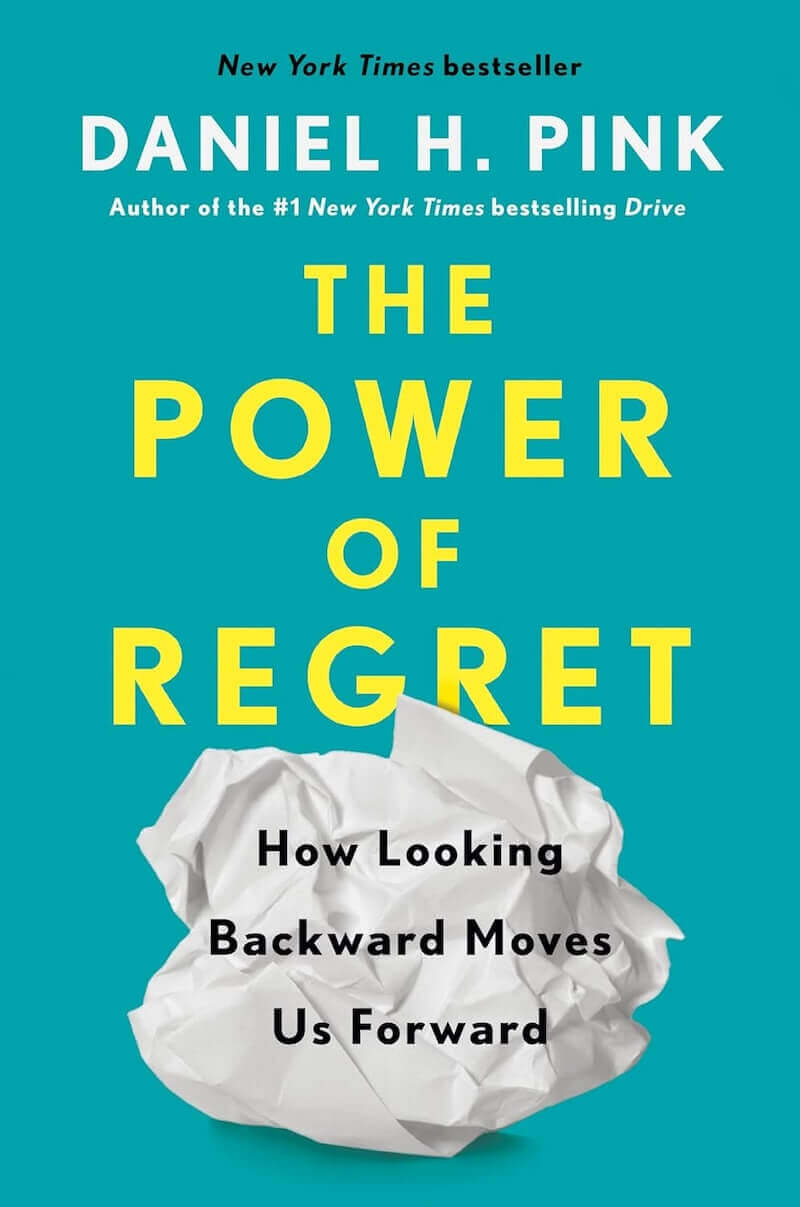
The Power of Regret Book Summary
This The Power of Regret Book Summary covers the key ideas, lessons, and takeaways in about 20 minutes.
Short Description:
The Power of Regret teaches using regret to guide purposeful action.
Helps with these goals
Want a Free Weekly Read?
Get a free summary every week straight to your mailbox.
Preview the The Power of Regret book summary
Below is a preview of Sumizeit’s comprehensive human-written summary of The Power of Regret by Daniel H. Pink. The full summary is 15-20 minutes long and covers the book’s key ideas in text, audio, visual, and video formats. Unlock the full 20 Minute Summary
Daniel H. Pink’s The Power of Regret reframes how we think about one of life’s most uncomfortable emotions. While popular culture encourages people to live with “no regrets,” Pink argues that regret is an essential part of what makes us human. Instead of viewing regret as an emotional malfunction or a weakness, he reveals that regret is a powerful internal feedback system—one that helps us make better choices, find meaning, and grow into wiser versions of ourselves.
Pink explains that regret does not simply appear out of nowhere. It is the result of a cognitive process: remembering something that happened, imagining how life might have unfolded differently, and comparing the two outcomes. If the imagined result feels better than our current circumstances, regret arises. For example, someone who chose not to apply to a competitive university might later picture themselves thriving there and feel regret that they never tried. Someone who stayed silent when they witnessed bullying may imagine having intervened and feel remorse about remaining passive. These imagined alternative paths give regret its emotional weight and motivate us to choose differently in the future.
The ability to process regret is linked to the human brain’s capacity for complex thought. Young children before age eight cannot mentally simulate alternative outcomes, which is why they don’t yet experience regret in a meaningful sense. Likewise, adults with neurological damage in the orbitofrontal cortex lose the ability to anticipate or feel regret, demonstrating that regret is not a psychological flaw but a built-in feature of advanced cognition.
Pink emphasizes that regret only develops when certain conditions are present. First, we must believe that we were responsible for the outcome—believing we caused a result rather than it being forced on us by circumstance. For example, someone who is laid off because a company closes will experience disappointment, not regret. But someone who is fired after repeatedly showing up late may replay decisions that contributed to the outcome and regret their choices. Second, regret only happens when we believe we had meaningful alternatives. A person who grew up in poverty with little access to education is less likely to regret not becoming a doctor than someone who had every opportunity but lacked commitment or courage.
Regret activates what psychologists call the negativity bias, the natural human tendency to give more attention to mistakes than successes. A musician may remember one concert where they played badly far more vividly than twenty concerts where the audience cheered. A parent may replay the one argument they regret more than years of loving daily interactions. The mind fixates on what went wrong, not what went right, because learning depends on analyzing errors.
Rather than treating regret as a burden, Pink argues that it is a teacher—one that reveals what we value most.
The Two Major Types of Regret
Pink divides regrets into two broad categories: regrets of action and regrets of inaction.
Regrets of action occur when we do something and later wish we hadn’t.
Want the complete 20-minute summary?
- Full structured summary
- Video Summary
- Podcast Summary
- Audio summary
- Key takeaways
- Exercises
- Quiz
- Highlights and notes
- Ask the book with AI
Who should read The Power of Regret?
The Power of Regret is for anyone who struggles with past decisions and wants to understand how to learn from them productively. Whether you're haunted by missed opportunities, choices you wish you could undo, or relationships you've neglected, this book offers a framework for transforming regret into wisdom rather than letting it paralyze you.
Why does The Power of Regret matter?
In a culture obsessed with the "no regrets" mentality, Daniel H. Pink reveals that regret is actually a powerful internal compass pointing toward what matters most in life. Understanding how to process regret effectively can improve your decision-making, deepen your relationships, strengthen your character, and guide you toward a more fulfilling existence.
What are the key themes in The Power of Regret?
- Regret as a built-in feedback system for human growth
- The four universal categories of regret: foundation, boldness, moral, and connection
- Why inaction regrets intensify over time while action regrets fade
- The neuroscience behind regret and what it reveals about advanced human cognition
- Moving beyond the false "no regrets" philosophy toward intelligent regret processing
- Using anticipated regret as a decision-making tool for major life choices
How can you apply ideas from The Power of Regret?
- Use the four regret categories to audit your own life and identify patterns in what you regret most
- When facing a major life decision, practice anticipated regret by asking which option you'll regret not pursuing five years from now
- Journal about a lingering regret using self-disclosure techniques to externalize the emotion and reduce its hold on you
- Apply self-compassion by reframing a past mistake as something you did with the best knowledge available at the time, not a permanent character flaw
- Identify one regret you can directly undo—an apology to make, a person to reconnect with, a promise to keep—and commit to taking that action
- Use self-distancing by asking what advice you'd give a friend in your exact situation, then follow that advice yourself
- When you can't undo a regret, find a parallel context in your current life where you can embody the lesson (e.g., if you regret poor health habits, commit to them now)
- Reserve your emotional energy for regrets in major life categories rather than second-guessing minor choices like which route to take or appliance to buy
What common mistakes do readers make with The Power of Regret?
- Adopting the "no regrets" philosophy as a strength when it actually disables the learning and reflection necessary for growth
- Using distraction and avoidance to escape regret rather than facing it, which delays healing and allows regret to grow stronger over time
- Wallowing in regret by endlessly replaying mistakes without extracting lessons or taking constructive action
- Waiting too long to reconnect with estranged friends or family due to fear of awkwardness, missing opportunities and deepening regret
- Confusing disappointment with regret—experiencing sadness about circumstances beyond your control when regret requires belief in personal responsibility
Sumizeit Exercises Apply what you've learned
Turn ideas from The Power of Regret into action with a short guided reflection: identify the biggest takeaway, connect it to your life, and commit to one step you can take in the next 24 hours.
What is the expert analysis of The Power of Regret?
Overview
The Power of Regret by Daniel H. Pink offers a profound reconsideration of an emotion often dismissed or feared: regret. Pink, an established author known for his incisive explorations of human motivation and behavior, leverages interdisciplinary research from psychology, neuroscience, and behavioral economics to argue that regret is not a weakness but a vital cognitive tool. His accessible yet scholarly approach situates regret as a universal human experience with transformative potential, making this book significant for readers interested in self-improvement, decision-making, and emotional intelligence.
Core Thesis
Pink’s central argument reframes regret as an essential internal feedback mechanism that fosters learning, growth, and meaningful change. Rather than advocating for a “no regrets” philosophy, he posits that regret arises from complex cognitive processes involving memory, imagination, and comparison of real versus alternative outcomes. This emotion, when properly acknowledged and processed, illuminates core human values—security, courage, integrity, and connection—and guides individuals toward wiser decisions and a more fulfilling life. Ultimately, Pink urges readers to embrace regret as a compass that directs us toward our best selves.
Strengths
- Interdisciplinary Synthesis: Pink skillfully integrates findings from neuroscience, psychology, and behavioral economics, grounding his insights in robust scientific evidence while maintaining narrative clarity.
- Nuanced Categorization: The distinction between regrets of action versus inaction, and the identification of four universal regret categories (foundation, boldness, moral, and connection) provides a comprehensive framework that resonates across cultures and life stages.
- Practical Strategies: The book offers actionable methods—self-disclosure, self-compassion, and self-distancing—that empower readers to transform regret from a paralyzing burden into a catalyst for growth.
- Humanistic Emphasis: Pink’s focus on regret as a reflection of deeply held values elevates the discussion beyond mere emotional management to questions of identity, morality, and relational meaning.
- Accessible yet Thoughtful: The prose balances scholarly rigor with engaging storytelling, making complex psychological concepts approachable without sacrificing depth.
Critiques & Counterarguments
- Potential Oversimplification of Regret’s Complexity: While Pink’s categories are compelling, they may underrepresent the multifaceted and culturally contingent nature of regret. Some anthropological research suggests that regret’s expression and significance vary widely across societies, challenging the universality implied.
- Limited Engagement with Negative Psychological Outcomes: The book emphasizes constructive uses of regret but may underestimate how chronic or intense regret can contribute to depression, anxiety, or rumination disorders, which require clinical interventions beyond self-help strategies.
- Evidence Base and Causality: Although Pink cites neurological and psychological studies, some claims—such as the fading of regrets of action over time—might benefit from more longitudinal data. Competing research indicates that certain action regrets can persist and profoundly impact life trajectories.
- Philosophical Counterpoints: Existentialist and stoic traditions often advocate for detachment from regret to achieve tranquility, suggesting that embracing regret might not be universally beneficial. This philosophical tension invites debate on whether regret is always a productive teacher or sometimes an impediment to peace of mind.
- Risk of Overemphasis on Individual Agency: Pink’s framework assumes a degree of personal responsibility and choice that may not apply equally to individuals facing systemic barriers or trauma, where regret might be intertwined with structural injustice rather than purely personal decisions.
Who Should Read This
The Power of Regret is ideally suited for readers who seek a deeper understanding of their emotional lives, particularly those interested in psychology, personal development, and decision-making. Professionals in coaching, therapy, and leadership will find its insights valuable for guiding others through reflection and growth. Additionally, individuals grappling with past choices or looking to harness regret constructively will appreciate Pink’s compassionate and pragmatic approach. However, readers seeking a clinical manual on managing pathological regret or a purely philosophical treatise may need to supplement this work with more specialized texts.
Frequently asked questions about the The Power of Regret book summary
What is The Power of Regret about?
The Power of Regret by Daniel H. Pink challenges the cultural obsession with living "no regrets" and argues that regret is actually a powerful internal feedback system that reveals what matters most to us. The book explains the psychology of regret, identifies four universal categories of regret, and provides practical strategies for processing regret in ways that fuel personal growth and better decision-making.
Who should read The Power of Regret?
The Power of Regret is for anyone struggling with past decisions, missed opportunities, or broken relationships who wants to transform regret into wisdom. It's particularly valuable for people caught between denial of regret and destructive wallowing, and for those making major life decisions who want to leverage anticipated regret as a decision-making tool.
What are the main takeaways from The Power of Regret?
The main takeaways include: regret is a sign of cognitive sophistication, not weakness; there are four universal categories of regret (foundation, boldness, moral, and connection) that reveal what matters most; regrets of inaction intensify over time while regrets of action fade; and the optimal response is to process regret through self-disclosure, self-compassion, and self-distancing, then take concrete action. The ultimate goal is not to eliminate regret but to optimize it.
What are the four core categories of regret?
The four core categories are: Foundation regrets (neglecting long-term responsibilities like health, finances, or education), Boldness regrets (playing it safe instead of taking risks), Moral regrets (acting against your values), and Connection regrets (neglected, broken, or lost relationships). Each category reveals what humans deeply need for fulfillment: stability, courage, integrity, and love.
Why do regrets of inaction feel worse than regrets of action over time?
Regrets of inaction intensify because opportunities shrink—the chance to travel, learn a skill, or pursue a dream narrows as you age. In contrast, regrets of action fade as you eventually adapt to consequences and integrate the mistake into your life narrative as something you learned from. This means inaction regrets require more urgent attention.
How can I process regret in a healthy way?
The Power of Regret recommends a three-part strategy: self-disclosure (talking or writing about the regret to externalize it), self-compassion (treating yourself with kindness rather than self-criticism), and self-distancing (viewing the regret from an outside perspective as if advising a friend). Then take action by either directly undoing the regret through apology or reconnection, or by transforming the lesson into new choices going forward.
How can I use anticipated regret to make better decisions?
When facing a major life decision, ask yourself: "In five or ten years, which choice will I regret more?" or "If something happened tomorrow, what would I wish I'd done?" This prospective view helps you see past short-term fears and temporary comforts to identify what you truly value. However, reserve this tool for significant decisions in the four major regret categories rather than minor daily choices.
Is the 'no regrets' mindset actually harmful?
Yes, according to The Power of Regret, the "no regrets" mentality sounds like strength but actually disables learning. Denying regret prevents the reflection and emotional processing necessary for growth and better future choices. It's a defensive strategy that protects your ego short-term while robbing you of valuable lessons that could improve relationships and decision-making.
About Sumizeit
Sumizeit is a profitable Scomy LLC company based in Miami, Florida. Our founders, Clemens Raemy and Weina Scott, are successful entrepreneurs with several exits. Sumizeit is a popular book summary app / micro learning app used by busy professionals and entrepreneurs with over 2,500 non-fiction book summaries and 10,000 podcast summaries in text, audio, visual, podcast, and video format. We also have stellar retention tools to make ideas stick - such as flashcards with spaced repetition, quizzes, streaks, highlighting and notes, daily challenges, riddles, mini-courses, meditation, and more. You won't only learn the idea, but also remember it. Over 90% of our users change their habits with Sumizeit.
Upgrade Now
Here's why readers love Sumizeit
Join thousands of learners getting smarter every day
"Great experience. Detailed summaries. Loved the gamification feature. Makes learning fun. Good customer service. I recommend Sumizeit to anyone. You'll learn a lot."
"I always felt busy but still wanting to keep up with the book discussion in my friend group. This was a great supplement to help me keep reading the books I find fun while keeping up with important books."
"I love this website. Instead of scrolling social media, I find myself learning a lot. I use it everyday. I recommend this app for anyone who is too busy and wants to get up to speed with their favorite books."
The Power of Regret Book Summary PDF
Looking for a The Power of Regret Book Summary PDF you can save and revisit offline? Our The Power of Regret Book Summary PDF captures the book’s core ideas in a clean, printable format — the key frameworks, takeaways, and structure without the fluff. Download the The Power of Regret Book Summary PDF when you want a reference you can annotate, share with your team, or review on the go. Get your The Power of Regret Book Summary PDF from the download page below.
Download The Power of Regret Book Summary PDFPeople also liked these summaries
Readers who explored The Power of Regret often enjoyed these titles next.




Ready to read the whole thing?
- Full structured summary
- Video Summary
- Podcast Summary
- Audio summary
- Key takeaways
- Exercises
- Quiz
- Highlights and notes
- Ask the book with AI
Featured Book Titles
Popular Book Summaries at sumizeit, leading book summary app