


As an Amazon Associate, Sumizeit earns from qualifying purchases.
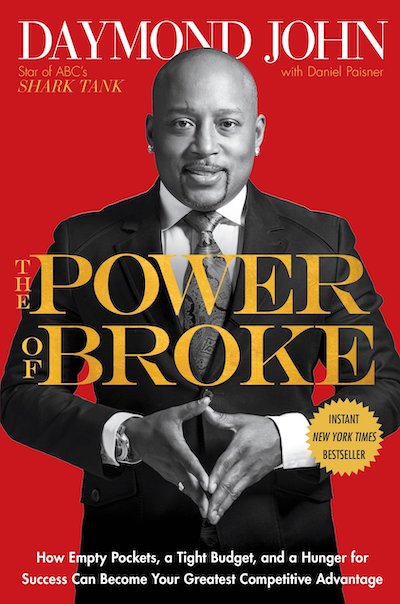
The Power of Broke Book Summary
This The Power of Broke Book Summary covers the key ideas, lessons, and takeaways in about 20 minutes.
John shares his personal journey and stories of other successful entrepreneurs who started with little to no money but were able to build thriving businesses through creativity, perseverance, and resourcefulness. He emphasizes the mindset and strategies that can help individuals leverage their constraints to their advantage.
"The Power of Broke" encourages readers to embrace their limitations, think outside the box, and find innovative solutions to overcome obstacles. John emphasizes the importance of staying focused, being willing to take risks, and relentlessly pursuing opportunities, even in the face of adversity.
By highlighting inspiring success stories and providing practical advice, "The Power of Broke" aims to motivate aspiring entrepreneurs and individuals with limited resources to believe in themselves, harness their creativity, and use their "broke" status as a catalyst for success.
Helps with these goals
Want the complete 20-minute summary?
- Full structured summary
- Video Summary
- Podcast Summary
- Audio summary
- Key takeaways
- Exercises
- Quiz
- Highlights and notes
- Ask the book with AI
What is in the The Power of Broke book summary?
Below is a preview of Sumizeit’s expert-written summary of The Power of Broke by Daymond John. The full summary covers the book’s key ideas in text, audio, and video.
When we think of entrepreneurs, we tend to think of their success in the form of money.
But in “The Power of Broke: How Empty Pockets, A Tight Budget, and a Hunger for Success Can Become Your Greatest Competitive Advantage,” authors Daymond John and Daniel Paisner combat this traditional idea.
Instead, they suggest that successful entrepreneurs seek creative solutions to overcome obstacles, rather than just buying their way to success.
Furthermore, through these insights, you will learn to understand the new age of business and how marketing doesn’t have to cost a dime!
You will also begin to understand how searching for cheap, effective, and creative solutions put companies and their innovative ideas at the top of their market. No company is too good, too big, or too important to think broke.
A Company’s Relationship with Money
Unfortunately, a big majority of new businesses fail during their first 18 months. And the reason for many of these failures is their lack of funds.
Most companies think that money is the solution to all of their problems. However, money, itself, is usually the problem.
“Life is a cruel teacher. She loves to give you the test first and the lesson later.”- Daymond John
Let’s look at a specific scenario involving money and start-up business. If a hat designer raises a large chunk of money before going into business, he can hire a team, market multiple designs, and design the selling space. This is a great first step in any start-up’s journey.
And if he begins selling a lot of his items, then things seem pretty set for him. All is going well. However, if he fails to sell hats, then he is indebted to every investor, family member, and the bank that loaned him the money to start.
So, what if this same designer started with only $500? His decisions would have had to been based on that small amount of start-up money.
He would have had to think creatively, utilizing free marketing on social media, having only a few select styles of hats, and working on a custom made-to-order basis, rather than stocking up his supplies.
By creating custom orders, the designer is actually learning his target audience more and he is able to give them what they want.
Money also does not always help in issues of crisis. Crisis management is important to any new business. Money can’t always buy you a way out! You must think outside of the box.
Take the airline industry for example. Although many planes fly autopilot, pilots must have the skills and knowledge to fly the plane when a crisis arises due to unforeseen emergencies. Having the training makes the pilot more equipped to deal with spontaneous issues.
Everyone Likes Authenticity
In today’s market, there is a direct path that makes it simple and easy for companies to speak right to their customers.
However, this has made it so that the marketplace is flooded with new businesses trying to sell.
Want the complete 20-minute summary?
- Full structured summary
- Video Summary
- Podcast Summary
- Audio summary
- Key takeaways
- Exercises
- Quiz
- Highlights and notes
- Ask the book with AI
Who should read The Power of Broke?
The Power of Broke is for aspiring entrepreneurs, startup founders, and established business leaders who want to challenge conventional thinking about capital and success. If you believe you need massive funding to launch a business or fear that limited resources will hold you back, this book reveals how creative problem-solving and resourcefulness can become your biggest competitive advantage.
Why does The Power of Broke matter?
In today's competitive marketplace flooded with startups, the ability to innovate with constraints is more valuable than ever. Daymond John's insights show that excessive capital often leads to wasteful spending and poor decision-making, while limited resources force the strategic thinking that builds truly resilient businesses. This mindset shift is essential for entrepreneurs navigating economic uncertainty and rapidly changing markets.
What are the key themes in The Power of Broke?
- Constraint as a competitive advantage
- Authenticity and genuine connection with customers
- Creative problem-solving over capital expenditure
- Building sustainable habits and accountability
- Strategic networking and mentorship value
- Continuous innovation and avoiding complacency
What are the key lessons from the The Power of Broke book summary?
Money Often Creates Problems, Not Solutions
Excessive capital can lead to poor decisions, wasteful spending, and a false sense of security. The best entrepreneurs approach every challenge as if their resources are limited, forcing disciplined and strategic thinking.
Authenticity Cuts Through Market Noise
In a crowded marketplace, genuine and vulnerable content builds real customer loyalty far more effectively than polished advertising. Customers can sense inauthenticity and gravitate toward brands with clear vision and honest communication.
Free Marketing Channels Are Underutilized
Social media and digital platforms offer entrepreneurs powerful reach at zero cost. Success requires strategic, value-driven content that aligns with brand identity rather than constant sales pitches.
Crisis Management Cannot Be Bought
Like a pilot must know how to fly during emergencies, entrepreneurs must develop the skills and knowledge to navigate unexpected challenges through training and preparation, not just capital reserves.
Labels Must Earn Meaning to Become Brands
A brand evolves through stages—from product to label to recognized brand to lifestyle. The transition happens when customers associate your label with consistent quality and values, not through initial naming.
Lifestyle Expansion Follows Brand Trust
Once customers trust your core product, they willingly try complementary offerings. This natural expansion is earned through delivering on your brand promise, not forced through marketing.
Hunger and Fear Drive Better Decisions
Entrepreneurs who maintain a mindset of resourcefulness—even when successful—make sharper choices than those who become complacent. The 'power of broke' mentality keeps decision-making sharp at any stage.
Written Goals Create Measurable Accountability
Research shows that writing down specific, measurable goals with deadlines dramatically increases the likelihood of achieving them. Progress tracking makes accountability tangible and keeps momentum sustained.
Market Research Prevents Costly Mistakes
Understanding how competitors succeeded and failed, testing products with real customers, and adapting to local market needs are far cheaper than launching blindly with capital. Research informs strategy before spending.
Passion for Your Work is Non-Negotiable
Startups rarely pay founders immediately, so loving what you do is essential. The best business ideas often solve personal problems, which naturally fuels the motivation needed during lean periods.
Opportunity and Relationships Are Assets Too
Networking, mentorship, and strategic connections create value that money cannot buy. Opportunities compound when you invest time building genuine relationships within your industry.
Complacency Kills Established Companies
Companies that stop innovating and rely solely on past success eventually decline. Maintaining hunger and continuing to seek improvement keeps businesses relevant and competitive.
Small Strategic Goals Outperform Vague Big Dreams
Instead of one overwhelming objective, entrepreneurs should set sequential, measurable milestones that serve as a roadmap. Each completed goal leads naturally to the next challenge.
Custom Solutions Beat Mass Production Early On
Starting with made-to-order or limited SKUs teaches you what customers actually want better than predicting demand. This builds deeper customer relationships and reduces inventory risk.
Reaction Matters More Than Circumstances
Daymond John's insight that 20% of what happens to you matters less than your 80% reaction reveals that success is determined by mindset and response, not just external factors.
Every Market Requires Unique Adaptation
Global expansion demands fresh research and local customization—not assuming what worked in one market will work elsewhere. Understanding local needs prevents costly missteps.
Idea Validation Should Come From Real Users
Testing with actual customers provides authentic feedback far superior to focus group predictions. Real reactions guide better product decisions than hypothetical approval.
Fear of Failure Can Corrupt Decision-Making
The 'do-or-die' mentality born from excessive investment pressure can drive desperate, unethical choices. Maintaining resourcefulness prevents panic-driven decisions.
Want the complete 20-minute summary?
- Full structured summary
- Video Summary
- Podcast Summary
- Audio summary
- Key takeaways
- Exercises
- Quiz
- Highlights and notes
- Ask the book with AI
How can you apply ideas from The Power of Broke?
- Set small, measurable goals with deadlines and write them down to increase accountability and success rates.
- Create content for social media that reflects your authentic brand voice and values rather than constant promotional posts.
- Start with a made-to-order or limited product model to validate demand before scaling inventory and manufacturing.
- Research your market thoroughly—study competitors, test with real customers, and understand local needs before expanding.
- Build your network intentionally by fostering genuine relationships with mentors, peers, and potential collaborators in your industry.
- Solve a real problem you personally experience, as this passion will sustain you through unpaid early-stage work.
- Use free digital platforms strategically to reach customers at zero marginal cost, focusing on value-driven content.
- Practice crisis planning and skill-building so you can navigate unexpected challenges without relying on capital reserves.
What common mistakes do readers make with The Power of Broke?
- Assuming that raising significant capital early ensures success—large funding often leads to wasteful spending and poor prioritization.
- Posting only promotional content on social media instead of building authentic connection and offering real value to followers.
- Expanding into new markets without researching local needs and adapting your product or positioning accordingly.
- Abandoning the resourceful 'broke mentality' once achieving initial success, leading to complacency and loss of competitive edge.
- Setting vague, long-term goals without smaller measurable milestones and accountability mechanisms in place.
Sumizeit Exercises Apply what you've learned
Turn ideas from The Power of Broke into action with a short guided reflection: identify the biggest takeaway, connect it to your life, and commit to one step you can take in the next 24 hours.
What is the expert analysis of The Power of Broke?
Overview
The Power of Broke is authored by Daymond John, a prominent entrepreneur, investor, and television personality best known for founding the urban apparel brand FUBU and his role on the television show Shark Tank. Co-written with Daniel Paisner, this book presents a contrarian perspective on entrepreneurship by championing the advantages of starting with limited financial resources. Its significance lies in challenging the conventional wisdom that capital is the primary determinant of business success, instead elevating creativity, resourcefulness, and authenticity as key drivers. John’s personal journey from humble beginnings to multi-billion dollar success lends the narrative both credibility and motivational power.
Core Thesis
The central argument of The Power of Broke is that financial scarcity—far from being a handicap—is a potent competitive advantage for entrepreneurs. John posits that operating under constraints forces innovators to think creatively, prioritize authentic engagement with customers, and develop lean, effective strategies that do not rely on deep pockets. This “thinking broke” mindset fosters resilience, sharp decision-making, and innovation, which can ultimately outperform businesses that rely heavily on capital. The book also emphasizes the importance of goal-setting, market research, and building genuine brand identities as essential components of sustainable success.
Strengths
- Authenticity and Practical Wisdom: John’s insights are grounded in his own entrepreneurial experience, lending practical relevance and motivational appeal to his advice.
- Reframing Financial Constraints: The book compellingly reframes scarcity as an asset rather than a liability, encouraging a mindset shift that can empower aspiring entrepreneurs.
- Accessible Strategies: Emphasis on free or low-cost marketing channels such as social media, and the importance of authentic storytelling, aligns well with contemporary digital business realities.
- Clear Framework for Brand Development: The delineation of stages from product creation to lifestyle branding offers a useful roadmap for brand growth.
- Inspiration Coupled with Actionable Advice: The book balances motivational anecdotes with concrete recommendations on goal-setting, accountability, and market research.
Critiques & Counterarguments
- Overgeneralization of Scarcity Benefits: While scarcity can drive innovation, the book occasionally glosses over scenarios where lack of capital critically hampers growth or survival, especially in capital-intensive industries.
- Limited Empirical Evidence: The argument relies heavily on anecdotal success stories, including John’s own, with less engagement with broader empirical research on startup success factors or failure rates.
- Potential Oversimplification: The narrative sometimes underplays the complexity of scaling businesses, where strategic investment and resources are often indispensable.
- Competing Schools of Thought: Traditional entrepreneurial frameworks emphasize the importance of securing adequate funding to fuel rapid growth and market capture, which contrasts with John’s “power of broke” thesis.
- Market Variability: The book’s examples largely reflect consumer-facing, lifestyle brands and may not fully translate to B2B sectors, technology startups, or industries requiring significant upfront R&D investment.
Who Should Read This
The Power of Broke is ideally suited for aspiring entrepreneurs, small business owners, and creatives who face financial constraints but seek motivation and practical guidance to leverage their limitations into strengths. It will resonate with readers interested in lean startup methodologies, authentic branding, and innovative marketing without heavy capital investment. Additionally, those engaged in self-improvement and mindset work will find value in John’s emphasis on resilience, goal-setting, and accountability. However, readers looking for comprehensive strategic frameworks for scaling well-funded ventures or capital-intensive industries may find the book less applicable.
Frequently asked questions about the The Power of Broke book summary
What is The Power of Broke about?
The Power of Broke by Daymond John argues that limited resources and constraints are actually competitive advantages for entrepreneurs, not liabilities. The book reveals how creative problem-solving, resourcefulness, and strategic thinking rooted in a 'broke mentality' lead to more innovative solutions and sustainable business success than relying on capital to solve problems.
Who should read The Power of Broke?
This book is essential for aspiring entrepreneurs, startup founders, and anyone launching a business with limited capital. It's also valuable for established business leaders who want to reignite innovation and avoid complacency. If you believe you need massive funding to succeed or fear that limited resources will hold you back, Daymond John's insights will fundamentally reshape how you approach building a business.
What are the main takeaways from The Power of Broke?
The core takeaways include: money often creates problems rather than solutions, authenticity and real connection with customers matter more than polished marketing, crisis management cannot be bought with capital, and maintaining a resourceful 'broke mentality' even in success drives better decision-making. Additionally, written goals with deadlines dramatically increase success, market research prevents costly mistakes, and opportunity and relationships are assets as valuable as money.
Does The Power of Broke teach practical strategies for bootstrapping?
Yes. The book offers concrete strategies including leveraging free social media platforms strategically, starting with made-to-order products to validate demand before scaling, conducting thorough market research before expansion, building authentic brand voices, and maintaining accountability through written goals and progress tracking. These tactics help entrepreneurs build sustainable businesses without significant capital.
How does Daymond John's FUBU story relate to The Power of Broke?
Daymond John founded FUBU with just $100,000 from mortgaging his mother's house, working a Red Lobster job, and recruiting friends—a classic example of the 'broke mentality' creating innovation. His resourceful approach, strategic networking (famously getting LL Cool J to wear FUBU), and relentless focus eventually generated over $6 billion in sales, proving that constraints drove the creative thinking that made FUBU iconic.
Can established companies apply The Power of Broke principles?
Absolutely. The book emphasizes that no company is too successful to benefit from thinking broke. Established businesses that maintain a resourceful, innovative mindset and avoid complacency remain competitive. The key is continuously seeking creative solutions and staying hungry rather than relying on past success and large budgets.
About Sumizeit
Sumizeit is a profitable Scomy LLC company based in Miami, Florida. It has been helping readers learn from nonfiction books for 7 years with expert-written summaries in text, audio, podcast, and video.
Want the complete 20-minute summary?
- Full structured summary
- Video Summary
- Podcast Summary
- Audio summary
- Key takeaways
- Exercises
- Quiz
- Highlights and notes
- Ask the book with AI
Here's why readers love Sumizeit
Join thousands of learners getting smarter every day
"Great experience. Detailed summaries. Loved the gamification feature. Makes learning fun. Good customer service. I recommend Sumizeit to anyone. You'll learn a lot."
"I always felt busy but still wanting to keep up with the book discussion in my friend group. This was a great supplement to help me keep reading the books I find fun while keeping up with important books."
"I love this website. Instead of scrolling social media, I find myself learning a lot. I use it everyday. I recommend this app for anyone who is too busy and wants to get up to speed with their favorite books."
The Power of Broke Book Summary PDF
Looking for a The Power of Broke Book Summary PDF you can save and revisit offline? Our The Power of Broke Book Summary PDF captures the book’s core ideas in a clean, printable format — the key frameworks, takeaways, and structure without the fluff. Download the The Power of Broke Book Summary PDF when you want a reference you can annotate, share with your team, or review on the go. Get your The Power of Broke Book Summary PDF from the download page below.
Download The Power of Broke Book Summary PDFPeople also liked these summaries
Readers who explored The Power of Broke often enjoyed these titles next.





Want the complete 20-minute summary?
- Full structured summary
- Video Summary
- Podcast Summary
- Audio summary
- Key takeaways
- Exercises
- Quiz
- Highlights and notes
- Ask the book with AI
Featured Book Titles
Popular Book Summaries at sumizeit, leading book summary app
