Everyone wants to have a successful business but only some make it through. If you’re starting out, you need to know whether your business idea is really worth pursuing. How do you find that out? It turns out that asking your friends, family, and the people close to you is the most futile thing you can do.
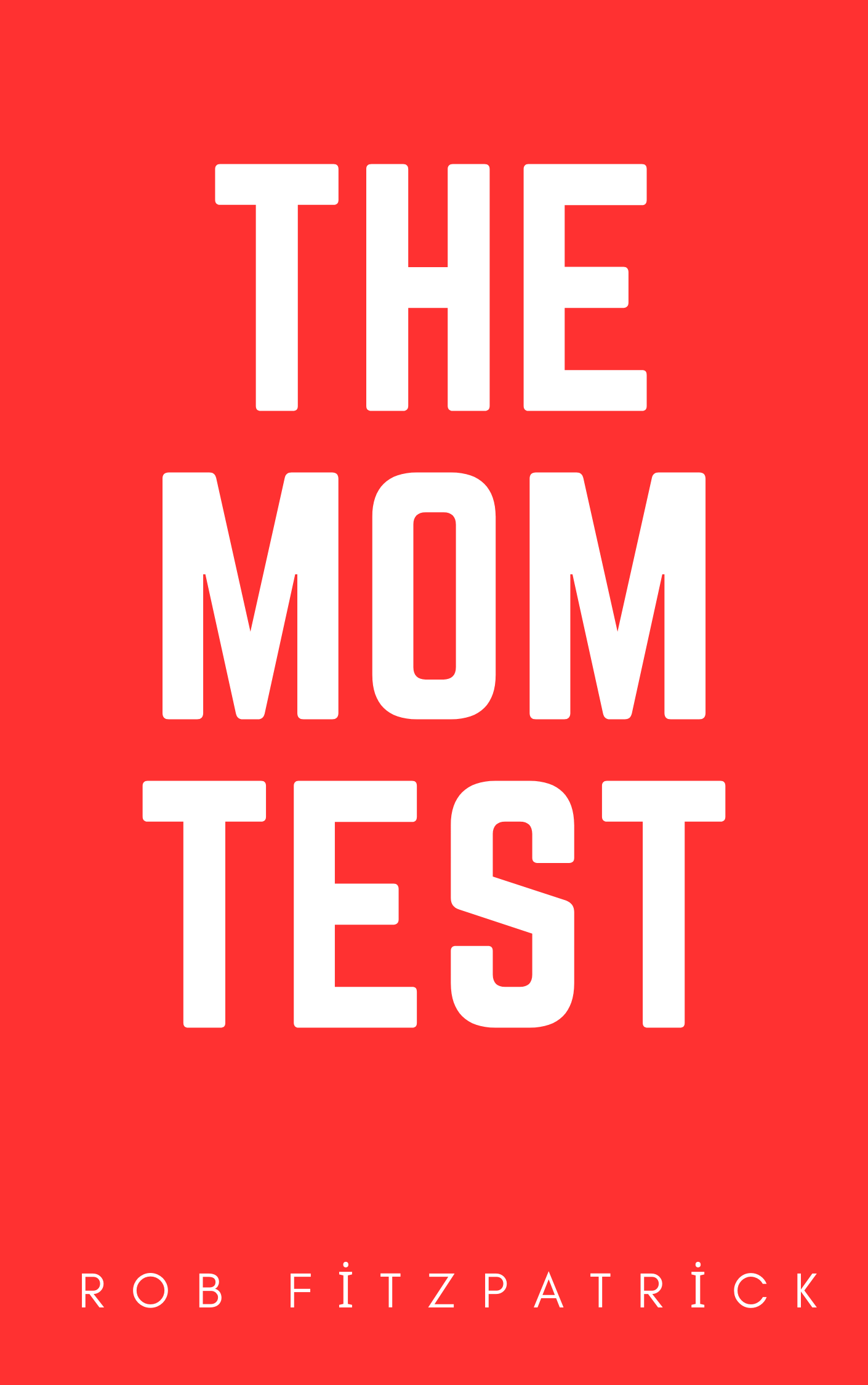
The Mom Test by Rob Fitzpatrick provides the tools with which you can decide whether your idea is actually good or do people just tell you it’s good because they don’t want to hurt your feelings.
Rob talks about how to strike the right conversations, how to find the right people to talk to, how to filter out fluff, making your business customer-focused, and embracing bad news with open arms. This book will help you get in the right mindset of doing business and equipping you with the tools to become a star entrepreneur.
Don’t ask anyone whether your business idea is clever
You’ve come up with a brilliant business idea and want to share it with someone, who do you share it with first? It’s almost instinctive that you’ll share it with your friends and family because they’re the people closest to you. But that’s actually a bad idea. Why? Here comes the mom test.
The mom test is simple. If you ask your mom, or someone you’re close to, “what do you think about my business idea?,” they’ll probably tell you, “it’s great. Go for it!” But is it really that great? People close to you don’t want to hurt your feelings or discourage you, so they’ll lie to you. That’s why they say, never look for the truth in your mother’s eyes.
Collecting false positives is a no-go if you’re an entrepreneur. After all, you’re serious about your business and you want to keep yourself grounded instead of immersing yourself in praise. The best way to get that reality check is to understand the real problems of your prospective customers. The question is, how?
The answer is pretty simple — be honest in your conversations. Don’t mistake that for generic advice because it’s not. Think about it. Will you ever be completely honest with someone knowing that your honesty will hurt them? The answer is no. So, why would others be honest if they’re uncomfortable?
Genuine conversations are honest, and honesty comes from being comfortable. People can only open up to you and be honest about something if they feel comfortable. What’s the key to holding genuine conversations, then?
Instead of talking to people about your idea, ask them about their life, the problems they face every day. Remember to make your conversations about them and listen more than you talk. When they’ll see how much you are invested in them, they will open up and give you their honest opinions. That’s the data you’re looking for.
The goal is to recognize peoples’ pain points — what bothers them and what kind of solutions they want.