
Question 1 of 10


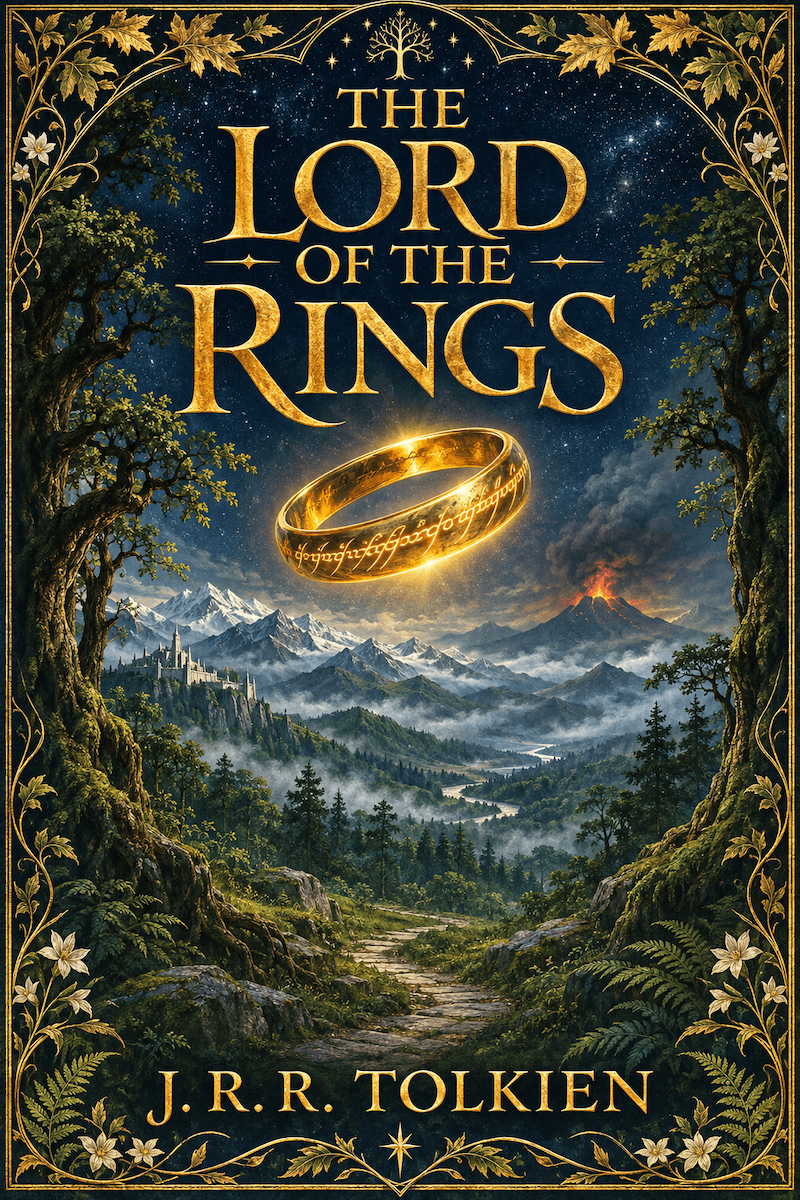
Prefer the print book? Buy on Amazon
As an Amazon Associate, Sumizeit earns from qualifying purchases.
Book Summary
The Lord of the Rings Book Summary
This The Lord of the Rings Book Summary covers the key ideas, lessons, and takeaways in about 20 minutes.
Short Description:
A hobbit carries a ring of total power into Mordor, and mercy saves the world.
The Lord of the Rings argues that you can't use evil's own tools to defeat evil, and that the people best suited to resist power are the ones who never wanted it. The quest succeeds through stubborn loyalty and acts of pity that looked foolish when the characters chose them. Strength and cleverness don't decide it. Frodo fails at the final step, and mercy shown years earlier to a murderer saves the world anyway. Tolkien also insists that victory doesn't put everything back. Some wounds don't heal, good things pass away, and you do the right thing anyway, without knowing how it will turn out.
Helps with these goals
Preview the The Lord of the Rings book summary
Below is a preview of Sumizeit’s comprehensive human-written summary of The Lord of the Rings by J.R.R. Tolkien. The full summary is 15-20 minutes long and covers the book’s key ideas in text, audio, visual, and video formats. Unlock the full 20 Minute Summary
Most people think of The Lord of the Rings as a trilogy. Tolkien didn't. He wrote one very long novel, and his publisher split it into three volumes because paper was expensive in the 1950s. Those volumes are The Fellowship of the Ring, The Two Towers, and The Return of the King. Inside them sit a prologue, six "books," and a thick set of appendices. This summary follows that real structure.
The plot is simple to state. A small, quiet person inherits the most dangerous object in the world, and he has to carry it into the enemy's own country and destroy it. Everything else in the story, the battles, the kings, the wizards, exists to buy him time. Keep that in mind and the thousand pages make sense.
The prologue, hobbits and how the Ring was found
Tolkien opens with a short essay about hobbits. They are a small people, about half the height of a grown man, who live in a green farming country called the Shire. They like food, gardens, gossip, and smoking pipe weed. They distrust adventure and they have almost no interest in the wider world, which has no interest in them either. Tolkien describes their three old family lines, their love of family trees, and their loose way of running things with a mayor and a few sheriffs who mostly round up stray animals.
Then he recaps the event that starts everything. Years earlier a hobbit named Bilbo Baggins got lost under the Misty Mountains and found a plain gold ring on the floor of a tunnel. It belonged to a wretched creature named Gollum, and Bilbo escaped with it after a contest of riddles. The ring made its wearer invisible. Bilbo took it home and kept it secret, and he even lied about how he got it, which was unlike him. That small lie is the first hint that the ring is doing something to its owner.
The deeper history comes out later in the story, but you need it up front. Thousands of years before, the Dark Lord Sauron helped craft Rings of Power for the rulers of Elves, Dwarves, and Men. Then he secretly forged One Ring in the fires of Mount Doom to control all the others, and he poured much of his own strength into it. An alliance of Elves and Men defeated him in battle. A king's son named Isildur cut the Ring from Sauron's hand, and he had the chance to destroy it right then. He kept it. It betrayed him to his death soon after and sank into a river, where it lay for almost 2,500 years. A hobbit like creature named Déagol fished it up, and his friend Sméagol strangled him for it on the spot. Sméagol crawled under the mountains with his prize and slowly became Gollum. He held the Ring for nearly five hundred years until it slipped away from him and Bilbo picked it up.
Book one, from the Shire to Rivendell
Want the complete 20-minute summary?
- Full structured summary
- Video Summary
- Podcast Summary
- Audio summary
- Key takeaways
- Exercises
- Quiz
- Highlights and notes
- Ask the book with AI
Who should read The Lord of the Rings?
The Lord of the Rings is for anyone interested in epic fantasy, world-building, and stories about ordinary people doing extraordinary things. Whether you're a longtime fan of the books or films, or someone new to Middle-earth, this 1,000-page epic rewards readers who appreciate richly imagined worlds, complex characters, and moral complexity. Tolkien's masterpiece appeals to both casual readers seeking adventure and scholars interested in language, mythology, and the craft of storytelling.
Why does The Lord of the Rings matter?
The Lord of the Rings fundamentally shaped modern fantasy literature and continues to influence writers, filmmakers, and artists worldwide. Written by J.R.R. Tolkien after his experiences in World War I, the novel offers timeless insights about power, corruption, mercy, and the cost of victory that resonate decades later. Its central argument—that evil cannot be defeated by using evil's own tools—remains profoundly relevant to how we think about conflict and resistance. The book also demonstrates that ordinary people, not heroes or leaders, often change the course of history.
What are the key themes in The Lord of the Rings?
- The corrupting nature of power and absolute authority
- The redemptive power of mercy and compassion
- The importance of loyalty and friendship in facing impossible odds
- How small acts shape the fate of nations and worlds
- The cost of victory and the inevitability of loss and change
- Resistance to tyranny through moral choice rather than force
- The decline of magic and the passing of ages
How can you apply ideas from The Lord of the Rings?
- Examine your own desires for power or control and recognize how they might corrupt your judgment, even when your intentions are good
- Practice saying no to temptations or shortcuts that promise quick solutions, recognizing that using harmful means undermines your goals
- Show mercy to people who have wronged you, understanding that you cannot predict how such compassion might eventually matter
- Build loyalty and trust with one or two people you care about deeply, rather than spreading yourself thin across many relationships
- Question the conventional wisdom that leaders must be strong or aggressive; consider how restraint and refusal demonstrate real power
- Act against injustice in your community even when you feel small or powerless, trusting that ordinary people can change their circumstances
- Recognize that winning or achieving your goal may still cost you something irreplaceable, and prepare yourself emotionally for that reality
What common mistakes do readers make with The Lord of the Rings?
- Assuming that Tolkien presents a simple good-versus-evil story when his actual argument is far more subtle about power, corruption, and the limits of heroism
- Treating the Ring as a mere McGuffin when it is actually the central symbol of how power corrupts and how no one can use it without being shaped by it
- Overlooking the importance of the Shire chapters at the beginning and end, which frame the entire story and show that private life and home matter as much as grand battles
- Misreading Frodo's failure at Mount Doom as a flaw in his character rather than Tolkien's deliberate argument that human will alone cannot overcome corruption
- Skipping or dismissing the appendices as mere reference material when they contain crucial stories like Aragorn and Arwen's tragedy and the fates of all the main characters
Sumizeit Exercises Apply what you've learned
Turn ideas from The Lord of the Rings into action with a short guided reflection: identify the biggest takeaway, connect it to your life, and commit to one step you can take in the next 24 hours.
What is the expert analysis of The Lord of the Rings?
Overview
The Lord of the Rings is a monumental work of fantasy literature authored by J.R.R. Tolkien, a distinguished philologist and Oxford professor. Published in the mid-1950s, this single, sprawling novel was divided into three volumes by its publisher, but Tolkien conceived it as one continuous narrative. Its significance lies not only in its epic storytelling but also in its profound exploration of power, mercy, and sacrifice, set within a meticulously crafted secondary world. Tolkien’s expertise in language and mythology imbues the text with a depth and authenticity that have made it a cornerstone of modern fantasy and an enduring cultural touchstone.
Core Thesis
Tolkien’s central argument is that the corrupting influence of power is inevitable when sought for selfish ends, and that true strength lies in the refusal of power’s temptation. The narrative posits that evil cannot be defeated by wielding its own instruments; instead, victory emerges through loyalty, mercy, and the courage of seemingly insignificant individuals. The story’s climax—where Frodo ultimately fails to destroy the Ring himself, and salvation comes through Gollum’s intervention—underscores the theme that grace and pity, rather than strength or cunning, shape history’s course. Moreover, Tolkien insists that victory carries a cost, and that the world is irrevocably changed by conflict, leaving scars that endure beyond triumph.
Strengths
- World-Building and Linguistic Depth: Tolkien’s creation of Middle-earth, complete with its own languages, histories, and cultures, sets a benchmark for immersive fantasy. The appendices and backstory enrich the narrative, offering a textured tapestry that rewards close reading.
- Complex Moral Vision: The nuanced portrayal of power’s allure and the moral dilemmas faced by characters like Frodo, Boromir, and Galadriel elevate the story beyond a simple good-versus-evil tale.
- Characterization of the ‘Small People’: The elevation of hobbits—ordinary, humble folk—as the true heroes challenges traditional heroic archetypes and celebrates everyday courage and loyalty.
- Integration of Myth and History: Drawing on Tolkien’s scholarly background, the narrative weaves mythic elements with historical resonance, lending the story a timeless quality.
- Emotional and Philosophical Resonance: Themes of loss, sacrifice, and the passage of time permeate the text, offering a mature meditation on the costs of heroism and the bittersweet nature of peace.
Critiques & Counterarguments
- Idealization and Simplification of Good vs. Evil: While the moral clarity is compelling, some critics argue that the dichotomy between good and evil is too stark, lacking the moral ambiguity found in more contemporary fantasy or real-world politics.
- Limited Representation and Gender Roles: The narrative largely centers on male characters, with female figures like Galadriel and Éowyn exceptional but rare. This can be seen as reflecting mid-20th-century norms, limiting the scope of perspectives.
- Romanticized Nostalgia: Tolkien’s idealization of rural life and the ‘small folk’ may be critiqued as escapist or overly nostalgic, potentially glossing over the complexities of modern social realities.
- Competing Philosophical Views on Power: Some modern political and philosophical thought suggests that power, when responsibly wielded, can be a force for good—contrasting with Tolkien’s more cautionary stance that power inevitably corrupts.
- Mythic Determinism vs. Individual Agency: The narrative’s reliance on fate, prophecy, and higher powers guiding events may conflict with existential or humanist perspectives emphasizing free will and individual responsibility.
Who Should Read This
The Lord of the Rings is essential reading for those interested in the origins and development of modern fantasy literature, as well as readers who appreciate richly constructed worlds and morally complex storytelling. Scholars and enthusiasts of mythology, linguistics, and medieval literature will find Tolkien’s erudition particularly rewarding. Additionally, readers drawn to philosophical explorations of power, sacrifice, and mercy will find profound insights woven through the epic narrative. While the length and density may challenge casual readers, those willing to engage deeply will discover a work of enduring literary and cultural significance.
Discussion questions for The Lord of the Rings Short questions you can actually use in a conversation
Frequently asked questions about the The Lord of the Rings book summary
What is The Lord of the Rings about?
The Lord of the Rings by J.R.R. Tolkien is an epic fantasy novel following a young hobbit named Frodo who inherits a magical ring and must carry it into the heart of enemy territory to destroy it. Beneath the surface adventure, the book explores how power corrupts, how mercy and loyalty matter more than strength, and how ordinary people can change the course of history.
Who should read The Lord of the Rings?
Anyone interested in epic fantasy, richly imagined worlds, and stories about courage, friendship, and moral choice should read The Lord of the Rings. It appeals to fantasy enthusiasts, scholars of mythology and language, and readers seeking complex explorations of power and corruption. The book rewards both casual enjoyment and deep analysis.
What are the main takeaways from The Lord of the Rings?
The Lord of the Rings teaches that power corrupts regardless of intention, that mercy and loyalty matter more than strength, and that ordinary people accomplish what heroes cannot. Tolkien argues you cannot use evil's tools to defeat evil, and that victory does not erase loss or restore what was broken. The book insists that acts of compassion have unforeseen consequences and that we must resist tyranny even when we feel powerless.
Why does Frodo fail at Mount Doom?
Frodo claims the Ring as his own at the final moment instead of destroying it, because no one, not even the most virtuous hobbit, has the will to willingly give up such power. Tolkien uses this failure to show that salvation does not come from human strength or moral perfection, but from mercy shown earlier and an unexpected turn of fate.
What is the significance of Gollum in The Lord of the Rings?
Gollum represents how corruption takes hold and how even the most degraded person retains a spark of their former self. His repeated rescue by the hobbits demonstrates the power of mercy, and his final destruction of the Ring shows that the undeserving and unexpected can become instruments of salvation when we choose compassion over judgment.
How does The Lord of the Rings ending differ from the films?
The book includes an extended final chapter in which the hobbits return home to find the Shire occupied and corrupted, requiring them to fight for their own freedom. This chapter, omitted from the films, emphasizes that evil spreads when good people do nothing and that even small communities must resist tyranny, showing the hobbits have grown from frightened villagers into capable defenders.
What makes Aragorn a different kind of hero?
Aragorn demonstrates that true leadership means restraint and healing rather than conquest or dominion. He refuses the Ring despite being Isildur's heir and having every justification to claim power, and once crowned, he focuses on restoring peace and helping others recover. Tolkien presents him as a model of a leader who understands that giving up power matters more than seizing it.
Why do the Elves leave Middle-earth at the end?
The Elves depart because magic is fading from the world and their time in Middle-earth is ending. Their leaving symbolizes that victory does not restore the old world but instead ushers in a new age where enchantment and wonder diminish. Tolkien uses their departure to show that all things, even beautiful and eternal-seeming things, must pass away.
About Sumizeit
Sumizeit is a profitable Scomy LLC company based in Miami, Florida. Our founders, Clemens Raemy and Weina Scott, are successful entrepreneurs with several exits. Sumizeit is a popular book summary app / micro learning app used by busy professionals and entrepreneurs with over 2,500 non-fiction book summaries and 10,000 podcast summaries in text, audio, visual, podcast, and video format. We also have stellar retention tools to make ideas stick - such as flashcards with spaced repetition, quizzes, streaks, highlighting and notes, daily challenges, riddles, mini-courses, meditation, and more. You won't only learn the idea, but also remember it. Over 90% of our users change their habits with Sumizeit.
Upgrade Now
Here's why readers love Sumizeit
Join thousands of learners getting smarter every day
"Great experience. Detailed summaries. Loved the gamification feature. Makes learning fun. Good customer service. I recommend Sumizeit to anyone. You'll learn a lot."
"I always felt busy but still wanting to keep up with the book discussion in my friend group. This was a great supplement to help me keep reading the books I find fun while keeping up with important books."
"I love this website. Instead of scrolling social media, I find myself learning a lot. I use it everyday. I recommend this app for anyone who is too busy and wants to get up to speed with their favorite books."
The Lord of the Rings Book Summary PDF
Looking for a The Lord of the Rings Book Summary PDF you can save and revisit offline? Our The Lord of the Rings Book Summary PDF captures the book’s core ideas in a clean, printable format — the key frameworks, takeaways, and structure without the fluff. Download the The Lord of the Rings Book Summary PDF when you want a reference you can annotate, share with your team, or review on the go. Get your The Lord of the Rings Book Summary PDF from the download page below.
Download The Lord of the Rings Book Summary PDFPeople also liked these summaries
Readers who explored The Lord of the Rings often enjoyed these titles next.
Ready to read the whole thing?
- Full structured summary
- Video Summary
- Podcast Summary
- Audio summary
- Key takeaways
- Exercises
- Quiz
- Highlights and notes
- Ask the book with AI
Featured Book Titles
Popular Book Summaries at sumizeit, leading book summary app
Atomic Habits Book Summary Rich Dad Poor Dad Book Summary The Four Agreements Book Summary The 48 Laws of Power Book Summary When Breath Becomes Air Book Summary Think and Grow Rich Book Summary