


As an Amazon Associate, Sumizeit earns from qualifying purchases.
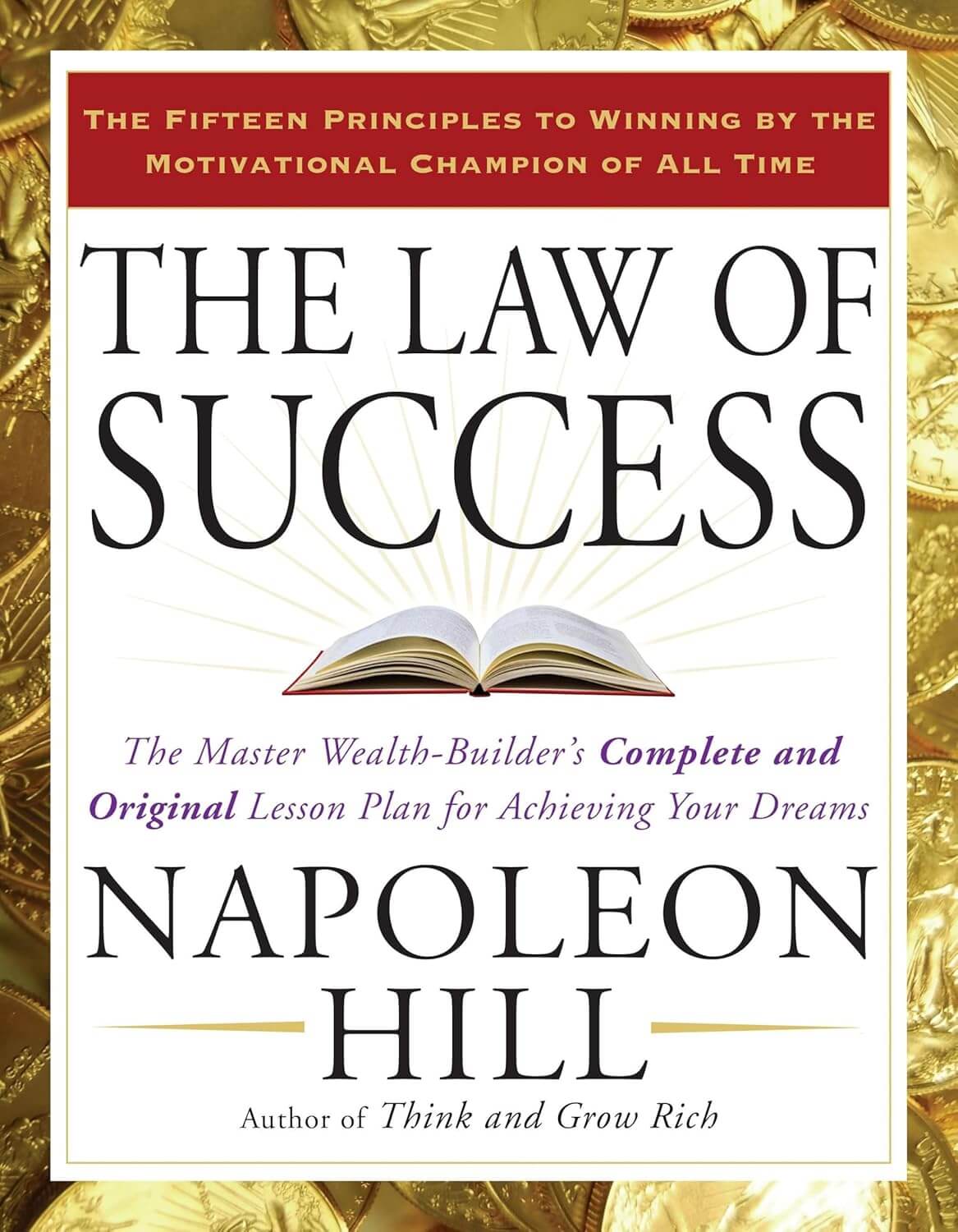
The Law of Success Book Summary
This The Law of Success Book Summary covers the key ideas, lessons, and takeaways in about 20 minutes.
Hill’s philosophy challenges the belief that external forces determine destiny. While circumstances matter, they respond to mindset more often than they dictate it. By mastering habitual thoughts, clarifying purpose, reinforcing belief through repetition, and supporting intention with action, individuals can reshape their experience of life.
Success, as Hill defines it, is not merely financial or professional. It includes self-respect, purposeful effort, meaningful relationships, and the confidence that one’s life is self-directed. The law he describes is not reserved for a select few—it operates for anyone willing to apply it consistently.
Helps with these goals
Want the complete 20-minute summary?
- Full structured summary
- Video Summary
- Podcast Summary
- Audio summary
- Key takeaways
- Exercises
- Quiz
- Highlights and notes
- Ask the book with AI
What is in the The Law of Success book summary?
Below is a preview of Sumizeit’s expert-written summary of The Law of Success by Napoleon Hill. The full summary covers the book’s key ideas in text, audio, and video.
The Law of Success presents a sweeping philosophy that defines achievement not as a matter of luck, privilege, or circumstance, but as the natural outcome of disciplined thinking. Napoleon Hill argues that success is governed by consistent internal laws, much like gravity governs the physical world. These laws operate whether or not a person understands them, and those who thrive do so because their mental habits unknowingly align with these principles. Rather than offering shortcuts or tricks, the book insists that lasting success begins with mastering one’s inner world—especially patterns of thought that quietly shape behavior, decisions, and outcomes over time.
At the heart of Hill’s framework is the conviction that people do not rise or fall randomly. Instead, they experience the compounded effects of their dominant thoughts, emotional tendencies, and habitual attitudes. Life, in this sense, acts as a mirror: it reflects back what the mind repeatedly projects. Success, therefore, is less about controlling external events and more about governing the internal forces that influence how one responds to opportunity, adversity, and effort.
The Subconscious as the Architect of Outcomes
Hill places extraordinary emphasis on the subconscious mind, portraying it as the unseen architect behind nearly every life result. While the conscious mind sets intentions and entertains ideas, it is the subconscious that executes patterns automatically. Over time, repeated thoughts leave impressions that harden into beliefs. These beliefs silently direct behavior, shape emotional reactions, and even influence what opportunities a person notices or ignores.
According to Hill, most people fail not because they lack intelligence or resources, but because they have unknowingly trained their subconscious to work against their aspirations. Persistent doubt, fear, resentment, or self-criticism gradually programs the mind to expect defeat. Once these expectations take root, the subconscious nudges the individual toward actions—or inaction—that confirm them. This explains why people often sabotage themselves despite consciously wanting success.
In contrast, when thoughts of confidence, purpose, and possibility dominate the mind, the subconscious becomes a cooperative force. It begins steering the individual toward constructive habits, timely decisions, and environments that support growth. Hill stresses that this process is not mystical in practice, even if it sounds abstract. It unfolds through repetition, emotional intensity, and consistency—qualities that determine which thoughts gain influence beneath conscious awareness.
Habitual Thinking and Mental Conditioning
A central idea in the book is that the mind is shaped more by repetition than by isolated moments of inspiration. Occasional optimism cannot override years of ingrained pessimism. The subconscious responds to what is practiced, not to what is wished for. Hill likens habitual thoughts to grooves carved into the brain: the deeper the groove, the more easily the mind returns to it.
This explains why many people intellectually understand what they should do but feel emotionally unable to do it. Their conscious reasoning conflicts with subconscious conditioning. Hill argues that lasting change requires rebuilding mental habits from the ground up. This involves deliberately choosing thoughts that support one’s aims and repeating them until they feel natural.
Importantly, Hill…
Want the complete 20-minute summary?
- Full structured summary
- Video Summary
- Podcast Summary
- Audio summary
- Key takeaways
- Exercises
- Quiz
- Highlights and notes
- Ask the book with AI
Who should read The Law of Success?
The Law of Success is for anyone seeking to understand why they repeatedly encounter the same patterns in life and want to break free from them. This book speaks to entrepreneurs, professionals, and individuals at any stage of their journey who recognize that external changes alone haven't delivered lasting results. If you believe your circumstances are fixed by luck or fate rather than shaped by your own mind, this philosophy will challenge that assumption and offer a practical framework for reclaiming control.
Why does The Law of Success matter?
In a world obsessed with quick fixes and external optimization, Napoleon Hill's The Law of Success reminds us that sustainable achievement begins with mental discipline, not circumstance. This timeless work matters today because it addresses the root cause of repeated failure: the hidden beliefs and habitual thoughts that sabotage progress before external effort can take hold. Understanding how your subconscious mind shapes your reality is foundational to any meaningful change in career, finances, relationships, or personal growth.
What are the key themes in The Law of Success?
- The subconscious mind as the architect of life outcomes
- Habitual thinking and mental conditioning as drivers of success or failure
- The power of attitude and emotional climate in shaping reality
- Purpose and clarity as blueprints for organizing thought and action
- Autosuggestion and repetition as tools for reprogramming belief
- Action as reinforcement and evidence for the subconscious
- Discipline and emotional mastery as bridges between intention and achievement
- Integrity and character as foundations of sustainable success
What are the key lessons from the The Law of Success book summary?
Success Follows Laws, Not Luck
Achievement is governed by consistent internal principles that operate whether or not you understand them. Those who succeed do so because their mental habits unknowingly align with these laws, not because they were born fortunate.
Your Dominant Thoughts Shape Your Reality
Life acts as a mirror reflecting what your mind repeatedly projects. The thoughts you dwell on most often and most emotionally will eventually shape your behavior, decisions, and the outcomes you attract.
The Subconscious Executes What the Conscious Mind Impresses Upon It
While your conscious mind entertains ideas, your subconscious automatically executes patterns. Repeated thoughts harden into beliefs that silently direct behavior and influence which opportunities you notice or ignore.
Self-Sabotage Stems From Hidden Beliefs, Not Lack of Effort
Most people unknowingly program their subconscious to work against their aspirations through persistent doubt and fear. You often sabotage yourself because your subconscious has been trained to expect defeat, not because you lack capability.
Mental Grooves Deepen With Repetition
The mind is shaped more by what is practiced than by isolated moments of inspiration. Occasional optimism cannot override years of pessimism; the subconscious responds to habitual patterns, not wishes.
Attitude Precedes Circumstance
Constructive attitude acts as the emotional climate in which success grows. You must cultivate positive expectancy before conditions improve, not wait for external circumstances to justify optimism.
Clarity of Purpose Organizes Mental and Physical Energy
Vague desires produce vague results because the subconscious cannot work effectively without direction. A precisely defined goal acts as a blueprint that aligns your thoughts, emotions, and actions toward achievement.
Autosuggestion Reshapes Belief Through Repetition and Emotion
Spoken affirmations and mental imagery, when repeated with genuine feeling, penetrate beneath conscious resistance and reprogram your belief system. The mind accepts repeated ideas as plausible, then probable, then true.
Visualization Trains the Subconscious as Experience
When you repeatedly imagine success in vivid detail, your subconscious interprets imagination as real experience. This mental rehearsal makes external success feel more natural and achievable.
Action Anchors Belief Into Reality
Mental conditioning alone is insufficient; action is required to reinforce new beliefs and provide feedback that strengthens confidence. Each completed task offers evidence to your subconscious that success is attainable.
Small Daily Actions Build Momentum and Proof
Breaking large goals into manageable daily tasks prevents overwhelm and accumulates evidence of capability. Imperfect action trains the subconscious to associate effort with progress, not fear.
Continuous Learning Is a Lifetime Obligation
Success requires ongoing growth in knowledge, skill, and adaptability. Each new skill increases self-trust, expands opportunity, and strengthens belief in your ability to influence outcomes.
Cooperation Multiplies Intelligence Beyond Individual Capacity
Aligning efforts around a shared purpose with supportive collaborators provides access to higher levels of creativity and problem-solving than individual effort alone can achieve.
Negative Influences Undermine Progress From Within
The people you surround yourself with either reinforce constructive beliefs or undermine them through doubt and discouragement. Successful collaboration requires careful selection of aligned, supportive partners.
Emotional Mastery Is a Learned Skill That Sustains Persistence
Fear, impatience, and frustration derail effort when unchecked. By observing emotions rather than obeying them, you maintain momentum even under pressure and keep destructive feelings from sabotaging progress.
Belief Fuels Persistence Through Slow Progress
Persistence bridges the gap between intention and achievement, especially when progress appears slow. When belief weakens, effort falters; continual reinforcement of constructive ideas is necessary to sustain momentum.
Integrity Eliminates Internal Conflict and Attracts Opportunity
Dishonesty and exploitation create internal resistance and erode trust over time. Aligning actions with principles frees mental energy for creativity and focus while attracting sustainable opportunity.
Patterns Repeat Until the Internal Cause Is Changed
Financial struggles, unhealthy relationships, and career stagnation recur because the subconscious belief driving the pattern remains unchanged. External adjustments offer only temporary relief until internal conditioning shifts.
Perception Becomes Destiny Through Accumulated Mental Filters
Your beliefs create mental filters through which you interpret all events. These filters influence what opportunities feel possible, what risks seem tolerable, and what actions feel worth attempting—ultimately shaping your destiny.
Success Is Trained, Not Granted
Achievement is the predictable result of disciplined inner alignment between thought, belief, emotion, and action. Success is not reserved for the fortunate few but operates consistently for anyone willing to apply these principles.
Want the complete 20-minute summary?
- Full structured summary
- Video Summary
- Podcast Summary
- Audio summary
- Key takeaways
- Exercises
- Quiz
- Highlights and notes
- Ask the book with AI
How can you apply ideas from The Law of Success?
- Replace recurring negative self-talk with specific affirmations aligned to your goals, repeated daily with emotional conviction until they feel natural
- Create a vivid mental image of your desired outcome and practice visualization daily, engaging all senses to strengthen the subconscious impression
- Define your primary aim with precision, including specific metrics and timelines, then break it into manageable daily actions that build momentum
- Audit your environment and relationships, removing or minimizing contact with influences that reinforce doubt while seeking out supportive collaborators and mentors
- Establish a daily habit of conscious attitude redirection, deliberately shifting attention from limitations to available resources and desired outcomes
- Document progress on goals regularly to provide evidence to your subconscious that effort produces results, reinforcing belief and motivation
- Invest in continuous skill development that directly supports your primary aim, turning knowledge into applied capability that increases self-trust
What common mistakes do readers make with The Law of Success?
- Assuming that changing external circumstances alone will produce lasting results without first changing the internal beliefs driving the current situation
- Practicing autosuggestion and visualization mechanically without emotional conviction, expecting words alone to reshape deeply ingrained subconscious patterns
- Waiting for the perfect conditions or complete confidence before taking action, when consistent imperfect action is what actually builds belief and momentum
- Underestimating the power of habitual thought and expecting isolated moments of inspiration to override years of pessimistic conditioning
Sumizeit Exercises Apply what you've learned
Turn ideas from The Law of Success into action with a short guided reflection: identify the biggest takeaway, connect it to your life, and commit to one step you can take in the next 24 hours.
What is the expert analysis of The Law of Success?
Overview
The Law of Success is a seminal work by Napoleon Hill, a pioneering figure in the field of personal development and achievement psychology. Published in the early 20th century, this book stands as a comprehensive manifesto on the mental and emotional disciplines necessary for attaining success. Hill’s influence is profound, having shaped the self-improvement genre through his detailed exploration of the psychological laws that govern achievement. This work predates and lays the groundwork for his more famous Think and Grow Rich, offering a richer, more expansive treatment of his philosophy.
Core Thesis
At its core, The Law of Success posits that success is not a product of chance or external circumstances but the inevitable outcome of disciplined mental conditioning. Hill advances the idea that the subconscious mind operates like a natural law—immutable and consistent—shaping behavior and life outcomes based on dominant habitual thoughts and emotional patterns. The book asserts that by consciously mastering one’s internal mental landscape—through attitude, purpose, autosuggestion, and persistent action—individuals can align themselves with these laws and thereby engineer their own success. This thesis extends beyond mere positive thinking, emphasizing the interplay of belief, emotional intensity, and repeated mental practice as the foundation for lasting achievement.
Strengths
- Comprehensive Psychological Framework: Hill’s integration of subconscious conditioning, emotional mastery, and mental habits offers a nuanced understanding of how internal processes govern external realities.
- Practical Methodology: The book provides actionable steps—such as cultivating attitude, defining clear purpose, and employing autosuggestion—that readers can systematically apply to transform their mindset and behavior.
- Emphasis on Persistence and Discipline: Unlike many self-help texts that promise quick fixes, Hill underscores the necessity of sustained effort and emotional regulation, lending the work a grounded and realistic tone.
- Integration of Metaphysical Concepts: The notion of a “universal intelligence” connecting subconscious minds introduces a philosophical dimension that enriches the psychological insights and appeals to readers interested in broader existential questions.
- Focus on Integrity and Character: Hill’s insistence that ethical behavior is foundational to enduring success adds moral depth often missing in achievement literature.
Critiques & Counterarguments
- Overreliance on Metaphysical Assumptions: Hill’s concept of a universal intelligence and the subconscious as a receiver of external creative forces lacks empirical grounding and may alienate readers seeking strictly scientific explanations.
- Potential Oversimplification of Complex Realities: The assertion that internal mental patterns alone determine success risks minimizing structural and systemic factors such as socioeconomic status, discrimination, and access to resources that profoundly impact outcomes.
- Limited Engagement with Contradictory Evidence: Contemporary psychological research highlights the role of unconscious biases, environmental conditioning, and neurobiological factors that complicate the straightforward cause-effect relationship Hill proposes between thought and success.
- Risk of Blaming the Individual: The framework may inadvertently suggest that failure results solely from flawed thinking or attitude, overlooking external obstacles and potentially fostering self-reproach rather than constructive change.
- Historical Context and Dated Examples: Some illustrations and language reflect early 20th-century cultural norms, which may feel outdated or less inclusive to modern readers.
Who Should Read This
The Law of Success is ideally suited for readers with a serious interest in the psychological underpinnings of achievement who appreciate a blend of practical advice and philosophical reflection. It appeals to entrepreneurs, leaders, and self-improvement enthusiasts who seek a disciplined, methodical approach to personal transformation rather than quick motivational boosts. Additionally, those fascinated by the historical evolution of self-help literature and the intersection of psychology and metaphysics will find Hill’s comprehensive framework both instructive and thought-provoking. However, readers should approach the work with a critical eye toward its metaphysical claims and be mindful of its limitations regarding social and structural factors influencing success.
Frequently asked questions about the The Law of Success book summary
What is The Law of Success about?
The Law of Success by Napoleon Hill presents a philosophy that achievement is governed by consistent internal laws of thought and belief, not by luck or external circumstances. Hill argues that success is the predictable result of disciplined mental habits, habitual thinking patterns, and a clear alignment between your subconscious beliefs and your conscious goals. The book explores how to master your inner world—particularly your dominant thoughts and emotional patterns—to reshape your life outcomes.
Who should read The Law of Success?
This book is for anyone seeking to break free from repeating patterns of failure or stagnation, particularly entrepreneurs, professionals, and individuals who recognize that external changes alone haven't delivered lasting results. It's ideal for readers who want to understand the root causes of their circumstances rather than just treating symptoms, and who are willing to invest in mental discipline and personal development.
What are the main takeaways from The Law of Success?
The core takeaways are that success stems from disciplined thinking and habitual mental patterns rather than chance, that your subconscious mind executes the beliefs you repeatedly impress upon it, and that sustainable achievement requires alignment between clear purpose, constructive thoughts, emotional mastery, and consistent action. Hill emphasizes that integrity, continuous learning, and supportive relationships amplify individual effort, and that anyone can apply these principles consistently to reshape their life outcomes.
How does Napoleon Hill explain why people fail?
Hill argues that most people fail not from lack of intelligence or resources, but because they have unknowingly programmed their subconscious to work against their aspirations through persistent doubt, fear, and negative self-talk. Habitual pessimistic thoughts harden into beliefs that silently direct behavior toward actions—or inaction—that confirm defeat. Until the internal belief is changed, external efforts produce only temporary relief, and the same patterns repeat in different forms.
What is autosuggestion and how does it work in The Law of Success?
Autosuggestion is the deliberate use of repeated affirmations and mental imagery to influence your subconscious mind and reshape your belief system. Hill explains that when spoken or imagined ideas are repeated with emotional conviction, they penetrate beneath conscious resistance and eventually become accepted as truth by the subconscious. Visualization strengthens this process by engaging imagination, which the subconscious interprets as real experience rather than fantasy.
Does The Law of Success suggest that thinking alone is enough for success?
No, Hill makes clear that thought alone is insufficient for lasting success. While mental conditioning and clear visualization are essential foundations, action is required to anchor new beliefs into reality and provide evidence to the subconscious that progress is attainable. Hill advocates breaking goals into manageable daily actions and warns against endless planning without execution, which reinforces doubt rather than confidence.
How does Hill explain the role of attitude in achieving success?
In The Law of Success, Hill portrays attitude as the emotional climate in which success grows and the gateway to mental control. He argues that attitude does not depend on external circumstances but must precede them—positive expectancy must come first if conditions are to change. Developing a constructive attitude involves consciously redirecting attention from limitations and setbacks toward desired outcomes and available resources.
About Sumizeit
Sumizeit is a profitable Scomy LLC company based in Miami, Florida. It has been helping readers learn from nonfiction books for 7 years with expert-written summaries in text, audio, podcast, and video.
Want the complete 20-minute summary?
- Full structured summary
- Video Summary
- Podcast Summary
- Audio summary
- Key takeaways
- Exercises
- Quiz
- Highlights and notes
- Ask the book with AI
Here's why readers love Sumizeit
Join thousands of learners getting smarter every day
"Great experience. Detailed summaries. Loved the gamification feature. Makes learning fun. Good customer service. I recommend Sumizeit to anyone. You'll learn a lot."
"I always felt busy but still wanting to keep up with the book discussion in my friend group. This was a great supplement to help me keep reading the books I find fun while keeping up with important books."
"I love this website. Instead of scrolling social media, I find myself learning a lot. I use it everyday. I recommend this app for anyone who is too busy and wants to get up to speed with their favorite books."
The Law of Success Book Summary PDF
Looking for a The Law of Success Book Summary PDF you can save and revisit offline? Our The Law of Success Book Summary PDF captures the book’s core ideas in a clean, printable format — the key frameworks, takeaways, and structure without the fluff. Download the The Law of Success Book Summary PDF when you want a reference you can annotate, share with your team, or review on the go. Get your The Law of Success Book Summary PDF from the download page below.
Download The Law of Success Book Summary PDFPeople also liked these summaries
Readers who explored The Law of Success often enjoyed these titles next.





Want the complete 20-minute summary?
- Full structured summary
- Video Summary
- Podcast Summary
- Audio summary
- Key takeaways
- Exercises
- Quiz
- Highlights and notes
- Ask the book with AI
Featured Book Titles
Popular Book Summaries at sumizeit, leading book summary app