New users get 3 free summaries! Upgrade for unlimited access to 1,000+ book summaries.

Upgrade Now
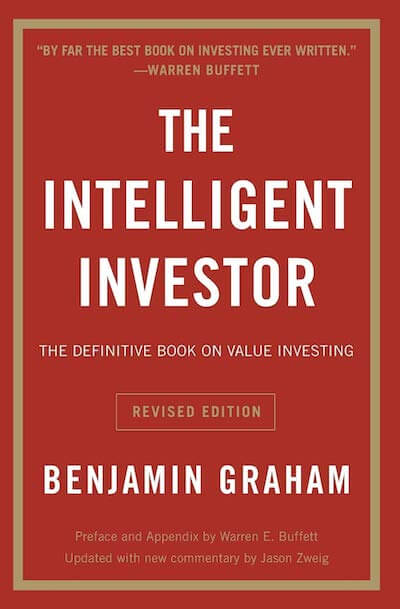
The Intelligent Investor by Benjamin Graham book cover
Buy Book on Amazon

As an Amazon Associate, Sumizeit earns from qualifying purchases.

Book Summary

The Intelligent Investor Book Summary

By Benjamin Graham

This The Intelligent Investor Book Summary covers the key ideas, lessons, and takeaways in about 20 minutes.

20 min read Audio available
"The Intelligent Investor" is a renowned investment book by Benjamin Graham that provides timeless principles and practical guidance for investors to make informed decisions and achieve financial success. It emphasizes the importance of a disciplined approach, value investing, risk management, and long-term thinking.

4.8

Stars

Average ratings on iOS and Google Play

100,000+

Users

On all platforms

6+

Years

Experience igniting personal growth

Want the complete 20-minute summary?

  • Full structured summary
  • Video Summary
  • Podcast Summary
  • Audio summary
  • Infographic
  • Key takeaways
  • Exercises
  • Quiz
  • Highlights and notes
  • Ask the book with AI

What is in the The Intelligent Investor book summary?

Below is a preview of Sumizeit’s expert-written summary of The Intelligent Investor by Benjamin Graham. The full summary covers the book’s key ideas in text, audio, and video.

Are you wondering how people make big payouts with their investments?

Have you been timid to try investing money because of the current economy?

Well, have no fear, author of “The Intelligent Investor” Benjamin Graham is here to help you with your investing questions and woes. 

According to Graham in order to keep your money in your wallet, it’s all about investing intelligently and strategically. It’s all about being patient. 

Don’t expect quick wins! Slow and steady wins the race.

“On the other hand, investing is a unique kind of casino—one where you cannot lose in the end, so long as you play only by the rules that put the odds squarely in your favor.” - Benjamin Graham

Short-Term Gains Shouldn’t Be Your Goal

According to the Graham Plan that has been utilized since 1949, it is important to study the company before investing in it. 

“You must thoroughly analyze a company, and the soundness of its underlying businesses, before you buy its stock; you must deliberately protect yourself against serious losses; you must aspire to ‘adequate’, not extraordinary, performance.” - Benjamin Graham

Many people focus on short-term gains based on the fluctuation of the market. This is not a sustainable way to earn a big pay-out through investments. The market is unpredictable, so by trying to study market patterns to theorize your investments, you risk losing your hard-earned cash.

Focus on Pricing

Intrinsic value is the calculated value of an asset. A smart investor will buy stock in a company when it is below the intrinsic value. 

An intelligent investor should only buy a stock if there is some sort of profit to be had. 

Buying a stock when it is above its intrinsic value may seem desirable because it looks as if the stock is doing really well. But, overtime the value will go down as people discover that the stock really isn’t worth as much as it was letting on. Think of it as a fading trend or a marketing hype! Ultimately, by buying a stock when it’s above its intrinsic value, you will end up losing money in the end.

The Three Principles

Once again, it’s important to analyze the long-term potential of a company before investing. Investing takes time, so you want to put your focus on companies that will continue to grow and develop despite the effects of the current market. 

Important things to look at while investigating a company for investment opportunities in the financial structure, the management quality, the pay to its employees, and of course, what part of the profit you will receive through an investment. 

Protect Yourself Against Losses

It’s vital that you protect yourself against losses that you can’t afford. 

You never want to put all your eggs in one basket, even if the company looks flawless. Some things such as tax evasion or fraud are out of your hands. These are situations that you can’t predict. 

So, by investing in multiple companies at once, your money is in…

The full structured summary is available after upgrading

Want the complete 20-minute summary?

  • Full structured summary
  • Video Summary
  • Podcast Summary
  • Audio summary
  • Infographic
  • Key takeaways
  • Exercises
  • Quiz
  • Highlights and notes
  • Ask the book with AI

Who should read The Intelligent Investor?

The Intelligent Investor is essential for anyone seeking to build wealth through the stock market without falling victim to hype or emotional decision-making. Whether you're a complete beginner intimidated by investing or someone who has lost money chasing quick gains, this book provides a proven framework for success. It's particularly valuable for individuals who want to shift from speculative trading to disciplined, long-term wealth building.

Why does The Intelligent Investor matter?

In today's volatile markets filled with conflicting financial advice and get-rich-quick schemes, Benjamin Graham's principles of intelligent investing are more relevant than ever. The book teaches you how to protect yourself from avoidable losses and avoid the emotional traps that cause most investors to underperform. Graham's timeless strategies have guided successful investors for decades and remain the foundation for sound financial decision-making in uncertain economic times.

What are the key themes in The Intelligent Investor?

  • Intrinsic value vs. market price
  • Long-term wealth building over short-term gains
  • Portfolio diversification and risk management
  • Emotional discipline in investing
  • Fundamental company analysis
  • Market psychology and investor behavior
  • Defensive vs. enterprising investment strategies

What are the key lessons from the The Intelligent Investor book summary?

  1. Intrinsic Value is Your North Star

    Buy stocks only when they trade below their calculated intrinsic value, creating a margin of safety that protects your capital and ensures profit potential over time.

  2. Reject the Quick-Win Mentality

    Short-term market fluctuations are unpredictable; successful investing requires patience and focus on long-term company growth rather than chasing immediate returns.

  3. Analyze Before You Invest

    Thoroughly examine a company's financial structure, management quality, employee compensation, and profit distribution before committing your money.

  4. Diversification is Your Safety Net

    Never concentrate all your investments in a single company; spread your capital across multiple investments to mitigate the impact of unexpected losses.

  5. Protect Against Losses You Can't Afford

    Your primary goal should be capital preservation and avoiding serious losses, not achieving extraordinary returns, as this approach ensures long-term success.

  6. Don't Panic During Market Downturns

    Historical market cycles show that downturns are temporary; investors who maintain their positions and continue buying strategically during declines position themselves for recovery gains.

  7. Understand Market Psychology

    The market often overhypes stocks due to herd mentality and emotion; staying grounded and realistic helps you avoid overpaying for hyped investments.

  8. Dollar-Cost Averaging Works

    Investing a fixed amount regularly into your chosen stocks smooths out market volatility and removes the pressure to time the market perfectly.

  9. Choose Your Investment Strategy Wisely

    The Defensive Investor strategy balances bonds and stocks for safety, while the Enterprising Investor allocates more to stocks but requires greater expertise and discipline.

  10. Control Yourself, Not the Market

    Successful investing isn't about beating others or predicting market movements; it's about managing your own behavior, patience, and decision-making discipline.

  11. Study Historical Patterns

    Learning from past market crashes, recoveries, and cycles prepares you mentally and financially to handle inevitable market volatility without making rash decisions.

  12. Company Correlation Matters

    Analyze how a company's earnings have performed over years while considering external factors like inflation and economic conditions to assess true long-term potential.

  13. Mr. Market is Irrational

    Market sentiment often disconnects from reality; recognizing this helps you exploit opportunities when others are fearful or euphoric.

  14. Adequate Performance Beats Extraordinary Expectations

    Aiming for realistic, steady returns is more achievable and sustainable than chasing unrealistic profit targets that expose you to dangerous risks.

  15. Margin of Safety is Essential

    Always buy stocks at a discount to intrinsic value, creating a buffer that protects you if your analysis is slightly off or circumstances change unexpectedly.

  16. Ignore Wall Street Hype

    Professional traders create urgency and FOMO; as a personal investor, you should remain detached from market noise and focus on fundamental value.

  17. Build Gradually and Consistently

    Wealth accumulation through intelligent investing is a marathon, not a sprint; small, consistent, disciplined investments compound into substantial wealth over decades.

  18. Financial Structure Reveals Health

    A company's balance sheet, debt levels, and cash flow are more reliable indicators of investment quality than stock price movements or market sentiment.

  19. Management Quality Predicts Outcomes

    Trustworthy, competent leadership with aligned incentives is a critical factor in selecting companies with strong long-term growth potential.

  20. Unpredictability Demands Preparation

    Since market shocks are inevitable but unforeseeable, building a resilient portfolio with multiple safeguards ensures you survive and thrive through any cycle.

Want the complete 20-minute summary?

  • Full structured summary
  • Video Summary
  • Podcast Summary
  • Audio summary
  • Infographic
  • Key takeaways
  • Exercises
  • Quiz
  • Highlights and notes
  • Ask the book with AI

How can you apply ideas from The Intelligent Investor?

  • Calculate intrinsic value using earnings data and compare it to current stock price before making any investment decision
  • Build a diversified portfolio with 50% bonds and 50% stocks if you're a defensive investor, or adjust allocations if you're an enterprising investor
  • Set up automatic monthly or quarterly investments of fixed amounts to implement dollar-cost averaging without timing the market
  • Create a checklist of fundamental metrics to analyze—financial structure, management track record, employee compensation, profit distribution—before researching any stock
  • Maintain a written investment strategy and review it quarterly to ensure emotional decisions don't derail your long-term plan during market volatility
  • Study 10+ years of a company's earnings history alongside inflation rates and industry trends to understand true performance
  • Create a personal 'Mr. Market' journal documenting overhyped stocks you avoided and lessons learned from past market cycles

What common mistakes do readers make with The Intelligent Investor?

  • Buying stocks based on short-term price momentum or market hype rather than fundamental analysis and intrinsic value calculations
  • Concentrating too much capital in a single stock or sector, leaving yourself vulnerable to company-specific or industry-wide downturns
  • Selling stocks in panic during market downturns, locking in losses right before recoveries that would have restored or grown your wealth
  • Failing to develop a disciplined strategy in advance, leading to emotional, reactive decisions that deviate from a sound long-term plan

Sumizeit Exercises Apply what you've learned

Turn ideas from The Intelligent Investor into action with a short guided reflection: identify the biggest takeaway, connect it to your life, and commit to one step you can take in the next 24 hours.

Unlock book-specific exercises with a Sumizeit membership

Unlock Exercises

What is the expert analysis of The Intelligent Investor?

Overview

The Intelligent Investor, authored by Benjamin Graham, stands as a seminal work in the field of investment literature. Graham, often hailed as the father of value investing, crafted this book to provide a disciplined framework for investors seeking to navigate the complexities of the stock market with prudence and insight. First published in 1949, the book’s enduring relevance is anchored in its foundational principles that continue to influence both individual investors and professional fund managers. Its significance lies not only in its practical guidance but also in its philosophical approach to investment as a methodical and patient endeavor rather than a speculative gamble.

Core Thesis

At the heart of Graham’s argument is the conviction that intelligent investing is predicated on thorough analysis, a focus on intrinsic value, and a long-term perspective. He posits that investors should prioritize capital preservation and steady, adequate returns over chasing quick, speculative gains. The book emphasizes the importance of understanding the underlying business, protecting oneself against avoidable losses through diversification, and maintaining emotional discipline in the face of market volatility. Graham’s concept of “Mr. Market” serves as a metaphor for the often irrational and emotionally driven stock market, underscoring the need for investors to remain detached and rational.

Strengths

l>
  • Timeless Investment Principles: Graham’s advocacy for value investing and intrinsic value assessment remains foundational, influencing generations of investors including Warren Buffett.
  • Emphasis on Risk Management: The book’s insistence on protecting capital and diversifying investments addresses the often overlooked psychological and financial risks inherent in stock market participation.
  • Clear Distinction Between Investor Types: By delineating the “defensive” and “enterprising” investor profiles, Graham provides tailored strategies that accommodate different risk tolerances and investment goals.
  • Psychological Insight: The metaphor of “Mr. Market” effectively captures market irrationality and guides investors to avoid herd mentality, fostering a disciplined investment mindset.
  • Practical Guidance: The book offers actionable advice on portfolio construction, dollar-cost averaging, and the importance of patience, making it accessible to both novices and seasoned investors.
  • Critiques & Counterarguments

    l>
  • Oversimplification of Market Dynamics: While Graham’s principles are foundational, the book occasionally underestimates the complexity and efficiency of modern markets, where information asymmetry is reduced by technology and regulation.
  • Historical Context Limitations: Some examples and market conditions referenced stem from mid-20th century America, which may not fully translate to today’s globalized and algorithm-driven markets.
  • Competing Theories: The rise of behavioral finance challenges the assumption that investors can consistently act rationally, suggesting that cognitive biases and emotional factors are more pervasive and harder to control than Graham implies.
  • Growth Investing Contrast: Graham’s value-centric approach contrasts with growth investing strategies that focus on future earnings potential rather than current intrinsic value, which have proven successful in certain market cycles.
  • Limited Discussion on Macroeconomic Factors: The book focuses heavily on company fundamentals but gives less attention to broader economic indicators and geopolitical risks that can profoundly impact investment outcomes.
  • Who Should Read This

    The Intelligent Investor is indispensable for serious individual investors, financial professionals, and students of finance who seek a rigorous, principled approach to investing. It is particularly suited for those who value a disciplined, long-term strategy over speculative trading and are willing to cultivate patience and emotional resilience. Readers interested in understanding the psychological pitfalls of investing and the importance of fundamental analysis will find Graham’s insights invaluable. However, those looking for quick trading tactics or speculative strategies may find the book’s conservative approach less immediately gratifying.

    Frequently asked questions about the The Intelligent Investor book summary

    What is The Intelligent Investor about?

    The Intelligent Investor by Benjamin Graham is a foundational guide to building wealth through disciplined, value-based stock investing. The book teaches readers how to analyze companies, protect themselves from serious losses, and achieve steady long-term returns by focusing on intrinsic value rather than market hype or short-term price movements.

    Who should read The Intelligent Investor?

    Anyone interested in building wealth through the stock market should read this book, especially beginners, people who have lost money on bad investments, and anyone seeking to shift from emotional, speculative trading to disciplined, long-term wealth building. It's valuable for both defensive investors who prioritize safety and enterprising investors willing to take calculated risks.

    What are the main takeaways from The Intelligent Investor?

    The core takeaways include: buy stocks only when they trade below intrinsic value, focus on long-term growth rather than short-term gains, diversify your portfolio to manage risk, protect yourself against losses you can't afford, and maintain emotional discipline by ignoring market hype. Graham emphasizes that intelligent investing is about slow, steady wealth building through careful analysis and patience.

    What is intrinsic value and why does it matter?

    Intrinsic value is the calculated true worth of a company based on its financial fundamentals, earnings, and growth potential. It matters because buying stocks below intrinsic value creates a margin of safety—if your analysis is slightly wrong or conditions change, you're still protected. Buying above intrinsic value often leads to losses as the market corrects unrealistic prices.

    What's the difference between defensive and enterprising investors?

    Defensive investors prioritize safety and stability, allocating roughly 50% to bonds and 50% to stocks while using dollar-cost averaging. Enterprising investors allocate more heavily to stocks, accept higher risk for potentially greater returns, and actively analyze opportunities, but require more expertise and emotional discipline.

    How should I handle market downturns according to Graham?

    Graham emphasizes not selling in panic during downturns, as markets historically recover and downturns create buying opportunities at lower prices. Maintaining a diversified portfolio, continuing to invest according to your plan, and studying historical patterns helps you stay calm and capitalize on the fear-driven prices that temporarily depress valuations.

    What is 'Mr. Market' and why is it important?

    Mr. Market is Graham's metaphor for the irrational, emotional stock market that overhypes certain stocks and undervalues others based on sentiment rather than fundamentals. Recognizing that the market is often wrong helps you avoid FOMO-driven overpayment and exploit opportunities when others panic.

    About Sumizeit

    Sumizeit is a profitable Scomy LLC company based in Miami, Florida. It has been helping readers learn from nonfiction books for 7 years with expert-written summaries in text, audio, podcast, and video.

    Want the complete 20-minute summary?

    • Full structured summary
    • Video Summary
    • Podcast Summary
    • Audio summary
    • Infographic
    • Key takeaways
    • Exercises
    • Quiz
    • Highlights and notes
    • Ask the book with AI

    Here's why readers love Sumizeit

    Join thousands of learners getting smarter every day

    "Great experience. Detailed summaries. Loved the gamification feature. Makes learning fun. Good customer service. I recommend Sumizeit to anyone. You'll learn a lot."

    Chen, TrustPilot

    "I always felt busy but still wanting to keep up with the book discussion in my friend group. This was a great supplement to help me keep reading the books I find fun while keeping up with important books."

    Daniel, TrustPilot

    "I love this website. Instead of scrolling social media, I find myself learning a lot. I use it everyday. I recommend this app for anyone who is too busy and wants to get up to speed with their favorite books."

    Erica, TrustPilot

    The Intelligent Investor Book Summary PDF

    Looking for a The Intelligent Investor Book Summary PDF you can save and revisit offline? Our The Intelligent Investor Book Summary PDF captures the book’s core ideas in a clean, printable format — the key frameworks, takeaways, and structure without the fluff. Download the The Intelligent Investor Book Summary PDF when you want a reference you can annotate, share with your team, or review on the go. Get your The Intelligent Investor Book Summary PDF from the download page below.

    Download The Intelligent Investor Book Summary PDF

    People also liked these summaries

    Readers who explored The Intelligent Investor often enjoyed these titles next.

    Browse all books →

    Want the complete 20-minute summary?

    • Full structured summary
    • Video Summary
    • Podcast Summary
    • Audio summary
    • Infographic
    • Key takeaways
    • Exercises
    • Quiz
    • Highlights and notes
    • Ask the book with AI