


As an Amazon Associate, Sumizeit earns from qualifying purchases.
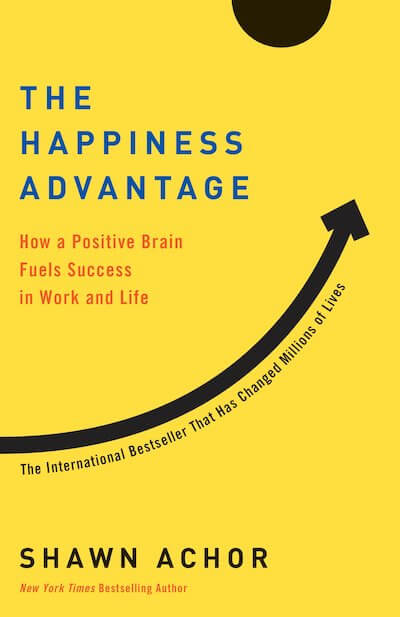
The Happiness Advantage Book Summary
This The Happiness Advantage Book Summary covers the key ideas, lessons, and takeaways in about 20 minutes.
Helps with these goals
Want the complete 20-minute summary?
- Full structured summary
- Video Summary
- Podcast Summary
- Audio summary
- Key takeaways
- Exercises
- Quiz
- Highlights and notes
- Ask the book with AI
What is in the The Happiness Advantage book summary?
Below is a preview of Sumizeit’s expert-written summary of The Happiness Advantage by Shawn Achor. The full summary covers the book’s key ideas in text, audio, and video.
You shouldn’t expect to become happier after you gain success. Become happier first in order to gain more success. If you’re sitting around complacent and not working to achieve your goals, do not be surprised if you don’t have the best mood. The Happiness Advantage is about approaching the world with optimism versus being consumed by ideas that situations will not work out in our favor. In the words of Achor, changing our language of “failure” to “growth potential moments” can impact our lives for the better.
PART ONE – POSITIVE PSYCHOLOGY AT WORK
PART TWO
Principle #1: The Happiness Advantage
Principle #2: The Fulcrum and the Lever
Principle #3: The Tetris Effect
Principle #4: Falling Up
Principle #5: The Zorro Circle
Principle #6 The 20-Second Rule
Principle #7 Social Investment
PART THREE– THE RIPPLE EFFECT
Shawn Achor, born March 9, 1978, is an American author and speaker widely known for his positive psychology advocacy. He spent twelve years at Harvard University where he graduated magna cum laude and earned a Masters from Harvard Divinity School in Christian and Buddhist ethics. Achor has become one of the world’s leading experts on the connection between happiness and success. He authored The Happiness Advantage (2010), Before Happiness(2013), and founded GoodThink, Inc. His research on mindset made the cover of Harvard Business Review. His TED talk is one of the most popular with over 13 million views. His Happiness Advantage training is one of the largest and most successful positive psychology corporate training programs in the world. In 2014, he did a two-hour interview with Oprah at her house to discuss the science of happiness. Achor has also worked with over a third of the Fortune 100 companies, and with places like the NFL, the Pentagon, and the U.S. Treasury.
Want the complete 20-minute summary?
- Full structured summary
- Video Summary
- Podcast Summary
- Audio summary
- Key takeaways
- Exercises
- Quiz
- Highlights and notes
- Ask the book with AI
Who should read The Happiness Advantage?
The Happiness Advantage is for professionals, leaders, and anyone seeking to improve their performance and well-being. If you struggle with motivation, feel trapped by negative thinking patterns, or want to understand the science behind why happiness leads to success, this book offers practical frameworks. It's especially valuable for those in competitive environments who want a sustainable edge beyond traditional productivity tactics.
Why does The Happiness Advantage matter?
In today's high-stress work culture, most people assume success comes first and happiness follows—but Shawn Achor's research reveals the opposite is true. Understanding this reversal can transform how you approach goals, relationships, and challenges. As workplace mental health becomes increasingly critical, The Happiness Advantage provides science-backed strategies to rewire your mindset and create lasting positive change in your life and organization.
What are the key themes in The Happiness Advantage?
- Happiness precedes success, not the reverse
- Optimism and positive psychology as competitive advantages
- Reframing failure as growth and learning opportunities
- The power of small, manageable goals
- Social connection and support systems
- Habits and behavioral change
- Mindset and expectation management
What are the key lessons from the The Happiness Advantage book summary?
Reverse the Success-Happiness Equation
Stop waiting for success to make you happy. Build happiness first, and you'll become more motivated, creative, and successful in achieving your goals.
Positive Emotions Expand Your Capabilities
Happiness doesn't just feel good—it creates more mental and emotional options for handling challenges. A positive mindset helps you see solutions that stress and negativity obscure.
The Fulcrum and Lever Metaphor
Your success depends on two factors: your belief in your power to change situations (lever length) and your mindset to make positive shifts (fulcrum position). Both are adjustable.
Shift From Negativity Bias to Positive Expectancy
Your brain predicts outcomes based on expectations. Reprogramming from expecting failure to expecting positive results changes how you interpret and respond to situations.
The Tetris Effect: Train Your Brain to Spot Opportunities
Negativity narrows focus and kills motivation, while positive expectancy helps you appreciate challenges and see pathways forward. Simple practices like listing three good things daily rewire this pattern.
Fall Up From Failure
Reframe setbacks as 'growth potential moments' instead of failures. This perspective shift enables adversarial growth and leads to more creative problem-solving than repeated negative interpretations.
Develop Resilience Through Positive Interpretation
How you interpret difficult situations determines your resilience. Those who see challenges as temporary and manageable recover faster and grow stronger.
Avoid Overlearning One Solution
When faced with adversity, happiness enables more creative solutions instead of applying the same narrow approach to all problems. Greater emotional flexibility leads to better outcomes.
The Zorro Circle: Start Small and Build Momentum
Achieve smaller, controllable goals first to build confidence and competence. Success in small circles creates momentum and belief that enables larger accomplishments.
Locus of Control Drives Success
People who believe their actions impact outcomes are more successful. Developing agency and accountability—even in small domains—strengthens your ability to create change.
Use Words to Process and Recover From Emotions
Articulating your feelings verbally or in writing helps you recover from negative emotions faster. This practice builds emotional intelligence and resilience.
The 20-Second Rule: Redesign Your Environment
Reduce friction for good habits and increase friction for bad ones. Small environmental changes require only about 20 seconds of activation energy but compound into major behavioral shifts.
Make Positive Habits Easy, Negative Habits Hard
Energy and physics teach us that movement from inactivity requires initial effort. Design your environment to make desired behaviors effortless and undesired behaviors inconvenient.
Social Connections Are Essential to Happiness
Happiness doesn't exist in isolation—positive relationships and workplace friendships are foundational to both well-being and professional success.
Brief Social Interactions Have Measurable Impact
Even short, positive conversations with colleagues reduce stress, boost motivation, and improve performance. Investing in relationships pays dividends in productivity and satisfaction.
Actions, Attitudes, and Moods Are Contagious
Your behavior, mindset, and emotional state ripple outward and influence those around you. One person's positive shift can inspire widespread change in a group or organization.
Buffer Your Brain From Negativity
Protect your mental space from constant negativity. Building a buffer of positive influences keeps you in the right headspace to be a positive force for others.
Change Is Possible and Happiness Is a Choice
When you demonstrate that positive behavioral change is achievable, you give others permission to believe the same. Happiness is not circumstantial—it's a deliberate practice.
Mindset Shapes Reality More Than Circumstances
Two people in identical situations can have vastly different outcomes based on their mindset. Your interpretation of reality and belief in your ability to influence it matter more than external conditions.
Build Sustainable Success Through Happiness Practices
Meditation, exercise, positive relationships, and intentional reflection aren't nice-to-haves—they're foundational practices that enable the sustained motivation and resilience needed for lasting success.
Want the complete 20-minute summary?
- Full structured summary
- Video Summary
- Podcast Summary
- Audio summary
- Key takeaways
- Exercises
- Quiz
- Highlights and notes
- Ask the book with AI
How can you apply ideas from The Happiness Advantage?
- Establish a daily practice of noting three good things that happened to you to retrain your brain toward positive pattern recognition
- Identify one small, controllable goal and achieve it to build momentum and belief in your ability to influence outcomes
- Reduce the activation energy for one positive habit by redesigning your environment (e.g., lay out workout clothes the night before)
- Schedule brief positive interactions with colleagues or friends daily to maintain social investment and reduce stress
- Reframe a recent failure as a growth opportunity and extract one transferable lesson you can apply elsewhere
- Create accountability partnerships or support systems that reinforce positive behavioral change
- Audit your environment to increase friction for undesired habits (remove distractions, add barriers) while decreasing friction for desired ones
What common mistakes do readers make with The Happiness Advantage?
- Waiting for external success before investing in happiness—this delays both well-being and actual achievement
- Expecting the worst and interpreting challenges through a deficit lens instead of seeing them as growth opportunities
- Isolating yourself during difficult times instead of leaning on social support, which amplifies stress and reduces resilience
- Trying to change too many habits at once or aiming for large goals without building momentum through smaller successes first
Sumizeit Exercises Apply what you've learned
Turn ideas from The Happiness Advantage into action with a short guided reflection: identify the biggest takeaway, connect it to your life, and commit to one step you can take in the next 24 hours.
What is the expert analysis of The Happiness Advantage?
Overview
The Happiness Advantage is a seminal work by Shawn Achor, a leading figure in positive psychology and happiness research. Drawing on over a decade of experience at Harvard and extensive corporate training engagements, Achor challenges conventional wisdom by asserting that happiness is not a byproduct of success but rather its precursor. His accessible synthesis of psychological research and practical strategies has made this book a cornerstone in the intersection of psychology, business, and self-improvement literature.
Core Thesis
Achor’s central argument is that cultivating a positive mindset—happiness—creates a measurable advantage in achieving success. Contrary to the traditional belief that success breeds happiness, he posits that happiness itself fuels motivation, creativity, resilience, and productivity. Through a series of principles grounded in positive psychology, Achor demonstrates how rewiring our cognitive patterns and behaviors can leverage this “happiness advantage” to transform both personal and professional outcomes.
Strengths
- Integration of Research and Practical Application: Achor skillfully bridges rigorous psychological research with actionable advice, making complex theories accessible and applicable.
- Positive Psychology Framework: The book effectively popularizes key concepts such as the “Tetris Effect,” “Falling Up,” and “The Zorro Circle,” providing readers with memorable metaphors to internalize behavioral change.
- Emphasis on Small, Manageable Changes: By advocating for incremental goal-setting and habit formation, Achor offers a realistic roadmap for sustained improvement rather than quick fixes.
- Social Dimension of Happiness: Highlighting the role of social investment underscores the relational nature of well-being, aligning with contemporary research on social support and mental health.
- Corporate Relevance: The book’s resonance with business audiences, evidenced by its adoption in Fortune 100 companies and organizational training, attests to its practical value in enhancing workplace culture and performance.
Critiques & Counterarguments
- Overreliance on Positive Psychology Paradigm: While Achor’s optimism is compelling, the book occasionally oversimplifies complex psychological phenomena, underestimating the role of structural and contextual factors in success and happiness.
- Limited Engagement with Negative Emotions: The focus on positivity risks marginalizing the adaptive functions of negative emotions such as anxiety or sadness, which some schools of thought argue are essential for growth and realistic appraisal.
- Empirical Evidence Nuances: Some principles, like the 20-second rule and the fulcrum and lever metaphor, are intuitively appealing but lack robust longitudinal studies confirming their efficacy across diverse populations.
- Competing Psychological Models: Approaches such as Acceptance and Commitment Therapy (ACT) emphasize acceptance of negative thoughts rather than their replacement with positivity, challenging Achor’s emphasis on reprogramming thought patterns.
- Cultural and Socioeconomic Variability: The book’s largely Western, corporate-centric examples may not fully account for cultural differences in conceptualizing happiness or the impact of socioeconomic constraints on individual agency.
Who Should Read This
The Happiness Advantage is ideally suited for professionals, leaders, and individuals seeking evidence-based strategies to enhance productivity and well-being. Its accessible style and actionable insights make it valuable for those interested in positive psychology, organizational behavior, and personal development. However, readers looking for a nuanced exploration of emotional complexity or systemic factors influencing happiness may need to supplement this work with more critical or diverse perspectives.
Frequently asked questions about the The Happiness Advantage book summary
What is The Happiness Advantage about?
The Happiness Advantage by Shawn Achor challenges the conventional wisdom that success leads to happiness. Instead, the book argues that happiness creates the psychological conditions necessary for better performance, creativity, and achievement. Through seven science-backed principles, Achor shows how shifting your mindset, building positive habits, and investing in relationships can unlock a competitive edge in work and life.
Who should read The Happiness Advantage?
This book is ideal for professionals seeking to improve performance and well-being, leaders wanting to build healthier, more engaged teams, and anyone struggling with motivation or trapped in negative thinking patterns. It's particularly valuable for those in competitive environments who want sustainable success beyond traditional productivity tactics, and for organizations looking to shift their culture toward positive psychology.
What are the main takeaways from The Happiness Advantage?
The main takeaways include: happiness precedes success rather than follows it, positive emotions expand your ability to handle challenges, small controllable goals build momentum toward larger achievements, reframing failures as growth opportunities builds resilience, and social connections are essential to both happiness and success. The book also teaches specific practices like the 20-second rule for habit change and the Zorro Circle for building confidence through incremental wins.
How does Shawn Achor define happiness?
Achor defines happiness not merely as a fleeting mood, but as an active work ethic and mindset pursued through intentional effort. He describes it as the condition of striving after meaningful goals, building positive relationships, and maintaining an optimistic outlook even in the face of challenges. Happiness, in his framework, is both an emotional state and a practical competitive advantage.
What is the Zorro Circle and how does it help?
The Zorro Circle is Achor's metaphor for starting with small, manageable, controllable goals and gradually expanding your circle of influence. By achieving success in smaller domains first, you build confidence and momentum that enables you to tackle larger challenges. This approach also strengthens your sense of agency—the belief that your actions directly impact outcomes.
What is the 20-Second Rule?
The 20-Second Rule is Achor's strategy for behavior change based on the physics principle that activation energy is needed to move from inactivity to movement. By reducing the effort required to perform good habits (making them convenient) and increasing the effort for bad habits (adding friction), you can shift behavior with minimal willpower. Small environmental redesigns create the conditions for lasting change.
How does The Happiness Advantage apply to workplace performance?
The book demonstrates that happiness directly improves workplace performance by increasing motivation, creativity, and resilience. Positive social connections with colleagues reduce stress and enhance teamwork, while a happiness mindset enables better problem-solving and adaptability to challenges. Organizations that foster positive psychology see measurable improvements in employee engagement, retention, and productivity.
About Sumizeit
Sumizeit is a profitable Scomy LLC company based in Miami, Florida. It has been helping readers learn from nonfiction books for 7 years with expert-written summaries in text, audio, podcast, and video.
Want the complete 20-minute summary?
- Full structured summary
- Video Summary
- Podcast Summary
- Audio summary
- Key takeaways
- Exercises
- Quiz
- Highlights and notes
- Ask the book with AI
Here's why readers love Sumizeit
Join thousands of learners getting smarter every day
"Great experience. Detailed summaries. Loved the gamification feature. Makes learning fun. Good customer service. I recommend Sumizeit to anyone. You'll learn a lot."
"I always felt busy but still wanting to keep up with the book discussion in my friend group. This was a great supplement to help me keep reading the books I find fun while keeping up with important books."
"I love this website. Instead of scrolling social media, I find myself learning a lot. I use it everyday. I recommend this app for anyone who is too busy and wants to get up to speed with their favorite books."
The Happiness Advantage Book Summary PDF
Looking for a The Happiness Advantage Book Summary PDF you can save and revisit offline? Our The Happiness Advantage Book Summary PDF captures the book’s core ideas in a clean, printable format — the key frameworks, takeaways, and structure without the fluff. Download the The Happiness Advantage Book Summary PDF when you want a reference you can annotate, share with your team, or review on the go. Get your The Happiness Advantage Book Summary PDF from the download page below.
Download The Happiness Advantage Book Summary PDFPeople also liked these summaries
Readers who explored The Happiness Advantage often enjoyed these titles next.





Want the complete 20-minute summary?
- Full structured summary
- Video Summary
- Podcast Summary
- Audio summary
- Key takeaways
- Exercises
- Quiz
- Highlights and notes
- Ask the book with AI
Featured Book Titles
Popular Book Summaries at sumizeit, leading book summary app
