


Prefer the print book? Buy on Amazon
As an Amazon Associate, Sumizeit earns from qualifying purchases.
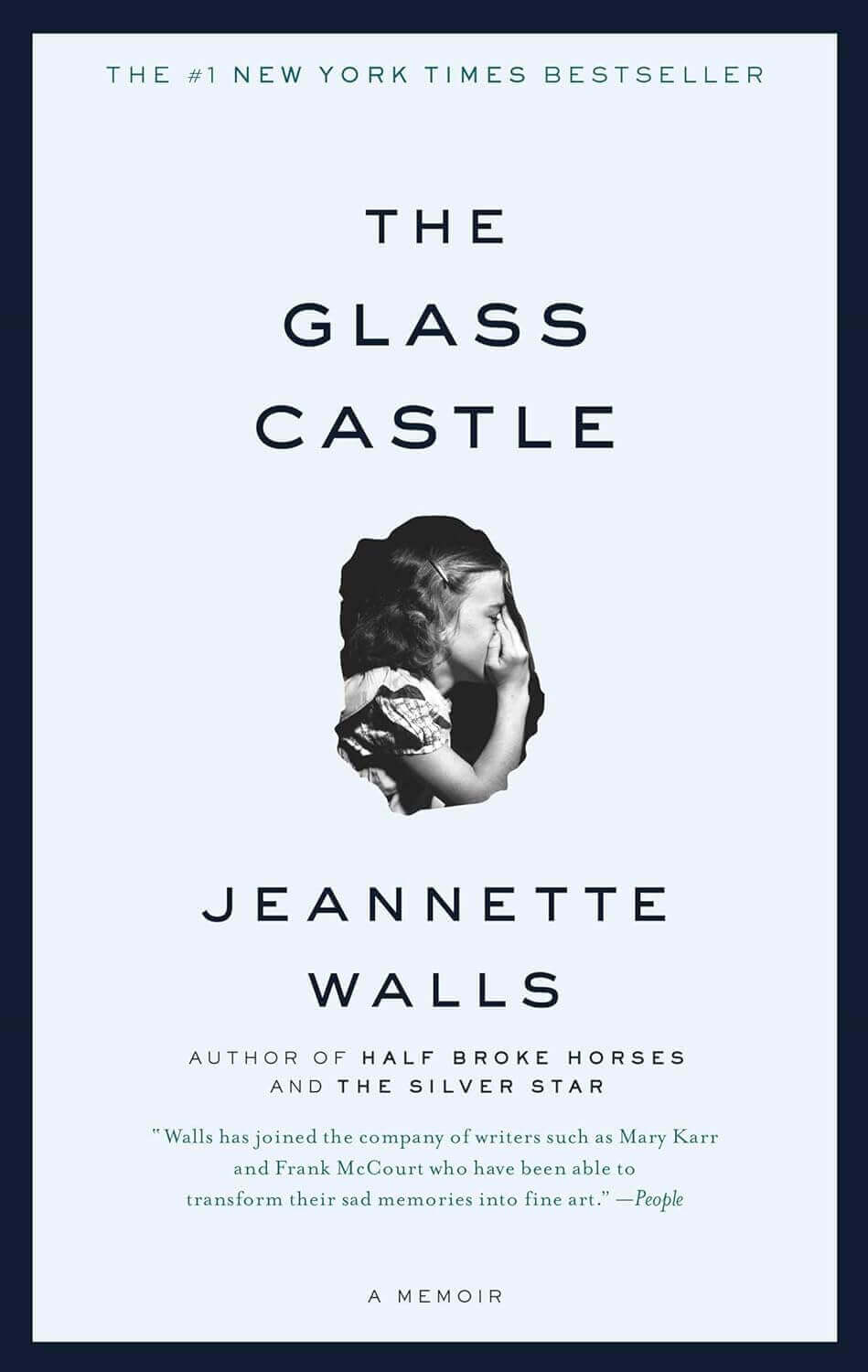
The Glass Castle Book Summary
This The Glass Castle Book Summary covers the key ideas, lessons, and takeaways in about 20 minutes.
The “Glass Castle” becomes a powerful metaphor for the fragility of dreams and the beauty of resilience. It reminds us that even shattered promises can leave behind light. Jeannette’s journey is a testament to how self-reliance, education, and forgiveness can break the cycle of poverty and neglect. Her life proves that while we cannot choose our beginnings, we can choose how to build from them—and sometimes, the ruins become the foundation for greatness.
Audio coming soon.
Helps with these goals
Want the complete 20-minute summary?
- Full structured summary
- Video Summary
- Podcast Summary
- Audio summary
- Key takeaways
- Exercises
- Quiz
- Highlights and notes
- Ask the book with AI
Not ready to upgrade?
Get this summary + 2 more picks sent to your inbox, free.
What is in the The Glass Castle book summary?
Below is a preview of Sumizeit’s expert-written summary of The Glass Castle by Jeannette Walls. The full summary covers the book’s key ideas in text, audio, and video.
Who This Summary Is For
Readers interested in true stories of resilience — especially those who enjoy memoirs like Educated by Tara Westover or Angela’s Ashes by Frank McCourt.
Students and book club members — looking for a detailed yet accessible overview of The Glass Castle to understand its themes, symbolism, and emotional depth.
Fans of psychological and family dynamics narratives — who want to explore how childhood trauma, neglect, and love can coexist in one household.
Writers and creatives — seeking inspiration from Jeannette Walls’ raw honesty and storytelling craft.
Educators and counselors — who work with youth overcoming adversity and want a deeper understanding of resilience and emotional recovery.
Anyone raised in unconventional or difficult families — who may see reflections of their own experiences and find healing through Jeannette’s journey.
Why You Should Read This Summary
Saves Time While Capturing Depth: Get a complete understanding of The Glass Castle’s major events, characters, and emotional layers in one concise, well-structured overview.
Highlights Key Themes: Understand complex topics like poverty, alcoholism, forgiveness, family loyalty, and self-determination without reading the full book.
Explains Symbolism Clearly: Learn what the “Glass Castle” represents and how it ties into the Walls family’s dreams, failures, and illusions.
Connects the Story to Real Life: Gain insight into how childhood experiences shape adulthood—and how resilience and education can break cycles of dysfunction.
Provides Emotional Perspective: This summary explores not just what happened but why it mattered, helping readers grasp the emotional truth behind Jeannette’s transformation.
Perfect for Reflection or Discussion: Ideal for sparking conversations about family, forgiveness, and the pursuit of stability amid chaos.
Encourages Personal Growth: Jeannette’s story reminds readers that strength can be forged from hardship and that hope can exist even in the darkest situations.
The Glass Castle by Jeannette Walls is a haunting, vivid memoir of growing up in a family teetering between genius and chaos. It follows Jeannette’s journey from a childhood of extreme poverty and neglect to her eventual rise as a successful journalist in New York City. The story is both tender and brutal—an exploration of how love and survival coexist in a family ruled by instability. The Walls family—Rex, Rose Mary, and their four children, Lori, Jeannette, Brian, and Maureen—lived a life of constant movement, chasing dreams that dissolved as quickly as they were imagined. Yet, within the dysfunction lay moments of beauty, learning, and fierce loyalty.
The Illusion of the Glass Castle
Rex Walls was a man of contradictions: brilliant, magnetic, and self-sabotaging. He was a natural storyteller and intellectual, teaching his children complex subjects like physics and geology, even while failing to provide them food or safety. He often described the world in grand terms, promising that one day he would build the “Glass Castle,” a towering, solar-powered home made entirely of glass. The plans were meticulous—complete with blueprints, solar panels, and a self-cleaning system.
But the Glass Castle was more than a dream; it was a coping mechanism.
Want the complete 20-minute summary?
- Full structured summary
- Video Summary
- Podcast Summary
- Audio summary
- Key takeaways
- Exercises
- Quiz
- Highlights and notes
- Ask the book with AI
Who should read The Glass Castle?
The Glass Castle appeals to readers seeking raw, honest memoirs about overcoming adversity and anyone drawn to stories exploring complex family dynamics. This book resonates particularly with those who have experienced unconventional childhoods, students studying resilience and trauma, book club members seeking discussion-worthy literature, and anyone interested in understanding how education and determination can break cycles of poverty and dysfunction.
Why does The Glass Castle matter?
Jeannette Walls' memoir transcends a simple poverty narrative to examine universal questions about love, forgiveness, and self-invention that remain deeply relevant today. In an era of increasing discussion around mental health, family trauma, and socioeconomic inequality, The Glass Castle offers a compassionate yet unflinching look at how individuals can reclaim their lives while maintaining complicated feelings toward those who hurt them.
What are the key themes in The Glass Castle?
- Resilience and self-reliance in the face of extreme adversity
- The tension between parental love and parental failure
- Poverty, homelessness, and the shame surrounding economic hardship
- Education as a pathway to transformation and escape
- The conflict between unconventional freedom and basic human need for stability
- Forgiveness and reconciliation with family members
- Dreams versus reality and the fragility of hope
Want the complete 20-minute summary?
- Full structured summary
- Video Summary
- Podcast Summary
- Audio summary
- Key takeaways
- Exercises
- Quiz
- Highlights and notes
- Ask the book with AI
How can you apply ideas from The Glass Castle?
- Evaluate your own family dynamics without judgment: identify patterns of love and harm coexisting, much as the Walls children learned to accept their parents' contradictions
- Invest in education and skill-building as tools for personal agency and economic mobility, regardless of your current circumstances
- Establish clear boundaries between yourself and people or systems that are harmful, while maintaining compassion for their struggles
- Document your own story through writing or conversation to transform trauma into coherent narrative that builds resilience and connection
- Build sibling and peer relationships as sources of mutual support when family systems are unreliable
- Practice gratitude for moments of stability, education, or kindness without minimizing ongoing hardship
- Challenge assumptions about poverty, mental illness, and addiction by engaging with accounts like Walls' that reveal their human complexity
What common mistakes do readers make with The Glass Castle?
- Treating The Glass Castle as a simple inspirational story rather than a nuanced exploration of how trauma and love coexist in families
- Using the Walls children's survival as justification for parents failing to provide basic care, when their resilience should highlight how neglect harms children
- Viewing Jeannette's success as a fairy-tale ending that resolves all family pain, when the memoir shows that healing remains complicated and ongoing
- Judging Rose Mary or Rex solely as bad parents without recognizing their own struggles with mental illness, addiction, and the patterns they inherited
- Overlooking how economic inequality and systemic poverty intersect with individual family dysfunction in the memoir
Sumizeit Exercises Apply what you've learned
Turn ideas from The Glass Castle into action with a short guided reflection: identify the biggest takeaway, connect it to your life, and commit to one step you can take in the next 24 hours.
What is the expert analysis of The Glass Castle?
Overview
The Glass Castle, penned by Jeannette Walls, stands as a seminal memoir that intricately weaves themes of resilience, familial dysfunction, and the complex interplay of love and neglect. Walls, a seasoned journalist with a flair for candid storytelling, offers readers a raw and unvarnished glimpse into her tumultuous upbringing marked by poverty, instability, and parental contradictions. The book’s enduring significance is underscored by its long-standing presence on bestseller lists and its adaptation into a major motion picture, attesting to its cultural and literary impact.
Core Thesis
At its heart, The Glass Castle posits that human spirit and self-determination can transcend even the most harrowing circumstances. Walls argues that while one’s origins may be fraught with dysfunction and deprivation, the capacity for resilience, education, and forgiveness can forge a path toward empowerment and healing. The titular “Glass Castle” serves as a potent metaphor for the fragile yet luminous dreams that sustain individuals amid chaos, embodying both the allure of hope and the pain of shattered promises.
Strengths
- Unflinching Honesty: Walls’ narrative voice is marked by a remarkable candor that neither romanticizes nor vilifies her parents, allowing for a nuanced exploration of flawed humanity.
- Complex Characterization: The memoir excels in portraying the paradoxical nature of Rex and Rose Mary Walls, capturing the tension between their intellectual gifts and self-destructive behaviors.
- Emotional Depth: The book deftly navigates the coexistence of trauma and love, providing a textured understanding of family dynamics that resonates with readers from diverse backgrounds.
- Symbolic Richness: The “Glass Castle” metaphor enriches the narrative, encapsulating themes of aspiration, disillusionment, and the resilience required to rebuild one’s life.
- Inspiration Through Adversity: Walls’ journey from destitution to professional success offers a compelling testament to the transformative power of education and self-reliance.
Critiques & Counterarguments
- Potential Oversimplification of Trauma: While Walls presents a balanced view of her parents, some critics argue that the memoir may understate the long-term psychological effects of neglect and abuse, potentially glossing over the severity of trauma in favor of a redemptive arc.
- Selective Memory and Narrative Framing: As with many memoirs, the reliance on personal recollection raises questions about subjective bias and the shaping of events to fit a coherent narrative, which may omit contradictory or less flattering details.
- Limited Exploration of Systemic Factors: The memoir focuses heavily on individual and familial agency but offers less critique of broader social and economic systems that perpetuate poverty and instability, which could provide a more comprehensive understanding of the Walls family’s plight.
- Contrasting Psychological Perspectives: Some psychological research emphasizes the enduring impact of childhood neglect on adult mental health, suggesting that resilience, while admirable, may not fully mitigate the complex consequences of such early adversity.
- Alternative Views on Parental Roles: Opposing schools of thought might critique the memoir’s somewhat sympathetic portrayal of parental neglect, advocating for a more critical stance on accountability and the societal responsibility to protect vulnerable children.
Who Should Read This
The Glass Castle is essential reading for those drawn to memoirs that explore the intricacies of family, trauma, and survival. It appeals to:
- Readers seeking profound insights into the psychological and emotional dimensions of childhood adversity and resilience.
- Students and scholars of literature and psychology interested in narrative therapy, memoir as a genre, and the interplay between memory and identity.
- Educators, counselors, and social workers who wish to deepen their empathy and understanding of clients from dysfunctional or impoverished backgrounds.
- Writers and creatives looking for inspiration in candid storytelling that balances vulnerability with strength.
- Anyone who has experienced or witnessed familial instability and seeks a narrative that validates complex emotions while offering hope.
Frequently asked questions about the The Glass Castle book summary
What is The Glass Castle about?
The Glass Castle by Jeannette Walls is a memoir chronicling her unconventional childhood in a nomadic, poverty-stricken family led by an alcoholic father and detached mother. The narrative follows Jeannette's journey from extreme deprivation and neglect in places like Welch, West Virginia, to her eventual escape to New York City, where she becomes a successful journalist. The Glass Castle itself symbolizes her father's broken promises—a solar-powered dream home he repeatedly promised to build but never completed.
Who should read The Glass Castle?
The Glass Castle resonates with readers interested in memoirs exploring resilience, family dysfunction, and overcoming adversity. It appeals to students seeking discussion-worthy literature, anyone raised in unconventional or difficult families, educators and counselors working with at-risk youth, and those curious about how education and determination can break cycles of poverty. The book offers something for both those seeking inspiration and those seeking validation of their own complicated family experiences.
What are the main takeaways from The Glass Castle?
The Glass Castle teaches that resilience can emerge from extreme adversity and that education is a powerful tool for transforming one's circumstances. It demonstrates that love and harm coexist in families, and that forgiveness is possible even when parents fail fundamentally. Most importantly, Walls illustrates that while we cannot choose our beginnings, we can choose how to build from them—and that our darkest experiences can become the foundation for strength and meaning.
What does the Glass Castle symbolize?
The Glass Castle symbolizes both hope and delusion within the Walls family. Rex's meticulously planned solar-powered glass mansion represented possibility and escape from poverty. However, the unfulfilled promise became a metaphor for broken dreams and the unreliability of her father's vision, ultimately teaching Jeannette that external circumstances matter as much as grand hopes.
How did Jeannette Walls escape her family's poverty?
Jeannette escaped through education and determination. She excelled in school, became editor of her high school newspaper, and at seventeen moved to New York to work at a newspaper while finishing high school. She later attended Barnard College on scholarship, balancing work and studies to pay her way. Her intellectual gifts and persistence transformed her from a hungry child into a skilled journalist and bestselling author.
Did Jeannette Walls save her parents?
No. Despite achieving success in New York, Jeannette could not save her parents from their self-destructive choices. Her parents eventually came to New York and chose to live homeless on the streets, which they called 'an adventure.' Her father died at fifty-nine from complications of drinking and smoking, leaving Jeannette with unresolved guilt and complicated feelings about her inability to rescue them.
Why didn't the Walls parents provide basic care for their children?
Rex's severe alcoholism and Rose Mary's detachment and mental illness prevented them from prioritizing their children's needs. They both rejected conventional society's expectations, viewing rules and social institutions with suspicion. Rex believed hardship built character, while Rose Mary prioritized her art and refused to work, insisting poverty was the fault of society, not their responsibility.
Is The Glass Castle a true story?
Yes, The Glass Castle is a memoir documenting Jeannette Walls' actual childhood and journey to adulthood. The book has been widely verified and praised for its honesty, though like all memoirs, it reflects Walls' perspective and memories. The 2017 film adaptation starring Brie Larson and Woody Harrelson further brought her true story to broader audiences.
About Sumizeit
Sumizeit is a profitable Scomy LLC company based in Miami, Florida. It has been helping readers learn from nonfiction books for 7 years with expert-written summaries in text, audio, podcast, and video.
Want the complete 20-minute summary?
- Full structured summary
- Video Summary
- Podcast Summary
- Audio summary
- Key takeaways
- Exercises
- Quiz
- Highlights and notes
- Ask the book with AI
Here's why readers love Sumizeit
Join thousands of learners getting smarter every day
"Great experience. Detailed summaries. Loved the gamification feature. Makes learning fun. Good customer service. I recommend Sumizeit to anyone. You'll learn a lot."
"I always felt busy but still wanting to keep up with the book discussion in my friend group. This was a great supplement to help me keep reading the books I find fun while keeping up with important books."
"I love this website. Instead of scrolling social media, I find myself learning a lot. I use it everyday. I recommend this app for anyone who is too busy and wants to get up to speed with their favorite books."
The Glass Castle Book Summary PDF
Looking for a The Glass Castle Book Summary PDF you can save and revisit offline? Our The Glass Castle Book Summary PDF captures the book’s core ideas in a clean, printable format — the key frameworks, takeaways, and structure without the fluff. Download the The Glass Castle Book Summary PDF when you want a reference you can annotate, share with your team, or review on the go. Get your The Glass Castle Book Summary PDF from the download page below.
Download The Glass Castle Book Summary PDFPeople also liked these summaries
Readers who explored The Glass Castle often enjoyed these titles next.




Want the complete 20-minute summary?
- Full structured summary
- Video Summary
- Podcast Summary
- Audio summary
- Key takeaways
- Exercises
- Quiz
- Highlights and notes
- Ask the book with AI
Featured Book Titles
Popular Book Summaries at sumizeit, leading book summary app