


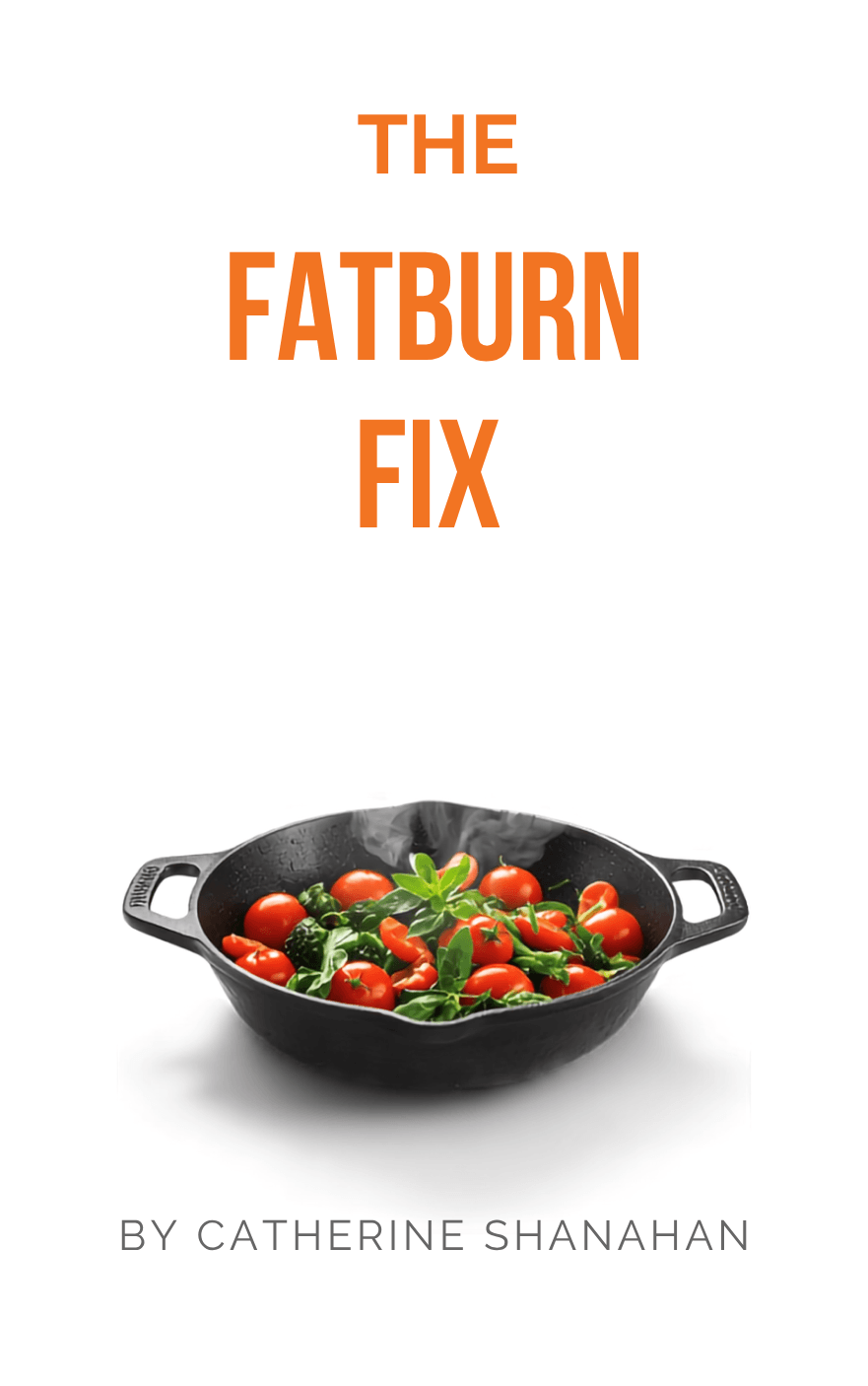
Prefer the print book? Buy on Amazon
As an Amazon Associate, Sumizeit earns from qualifying purchases.
The Fatburn Fix Book Summary
This The Fatburn Fix Book Summary covers the key ideas, lessons, and takeaways in about 20 minutes.
Short Description:
A doctor's case that vegetable oils, not fat itself, wreck your metabolism and drive weight gain.
Helps with these goals
Want a Free Weekly Read?
Get a free summary every week straight to your mailbox.
Preview the The Fatburn Fix book summary
Below is a preview of Sumizeit’s comprehensive human-written summary of The Fatburn Fix by Catherine Shanahan. The full summary is 15-20 minutes long and covers the book’s key ideas in text, audio, visual, and video formats. Unlock the full 20 Minute Summary
Most weight loss advice treats fat as the enemy. Cut it out, eat less of it, replace it with something lighter. Dr. Catherine Shanahan flips that idea on its head in The Fatburn Fix. She argues that the real problem isn't fat itself. It's that your body has lost the ability to burn fat for fuel, and that single breakdown sits underneath a shocking list of modern health problems, from diabetes and heart disease to cancer and neurological decline.
That's a bold claim, so it's worth sitting with for a second. Shanahan isn't saying these diseases are the same thing. She's saying they share a root cause. Somewhere along the way, the machinery that lets your cells burn fat for energy got damaged, and your body compensated by leaning harder on sugar. That compensation isn't free. It triggers a chain reaction that eventually shows up as chronic illness.
She's blunt about where conventional medicine falls short here. Doctors are trained to treat symptoms. High blood sugar gets a prescription. High blood pressure gets another one. Chronic pain gets a third. Nobody's asking why all these problems showed up in the same patient at roughly the same time. Shanahan spent years practicing family medicine and watched this pattern repeat itself, and she started asking a different question. What if the body isn't broken in five separate places? What if it's one system failing, and that failure is just showing up in five different organs?
Her answer, based on her clinical work with patients, is that restoring the body's fat burning ability can reverse a surprising number of these conditions, sometimes completely. That's the premise the rest of the book builds on.
Four systems have to work together for your body to burn fat properly
Shanahan breaks the fat burning process down into four interconnected parts, and she's careful to point out that damage to any single one throws off the whole system.
The first is your mitochondria, the structures inside your cells that actually convert food into usable energy. Think of them as tiny engines. They can run on sugar, protein, or fat, but they run cleanest on fat, particularly the kind of fat that's solid at room temperature and has only one double bond in its chemical structure. Butter, coconut oil, olive oil, avocado, nuts, and fatty fish all fall into that category.
The second is your hormones, especially insulin, which controls whether your body stores incoming calories as fat or releases stored fat to be burned.
The third is your body fat itself. Shanahan pushes back hard against the idea that fat tissue just sits there. She describes it as active tissue that produces hormones and communicates with the rest of your body.
The fourth is a small region at the base of your brain called the hypothalamus, which reads signals from your gut and your fat cells to decide when you're hungry and when you've had enough.
Damage any one of these four systems and the whole…
Want the complete 20-minute summary?
- Full structured summary
- Video Summary
- Podcast Summary
- Audio summary
- Key takeaways
- Exercises
- Quiz
- Highlights and notes
- Ask the book with AI
Who should read The Fatburn Fix?
The Fatburn Fix is for anyone struggling with weight loss despite eating fewer calories, experiencing constant fatigue and cravings, or dealing with chronic health conditions like diabetes, high blood pressure, or metabolic dysfunction. It's particularly valuable for people who've tried conventional diets without lasting results and want to understand the root cause of their weight and health challenges rather than just treating symptoms.
Why does The Fatburn Fix matter?
Dr. Catherine Shanahan challenges the conventional wisdom that fat is the enemy, arguing instead that modern chronic diseases stem from a single broken mechanism: the body's diminished ability to burn fat for fuel. In a world where metabolic dysfunction and obesity affect millions despite decades of low-fat dietary advice, this book offers a science-backed framework that connects seemingly unrelated health problems to one underlying cause and provides a practical path to repair it.
What are the key themes in The Fatburn Fix?
- Mitochondrial damage as the root cause of metabolic dysfunction
- The destructive role of industrial seed oils (vegetable oils) in modern health
- Insulin resistance and its relationship to fat burning capacity
- Body fat as an active, communicative organ rather than passive storage
- The hypothalamus and brain signaling in hunger and satiety
- Two-stage metabolic repair: rehabilitation followed by acceleration
- Fat quality matters more than fat quantity
- Intermittent fasting as a long-term sustainability tool
How can you apply ideas from The Fatburn Fix?
- Read ingredient labels on packaged foods to identify and eliminate soybean, corn, canola, and sunflower oils from your pantry
- Replace cooking and salad oils with stable alternatives like butter, coconut oil, extra-virgin olive oil, and avocado oil
- Shift from frequent snacking to defined meal windows to stabilize blood sugar and allow hunger signals to reset
- Gradually transition toward whole foods rich in stable fats—pastured meats, fatty fish, nuts, avocados—paired with slower-digesting carbohydrates
- Implement intermittent fasting once metabolic foundations are rebuilt, starting with skipping one meal daily or using a time-restricted eating window
- Introduce food variety with bone-in meat cuts, fermented foods, sprouted foods, and diverse herbs and spices to recalibrate satiety signals
- Monitor electrolytes when transitioning to ketosis to avoid side effects and support cellular function during metabolic changes
- Track energy levels, hunger patterns, and appetite changes over several weeks to measure progress beyond the scale
What common mistakes do readers make with The Fatburn Fix?
- Jumping directly into aggressive ketosis or fasting without allowing the body time for Metabolic Rehabilitation first, overwhelming damaged systems
- Assuming all fats are equally harmful and avoiding even stable, beneficial fats like olive oil and avocado
- Focusing only on calorie counts while ignoring insulin levels, which can keep fat stores locked away despite eating fewer calories
- Expecting immediate results and abandoning the plan before giving the body weeks to recover from years of mitochondrial damage
- Trying to sustain strict ketosis or fasting indefinitely rather than balancing with periodic carbohydrates and food variety for long-term adherence
Sumizeit Exercises Apply what you've learned
Turn ideas from The Fatburn Fix into action with a short guided reflection: identify the biggest takeaway, connect it to your life, and commit to one step you can take in the next 24 hours.
What is the expert analysis of The Fatburn Fix?
Overview
The Fatburn Fix is a provocative and comprehensive work by Dr. Catherine Shanahan, a board-certified family physician with a robust background in biochemistry and genetics. Shanahan brings over two decades of clinical experience and a unique perspective shaped by her study of traditional dietary patterns and their impact on health. This book challenges prevailing nutritional paradigms by focusing on the body's intrinsic ability to burn fat as a foundational mechanism underlying a spectrum of modern chronic diseases. Shanahan’s expertise and clinical insights position this book as a significant contribution to the fields of nutrition, metabolic health, and chronic disease prevention.
Core Thesis
At the heart of The Fatburn Fix lies a bold and integrated thesis: many chronic illnesses—including diabetes, heart disease, cancer, and neurological decline—stem from a fundamental metabolic dysfunction, namely the body’s impaired capacity to burn fat for fuel. Shanahan argues that this dysfunction is primarily driven by the widespread consumption of industrial vegetable oils rich in polyunsaturated fatty acids (PUFAs), which damage mitochondrial function, disrupt insulin signaling, inflame adipose tissue, and impair hypothalamic regulation of hunger. The book proposes a holistic repair strategy targeting four interdependent systems—mitochondria, hormones, fat tissue, and the brain’s hypothalamus—to restore fat metabolism and thereby reverse or mitigate these chronic conditions.
Strengths
- Interdisciplinary Integration: Shanahan synthesizes biochemistry, endocrinology, neuroscience, and clinical medicine into a coherent framework that connects diet, cellular metabolism, and systemic health.
- Focus on Fat Quality: The nuanced distinction between stable fats (saturated and monounsaturated) and unstable PUFAs is a critical corrective to decades of oversimplified dietary fat vilification.
- Practical, Phased Approach: The two-stage plan—Metabolic Rehabilitation followed by an Accelerated Ketogenic phase—offers a realistic and adaptable roadmap for readers, emphasizing gradual system repair over quick fixes.
- Emphasis on Root Causes: By reframing chronic diseases as manifestations of a single metabolic failure rather than isolated symptoms, Shanahan encourages a systemic rather than symptomatic approach to health.
- Attention to Brain and Behavior: Highlighting the hypothalamus’ role in hunger regulation and the impact of diet on brain inflammation adds depth often missing in diet books focused solely on calories or macronutrients.
Critiques & Counterarguments
- Evidence Scope and Causality: While Shanahan marshals compelling mechanistic evidence linking PUFAs to mitochondrial damage, much of the epidemiological and clinical evidence remains correlational rather than causative. The complexity of chronic diseases suggests multiple contributing factors beyond fat metabolism alone.
- Oversimplification of Fat Metabolism: The assertion that mitochondrial dysfunction and PUFA intake are primary drivers of insulin resistance and chronic disease may understate the roles of genetics, microbiome diversity, lifestyle factors, and other dietary components such as refined carbohydrates and processed sugars.
- Contested Views on PUFAs: Mainstream nutritional science often emphasizes the cardiovascular benefits of certain PUFAs, particularly omega-3 fatty acids, which Shanahan’s framework risks conflating with harmful omega-6 seed oils. This distinction is critical and sometimes blurred.
- Ketogenic Diet Limitations: The ketogenic approach, while effective for some, is not universally sustainable or advisable, especially for individuals with specific metabolic conditions, athletes requiring high carbohydrate availability, or those prone to disordered eating. The book acknowledges this but may understate the practical challenges.
- Intermittent Fasting Nuances: The benefits of intermittent fasting are still under active investigation, with some research suggesting that caloric restriction rather than meal timing drives observed improvements. Additionally, fasting protocols may not be suitable for all populations, including those with a history of eating disorders.
Who Should Read This
The Fatburn Fix is ideally suited for readers who are intellectually curious about the biochemical underpinnings of metabolism and chronic disease, and who seek a scientifically grounded yet practical approach to weight management and health restoration. It will resonate with healthcare professionals, nutritionists, and informed laypersons frustrated by conventional diet advice that focuses narrowly on calories or macronutrient ratios without addressing underlying metabolic dysfunction. However, readers should approach the book with a critical mindset, prepared to integrate its insights with broader nutritional science and personalized health considerations.
Frequently asked questions about the The Fatburn Fix book summary
What is The Fatburn Fix about?
The Fatburn Fix by Dr. Catherine Shanahan argues that modern chronic diseases and weight loss resistance stem from one underlying problem: the body's inability to burn fat for fuel due to mitochondrial damage caused primarily by industrial vegetable oils. The book provides a two-stage plan to repair this metabolic machinery, starting with gradual dietary changes and progressing to ketosis and intermittent fasting for sustainable, long-term results.
Who should read The Fatburn Fix?
The Fatburn Fix is ideal for anyone struggling with weight loss despite calorie restriction, experiencing constant fatigue and food cravings, or managing chronic conditions like diabetes, high blood pressure, or metabolic dysfunction. It's also valuable for people frustrated with conventional medical approaches that treat symptoms separately rather than addressing root causes, and those wanting a science-backed framework that explains why their body seems to work against them.
What are the main takeaways from The Fatburn Fix?
The book's core message is that industrial seed oils damage mitochondria, disrupt insulin signaling, inflame fat tissue, and confuse hunger signals—all downstream effects of a single metabolic failure. The main takeaways include eliminating vegetable oils, eating stable traditional fats, gradually transitioning to lower carbohydrate intake, and using intermittent fasting long-term. Rather than separate problems requiring separate solutions, these interconnected issues resolve when you restore your body's fat-burning capacity.
Why does Dr. Shanahan blame vegetable oils specifically?
Vegetable oils are high in polyunsaturated fats (PUFAs) with unstable chemical structures prone to oxidation. When mitochondria attempt to burn these oils for energy, the process generates free radicals that damage the mitochondria's internal machinery, reducing energy production and forcing cells to rely on glucose instead. This single shift triggers insulin resistance, inflames fat tissue and the hunger center in the brain, and creates the metabolic dysfunction underlying both weight gain and chronic disease.
What's the difference between the Metabolic Rehabilitation stage and the Accelerated Plan?
Metabolic Rehabilitation is the initial phase focused on gradual dietary improvements—replacing processed foods and vegetable oils with whole foods and stable fats—to allow damaged systems time to recover. The Accelerated Plan follows once foundations are rebuilt, using significant carbohydrate restriction and ketosis to force the body into fat-burning mode and accelerate mitochondrial repair. The sequencing matters because attempting aggressive changes too early can overwhelm already-damaged metabolic systems.
Which fats should you eat according to The Fatburn Fix?
Dr. Shanahan recommends stable fats that resist oxidation and burn cleanly: butter, coconut oil, extra-virgin olive oil, avocados, nuts, pastured meat, and fatty fish. These fats are predominantly saturated or monounsaturated and produce more usable cellular energy than unstable polyunsaturated vegetable oils. She emphasizes avoiding soybean, corn, canola, sunflower, and other industrial seed oils that appear in processed foods and restaurant cooking.
How does intermittent fasting fit into The Fatburn Fix plan?
Intermittent fasting comes after initial metabolic repair is complete and serves as a long-term sustainability tool. By cycling between eating and fasting windows, your body regularly accesses stored fat for energy when no food is available. Beyond weight loss, Shanahan credits fasting with steadier blood sugar, reduced inflammation, and sharpened mental focus. It also helps recalibrate hunger signals by giving the hypothalamus consistent periods to reset.
Is The Fatburn Fix plan suitable for everyone?
While the plan works effectively for many people, it isn't universally appropriate. Athletes doing explosive, high-intensity training may perform better with more carbohydrates; some people find very low carbohydrate approaches socially isolating or unsustainable long-term; and anyone with a history of disordered eating should approach fasting carefully. The plan's flexibility to incorporate periodic carbohydrates helps with sustainability, but individual responses vary and working with a healthcare provider is advisable.
About Sumizeit
Sumizeit is a profitable Scomy LLC company based in Miami, Florida. Our founders, Clemens Raemy and Weina Scott, are successful entrepreneurs with several exits. Sumizeit is a popular book summary app / micro learning app used by busy professionals and entrepreneurs with over 2,500 non-fiction book summaries and 10,000 podcast summaries in text, audio, visual, podcast, and video format. We also have stellar retention tools to make ideas stick - such as flashcards with spaced repetition, quizzes, streaks, highlighting and notes, daily challenges, riddles, mini-courses, meditation, and more. You won't only learn the idea, but also remember it. Over 90% of our users change their habits with Sumizeit.
Upgrade Now
Here's why readers love Sumizeit
Join thousands of learners getting smarter every day
"Great experience. Detailed summaries. Loved the gamification feature. Makes learning fun. Good customer service. I recommend Sumizeit to anyone. You'll learn a lot."
"I always felt busy but still wanting to keep up with the book discussion in my friend group. This was a great supplement to help me keep reading the books I find fun while keeping up with important books."
"I love this website. Instead of scrolling social media, I find myself learning a lot. I use it everyday. I recommend this app for anyone who is too busy and wants to get up to speed with their favorite books."
The Fatburn Fix Book Summary PDF
Looking for a The Fatburn Fix Book Summary PDF you can save and revisit offline? Our The Fatburn Fix Book Summary PDF captures the book’s core ideas in a clean, printable format — the key frameworks, takeaways, and structure without the fluff. Download the The Fatburn Fix Book Summary PDF when you want a reference you can annotate, share with your team, or review on the go. Get your The Fatburn Fix Book Summary PDF from the download page below.
Download The Fatburn Fix Book Summary PDFPeople also liked these summaries
Readers who explored The Fatburn Fix often enjoyed these titles next.



Ready to read the whole thing?
- Full structured summary
- Video Summary
- Podcast Summary
- Audio summary
- Key takeaways
- Exercises
- Quiz
- Highlights and notes
- Ask the book with AI
Featured Book Titles
Popular Book Summaries at sumizeit, leading book summary app