
Question 1 of 10


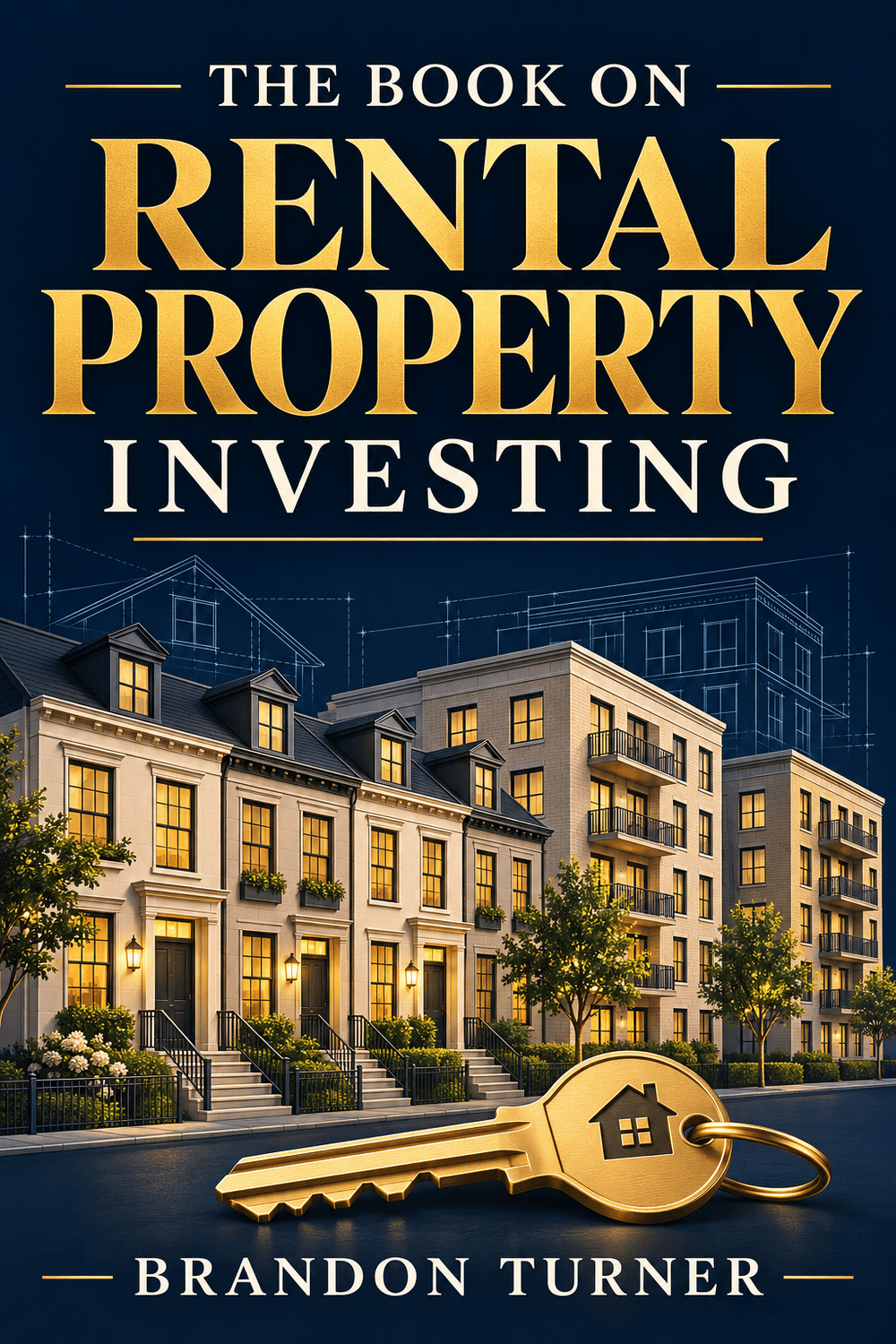
Prefer the print book? Buy on Amazon
As an Amazon Associate, Sumizeit earns from qualifying purchases.
Book Summary
The Book on Rental Property Investing Book Summary
This The Book on Rental Property Investing Book Summary covers the key ideas, lessons, and takeaways in about 20 minutes.
Short Description:
Turner’s guide to finding, buying, financing, and managing rental properties
Rental investing rewards people who treat it like a real business and not a get rich quick scheme. Turner's message is to buy properties that pay you from the start, borrow carefully so the numbers still work, surround yourself with trustworthy professionals, check every deal thoroughly before closing, and screen tenants hard once you own. If you stay patient, keep your emotions out of your offers, and are willing to walk away from a bad deal, you give yourself the best chance of building steady income and lasting wealth.
Helps with these goals
Preview the The Book on Rental Property Investing book summary
Below is a preview of Sumizeit’s comprehensive human-written summary of The Book on Rental Property Investing by Brandon Turner. The full summary is 15-20 minutes long and covers the book’s key ideas in text, audio, visual, and video formats. Unlock the full 20 Minute Summary
Most people buy rental properties to earn money, and Turner says there are four ways that happens. The first is cash flow, which is whatever rent is left after you pay your expenses. He calls it the most important of the four. It pays you right away and it funds your next purchase. So he tells you to buy properties that produce cash flow from the start.
The second is tax benefits. Governments like landlords because landlords house people who can't buy their own homes, so owners often get tax breaks in return.
The third is appreciation, meaning the property gains value over time. Turner splits it into two kinds. Natural appreciation comes from forces you can't control, like inflation, supply, demand, and scarcity. Forced appreciation comes from you. A new garage door, better hardware, or some tidy hedges can all push the value up.
The fourth is loan paydown. Your tenants' rent covers your mortgage payments, so you slowly move toward owning the place outright. Lenders use something called amortization. Early on, most of each payment goes to interest. As the years pass, more of it goes to the principal, which is the original amount you borrowed.
Getting started and the early traps
Most new investors use leverage, which just means borrowing money, usually through a mortgage. It lets you put down far less of your own cash. A $200,000 home might need only $40,000 up front. The catch is risk. The bigger the loan, the more you owe, and the more interest piles up. Turner's rule is simple. A property's cash flow has to cover both the loan payments and the expenses.
He also warns about a few things that catch beginners off guard. You won't get rich overnight. Success comes from steady effort over many years. It's also easy to get swallowed by daily maintenance, so decide early how involved you want to be, and think about hiring a property manager. And expect a mountain of paperwork. You'll handle tax and insurance forms, tenant applications and background checks, rent and contractor records, and fees for services like trash, water, and sewage.
Building your real estate team
Turner believes the people around you give your business consistency, honesty, and a professional edge. Start close to home. Your spouse can offer morale and emotional support, and in his own case became a real business partner. He also wants you to find a mentor, ideally a successful investor who can guide you.
Next come the people who keep the property running. Many investors hire a property manager or a management company to collect rent and deal with contractors, in exchange for a share of the profit. Turner cautions that managers have less at stake than you do, and they feel less pain when they spend your money. So ask whether you really need one, and how closely you'll watch their work.
You'll probably need a contractor too, like an electrician or a carpenter, unless you can fix everything yourself.
Want the complete 20-minute summary?
- Full structured summary
- Video Summary
- Podcast Summary
- Audio summary
- Key takeaways
- Exercises
- Quiz
- Highlights and notes
- Ask the book with AI
Who should read The Book on Rental Property Investing?
This book is for anyone considering rental property investment as a wealth-building strategy, especially those new to real estate. Whether you're a first-time buyer looking to generate passive income or someone seeking to understand the mechanics of property investing, Brandon Turner's practical guide demystifies the entire process from purchase through tenant management.
Why does The Book on Rental Property Investing matter?
Rental property investing has become an increasingly popular path to financial independence, yet most beginners lack a roadmap for success. The Book on Rental Property Investing cuts through misconceptions and provides a structured approach to building wealth through real estate in today's competitive market. Turner's emphasis on cash flow, professional teams, and thorough due diligence helps investors avoid costly mistakes that derail most new ventures.
What are the key themes in The Book on Rental Property Investing?
- Cash flow as the foundation of rental success
- The power of leverage and responsible borrowing
- Building a professional team around your business
- Market selection and property type evaluation
- Tenant screening and property management fundamentals
- Understanding tax benefits and appreciation mechanisms
How can you apply ideas from The Book on Rental Property Investing?
- Create a personal property inspection checklist and attend all inspections to spot maintenance red flags before closing
- Build a contact database of contractors, property managers, and service providers before you buy your first property
- Run background checks, employment verification, and previous landlord calls for every tenant applicant without exception
- Document property condition with detailed photos and written reports at move-in and move-out with tenants present
- Set annual maintenance schedules for systems like HVAC, plumbing, and drainage to prevent emergencies and preserve property value
- Calculate your 'thinking like a lender' checklist: credit score, cash reserves documentation, insurance proof, and property condition assessment
- Monitor property manager performance quarterly through expense audits, rent collection rates, and tenant satisfaction measures
What common mistakes do readers make with The Book on Rental Property Investing?
- Buying properties based on future appreciation without ensuring positive cash flow from day one
- Overleveraging by borrowing too much relative to rental income, leaving no buffer for vacancies or repairs
- Skipping or rushing tenant screening, leading to problem tenants who destroy property and create constant headaches
- Underestimating the time and complexity of landlording, then burning out or making poor decisions due to lack of systems
Sumizeit Exercises Apply what you've learned
Turn ideas from The Book on Rental Property Investing into action with a short guided reflection: identify the biggest takeaway, connect it to your life, and commit to one step you can take in the next 24 hours.
What is the expert analysis of The Book on Rental Property Investing?
Overview
The Book on Rental Property Investing is authored by Brandon Turner, a seasoned real estate investor and former host of the popular Bigger Pockets podcast. Turner brings firsthand experience managing hundreds of income-producing properties, positioning him as a credible voice in the realm of real estate investment. This book stands out as a comprehensive, practical guide tailored for new and aspiring rental property investors, emphasizing disciplined, businesslike approaches over speculative or get-rich-quick mentalities.
Core Thesis
Turner’s central argument is that successful rental property investing hinges on treating real estate as a sustainable business rather than a gamble. He identifies four primary income streams—cash flow, tax benefits, appreciation (both natural and forced), and loan paydown—and underscores the primacy of immediate, positive cash flow as the foundation for growth. The book advocates for thorough due diligence, prudent borrowing, strategic property selection, and assembling a reliable professional team to mitigate risk and build long-term wealth steadily.
Strengths
- Practical, Step-by-Step Guidance: Turner meticulously breaks down the entire investment process—from locating properties and negotiating offers to tenant screening and property management—making complex concepts accessible to novices.
- Balanced Risk Awareness: The book eschews hype, emphasizing patience, careful financial analysis, and the importance of walking away from deals that do not meet strict criteria, which cultivates a realistic investor mindset.
- Holistic Approach: Beyond financial metrics, Turner highlights the value of building a trustworthy team including mentors, agents, contractors, and legal and financial professionals, recognizing the multifaceted nature of real estate investing.
- Attention to Tenant Relations and Legalities: The detailed advice on tenant screening, lease structuring, and maintenance responsibilities reflects a deep understanding of property management challenges often overlooked in investment literature.
- Emphasis on Forced Appreciation: By distinguishing between natural and forced appreciation, Turner empowers investors to actively enhance property value rather than relying solely on market forces.
Critiques & Counterarguments
- Oversimplification of Market Dynamics: While the book provides a solid foundation, it tends to understate the complexity and volatility of real estate markets, particularly in high-demand urban areas where cash flow positive deals are rare.
- Limited Discussion of Macroeconomic Risks: The analysis does not deeply engage with broader economic cycles, interest rate fluctuations, or regulatory changes that can dramatically impact rental property profitability.
- Potential Underestimation of Tenant Risk: Although tenant screening is covered, the book may not fully address the unpredictability and legal challenges landlords face in eviction processes, especially in jurisdictions with strong tenant protections.
- Competing Investment Philosophies: Alternative schools of thought, such as the buy-and-flip strategy or real estate investment trusts (REITs), offer different risk-return profiles and liquidity advantages that Turner’s buy-and-hold rental approach does not explore.
- Evidence Base and Regional Variability: The book’s recommendations are heavily based on Turner’s personal experience and U.S. market conditions, which may not generalize globally or to all local markets where property laws and economic conditions differ substantially.
Who Should Read This
This book is ideal for aspiring and early-stage real estate investors seeking a comprehensive, pragmatic roadmap to rental property investing. It suits readers who value disciplined, long-term wealth-building strategies over speculative ventures. Additionally, those interested in understanding the operational and legal intricacies of managing rental properties will find Turner’s insights particularly valuable. However, seasoned investors or those focused on alternative real estate investment models may find the material somewhat foundational.
Discussion questions for The Book on Rental Property Investing Short questions you can actually use in a conversation
Frequently asked questions about the The Book on Rental Property Investing book summary
What is The Book on Rental Property Investing about?
The Book on Rental Property Investing by Brandon Turner is a comprehensive guide that walks readers through every stage of rental property investing, from selecting the right location and property type to financing, buying, and managing tenants. The book emphasizes cash flow as the foundation of wealth-building and provides practical frameworks for evaluating deals, assembling a professional team, and running rentals as a real business.
Who should read The Book on Rental Property Investing?
This book is ideal for anyone considering rental property as a wealth-building strategy, particularly first-time investors who need a complete roadmap. It's also valuable for existing property owners seeking to optimize their approach or understand the business mechanics more deeply. Readers who want to separate rental investing myths from reality will especially benefit from Turner's practical, data-driven approach.
What are the main takeaways from The Book on Rental Property Investing?
The core message is that rental investing rewards those who treat it like a real business: buy properties with positive cash flow, borrow responsibly so numbers always work, build a team of trustworthy professionals, perform thorough due diligence before closing, and screen tenants rigorously. Success comes from patience, emotional discipline, and the willingness to walk away from deals that don't fit your criteria.
How do rental properties generate income according to Brandon Turner?
Turner identifies four income sources: cash flow (rent minus expenses), tax benefits (government incentives for housing), appreciation (property value growth from improvements or market forces), and loan paydown (tenant rent paying down your mortgage). Cash flow is emphasized as the most critical because it provides immediate returns and funds your next purchase.
What financing options does The Book on Rental Property Investing cover?
The book explains three main lender types: conventional lenders (banks and credit unions offering low rates but strict requirements), portfolio lenders (lenders keeping loans in-house for more flexibility), and private lenders (offering fewer restrictions for renovation projects at higher interest rates). Turner advises thinking like a lender to improve approval odds through good credit, cash reserves, and property condition.
What team members does Brandon Turner recommend assembling?
Turner recommends building a professional team including a property manager (if needed), contractor, real estate agent, certified public accountant, bookkeeper, insurance specialist, and real estate lawyer. He also emphasizes the value of a mentor and supportive spouse. Each professional plays a specific role in ensuring the business runs efficiently and protects your investment.
How does The Book on Rental Property Investing address tenant screening?
Turner emphasizes that tenant screening is critical to success, requiring background checks (criminal records, bankruptcy, evictions), employment verification, and calls to previous landlords. He stresses knowing discrimination laws, documenting rejections in writing, and accepting applicants in order. Collecting a holding deposit protects you if tenants back out after selection.
What should investors know about neighborhood selection in rental investing?
The book explains that neighborhood class (rated A, B, C, or D based on economics, property conditions, and infrastructure) significantly affects tenant quality and cash flow. A and B neighborhoods attract reliable tenants but command high prices, limiting cash flow; C and D areas offer appreciation potential but attract less stable renters. Turner recommends asking yourself if you'd want to live there—your future tenant likely feels the same way.
About Sumizeit
Sumizeit is a profitable Scomy LLC company based in Miami, Florida. Our founders, Clemens Raemy and Weina Scott, are successful entrepreneurs with several exits. Sumizeit is a popular book summary app / micro learning app used by busy professionals and entrepreneurs with over 2,500 non-fiction book summaries and 10,000 podcast summaries in text, audio, visual, podcast, and video format. We also have stellar retention tools to make ideas stick - such as flashcards with spaced repetition, quizzes, streaks, highlighting and notes, daily challenges, riddles, mini-courses, meditation, and more. You won't only learn the idea, but also remember it. Over 90% of our users change their habits with Sumizeit.
Upgrade Now
Here's why readers love Sumizeit
Join thousands of learners getting smarter every day
"Great experience. Detailed summaries. Loved the gamification feature. Makes learning fun. Good customer service. I recommend Sumizeit to anyone. You'll learn a lot."
"I always felt busy but still wanting to keep up with the book discussion in my friend group. This was a great supplement to help me keep reading the books I find fun while keeping up with important books."
"I love this website. Instead of scrolling social media, I find myself learning a lot. I use it everyday. I recommend this app for anyone who is too busy and wants to get up to speed with their favorite books."
The Book on Rental Property Investing Book Summary PDF
Looking for a The Book on Rental Property Investing Book Summary PDF you can save and revisit offline? Our The Book on Rental Property Investing Book Summary PDF captures the book’s core ideas in a clean, printable format — the key frameworks, takeaways, and structure without the fluff. Download the The Book on Rental Property Investing Book Summary PDF when you want a reference you can annotate, share with your team, or review on the go. Get your The Book on Rental Property Investing Book Summary PDF from the download page below.
Download The Book on Rental Property Investing Book Summary PDFPeople also liked these summaries
Readers who explored The Book on Rental Property Investing often enjoyed these titles next.


Ready to read the whole thing?
- Full structured summary
- Video Summary
- Podcast Summary
- Audio summary
- Key takeaways
- Exercises
- Quiz
- Highlights and notes
- Ask the book with AI
Featured Book Titles
Popular Book Summaries at sumizeit, leading book summary app
Atomic Habits Book Summary Rich Dad Poor Dad Book Summary The Four Agreements Book Summary The 48 Laws of Power Book Summary When Breath Becomes Air Book Summary Think and Grow Rich Book Summary