


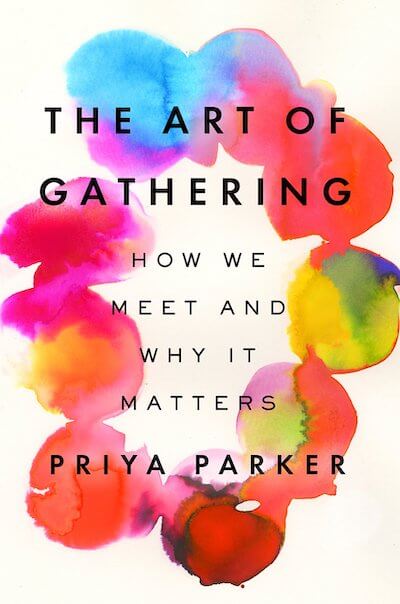
Prefer the print book? Buy on Amazon
As an Amazon Associate, Sumizeit earns from qualifying purchases.
The Art of Gathering Book Summary
This The Art of Gathering Book Summary covers the key ideas, lessons, and takeaways in about 20 minutes.
Short Description:
The Art of Gathering shows how intentional design creates meaningful, impactful meet.
Preview the The Art of Gathering book summary
Below is a preview of Sumizeit’s comprehensive human-written summary of The Art of Gathering by Priya Parker. The full summary is 15-20 minutes long and covers the book’s key ideas in text, audio, visual, and video formats. Unlock the full 20 Minute Summary
Every day we find ourselves gathering in some way, whether at work, to grab a drink with friends, or even as part of something like a book club. But do you know what it means to gather? Do you know what it takes to make a gathering exciting or even potentially meaningful?
While there are many things that may go into making a gathering happen, do you truly understand why gatherings are so important? In The Art of Gathering: How We Meet and Why It Matters, Priya Parker goes into detail about the importance of connecting with other people and ways to design a gathering that allows for better connections.
How The Art of Gathering will help improve your next gathering
Not only do you learn more about why it is okay to remove people from your invite list, but also ways to improve the overall experience.
You will learn why it’s better to not let a guest serve themselves at a gathering and even how to end the night in the best way possible.
This is a chance to really go deep into why gatherings matter and how they are an important part of the overall human experience. And by better understanding how gatherings work, you can also learn how to make them better than ever.
Gatherings are important to the human experience, even if we don’t give them enough thought
From childhood, we gather together, whether as a family, with friends, at school, or even at our place of work. From the very beginning, gatherings are more than just a way of life, they are actually a huge part of our lives.
However, there are many gatherings that end up being underwhelming. Some are even rather uninspiring.
Even as there are differences between personal gatherings and professional ones, the one thing that remains the same is how often they remain lackluster and disappointing.
What often ruins a gathering is having an organizer who doesn’t put a lot of thought into the way guests will engage with each other. And even when an organizer or host does look for help with putting together a gathering, they often are only looking at the overall mechanics of making it work and putting it together, rather than how it can bring people together in a thought-provoking way that is also interesting or even meaningful.
The first step to a great gathering is having a clear purpose
This might seem like an obvious step, but if you really look at many of the gatherings you attend, you might notice that they all seem to follow a very ritualized formula. And typically this formula does not leave room for the gathering to have a clear purpose.
When planning a gathering, it is best to think about why over what. Basically, the first thing you want to do is determine why you are having this gathering.
Once you know exactly why you are holding a gathering (what the purpose of the gathering really is), then…
Want the complete 20-minute summary?
- Full structured summary
- Video Summary
- Podcast Summary
- Audio summary
- Key takeaways
- Exercises
- Quiz
- Highlights and notes
- Ask the book with AI
Who should read The Art of Gathering?
The Art of Gathering is for anyone who hosts meetings, events, or social occasions—from corporate team leads to dinner party enthusiasts. If you've ever felt that your gatherings lack energy or purpose, or if you want to create more meaningful connections when people come together, this book offers practical wisdom. It's essential reading for professionals, community organizers, and anyone who believes that how we gather shapes who we become.
Why does The Art of Gathering matter?
In an increasingly digital world, face-to-face gatherings have become more important—and more neglected—than ever. Most gatherings follow tired, uninspired formulas that leave participants feeling disconnected despite being physically present. Priya Parker's work reveals that purposeful gathering is a learnable skill that can transform relationships, workplace culture, and community bonds. By rethinking how we come together, we reclaim a fundamental human need and create space for authentic connection.
What are the key themes in The Art of Gathering?
- Purpose-driven design
- Intentional guest selection
- Authoritative but generous hosting
- Rules as enablers of freedom
- Authenticity and vulnerability
- Honoring guests from arrival
- Memorable beginnings and endings
- Location as a design element
How can you apply ideas from The Art of Gathering?
- Define a clear one-sentence purpose for your next gathering before making any other decisions
- Create a guest list by identifying who shares the gathering's purpose, not just who you like
- Design at least one rule or constraint that shapes how guests interact (no phones during dinner, name-tag conversation starter, etc.)
- Practice a host-led introduction method that encourages guests to share something personal or unexpected about themselves
- Choose your venue intentionally for how it reinforces your gathering's purpose
- Prepare a memorable closing moment—a toast, a shared activity, or a clear 'thank you and goodbye' ritual
- Test an experiment: limit self-serve options and intentionally arrange one seating configuration to observe how it changes guest interaction
What common mistakes do readers make with The Art of Gathering?
- Assuming more guests automatically create a better gathering—larger groups often dilute connection and purpose
- Hosting passively, thinking your job is just logistics and your guests will self-organize—strong hosting improves the experience for everyone
- Skipping the purpose-definition step because the gathering 'just feels natural'—even casual gatherings benefit from intentional design
- Ending a gathering abruptly or letting it peter out—the final moments shape how the entire event is remembered
Sumizeit Exercises Apply what you've learned
Turn ideas from The Art of Gathering into action with a short guided reflection: identify the biggest takeaway, connect it to your life, and commit to one step you can take in the next 24 hours.
What is the expert analysis of The Art of Gathering?
Overview
The Art of Gathering: How We Meet and Why It Matters is authored by Priya Parker, a distinguished facilitator and organizational consultant whose expertise spans conflict resolution, leadership, and social dynamics. Parker’s interdisciplinary background, including studies at MIT and Harvard Kennedy School, informs her nuanced understanding of human interaction within group settings. This book stands out as a compelling exploration of the often overlooked yet fundamental human practice of gathering, offering both philosophical insight and practical guidance. Recognized as one of Amazon’s Best Business Books, it bridges domains of social psychology, organizational behavior, and cultural critique to elevate the art of convening beyond mere logistics.
Core Thesis
Parker’s central argument is that gatherings—whether social, professional, or ceremonial—are pivotal moments that shape human connection and collective meaning. However, most gatherings fail to realize their potential because they lack intentionality and purpose. By consciously designing gatherings with a clear “why,” thoughtfully curating attendees, setting purposeful rules, and embracing the host’s authoritative role, gatherings can transcend routine and become transformative experiences that foster authenticity, engagement, and lasting memories.
Strengths
- Purpose-Driven Framework: The insistence on defining a clear purpose before planning is a powerful corrective to the common, aimless event planning that often leads to disengagement.
- Host Authority Reimagined: Parker challenges contemporary cultural norms that valorize laid-back hosting, advocating instead for a confident, selfless leadership style that actively shapes the gathering’s dynamics.
- Practical and Psychological Insights: The book blends actionable advice—such as guest list curation and rule-setting—with deeper psychological insights about vulnerability, authenticity, and belonging.
- Emphasis on Emotional and Social Dynamics: By encouraging hosts to create environments where guests can reveal their authentic selves and share meaningful stories, Parker taps into a rich vein of social psychology often neglected in event planning literature.
- Accessible and Engaging Prose: Parker’s writing is clear and persuasive, making complex social dynamics approachable for a broad audience without sacrificing intellectual rigor.
Critiques & Counterarguments
- Overgeneralization of Host Authority: While Parker advocates for authoritative hosting, some cultural contexts and social groups may find such an approach intrusive or stifling. Research in cross-cultural psychology suggests that norms around leadership and authority vary widely, and a one-size-fits-all prescription risks alienating diverse audiences.
- Limited Engagement with Digital Gatherings: The book’s focus is predominantly on physical gatherings, with scant attention to virtual or hybrid formats that have become increasingly prevalent. Given the rise of digital communication, a deeper exploration of how Parker’s principles translate online would strengthen the argument.
- Potential Elitism in Guest Curation: The recommendation to exclude certain guests to preserve the quality of interaction, while pragmatic, may inadvertently reinforce exclusivity or social gatekeeping. Sociological critiques emphasize the value of diverse and even conflicting perspectives in enriching group dynamics.
- Insufficient Empirical Evidence: Although Parker draws on her extensive professional experience, the book relies more on anecdotal and observational insights than on systematic empirical research. This may limit its persuasive power among academic audiences seeking data-driven validation.
- Competing Views on Social Rituals: Some anthropologists and philosophers argue that ritualized, formulaic gatherings serve important social functions—such as stability and identity reinforcement—that Parker’s push for novelty and disruption might undermine.
Who Should Read This
The Art of Gathering is essential reading for professionals involved in event planning, organizational leadership, community building, and anyone interested in the psychology of social connection. It offers valuable insights for hosts seeking to deepen the impact of their gatherings, as well as for individuals curious about the subtle dynamics that make meetings meaningful. Moreover, scholars and practitioners in social psychology, cultural studies, and leadership development will find Parker’s synthesis of theory and practice a stimulating resource. Ultimately, this book appeals to a sophisticated audience eager to rethink and elevate the everyday act of coming together.
Frequently asked questions about the The Art of Gathering book summary
What is The Art of Gathering about?
The Art of Gathering by Priya Parker is a guide to designing purposeful, meaningful in-person meetings and social events. Rather than following automatic gathering formulas, Parker teaches readers how to intentionally craft experiences around a clear purpose, thoughtfully select guests, honor participants, and create space for authentic human connection. The book bridges the gap between logistics and meaningful design.
Who should read The Art of Gathering?
Anyone who regularly hosts gatherings—from corporate meeting organizers and event planners to people who host dinner parties and family celebrations. The book is equally valuable for leaders who want to improve workplace culture, community organizers, and individuals who want their social occasions to feel more connected and purposeful rather than obligatory.
What are the main takeaways from The Art of Gathering?
Key takeaways include: start with a clear purpose before any logistics; intentionally choose guests based on that purpose (including deciding who to exclude); be an authoritative but generous host; use rules to focus interaction; honor guests from arrival; create space for authenticity and vulnerability; and design a memorable ending. Parker emphasizes that thoughtful design transforms ordinary gatherings into meaningful human experiences.
Why do gatherings often feel disappointing or uninspired?
Most gatherings follow automatic formulas and rituals without a clear purpose. Hosts focus on logistics—food, seating, timing—rather than designing how guests will actually connect. Additionally, hosts may be too laid-back, failing to provide the direction and structure that helps guests feel safe being authentic together.
How can I make my gathering feel more authentic and connected?
Invite guests to share personal stories, design introductions that go beyond small talk, and lead by example through your own vulnerability. Create rules or constraints that encourage in-person interaction over digital distraction. Most importantly, prepare thoughtfully so guests feel honored and can relax into genuine connection.
Is it okay to exclude people from a gathering?
Yes. Thoughtful exclusion based on your gathering's purpose actually creates better dynamics than trying to invite everyone. A smaller, intentionally chosen group with shared connection to your purpose typically generates richer interaction and authenticity than a large, indiscriminate guest list.
What role does location play in a successful gathering?
Location is a design choice, not just a background. Where you gather reinforces your gathering's purpose and shapes the experience. Creative or symbolic venues strengthen connection and signal to guests that you've thought carefully about every element.
How should I end a gathering to leave a lasting positive impression?
Design a deliberate closing moment rather than letting people drift away vaguely. This might be a toast, a shared activity, or a clear thank-you ritual. The ending becomes the memory guests carry away, so crafting it thoughtfully ensures the entire gathering is remembered positively.
About Sumizeit
Sumizeit is a profitable Scomy LLC company based in Miami, Florida. Our founders, Clemens Raemy and Weina Scott, are successful entrepreneurs with several exits. Sumizeit is a popular book summary app / micro learning app used by busy professionals and entrepreneurs with over 2,500 non-fiction book summaries and 10,000 podcast summaries in text, audio, visual, podcast, and video format. We also have stellar retention tools to make ideas stick - such as flashcards with spaced repetition, quizzes, streaks, highlighting and notes, daily challenges, riddles, mini-courses, meditation, and more. You won't only learn the idea, but also remember it. Over 90% of our users change their habits with Sumizeit.
Upgrade Now
Here's why readers love Sumizeit
Join thousands of learners getting smarter every day
"Great experience. Detailed summaries. Loved the gamification feature. Makes learning fun. Good customer service. I recommend Sumizeit to anyone. You'll learn a lot."
"I always felt busy but still wanting to keep up with the book discussion in my friend group. This was a great supplement to help me keep reading the books I find fun while keeping up with important books."
"I love this website. Instead of scrolling social media, I find myself learning a lot. I use it everyday. I recommend this app for anyone who is too busy and wants to get up to speed with their favorite books."
The Art of Gathering Book Summary PDF
Looking for a The Art of Gathering Book Summary PDF you can save and revisit offline? Our The Art of Gathering Book Summary PDF captures the book’s core ideas in a clean, printable format — the key frameworks, takeaways, and structure without the fluff. Download the The Art of Gathering Book Summary PDF when you want a reference you can annotate, share with your team, or review on the go. Get your The Art of Gathering Book Summary PDF from the download page below.
Download The Art of Gathering Book Summary PDFPeople also liked these summaries
Readers who explored The Art of Gathering often enjoyed these titles next.



Ready to read the whole thing?
- Full structured summary
- Video Summary
- Podcast Summary
- Audio summary
- Key takeaways
- Exercises
- Quiz
- Highlights and notes
- Ask the book with AI
Featured Book Titles
Popular Book Summaries at sumizeit, leading book summary app