


Prefer the print book? Buy on Amazon
As an Amazon Associate, Sumizeit earns from qualifying purchases.
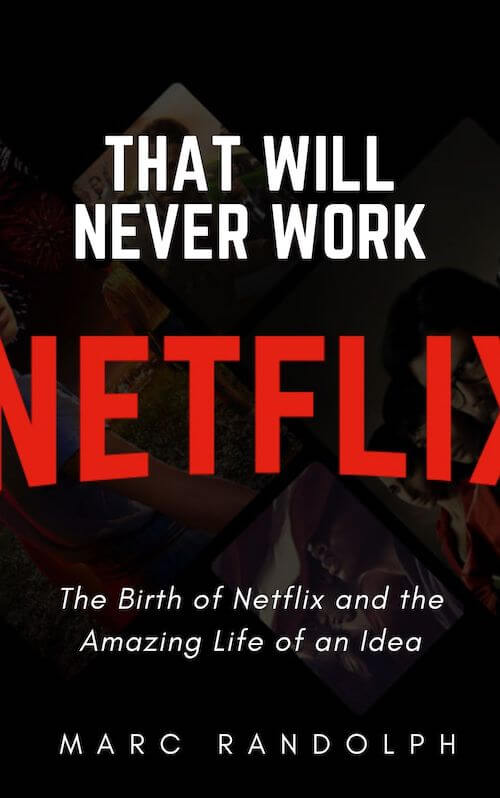
That Will Never Work Book Summary
This That Will Never Work Book Summary covers the key ideas, lessons, and takeaways in about 20 minutes.
Winning ideas come from innovation, experimentation, and team support.
Work on your idea with people who you trust and be open to their suggestions. They will help filter the good ideas from the bad. Once you have positioned your company, find ways to innovate and stand out from the competition by doing something they aren’t. Finally, surround yourself with a good team and build your customer base. Once you have these things in place, you can continue to try out new ideas and grow the company in different directions with success.
Helps with these goals
Want the complete 20-minute summary?
- Full structured summary
- Video Summary
- Podcast Summary
- Audio summary
- Key takeaways
- Exercises
- Quiz
- Highlights and notes
- Ask the book with AI
Want a Free Weekly Read?
Get a free summary every week straight to your mailbox.
Preview the That Will Never Work book summary
Below is a preview of Sumizeit’s comprehensive human-written summary of That Will Never Work by Marc Randolph. The full summary is 15-20 minutes long and covers the book’s key ideas in text, audio, visual, and video formats. Unlock the full 20 Minute Summary
In the last years of the 1990s, Marc Randolph and Reed Hastings came up with an alternative to the traditional video rental store. After throwing ideas around for an endless number of start-ups, they hit on one that would completely alter the concept of home entertainment.
That Will Never Work is the story of how Netflix started and the lessons that can be learned from them. Netflix was able to create true innovation and continue to innovate, but it wasn’t always easy.
To get to a groundbreaking idea, you have to rigorously scrutinize ideas. Taking out the ones that have less potential allows you to focus on the one that can pay off. But an idea needs a good team and work culture for it to thrive. Use the Netflix model to apply to your own ideas.
What you’ll learn
Who this is for
Analyze your ideas thoroughly to allow you to identify the best one.
Coming up with that million-dollar idea usually doesn’t just happen overnight. It takes time and it takes work. Bounce ideas off someone you trust and don’t be afraid to use them as your sounding board. Even if the ideas are not your best, saying them out loud will help you to see the flaws and the potential.
Even after you have the idea you want to focus on, don’t assume it’s ready to launch. The best ideas need refining, too. Look to a trusted circle to help you build on your idea. This is how you thoroughly vet your ideas.
You might think your idea is foolproof or revolutionary, but to other people, it might not seem that way. Having other people be objective and help you to focus your ideas will enable you to find that one winning idea you’re looking for.
Find a way to innovate a trending industry.
Think of a trending industry and imagine you are in that industry. How do you make sure you are profitable and get enough repeat business to survive? The answer is to think of an angle or a feature that no one else is offering.
For example, Netflix entered an industry that was popular at the time. The DVD rental market had national chains, like Blockbuster, which were dominating. Netflix entered the DVD rental market and had to compete immediately with the giants. But, they offered home delivery, something no one else was doing.
Take a look at the industry of your potential business. What competition will you face? Are there companies or services already established? Think about what your business can provide that others can’t or have not. Maybe it's a unique personalized service or a membership with benefits.
In an emerging industry where everyone is scrambling to stand out, doing something slightly different will separate you from your competition.
If you create a solid customer base now, you can reap the rewards with future business projects.
Your future business is far more likely to be successful if you have an existing customer…
Want the complete 20-minute summary?
- Full structured summary
- Video Summary
- Podcast Summary
- Audio summary
- Key takeaways
- Exercises
- Quiz
- Highlights and notes
- Ask the book with AI
Who should read That Will Never Work?
That Will Never Work is essential for entrepreneurs, startup founders, and business leaders who want to understand how transformative ideas actually develop and scale. Whether you're in the early stages of building a company or managing an established team, this book offers practical wisdom from someone who co-founded one of the most innovative companies of our time.
Why does That Will Never Work matter?
In an era where disruption is constant and competition is fierce, understanding how to identify winning ideas, build resilient teams, and evolve your business model is more critical than ever. Marc Randolph's firsthand account of Netflix's journey provides a blueprint for innovation that remains relevant across industries and demonstrates that success comes not from a single brilliant idea, but from rigorous vetting, trust, and calculated risk-taking.
What are the key themes in That Will Never Work?
- The iterative nature of great ideas
- Building and maintaining company culture
- Innovation through customer trust
- Calculated risk-taking in established businesses
- Leadership humility and team empowerment
- Disrupting traditional industries
- Honest communication and transparency in business
Want the complete 20-minute summary?
- Full structured summary
- Video Summary
- Podcast Summary
- Audio summary
- Key takeaways
- Exercises
- Quiz
- Highlights and notes
- Ask the book with AI
How can you apply ideas from That Will Never Work?
- Create an idea vetting process with trusted advisors before committing resources to a new business concept
- Analyze your target industry and identify one specific way you can deliver more customer value than current competitors
- Focus on generating revenue and building a loyal customer base in your initial business model before pursuing major pivots
- Design hiring and compensation practices that attract people genuinely committed to your mission, not just a paycheck
- Establish regular team meetings or feedback channels where employees can voice ideas and concerns without fear of retribution
- When launching new features or services, test them with your most loyal customers first and gather detailed feedback before full rollout
- Document your company values and cultural expectations early, and hold yourself and leaders accountable to them as you grow
What common mistakes do readers make with That Will Never Work?
- Launching a business idea before thoroughly testing it with trusted advisors or validating market demand
- Trying to compete directly on price or features against established giants instead of finding an unmet customer need
- Pursuing a future business vision without first building profitable revenue and customer loyalty in the present
- Surrounding yourself only with people who agree with you, missing opportunities to improve ideas through constructive disagreement
Sumizeit Exercises Apply what you've learned
Turn ideas from That Will Never Work into action with a short guided reflection: identify the biggest takeaway, connect it to your life, and commit to one step you can take in the next 24 hours.
What is the expert analysis of That Will Never Work?
Overview
That Will Never Work is a compelling memoir and business manual authored by Marc Randolph, the co-founder and first CEO of Netflix. This book is significant not only for its insider perspective on the genesis of one of the most transformative companies in entertainment history but also for its broader lessons on innovation, entrepreneurship, and leadership. Randolph’s firsthand account provides a rare glimpse into the iterative process of idea validation, team building, and risk-taking that fueled Netflix’s rise from a modest startup to a global powerhouse.
Core Thesis
The central argument of That Will Never Work is that breakthrough innovation is the product of relentless idea vetting, a strong and trusting team culture, and a willingness to take calculated risks. Randolph emphasizes that successful entrepreneurship is less about a single “eureka” moment and more about rigorous scrutiny of ideas, honest feedback loops, and the cultivation of a collaborative environment where ideas can be refined and tested. The book also posits that building a loyal customer base early on is crucial for sustaining future pivots and innovations.
Strengths
- Authentic Insider Perspective: Randolph’s role as a Netflix co-founder lends unparalleled credibility and vividness to the narrative, enriching the reader’s understanding of startup dynamics.
- Practical, Actionable Advice: The book distills complex entrepreneurial challenges into accessible lessons on idea validation, team dynamics, and innovation strategy that are applicable beyond the tech sector.
- Balanced View on Risk and Culture: Randolph’s emphasis on both the necessity of risk-taking and the importance of a healthy, trusting work culture offers a nuanced blueprint for sustainable innovation.
- Historical Context of Netflix’s Evolution: The detailed recounting of Netflix’s shift from DVD rentals to streaming provides a valuable case study in adapting business models to technological and market changes.
Critiques & Counterarguments
- Potential Oversimplification of Success: While Randolph highlights the importance of vetting ideas and building teams, the narrative may understate the role of external factors such as timing, market conditions, and sheer luck that also heavily influence startup success.
- Limited Engagement with Broader Innovation Theories: The book focuses on Netflix’s story without deeply engaging competing models of innovation, such as disruptive innovation theory by Clayton Christensen or the lean startup methodology by Eric Ries, which might offer alternative frameworks.
- Risk of Survivorship Bias: By focusing on Netflix’s eventual success, the book may inadvertently gloss over numerous similar ventures that employed these strategies but failed, thus limiting the generalizability of its lessons.
- Customer Base as a Double-Edged Sword: The emphasis on building a loyal customer base early can be challenged by cases where early customers resist change, potentially hindering necessary pivots—a tension not fully explored in the book.
- Changing Industry Dynamics: The DVD rental market context is somewhat dated, and the lessons may require adaptation for entrepreneurs operating in today’s rapidly evolving digital and platform economies.
Who Should Read This
That Will Never Work is ideally suited for entrepreneurs, startup founders, and business leaders seeking an intimate, experience-driven guide to innovation and company-building. It also offers valuable insights for venture capitalists and managers interested in fostering creative cultures and navigating the uncertainties of new ventures. Moreover, readers fascinated by the intersection of technology, business strategy, and organizational psychology will find Randolph’s reflections both instructive and inspiring.
Frequently asked questions about the That Will Never Work book summary
What is That Will Never Work about?
That Will Never Work is Marc Randolph's account of how he and Reed Hastings founded Netflix and the business lessons learned along the way. The book explores how Netflix evolved from a DVD rental service into a streaming giant, emphasizing the importance of rigorous idea vetting, building strong teams, understanding your market, and taking calculated risks to drive innovation.
Who should read That Will Never Work?
That Will Never Work is ideal for entrepreneurs, startup founders, business executives, and anyone looking to launch or scale a company. It's particularly valuable for people working in competitive or established industries who need to understand how to differentiate and innovate. The book also benefits managers and team leaders interested in building healthy company cultures.
What are the main takeaways from That Will Never Work?
The core takeaways include: great ideas require rigorous vetting through trusted advisors, success depends on finding an unfilled gap rather than creating entirely new markets, building a loyal customer base with a profitable current business enables future pivots, and surrounding yourself with an excellent team matters more than any individual leader. The book emphasizes that continuous innovation, calculated risk-taking, and not taking yourself too seriously are essential to long-term business success.
How did Netflix compete against Blockbuster?
Netflix didn't try to beat Blockbuster at its own game by opening more video stores. Instead, they identified what customers wanted but Blockbuster didn't offer: home delivery and no late fees. By focusing on a fundamentally different customer experience and business model, Netflix disrupted the entire rental market rather than competing directly on the same terms.
What does Marc Randolph say about building company culture?
Randolph emphasizes that company culture is a strategic asset, not just a nice-to-have perk. He advocates for treating employees like adults, giving them autonomy to grow, maintaining accessibility and humor as a leader, and ensuring team members are genuinely invested in the company's mission. A strong culture increases retention, improves decision-making, and enables teams to weather difficult periods.
Why did Netflix pivot from DVDs to streaming?
Netflix recognized early that DVDs were temporary and that streaming technology would eventually replace physical media. Rather than wait, they built a strong customer base and profitable business through DVDs, which gave them the resources and customer trust to invest in streaming infrastructure. When the technology and market matured, they had the foundation to make the transition successfully.
How do you identify a winning business idea according to the book?
According to That Will Never Work, winning ideas emerge through a process of bouncing concepts off trusted advisors, rigorously eliminating weaker ones, and refining what remains. The best idea for a business often isn't about inventing something entirely new but finding an underserved customer need in an established market and delivering a solution competitors haven't offered.
About Sumizeit
Sumizeit is a profitable Scomy LLC company based in Miami, Florida. Our founders, Clemens Raemy and Weina Scott, are successful entrepreneurs with several exits. Sumizeit is a popular book summary app / micro learning app used by busy professionals and entrepreneurs with over 2,500 non-fiction book summaries and 10,000 podcast summaries in text, audio, visual, podcast, and video format. We also have stellar retention tools to make ideas stick - such as flashcards with spaced repetition, quizzes, streaks, highlighting and notes, daily challenges, riddles, mini-courses, meditation, and more. You won't only learn the idea, but also remember it. Over 90% of our users change their habits with Sumizeit.
Upgrade Now
Want the complete 20-minute summary?
- Full structured summary
- Video Summary
- Podcast Summary
- Audio summary
- Key takeaways
- Exercises
- Quiz
- Highlights and notes
- Ask the book with AI
Here's why readers love Sumizeit
Join thousands of learners getting smarter every day
"Great experience. Detailed summaries. Loved the gamification feature. Makes learning fun. Good customer service. I recommend Sumizeit to anyone. You'll learn a lot."
"I always felt busy but still wanting to keep up with the book discussion in my friend group. This was a great supplement to help me keep reading the books I find fun while keeping up with important books."
"I love this website. Instead of scrolling social media, I find myself learning a lot. I use it everyday. I recommend this app for anyone who is too busy and wants to get up to speed with their favorite books."
That Will Never Work Book Summary PDF
Looking for a That Will Never Work Book Summary PDF you can save and revisit offline? Our That Will Never Work Book Summary PDF captures the book’s core ideas in a clean, printable format — the key frameworks, takeaways, and structure without the fluff. Download the That Will Never Work Book Summary PDF when you want a reference you can annotate, share with your team, or review on the go. Get your That Will Never Work Book Summary PDF from the download page below.
Download That Will Never Work Book Summary PDFPeople also liked these summaries
Readers who explored That Will Never Work often enjoyed these titles next.



Want the complete 20-minute summary?
- Full structured summary
- Video Summary
- Podcast Summary
- Audio summary
- Key takeaways
- Exercises
- Quiz
- Highlights and notes
- Ask the book with AI
Featured Book Titles
Popular Book Summaries at sumizeit, leading book summary app