


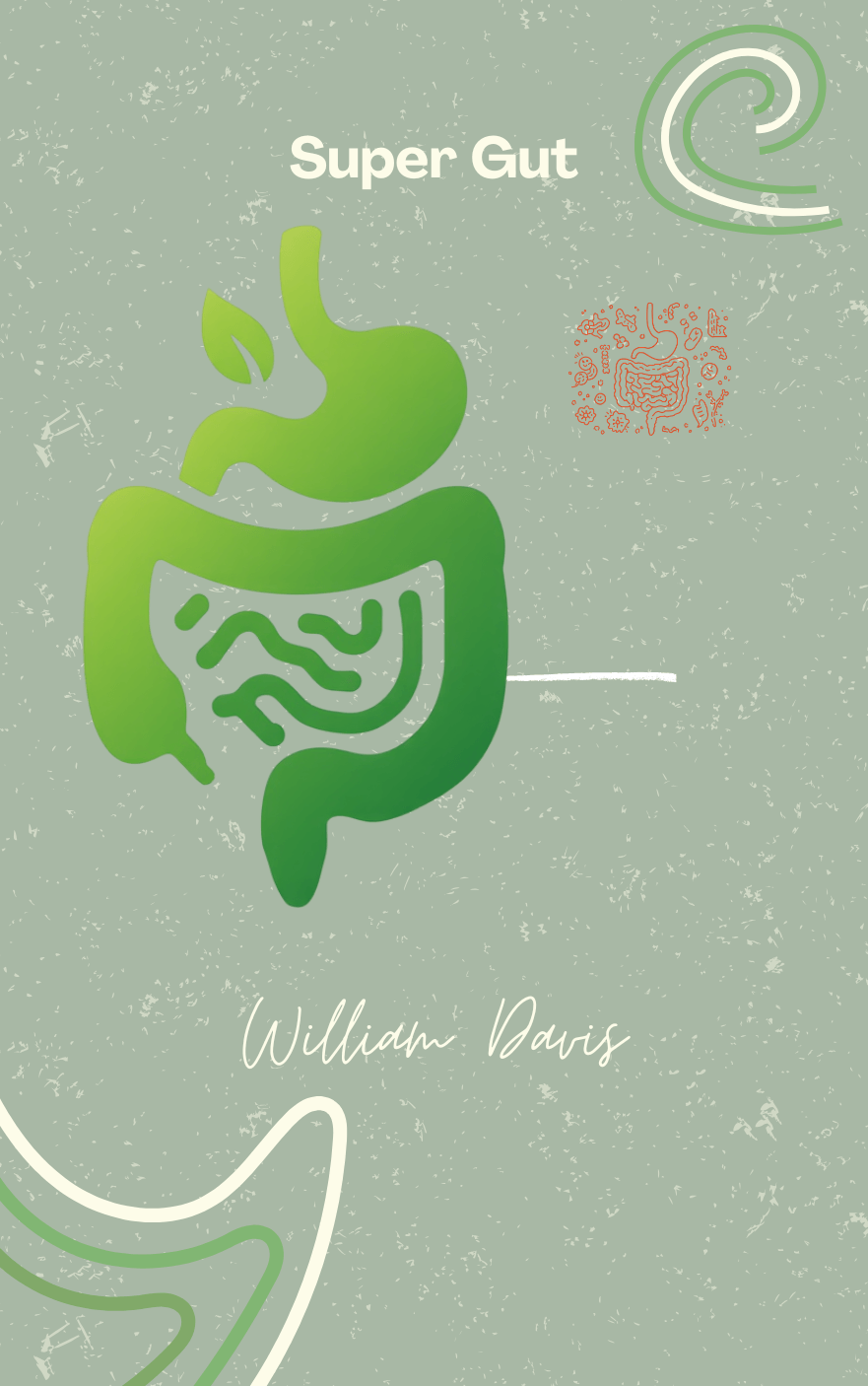
Prefer the print book? Buy on Amazon
As an Amazon Associate, Sumizeit earns from qualifying purchases.
Super Gut Book Summary
This Super Gut Book Summary covers the key ideas, lessons, and takeaways in about 20 minutes.
Short Description:
A deep dive into gut health, microbes, and restoring total body wellness
The encouraging message of Super Gut is that this imbalance is not irreversible. By restoring beneficial bacteria, feeding them properly, and reducing harmful influences, it is possible to rebuild a healthier internal environment. While the science is still developing, the practical steps outlined in the book provide a roadmap for improving overall well-being by starting with the gut.
Helps with these goals
Preview the Super Gut book summary
Below is a preview of Sumizeit’s comprehensive human-written summary of Super Gut by William Davis. The full summary is 15-20 minutes long and covers the book’s key ideas in text, audio, visual, and video formats. Unlock the full 20 Minute Summary
The central argument of Super Gut is that the internal community of microorganisms living in our digestive tract has been profoundly altered in recent decades—and not for the better. What once functioned as a balanced, cooperative ecosystem has become unstable, depleted, and overrun with harmful species.
Davis describes this modern gut condition as a kind of biological distortion—an unnatural state caused by human intervention. Over time, people have lost many beneficial microbial strains while unintentionally encouraging the growth of harmful ones. This shift is not minor—it affects nearly every aspect of health, from digestion to brain function.
Several forces have contributed to this transformation. One of the most significant is the widespread and often unnecessary use of antibiotics. While these medications can be lifesaving, they don’t discriminate between harmful and helpful microbes. As a result, entire populations of beneficial bacteria can be wiped out, sometimes permanently.
Another major contributor is the modern diet. Highly processed foods, especially those loaded with sugars and artificial sweeteners, create ideal conditions for harmful microbes to thrive. These substances feed disruptive bacteria and fungi, allowing them to multiply and dominate the gut environment.
Environmental exposure also plays a role. Chemicals used in agriculture and manufacturing can enter the body through food, water, and air. Some of these substances selectively suppress beneficial microbes while allowing more aggressive strains to flourish.
Together, these influences have reshaped the human microbiome into something very different from what it once was—less diverse, less resilient, and more prone to dysfunction.
The Hidden Power of the Microbiome
The book emphasizes that gut microbes do far more than assist with digestion. They act almost like an additional organ, influencing processes throughout the body.
One of their essential roles is producing nutrients. Certain bacteria generate vitamins that the human body cannot easily make on its own, particularly several types of B vitamins. When microbial diversity declines, this natural production system weakens, forcing people to rely more on supplements.
These microbes also produce compounds known as short-chain fatty acids. These substances nourish the cells lining the colon, strengthen the gut barrier, and reduce inflammation. Without them, the intestinal lining becomes more vulnerable to damage and disease.
Another critical function involves immune regulation. A healthy microbiome helps train the immune system, teaching it how to distinguish between harmless and harmful threats. When this balance is disrupted, the immune system can become overactive or misdirected, contributing to chronic inflammation and autoimmune conditions.
Perhaps most surprising is the connection between gut bacteria and the brain. Research suggests that microbes influence mood, behavior, and cognitive function. Toxic substances released by certain bacteria can even trigger symptoms similar to depression or anxiety.
This relationship between the gut and the brain—often called the gut-brain axis—means that changes in microbial balance can have psychological as well as physical consequences.
When Balance Breaks: The Rise of Chronic Illness
According to Davis, the disruption of the microbiome is linked to a wide range of modern health problems.
When harmful microbes dominate, they can produce…
Want the complete 20-minute summary?
- Full structured summary
- Video Summary
- Podcast Summary
- Audio summary
- Key takeaways
- Exercises
- Quiz
- Highlights and notes
- Ask the book with AI
Who should read Super Gut?
Super Gut is ideal for anyone struggling with digestive issues, chronic inflammation, or unexplained health problems who wants to understand the root cause. It's particularly valuable for people interested in how gut health influences mental health, metabolism, and immune function. If you've been told your symptoms are unrelated to your digestive system, this book offers a different perspective worth exploring.
Why does Super Gut matter?
Modern life has fundamentally altered our gut microbiome in ways that drive chronic disease, yet most people remain unaware of this silent transformation. As antibiotic overuse, processed foods, and environmental toxins continue to deplete beneficial bacteria, understanding the microbiome has become essential to preventing and reversing common health conditions. Super Gut by William Davis makes the science accessible while providing practical, actionable solutions you can implement immediately.
What are the key themes in Super Gut?
- The microbiome as a hidden organ affecting every system in your body
- How modern practices (antibiotics, processed foods, chemicals) have damaged our gut ecosystem
- The gut-brain connection and its impact on mental health and behavior
- SIBO and fungal overgrowth as widespread but underdiagnosed conditions
- Restoration through probiotics, prebiotics, and lifestyle changes
- Long-term maintenance as essential for sustained health improvements
How can you apply ideas from Super Gut?
- Start a fermented food routine using traditionally prepared options like sauerkraut, kimchi, or kombucha to increase beneficial bacteria intake
- Audit your antibiotic use with your doctor and only take antibiotics when truly necessary to preserve your beneficial bacteria colonies
- Increase prebiotic fiber intake through vegetables, legumes, and resistant starches to feed and strengthen beneficial microbes
- Identify and reduce sugar and processed food consumption, which feeds pathogenic bacteria and fungi
- Consider targeted natural antimicrobials like berberine or curcumin if you suspect SIBO or fungal overgrowth rather than relying solely on prescription antibiotics
- Implement stress reduction and sleep optimization, as these directly influence microbiome stability and immune regulation
- Review medications with your doctor, particularly acid-reducing drugs and pain relievers that weaken the gut barrier
What common mistakes do readers make with Super Gut?
- Assuming probiotics alone will fix a damaged microbiome without also removing the harmful factors and feeding beneficial bacteria
- Over-restricting carbohydrates in a way that starves beneficial bacteria of the prebiotic fiber they need to survive and thrive
- Taking unnecessary antibiotics or ignoring their long-term impact on microbiome diversity and resilience
- Consuming commercial fermented foods with minimal live organisms instead of seeking traditionally prepared versions with higher bacterial counts
Sumizeit Exercises Apply what you've learned
Turn ideas from Super Gut into action with a short guided reflection: identify the biggest takeaway, connect it to your life, and commit to one step you can take in the next 24 hours.
What is the expert analysis of Super Gut?
Overview
Super Gut is a significant contribution to the growing discourse on the human microbiome and its profound impact on overall health. Authored by William Davis, a cardiologist turned nutrition and gut health advocate, the book builds on his clinical expertise and prior work on diet-related chronic diseases. Davis situates the gut microbiome not merely as a digestive aid but as a pivotal organ influencing immunity, metabolism, and even neurological function. His synthesis of emerging microbiome science with practical interventions makes this work particularly relevant in an era increasingly aware of chronic illness and lifestyle-related health challenges.
Core Thesis
Davis’s central argument is that modern environmental and lifestyle factors—especially the overuse of antibiotics, consumption of processed foods high in sugars and artificial sweeteners, and exposure to environmental chemicals—have disrupted the delicate balance of the gut microbiome. This disruption diminishes microbial diversity and resilience, allowing harmful bacteria and fungi to dominate, which in turn contributes to a wide spectrum of chronic diseases ranging from metabolic and cardiovascular disorders to mental health conditions. Importantly, Davis contends that this microbial imbalance is not fixed and can be restored through targeted dietary, lifestyle, and therapeutic strategies that nurture beneficial microbes and suppress pathogenic ones.
Strengths
- Comprehensive Integration: The book adeptly weaves together microbiology, immunology, nutrition, and psychology, providing a holistic view of gut health’s systemic influence.
- Clinical Insight: Davis’s background as a physician lends credibility and practical grounding to his recommendations, bridging the gap between research and real-world application.
- Emphasis on Practical Solutions: Rather than merely diagnosing the problem, Super Gut offers actionable guidance on probiotics, prebiotics, fermented foods, and lifestyle modifications, empowering readers to take control of their gut health.
- Highlighting Underrecognized Conditions: The focus on conditions like SIBO and fungal overgrowth (SIFO) brings attention to often overlooked contributors to digestive and systemic illness.
- Balanced Acknowledgment of Limitations: The author does not overstate the science, recognizing ongoing uncertainties and the multifactorial nature of health.
Critiques & Counterarguments
- Evidence Base and Causality: While Davis presents compelling correlations between microbiome disruption and disease, causality remains difficult to establish definitively. Some critics argue that microbiome changes may be consequences rather than causes of illness, complicating the therapeutic narrative.
- Oversimplification of Microbial Ecology: The microbiome is extraordinarily complex and individualized. The book’s broad recommendations may not account sufficiently for interindividual variability or the nuanced ecological interactions within the gut.
- Probiotic and Supplement Claims: The efficacy of probiotics and natural antimicrobial compounds varies widely, with mixed results in clinical trials. Some research suggests that supplementation may not produce lasting colonization or meaningful clinical outcomes for all individuals.
- Competing Theories on Diet and Microbiome: Alternative schools of thought emphasize genetic, environmental, or psychosocial factors as primary drivers of chronic disease, sometimes downplaying the microbiome’s role or proposing different dietary frameworks.
- Potential for Overmedicalization: The focus on microbial imbalance risks pathologizing normal variations in gut flora and may lead to unnecessary interventions or anxiety among readers.
Who Should Read This
Super Gut is ideally suited for readers with a sophisticated interest in the intersection of microbiology, nutrition, and chronic disease—particularly healthcare professionals, researchers, and informed laypersons seeking to deepen their understanding of the gut’s systemic role. It also appeals to individuals grappling with unexplained chronic symptoms or those motivated to adopt evidence-informed lifestyle changes to optimize their health. While not a substitute for personalized medical advice, the book serves as a valuable resource for anyone intrigued by the emerging science of the microbiome and its practical implications.
Frequently asked questions about the Super Gut book summary
What is Super Gut about?
Super Gut by William Davis explores how modern life—including antibiotic overuse, processed foods, and chemical exposure—has damaged our gut microbiome and explains how this damage drives chronic disease. The book reveals how our internal microbial ecosystem influences digestion, immunity, metabolism, mental health, and behavior, then provides practical strategies to restore balance and rebuild a healthier gut.
Who should read Super Gut?
Super Gut is essential for anyone experiencing digestive issues, chronic inflammation, unexplained health problems, mental health struggles, or metabolic disorders. It's also valuable for people interested in preventive health who want to understand how their daily choices affect their microbiome. If you take antibiotics regularly, consume a highly processed diet, or have been told your symptoms are unrelated to your gut, this book offers crucial insights.
What are the main takeaways from Super Gut?
The key takeaways are: your gut microbiome is a hidden organ that influences every system in your body; modern life has depleted beneficial bacteria while promoting harmful ones; this imbalance drives chronic disease; and you can rebuild a healthier microbiome through probiotics, prebiotics, fermented foods, and lifestyle changes. The encouraging message is that microbiome damage is reversible with consistent, targeted effort.
What is SIBO and why does William Davis focus on it?
SIBO (small intestinal bacterial overgrowth) occurs when bacteria migrate into the small intestine where they don't belong, interfering with digestion and damaging the intestinal lining. Davis emphasizes SIBO because it's widespread but underdiagnosed, often causing bloating, food sensitivities, and nutrient deficiencies that people don't connect to their gut. Understanding SIBO helps explain many unexplained health problems.
Does Super Gut explain the gut-brain connection?
Yes, Super Gut extensively covers the gut-brain axis—how bacteria produce compounds that influence mood, behavior, cognitive function, and even social bonding. Toxic substances from pathogenic bacteria can trigger depression and anxiety, while a healthy microbiome supports emotional stability and mental clarity. This connection reveals that many mental health issues may have roots in microbial imbalance.
What specific solutions does Super Gut recommend?
Super Gut recommends restoring beneficial bacteria through high-quality probiotics and traditionally fermented foods, feeding them with prebiotic fibers from vegetables and legumes, reducing sugar and processed foods, using natural antimicrobials like berberine for persistent overgrowth, managing stress, and avoiding unnecessary antibiotics. The book emphasizes that these solutions require consistent long-term effort, not one-time interventions.
Can a damaged microbiome actually be reversed?
Yes, according to Super Gut, microbiome damage is reversible even after years of disruption. By eliminating the factors that harm beneficial bacteria, restoring them through evidence-based methods, and maintaining these changes through lifestyle choices, you can rebuild a healthier internal ecosystem. The timeline varies by individual, but improvement is possible at any age.
About Sumizeit
Sumizeit is a profitable Scomy LLC company based in Miami, Florida. Our founders, Clemens Raemy and Weina Scott, are successful entrepreneurs with several exits. Sumizeit is a popular book summary app / micro learning app used by busy professionals and entrepreneurs with over 2,500 non-fiction book summaries and 10,000 podcast summaries in text, audio, visual, podcast, and video format. We also have stellar retention tools to make ideas stick - such as flashcards with spaced repetition, quizzes, streaks, highlighting and notes, daily challenges, riddles, mini-courses, meditation, and more. You won't only learn the idea, but also remember it. Over 90% of our users change their habits with Sumizeit.
Upgrade Now
Here's why readers love Sumizeit
Join thousands of learners getting smarter every day
"Great experience. Detailed summaries. Loved the gamification feature. Makes learning fun. Good customer service. I recommend Sumizeit to anyone. You'll learn a lot."
"I always felt busy but still wanting to keep up with the book discussion in my friend group. This was a great supplement to help me keep reading the books I find fun while keeping up with important books."
"I love this website. Instead of scrolling social media, I find myself learning a lot. I use it everyday. I recommend this app for anyone who is too busy and wants to get up to speed with their favorite books."
Super Gut Book Summary PDF
Looking for a Super Gut Book Summary PDF you can save and revisit offline? Our Super Gut Book Summary PDF captures the book’s core ideas in a clean, printable format — the key frameworks, takeaways, and structure without the fluff. Download the Super Gut Book Summary PDF when you want a reference you can annotate, share with your team, or review on the go. Get your Super Gut Book Summary PDF from the download page below.
Download Super Gut Book Summary PDFPeople also liked these summaries
Readers who explored Super Gut often enjoyed these titles next.

Ready to read the whole thing?
- Full structured summary
- Video Summary
- Podcast Summary
- Audio summary
- Key takeaways
- Exercises
- Quiz
- Highlights and notes
- Ask the book with AI
Featured Book Titles
Popular Book Summaries at sumizeit, leading book summary app