


As an Amazon Associate, Sumizeit earns from qualifying purchases.
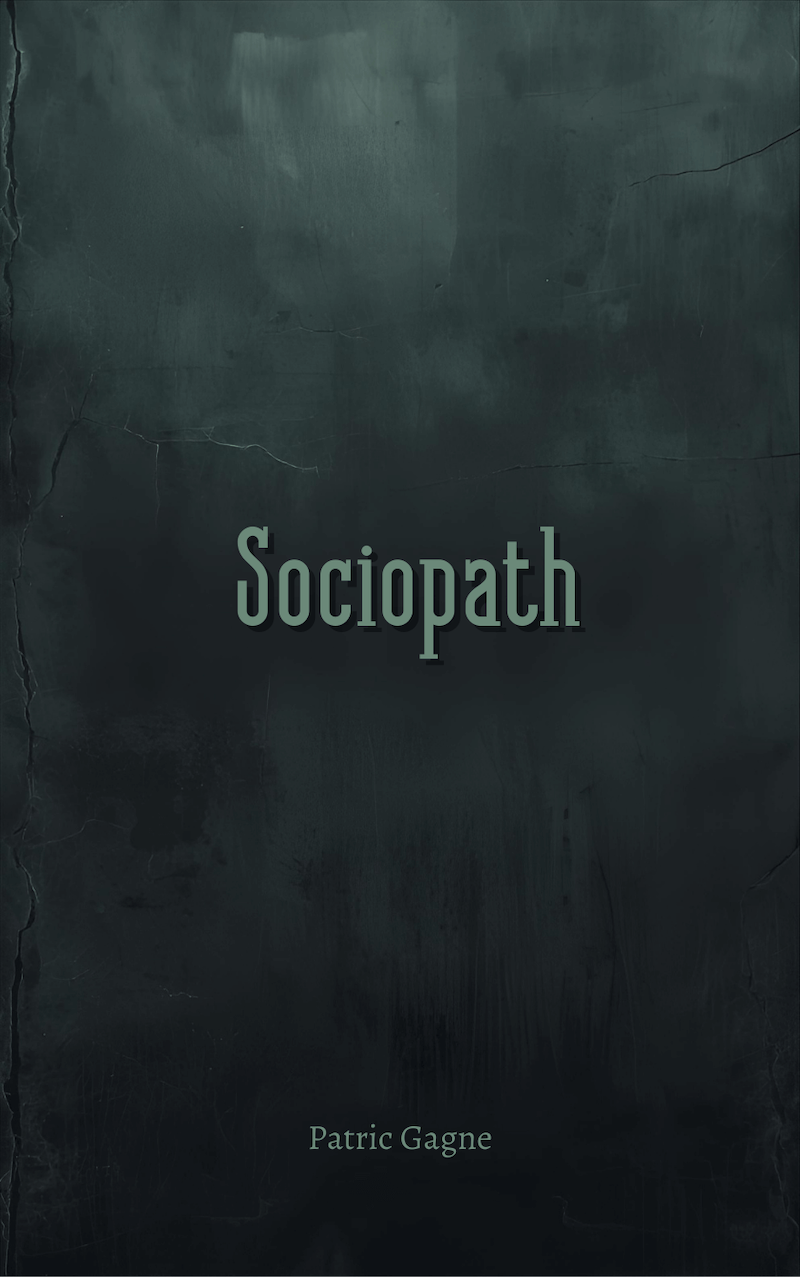
Sociopath Book Summary
This Sociopath Book Summary covers the key ideas, lessons, and takeaways in about 20 minutes.
The memoir makes clear that sociopathy is not a monolith. Individuals with this neurological structure vary widely in behavior, motivation, and moral reasoning. Gagne demonstrates that even without traditional emotional cues, a person can build moral principles, regulate harmful impulses, maintain loyalty, and strive for authentic living. Her journey is not defined by cruelty or malice but by a constant negotiation between her internal wiring and societal expectations.
Her story underscores that morality can emerge from logic, discipline, and intention—not only from empathy. She shows that insight and self-awareness can guide responsible behavior even when emotional experience is limited. Her narrative urges society to look beyond sensationalized portrayals and cultivate compassion for individuals whose psychological landscapes differ from the norm.
Helps with these goals
Want the complete 20-minute summary?
- Full structured summary
- Video Summary
- Podcast Summary
- Audio summary
- Key takeaways
- Exercises
- Quiz
- Highlights and notes
- Ask the book with AI
What is in the Sociopath book summary?
Below is a preview of Sumizeit’s expert-written summary of Sociopath by Patric Gagne. The full summary covers the book’s key ideas in text, audio, and video.
Patric Gagne opens her memoir by revealing the life she has meticulously constructed—a life that appears stable, admirable, and entirely ordinary. To the outside world, she functions as a successful therapist, a dedicated partner, and a loving mother. This version of herself is polished and socially seamless, the kind of person no one would suspect of struggling internally. Yet she quickly clarifies that this façade is an act, performed to conceal an emotional architecture fundamentally different from those around her. She does not experience empathy or guilt in the ways society expects, and her ability to manipulate situations comes as naturally to her as breathing.
Behind her carefully maintained persona lies a persistent awareness that she has spent her entire life acting. The emotions she outwardly displays are studied and mimicked. What others do instinctively, she performs deliberately, constructing a social mask durable enough to withstand scrutiny. The tension between who she outwardly is and who she actually feels herself to be becomes the central conflict of her life. This “mask of normalcy” is not a malicious deception but a survival strategy she cultivated to navigate a world built on emotional signals she does not naturally possess.
She learned early that fitting in required learning what emotions looked like, even if she could not internally generate them. The more responsibilities she acquired—career, marriage, motherhood—the more intricate the mask became. Her memoir shows that her existence is defined as much by what she hides as by what she reveals. The mask protects her, but it also isolates her, creating a life where she is constantly present but rarely feels truly known.
Childhood Shadows and Secrets
Gagne’s childhood provides the earliest clues that she experiences the world differently. While other children immerse themselves in games, friendships, and spontaneous emotions, she grows up as an observer rather than a participant. Her interests gravitate toward darker subjects: crime stories, moral transgressions, and narratives that explore the nature of wrongdoing. Instead of frightening her, these themes feel familiar, sparking curiosity rather than revulsion.
She remembers searching for a word to describe the peculiar emptiness she felt, eventually stumbling upon the term “sociopath.” Yet even that discovery yielded little clarity, as definitions were vague or inconsistent. Her sense of disconnection intensified as she realized that emotions like guilt or compassion were foreign to her, even though joy or anger occasionally surfaced. The absence of what she calls “social emotions” left her feeling like she lived behind a pane of glass, close enough to observe humanity but distant enough never to fully join it.
To cope with an internal numbness she could neither articulate nor escape, she turned to misbehavior. Stealing small objects or deceiving classmates provided momentary relief—not out of cruelty, but because these acts punctured the emotional void. The rush that followed felt like proof she was alive. These early patterns set the stage for her lifelong attempt to understand herself and the invisible barrier separating her from everyone else.
The Pressure Within
One of…
Want the complete 20-minute summary?
- Full structured summary
- Video Summary
- Podcast Summary
- Audio summary
- Key takeaways
- Exercises
- Quiz
- Highlights and notes
- Ask the book with AI
Who should read Sociopath?
Sociopath by Patric Gagne is essential reading for anyone curious about the human mind beyond conventional emotional frameworks. This memoir appeals to psychology students, mental health professionals, true crime enthusiasts, and readers seeking to challenge stereotypes about personality disorders. It's also valuable for anyone who feels disconnected from typical emotional experiences or struggles to understand people who don't conform to emotional norms.
Why does Sociopath matter?
In a world saturated with sensationalized portrayals of sociopathy in media and entertainment, Sociopath offers a rare, firsthand account that dismantles dangerous myths and replaces them with scientific nuance and human complexity. Patric Gagne's memoir demonstrates that morality and meaningful relationships are possible outside traditional emotional frameworks, challenging readers to reconsider their assumptions about psychology, ethics, and what it truly means to be human. As mental health conversations evolve, this book contributes vital perspective on neurodiversity and the spectrum of human experience.
What are the key themes in Sociopath?
- The mask of normalcy and the cost of constant performance
- Morality as logic rather than emotion
- Living on the spectrum of sociopathy
- The search for authenticity and self-acceptance
- Breaking stigma through lived-experience narrative
- The internal pressure and impulse regulation
- Relationships and the possibility of connection without empathy
What are the key lessons from the Sociopath book summary?
Sociopathy is a spectrum, not a monolith
The condition encompasses diverse presentations and behaviors, many of which are nonviolent and invisible. Not all sociopaths are criminals or villains; many function successfully in society with controlled self-awareness.
Emotional flatness doesn't preclude moral reasoning
Gagne demonstrates that a person can develop strong ethical principles through logic and intention rather than empathy. Morality can be built cognitively when emotional cues are absent.
The internal 'pressure' is a neurological compulsion
Gagne describes an escalating internal tension that demands release through action. Understanding this as a physiological phenomenon rather than malice reframes her behaviors as driven by compulsion rather than cruelty.
Masks enable survival but prevent genuine connection
While her carefully maintained persona allowed Gagne to function socially and professionally, it also created chronic detachment and isolation. Perfect performance comes at the cost of authentic belonging.
Self-awareness can redirect harmful impulses
Through therapy and introspection, Gagne learned to channel her compulsions into controlled, less harmful expressions. Understanding the source of impulses is the first step toward managing them.
Therapy works best when it's logical, not emotionally focused
For someone with limited emotional access, therapy grounded in structure, analysis, and cognitive frameworks proves more effective than approaches centered on feeling and intuition.
Vulnerability requires conscious choice, not emotional spontaneity
Gagne's path to authenticity involved deliberately choosing honesty and transparency despite lacking natural emotional ease. Vulnerability can be an intentional practice rather than a spontaneous expression.
Freedom rooted in avoidance is not freedom
The temptation to surrender to impulse and manipulation once felt liberating, but Gagne eventually recognized it as a trap of emptiness. True independence comes from conscious choice and self-acceptance.
Integration is possible without cure
Gagne doesn't frame her journey as healing a broken mind but as learning to coexist with her neurological wiring. Acceptance and adaptation can achieve stability without transformation.
Secrecy perpetuates misunderstanding and stigma
By publicly sharing her experience, Gagne challenges the silence surrounding sociopathy and creates space for more nuanced, compassionate dialogue. Lived-experience narratives counter stereotypes more effectively than clinical descriptions.
Responsibility doesn't require remorse
Gagne learns to acknowledge the harm her manipulations caused even though she doesn't feel traditional guilt. Intellectual understanding of consequences can drive ethical behavior.
Relationships require maintenance even without emotional ease
Gagne sustains partnerships through principles, routines, and commitment rather than emotional spontaneity. Loyalty and care can be expressed through structure and intention.
Childhood disconnection points to deeper neurological differences
Gagne's early experiences as an observer rather than participant, combined with her fascination with transgression, were early indicators of her divergent neurological wiring.
Shame compounds the struggle with undiagnosed conditions
Without language to understand her inner experience, Gagne internalized her differences as personal failure. Scientific understanding transformed shame into contextualized self-knowledge.
Solitude can be restorative for those who don't fit social scripts
For Gagne, private spaces like the cottage offered refuge from constant performance, revealing that peaceful isolation served as emotional and psychological restoration rather than avoidance.
Past relationships reveal patterns we're ready to see
David's return forced Gagne to examine her previous manipulations and their impact. Looking backward with new awareness enables growth forward.
Narrative transparency is an act of radical defiance
Publishing her memoir became Gagne's way of refusing the isolation imposed by secrecy and challenging society's fear-based narratives about her condition.
Identity can be rebuilt through intentional structure
Rather than expecting natural emotional development, Gagne built a stable identity through routines, principles, and cognitive frameworks that guide her choices.
Neurodiversity deserves compassion, not just clinical study
Gagne's story calls for society to move beyond clinical detachment toward genuine empathy for those whose brains operate outside conventional emotional parameters.
Want the complete 20-minute summary?
- Full structured summary
- Video Summary
- Podcast Summary
- Audio summary
- Key takeaways
- Exercises
- Quiz
- Highlights and notes
- Ask the book with AI
How can you apply ideas from Sociopath?
- Recognize that sociopathy exists on a spectrum and that many sociopaths function successfully without harming others—challenge your assumptions about dangerous personalities
- Develop cognitive frameworks for ethical reasoning in situations where emotional intuition fails—build principles based on logic and outcome assessment
- Use structure and routine as tools for self-regulation when impulse control is difficult—create systems that guide behavior in the absence of natural emotional brakes
- Practice intentional transparency with trusted people to reduce the exhaustion of constant performance—strategic vulnerability can build genuine connection
- Examine the cost-benefit of your social masks—consider where authenticity might strengthen relationships rather than endanger them
- Approach therapy or counseling with clear, structured goals rather than expecting emotional breakthroughs—work with your actual neurology, not against it
- Reframe moral responsibility as intellectual understanding of consequences rather than emotional remorse—ethical behavior doesn't require guilt to be effective
What common mistakes do readers make with Sociopath?
- Assuming all sociopaths are dangerous criminals—statistically, many live invisible, nonviolent lives while functioning in society
- Expecting emotional experience as a prerequisite for moral behavior—logic and principle can drive ethical choices just as effectively
- Using secrecy to protect yourself from judgment without considering its psychological cost—vulnerability, when strategic, can reduce isolation
- Believing that perfect social performance leads to belonging—the mask that protects also prevents the genuine connection it seeks
Sumizeit Exercises Apply what you've learned
Turn ideas from Sociopath into action with a short guided reflection: identify the biggest takeaway, connect it to your life, and commit to one step you can take in the next 24 hours.
What is the expert analysis of Sociopath?
Overview
Sociopath is a memoir by Patric Gagne, a therapist and researcher who provides a rare, intimate exploration of living with sociopathy from the inside out. This book stands out in the crowded field of psychological memoirs by dismantling the prevalent stereotypes of sociopathy as synonymous with villainy or criminality. Instead, Gagne offers a nuanced, deeply human portrait of a mind wired differently, challenging readers to reconsider assumptions about morality, emotion, and identity. Her dual role as both subject and expert lends the narrative authority and depth, making it a significant contribution to contemporary discussions on personality disorders and neurodiversity.
Core Thesis
Gagne’s central argument is that sociopathy is not a monolithic pathology defined solely by antisocial or destructive behavior but rather a complex neurological and psychological condition that manifests across a spectrum. She contends that individuals with sociopathic traits can cultivate moral frameworks, self-awareness, and meaningful lives despite lacking conventional emotional experiences such as empathy or guilt. The memoir emphasizes that morality and ethical behavior can arise from logic, discipline, and intention rather than emotional impulse. Ultimately, Gagne calls for a more compassionate, scientifically informed understanding of sociopathy that transcends fear and stigma.
Strengths
- Authentic First-Person Perspective: Gagne’s candid recounting of her internal world and lifelong navigation of sociopathy provides rare insight into a condition often misunderstood or sensationalized.
- Nuanced Portrayal of Sociopathy: By highlighting the spectrum of sociopathic traits and the possibility of nonviolent, controlled expressions, the memoir challenges reductive cultural myths.
- Integration of Personal Narrative with Psychological Research: Gagne’s background allows her to contextualize her experiences within scientific frameworks, enriching the memoir’s intellectual rigor.
- Exploration of Moral Reasoning Without Empathy: The book compellingly argues that ethical behavior does not require traditional emotional cues, expanding philosophical debates on morality.
- Emphasis on Identity and Resilience: The metaphor of the dilapidated cottage and the theme of self-integration offer powerful symbols of healing and self-acceptance.
Critiques & Counterarguments
- Potential Oversimplification of Sociopathy: While the memoir highlights the spectrum, it may underplay the risks and harms associated with sociopathic behaviors, especially in less controlled individuals, which could lead to an overly sanitized view.
- Limited Generalizability: Gagne’s highly self-aware and structured approach to managing sociopathy may not reflect the experiences of many with antisocial personality disorder, who often lack such insight or control.
- Reliance on Introspection: The memoir’s introspective methodology, while valuable, is inherently subjective and may omit neurobiological or environmental factors influencing sociopathy that are emphasized in other research.
- Opposing Psychological Models: Some schools of thought, particularly those emphasizing affective neuroscience, argue that empathy deficits fundamentally impair moral cognition, challenging Gagne’s thesis that logic alone can sustain morality.
- Real-World Evidence of Sociopathy’s Impact: Empirical studies link sociopathic traits to higher incidences of criminality and interpersonal harm, suggesting that the memoir’s hopeful narrative may not capture the full societal implications.
Who Should Read This
This memoir is essential reading for psychologists, therapists, and mental health professionals seeking a deeper, more empathetic understanding of sociopathy beyond clinical diagnostics. It also benefits scholars of moral philosophy and neurodiversity interested in the interplay between emotion, cognition, and ethics. Additionally, individuals with sociopathic traits or those close to them may find validation and guidance in Gagne’s story. Finally, readers drawn to memoirs that challenge societal norms and explore complex identities will appreciate the book’s introspective and transformative narrative.
Frequently asked questions about the Sociopath book summary
What is Sociopath about?
Sociopath by Patric Gagne is a groundbreaking memoir offering a firsthand account of living with sociopathic traits while maintaining a successful career, relationships, and public persona. The narrative follows Gagne's lifelong journey from childhood confusion about her emotional disconnection through her formal diagnosis, therapy, and eventual integration of her neurological differences. Rather than a crime story or cautionary tale, it's an intimate exploration of how someone without traditional empathy navigates morality, relationships, and authenticity.
Who should read Sociopath?
Sociopath appeals to psychology students and professionals seeking to challenge clinical stereotypes, readers curious about personality disorders and neurodiversity, and anyone who feels emotionally disconnected or misunderstood. It's valuable for those interested in true crime from a psychological perspective, individuals questioning their own emotional experiences, and anyone willing to examine their biases about what makes someone dangerous or worthy of compassion.
What are the main takeaways from Sociopath?
The main takeaways include: sociopathy exists on a spectrum with diverse presentations, morality can emerge from logic rather than emotion, self-awareness and structure can regulate harmful impulses, and authentic living is possible without traditional emotional experience. Patric Gagne's memoir demonstrates that society's fear-based narratives about sociopathy are overly simplistic, and that compassion and understanding are more productive responses than stigma and silence.
Is Sociopath a true story?
Yes, Sociopath is a memoir based on Patric Gagne's lived experience. It's a firsthand, autobiographical account rather than fiction, making it a unique contribution to psychological literature. Gagne uses her background as a therapist and her personal experience with sociopathic traits to provide an insider perspective on a condition typically portrayed only through external, clinical, or sensationalized narratives.
How does Sociopath challenge stereotypes about sociopaths?
Gagne's memoir dismantles the popular culture image of sociopaths as villainous, violent criminals by showing how someone with sociopathic traits can build a stable life grounded in logic, responsibility, and intentional ethics. She demonstrates that without empathy, a person can still develop moral principles, maintain relationships, and strive for authenticity. The book argues for seeing sociopathy as neurological diversity deserving nuance rather than as a character flaw deserving fear.
Can someone with sociopathy change or improve?
According to Sociopath, change doesn't mean becoming someone with traditional empathy, but rather achieving integration and self-awareness. Patric Gagne shows that therapy, structure, and intentional choice can help regulate impulses and build ethical behavior. She frames improvement not as a cure but as conscious coexistence with one's neurological wiring, allowing for a meaningful, responsible life without requiring emotional transformation.
What role does therapy play in Sociopath?
Therapy becomes a crucial turning point in Gagne's journey, particularly her work with Dr. Carlin, who approaches sociopathy with curiosity rather than fear. Rather than focusing on emotional development, effective therapy for Gagne emphasizes cognitive frameworks, structure, and analyzing the impact of her behavior. The memoir illustrates that therapy can be powerfully effective when tailored to how someone actually processes information rather than how therapists assume they should.
About Sumizeit
Sumizeit is a profitable Scomy LLC company based in Miami, Florida. It has been helping readers learn from nonfiction books for 7 years with expert-written summaries in text, audio, podcast, and video.
Want the complete 20-minute summary?
- Full structured summary
- Video Summary
- Podcast Summary
- Audio summary
- Key takeaways
- Exercises
- Quiz
- Highlights and notes
- Ask the book with AI
Here's why readers love Sumizeit
Join thousands of learners getting smarter every day
"Great experience. Detailed summaries. Loved the gamification feature. Makes learning fun. Good customer service. I recommend Sumizeit to anyone. You'll learn a lot."
"I always felt busy but still wanting to keep up with the book discussion in my friend group. This was a great supplement to help me keep reading the books I find fun while keeping up with important books."
"I love this website. Instead of scrolling social media, I find myself learning a lot. I use it everyday. I recommend this app for anyone who is too busy and wants to get up to speed with their favorite books."
Sociopath Book Summary PDF
Looking for a Sociopath Book Summary PDF you can save and revisit offline? Our Sociopath Book Summary PDF captures the book’s core ideas in a clean, printable format — the key frameworks, takeaways, and structure without the fluff. Download the Sociopath Book Summary PDF when you want a reference you can annotate, share with your team, or review on the go. Get your Sociopath Book Summary PDF from the download page below.
Download Sociopath Book Summary PDFPeople also liked these summaries
Readers who explored Sociopath often enjoyed these titles next.



Want the complete 20-minute summary?
- Full structured summary
- Video Summary
- Podcast Summary
- Audio summary
- Key takeaways
- Exercises
- Quiz
- Highlights and notes
- Ask the book with AI
Featured Book Titles
Popular Book Summaries at sumizeit, leading book summary app
