


As an Amazon Associate, Sumizeit earns from qualifying purchases.
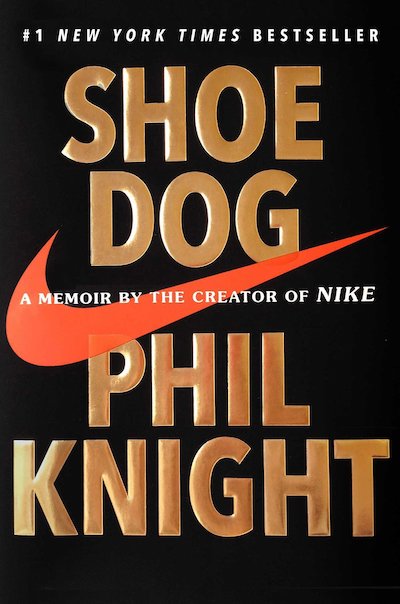
Shoe Dog Book Summary
This Shoe Dog Book Summary covers the key ideas, lessons, and takeaways in about 20 minutes.
Helps with these goals
Want the complete 20-minute summary?
- Full structured summary
- Video Summary
- Podcast Summary
- Audio summary
- Key takeaways
- Exercises
- Quiz
- Highlights and notes
- Ask the book with AI
What is in the Shoe Dog book summary?
Below is a preview of Sumizeit’s expert-written summary of Shoe Dog by Phil Knight. The full summary covers the book’s key ideas in text, audio, and video.
Just Do It.
That’s a phrase we’ve all heard before. And, it was made famous by Nike.
This catchy three-word phrase captures the ignitive fiery spirit of Phil Knight when he first founded Nike.
In “Shoe Dog” Knight shares his secrets for success through the telling of his untraditional business building.
“I’d tell men and women in their mid-twenties not to settle for a job or a profession or even a career. Seek a calling. Even if you don’t know what that means, seek it. If you’re following your calling, the fatigue will be easier to bear, the disappointments will be fuel, the highs will be like nothing you’ve ever felt.”- Phil Knight
You’ll be inspired by Knight’s creativity and honesty as he points you in the direction of entrepreneurial success through his well-crafted memoir.
It All Starts With A “Crazy” Idea
Phil Knight graduated from business school in 1962. He was 24. At the time, he was not a people-person. In fact, he was terribly shy.
But, Knight had this concept of importing Japanese-style running shoes to America. The name-brand he had in mind was Tiger, which was a smaller part of the big-name Japanese brand Onitsuka.
“History is one long processional of crazy ideas.”- Phil Knight
Knight was so determined to snag this opportunity that despite his terrible sales skills, boarded a plane to Japan to pitch to a room of Japanese businessmen. Not only was the deal sealed, but Knight explains that traveling became one of the biggest inspirations for his future business projects.
When he shipped out to Japan, Knight was holding a loan from his Dad in order to extend his journey around the world. He traveled with a college-friend of his from Hawaii to Asia to the Middle East and Europe. He famously visited Greece where he beheld the Temple of Athena Nike. And, this was long before Nike was even a seed of a company!
His courageous leap landed him a deal and had him untraditionally selling Tiger shoes out of the trunk of his car while working as an accountant for half of a year.
An Inspiration
Knight argues that having inspiration in your life and a mentor can propel your dreams forward. Knight’s personal inspiration was his college track coach, Bill Bowerman.
Bill, like Knight, was a “shoe dog”. A “shoe dog”, in the industry, is a person who is literally shoe-obsessed and believes that the right shoe can lead a person confidently in the direction of their dreams.
Bowerman, as a coach, believed the shoe made the difference. And, he would have Knight try different footwear in order to observe his performance.
Bowerman always wanted to make shoes as light as possible for his athletes, so he would often tear shoes apart and put them back together. Bowerman was basically a footwear designer himself!
Knight secured a deal with Onitsuka for exclusive rights to distribute Tiger footwear in the US.
Want the complete 20-minute summary?
- Full structured summary
- Video Summary
- Podcast Summary
- Audio summary
- Key takeaways
- Exercises
- Quiz
- Highlights and notes
- Ask the book with AI
Who should read Shoe Dog?
Shoe Dog is for aspiring entrepreneurs, business leaders, and anyone seeking inspiration about building something meaningful from scratch. Whether you're starting a venture, navigating career decisions, or looking to understand how Nike became a global powerhouse, this memoir offers firsthand wisdom from one of business's most influential founders.
Why does Shoe Dog matter?
In an era where many chase quick success, Phil Knight's story reminds us that building lasting companies requires persistence, creative problem-solving, and unwavering belief in your vision. Knight's journey from shy accountant to billionaire entrepreneur provides timeless lessons about overcoming obstacles, building the right team, and staying true to your calling—principles that remain relevant for modern business leaders and innovators.
What are the key themes in Shoe Dog?
- Following your calling over settling for a job
- The power of creative, eccentric teams
- Treating obstacles as fuel for growth
- Building with heart and authentic passion
- The importance of mentorship and inspiration
- Taking bold risks with conviction
What are the key lessons from the Shoe Dog book summary?
Crazy Ideas Drive History
What others dismiss as impossible often becomes tomorrow's breakthrough. Knight's decision to import Japanese running shoes to America seemed absurd, but his willingness to pursue this 'crazy' idea despite lacking sales skills launched a billion-dollar company.
A Mentor Can Transform Your Direction
Knight's track coach Bill Bowerman became the perfect collaborator because he shared the same obsession with footwear and performance. Finding someone who believes in your vision as deeply as you do can exponentially accelerate your success.
Seek a Calling, Not Just a Career
Knight distinguishes between working for money and working toward something meaningful. When you're pursuing a genuine calling, setbacks become fuel and exhaustion becomes bearable because your work has purpose beyond profit.
Hire for Creativity and Character
Knight built Nike by recruiting eccentric, creative people he knew and trusted, rather than traditional corporate hires. These unconventional team members brought innovation and passion that standard candidates couldn't offer.
Employee Input Strengthens Company Culture
Knight learned that showing employees their opinions matter—and actually involving them in decisions—builds loyalty and makes them feel invested in the company's success, not just their paychecks.
Growth or Stagnation: There's No Middle Ground
Knight operated on the principle of 'grow or die,' reinvesting almost every dollar the company made back into expansion. This aggressive approach meant living lean but positioning Nike for dominance in the market.
Persistence Through Legal and Financial Crises
Two major lawsuits and rejection from banks could have ended Nike. Knight's refusal to give up, combined with finding alternative financing and proving his company's integrity, transformed obstacles into victories.
Travel and Exploration Fuel Innovation
Knight's journey around the world before starting his company shaped his vision and opened doors to business opportunities. Broadening your perspective through experience often reveals possibilities you couldn't imagine from home.
Sometimes You Need to Bend the Truth to Seize Opportunity
When Knight claimed to Onitsuka that he had East Coast offices that didn't exist, he was bluffing to maintain negotiating power. While risky, this bold move bought him time to actually build those operations.
Rebranding Is Survival, Not Vanity
When Onitsuka refused to renew Blue Ribbon's contract, Knight didn't cling to the old partnership. Creating the Nike brand allowed him to own his future rather than remain dependent on an unreliable supplier.
Your Team Is Only As Strong As Its Weakest Relationship
Knight's success depended on aligning himself with people like Bowerman and his wife Penelope Parks. These key relationships provided both practical support and emotional grounding through constant crises.
Financial Backing Matters, But Belief Matters More
Knight's father and later alternative lenders provided capital, but without Knight's unwavering conviction in Nike's future, no amount of money would have created a company worth billions.
Know When to Step Away From Your Day Job
Knight taught accounting while building Blue Ribbon until he finally went all-in. Sometimes you need the security of a paycheck; sometimes you need to leap fully into your vision to unlock its potential.
Problems Are Perspective Issues, Not Dead Ends
Knight believed that seeing only problems means you're not seeing the full picture. Every setback Nike faced contained an opportunity if viewed from the right angle and approached with creative energy.
Your Passion Project Becomes Your Legacy
Nike began as Knight's side passion while he worked as an accountant. The ventures we pursue because we love them, not because they're safe, often become the ones that change the world.
Investor Relationships Require Honesty and Results
When Knight proved Nike's viability through actual market performance and athlete endorsements, he earned investor confidence that no amount of persuasion alone could have achieved.
Build a Company You'd Want to Work For
Knight emphasized treating employees well, creating a positive work culture, and standing behind your company's values. A business built on genuine care for people becomes a place people want to be part of.
Timing, Preparation, and Luck Converge at Success
Knight was ready when Onitsuka came calling, had traveled and built networks that positioned him well, and benefited from growing interest in running shoes. Success requires preparation for the luck you can't control.
Setbacks Are Not the End—They're Recalibration Opportunities
From losing distribution deals to facing lawsuits to nearly running out of capital, Knight treated every failure as information to adjust his strategy, not reasons to abandon his vision.
Know Your Core Value and Never Compromise It
Knight's core belief in quality footwear and athlete performance remained constant even as Nike's structure, strategy, and scale changed dramatically. That anchor kept the company from becoming something he didn't recognize.
Want the complete 20-minute summary?
- Full structured summary
- Video Summary
- Podcast Summary
- Audio summary
- Key takeaways
- Exercises
- Quiz
- Highlights and notes
- Ask the book with AI
How can you apply ideas from Shoe Dog?
- Identify your calling by exploring what you'd pursue even without guaranteed financial reward, then build your career around that purpose
- Recruit your first team from people you know and trust who share your obsession, rather than hiring based on credentials alone
- Reinvest profits strategically into growth instead of taking them out as salary until you've reached sustainable scale
- When faced with a major obstacle, ask 'What opportunity is hidden in this problem?' rather than accepting defeat
- Create regular forums where employees can share ideas and see their input actually influence company decisions
- Travel, explore, and broadly expose yourself to different industries and cultures—these experiences fuel unexpected innovations
- Build relationships with mentors who are obsessed with the same domain you're building in, not just business mentors
- When a partnership or supplier becomes unreliable, view it as a signal to build your own independent capability
- Show your investors results and integrity, not just ambition and pitch decks
- Define your company's core values early and use them as your decision-making compass when growth pressures mount
What common mistakes do readers make with Shoe Dog?
- Treating setbacks as signs you're on the wrong path instead of information to refine your approach
- Hiring for traditional qualifications and experience rather than hiring for creativity and shared obsession with your mission
- Waiting until you feel ready to pursue your calling—preparedness comes through doing, not planning
- Cutting team members out of important decisions, making them feel like hired help rather than partners in the mission
- Prioritizing financial stability through a day job over committing fully to your passion project when the moment demands it
- Treating legal conflicts or competitive threats as proof your idea was wrong instead of obstacles all successful companies face
Sumizeit Exercises Apply what you've learned
Turn ideas from Shoe Dog into action with a short guided reflection: identify the biggest takeaway, connect it to your life, and commit to one step you can take in the next 24 hours.
What is the expert analysis of Shoe Dog?
Overview
Shoe Dog is the candid memoir of Phil Knight, the co-founder of Nike, Inc., a titan in the global sportswear industry. Knight’s narrative offers a rare, unvarnished glimpse into the genesis and growth of a company that transformed athletic footwear and marketing. As an American business magnate and philanthropist, Knight’s reflections carry the weight of firsthand experience, charting his journey from a shy business school graduate to one of the world’s wealthiest entrepreneurs. This book is significant not only as a corporate origin story but also as a study in entrepreneurial resilience and innovation.
Core Thesis
The central insight of Shoe Dog is that entrepreneurial success is less about polished business plans and more about embracing uncertainty, persistent creativity, and an unwavering belief in one’s vision. Knight argues that the path to building a revolutionary company is fraught with setbacks, financial peril, and personal sacrifice, but that these obstacles can be transformed into fuel for growth. The memoir emphasizes the importance of passion, mentorship, and assembling a team of eccentric yet dedicated individuals who share a collective commitment to the mission.
Strengths
- Authenticity and Honesty: Knight’s narrative is refreshingly candid, eschewing the typical polished success story for a raw account of failures, doubts, and near-collapse moments, which lends credibility and emotional depth.
- Humanizing the Entrepreneurial Journey: The memoir highlights the personal sacrifices, relationships, and internal struggles behind corporate triumph, making it relatable beyond the business sphere.
- Insight into Brand Building: Knight’s recounting of Nike’s early marketing strategies, product innovation, and the cultivation of athlete endorsements provides valuable lessons in brand development and consumer psychology.
- Emphasis on Team and Culture: The book underscores the critical role of company culture and employee creativity, illustrating how Knight’s unconventional hiring and management fostered loyalty and innovation.
- Inspirational Value: Knight’s reflections on following one’s “calling” and viewing setbacks as challenges rather than failures resonate as motivational principles for aspiring entrepreneurs and creatives.
Critiques & Counterarguments
- Narrative Bias and Subjectivity: As a memoir, the book naturally centers Knight’s perspective, potentially glossing over the contributions and viewpoints of other key figures, which may oversimplify complex corporate dynamics.
- Romanticizing Risk: Knight’s portrayal of financial peril and risk-taking, while inspiring, may understate the systemic advantages he possessed, including family support and access to credit, which are not universally available to all entrepreneurs.
- Limited Critical Reflection on Controversies: The book touches lightly on legal battles and labor issues but does not deeply engage with the ethical complexities surrounding Nike’s manufacturing practices and global labor standards, an area heavily scrutinized by critics and scholars.
- Competing Schools of Thought: From a business ethics perspective, some argue that Knight’s aggressive growth mantra “grow or die” can encourage unsustainable practices and overlook social responsibility. Alternative models prioritize steady, ethical growth over rapid expansion.
- Contrasting Entrepreneurial Models: Knight’s narrative valorizes the lone visionary archetype, whereas contemporary research in entrepreneurship emphasizes collaborative innovation ecosystems and inclusive leadership, suggesting a more nuanced approach to building lasting enterprises.
Who Should Read This
Shoe Dog is ideal for readers interested in entrepreneurship, business history, and brand development who appreciate a candid, behind-the-scenes account of building a global company from scratch. It appeals to aspiring entrepreneurs seeking inspiration and practical insights into the emotional and strategic challenges of startup life. Additionally, those fascinated by leadership psychology and corporate culture will find Knight’s reflections on team dynamics and company values particularly instructive. However, readers looking for a critical analysis of corporate ethics or a comprehensive business manual may need to supplement this memoir with more analytical texts.
Frequently asked questions about the Shoe Dog book summary
What is Shoe Dog about?
Shoe Dog is Phil Knight's memoir about founding Nike and building it into a global sporting empire. The book follows Knight's journey from a shy accountant with a 'crazy' idea to import Japanese running shoes, through his partnership with his college track coach Bill Bowerman, the formation of Blue Ribbon Sports, and ultimately the creation and explosive growth of Nike. It's a firsthand account of overcoming lawsuits, financial crises, and competition while building a company driven by passion for footwear and athletic performance.
Who should read Shoe Dog?
Shoe Dog appeals to entrepreneurs and business leaders seeking real-world lessons in building companies, aspiring founders who want honest stories about obstacles and setbacks, athletes and sports enthusiasts interested in Nike's origin, and anyone exploring whether to pursue a career calling over a traditional job. Knight's willingness to share failures alongside successes makes the book valuable for anyone facing uncertainty in their own ventures.
What are the main takeaways from Shoe Dog?
The core lessons include pursuing your calling rather than settling for a job, building teams of creative and eccentric people who share your obsession, treating obstacles as fuel for growth rather than reasons to quit, operating on the principle of 'grow or die,' and leading with heart and genuine belief in your company's mission. Knight also emphasizes the importance of mentorship, the power of bold action despite fear, and staying true to your core values as you scale.
How did Phil Knight start Nike?
Knight graduated from business school in 1962 with the idea of importing Japanese running shoes to America. Despite being terribly shy, he traveled to Japan and secured a deal to distribute Tiger brand shoes. He initially sold them from his car trunk while working as an accountant. When his supplier proved unreliable and partnerships strained, Knight pivoted to creating his own brand, Nike, with innovative designs from his mentor Bill Bowerman and the help of alternative investors.
What role did Bill Bowerman play in Nike's success?
Bill Bowerman, Knight's former track coach, was a 'shoe dog'—obsessed with creating the perfect running shoe for athletes. He became Knight's business partner and served as Nike's design innovator, constantly improving shoes and later designing the shoes unveiled at the 1968 Olympics. Bowerman represented the mentorship and shared obsession Knight credits as critical to Nike's success, and he remained a key stakeholder until 1975.
What obstacles did Nike face in its early years?
Nike faced two major lawsuits (one from Onitsuka in Japan, one from Onitsuka in the US), loss of distribution contracts, bank rejections for loans, and a $25 million customs bill that threatened to cripple the company. Knight also struggled with managing employees whose styles clashed with his, had constant cash flow pressures, and had to reinvent the company when partnerships fell through. Despite these crises, persistent belief in the mission and willingness to pivot kept Nike alive.
How did Phil Knight's personal relationships influence Nike?
Knight's marriage to Penelope Parks, a former student he hired as Nike's bookkeeper, grounded him personally and professionally during constant crises. His friendship with Bill Bowerman provided both business guidance and shared vision. His father provided crucial financial bailouts at critical moments. These relationships gave Knight emotional support and practical resources that proved essential during Nike's survival years.
What does 'shoe dog' mean in the context of Shoe Dog?
A 'shoe dog' is someone obsessed with footwear and convinced that the right shoe can unlock an athlete's potential and confidence. Bill Bowerman was the original shoe dog Knight knew—constantly deconstructing and redesigning shoes to make them lighter and more effective. Knight himself became a shoe dog as well. The term represents the passion and deep knowledge that drove Nike's culture and innovation.
About Sumizeit
Sumizeit is a profitable Scomy LLC company based in Miami, Florida. It has been helping readers learn from nonfiction books for 7 years with expert-written summaries in text, audio, podcast, and video.
Want the complete 20-minute summary?
- Full structured summary
- Video Summary
- Podcast Summary
- Audio summary
- Key takeaways
- Exercises
- Quiz
- Highlights and notes
- Ask the book with AI
Here's why readers love Sumizeit
Join thousands of learners getting smarter every day
"Great experience. Detailed summaries. Loved the gamification feature. Makes learning fun. Good customer service. I recommend Sumizeit to anyone. You'll learn a lot."
"I always felt busy but still wanting to keep up with the book discussion in my friend group. This was a great supplement to help me keep reading the books I find fun while keeping up with important books."
"I love this website. Instead of scrolling social media, I find myself learning a lot. I use it everyday. I recommend this app for anyone who is too busy and wants to get up to speed with their favorite books."
Shoe Dog Book Summary PDF
Looking for a Shoe Dog Book Summary PDF you can save and revisit offline? Our Shoe Dog Book Summary PDF captures the book’s core ideas in a clean, printable format — the key frameworks, takeaways, and structure without the fluff. Download the Shoe Dog Book Summary PDF when you want a reference you can annotate, share with your team, or review on the go. Get your Shoe Dog Book Summary PDF from the download page below.
Download Shoe Dog Book Summary PDFPeople also liked these summaries
Readers who explored Shoe Dog often enjoyed these titles next.


Want the complete 20-minute summary?
- Full structured summary
- Video Summary
- Podcast Summary
- Audio summary
- Key takeaways
- Exercises
- Quiz
- Highlights and notes
- Ask the book with AI
Featured Book Titles
Popular Book Summaries at sumizeit, leading book summary app