


Prefer the print book? Buy on Amazon
As an Amazon Associate, Sumizeit earns from qualifying purchases.
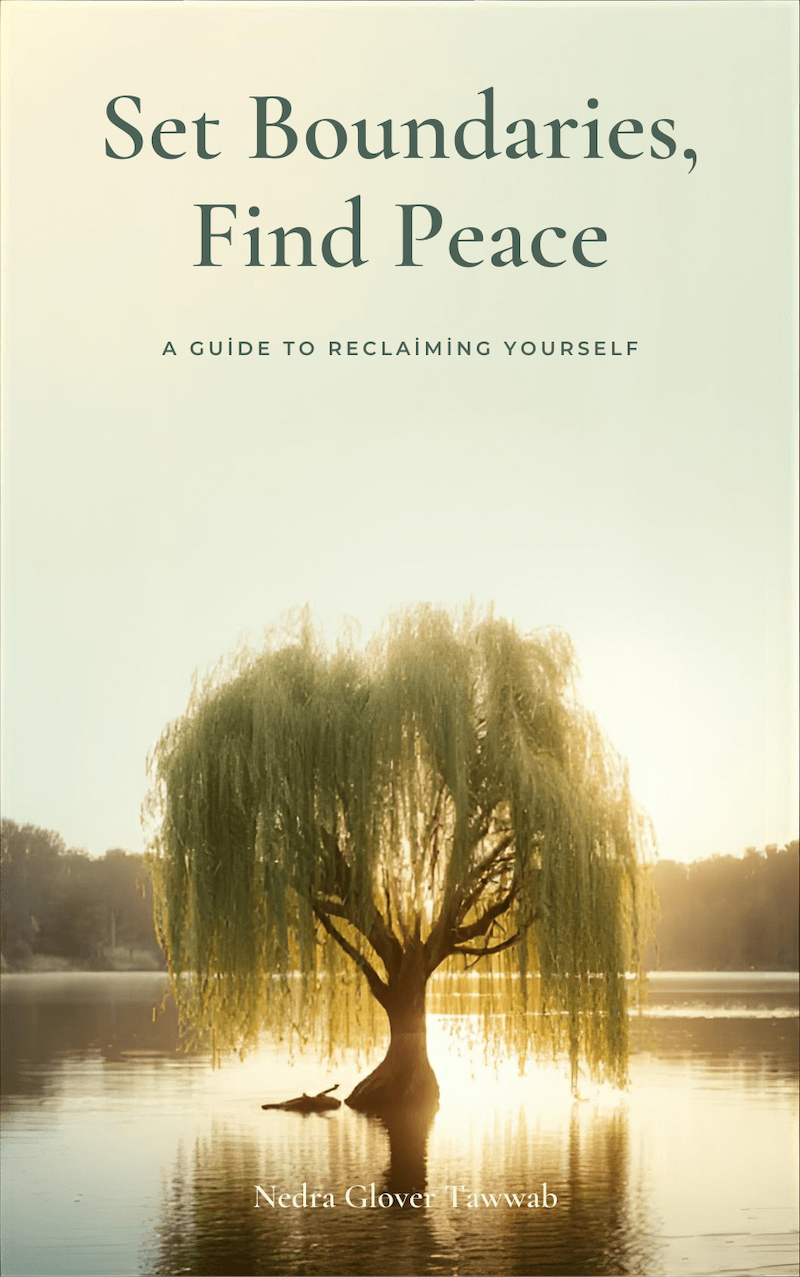
Set Boundaries, Find Peace: A Guide to Reclaiming Yourself Book Summary
This Set Boundaries, Find Peace: A Guide to Reclaiming Yourself Book Summary covers the key ideas, lessons, and takeaways in about 20 minutes.
Short Description:
Set Boundaries, Find Peace teaches boundaries foster respect and emotional health.
The book teaches that boundaries are learned skills. They demand practice, consistency, and self-compassion. They require tolerating discomfort and releasing the belief that we must sacrifice ourselves to be loved. At its core, the message is simple: you deserve relationships where your needs matter, your voice is heard, and your well-being is valued. Boundaries are the pathway to emotional health, stable relationships, and a life that feels purposeful and calm.
Helps with these goals
Preview the Set Boundaries, Find Peace: A Guide to Reclaiming Yourself book summary
Below is a preview of Sumizeit’s comprehensive human-written summary of Set Boundaries, Find Peace: A Guide to Reclaiming Yourself by Nedra Glover Tawwab. The full summary is 15-20 minutes long and covers the book’s key ideas in text, audio, visual, and video formats. Unlock the full 20 Minute Summary
Set Boundaries, Find Peace is a powerful guide that explores how boundaries act as fundamental pillars for mental and emotional well-being. Nedra Glover Tawwab—a licensed therapist deeply experienced in relationship dynamics, trauma, and communication—unpacks why so many people struggle to speak up for their needs, why burnout and resentment are rampant, and how reclaiming control over our personal limits is central to living a calmer and more fulfilling life. The book weaves psychological insights, real-world examples, and actionable tools to help readers stop people-pleasing, break cycles of dysfunction, and rebuild lives that align with their values.
Boundaries, Tawwab argues, are not barriers to intimacy but the foundation upon which healthy connection is built. Without them, relationships become imbalanced, self-abandonment becomes habitual, and internal chaos grows. With them, clarity and emotional safety emerge.
Understanding the Core Purpose of Boundaries
Boundaries represent the standard we set for what is acceptable and unacceptable in our relationships, work environments, conversations, and day-to-day interactions. They act as protective measures that preserve personal energy, respect, and autonomy. Tawwab emphasizes that boundaries are a form of self-care and self-honoring rather than selfishness or coldness.
A person with healthy boundaries can confidently say no without guilt, can ask for help without shame, and can express their thoughts without feeling responsible for how others respond. In contrast, those with weak or nonexistent boundaries often feel overwhelmed, powerless, invisible, or resentful because they repeatedly override their needs to meet everyone else’s expectations.
Boundaries define the emotional, mental, and physical space we need to operate peacefully. Without them, we absorb responsibility that does not belong to us, often leading to exhaustion, anxiety, and depression.
The Consequences of Boundary Problems
Many people suffer from poor boundaries without even realizing that boundary deficiencies are at the root of their distress. Common signs include constantly saying yes out of obligation, avoiding difficult conversations, feeling guilty for having needs, and silently tolerating behavior that feels disrespectful.
Tawwab highlights that people-pleasing is a survival strategy learned early in life—often as a way to avoid conflict or earn approval. Overcommitting, struggling to ask for what we need, or feeling excessive guilt when we disappoint others are all rooted in boundary-avoidance.
Externally, poor boundaries manifest as resentment, passive aggression, emotional explosions, and withdrawing from relationships. Internally, the impact may be severe: chronic stress, low self-esteem, identity confusion, dependency, or emotional numbness. Without boundaries, we feel responsible for other people’s reactions, happiness, and comfort—at the expense of our own peace.
Recognizing the Warning Signs of Boundary Violations
Understanding when boundaries are needed begins with acknowledging the emotional cues that appear when they are crossed. Tawwab encourages readers to pay attention to feelings like dread, tension, irritability, exhaustion, avoidance, or a sense of being drained by someone’s presence.
Some examples of boundary breakdown include: Feeling guilty when prioritizing personal needs Fear of saying no or hurting someone’s feelings Being the person everyone calls to solve problems Feeling unable to express disagreement Allowing others to dictate emotional states Carrying responsibilities that…
Want the complete 20-minute summary?
- Full structured summary
- Video Summary
- Podcast Summary
- Audio summary
- Key takeaways
- Exercises
- Quiz
- Highlights and notes
- Ask the book with AI
Who should read Set Boundaries, Find Peace: A Guide to Reclaiming Yourself?
This book is essential for anyone who struggles with saying no, feels chronically exhausted from overcommitting, or resents the people closest to them. If you find yourself absorbing others' emotions, sacrificing your needs for approval, or feeling invisible in your relationships, Set Boundaries, Find Peace by Nedra Glover Tawwab offers a roadmap to reclaim your well-being. It's particularly valuable for people-pleasers, those recovering from childhood trauma, and anyone seeking healthier, more balanced relationships.
Why does Set Boundaries, Find Peace: A Guide to Reclaiming Yourself matter?
Boundary issues are at the root of burnout, resentment, anxiety, and relationship dysfunction in modern life. In an age of constant accessibility and blurred professional and personal lines, learning to protect your time, energy, and emotional capacity is critical for mental health and authentic connection. Nedra Glover Tawwab's evidence-based approach transforms boundary-setting from a daunting confrontation into a sustainable act of self-respect that strengthens rather than damages relationships.
What are the key themes in Set Boundaries, Find Peace: A Guide to Reclaiming Yourself?
- Boundaries as foundational to emotional health and safety
- People-pleasing as a learned survival strategy rooted in childhood
- Six types of boundaries: physical, emotional, time, material, mental, and sexual
- Clear communication and directness as the cornerstone of boundary enforcement
- Internal boundaries and self-discipline as essential complements to external limits
- Boundary-setting across contexts: family, work, friendships, and romantic relationships
- Overcoming fear of confrontation and disappointing others
- Technology and modern life boundaries in an age of constant connectivity
How can you apply ideas from Set Boundaries, Find Peace: A Guide to Reclaiming Yourself?
- Start small: identify one area of your life where you need a boundary and practice a simple statement like 'I won't be able to take that on' without over-explaining or apologizing
- Create a boundary-setting script and practice it aloud before approaching the conversation, building confidence and reducing anxiety
- Journal about your needs and expectations before relationships escalate into conflict, clarifying what limits you actually need to set
- Set technology boundaries by silencing notifications, scheduling digital breaks, and committing to offline time to protect rest and presence
- Define work boundaries by blocking after-hours communication, clearly stating workload limits, and taking full breaks without guilt
- Establish family boundaries by identifying specific topics you won't discuss, visit frequency, and decisions that are yours alone to make
- Practice tolerating others' disappointment by reminding yourself that their discomfort is temporary and manageable for them
What common mistakes do readers make with Set Boundaries, Find Peace: A Guide to Reclaiming Yourself?
- Over-explaining or justifying your no, which signals that your boundary is negotiable rather than firm
- Apologizing excessively for having needs, which implies you've done something wrong when you're simply advocating for yourself
- Setting a boundary once and assuming the work is done, when consistency and repetition are essential for credibility
- Abandoning your boundary when someone pushes back or expresses hurt, mistaking their discomfort as a sign you were wrong to set it
Sumizeit Exercises Apply what you've learned
Turn ideas from Set Boundaries, Find Peace: A Guide to Reclaiming Yourself into action with a short guided reflection: identify the biggest takeaway, connect it to your life, and commit to one step you can take in the next 24 hours.
What is the expert analysis of Set Boundaries, Find Peace: A Guide to Reclaiming Yourself?
Overview
Set Boundaries, Find Peace: A Guide to Reclaiming Yourself is authored by Nedra Glover Tawwab, a licensed therapist and relationship expert renowned for her work on boundary setting, trauma, and emotional wellness. This book stands out in the self-improvement and psychology landscape by offering a comprehensive, accessible exploration of boundaries as essential tools for mental health and relational harmony. Tawwab’s clinical expertise and engaging prose make complex psychological concepts tangible, positioning the book as a significant contribution to contemporary discussions on self-care and interpersonal dynamics.
Core Thesis
The central argument of the book is that healthy boundaries are foundational—not barriers—to authentic connection, emotional safety, and personal peace. Tawwab asserts that many psychological and relational difficulties stem from weak or nonexistent boundaries, which lead to resentment, burnout, and identity erosion. By learning to set and maintain clear, consistent boundaries across various domains—physical, emotional, time, material, mental, and sexual—individuals can reclaim agency, reduce internal chaos, and cultivate relationships aligned with their values. Boundaries, therefore, are reframed as essential acts of self-respect and self-care rather than selfishness.
Strengths
- Comprehensive Framework: Tawwab’s categorization of boundaries into six distinct types provides readers with a nuanced and practical lens to identify and address boundary issues in diverse aspects of life.
- Accessible Language and Practical Tools: The book excels in translating therapeutic concepts into everyday language, supplemented by actionable strategies such as scripts, communication techniques, and boundary maintenance tactics.
- Integration of Psychological Insight and Real-World Examples: Tawwab skillfully blends clinical knowledge with relatable anecdotes, enhancing the book’s credibility and reader engagement.
- Focus on Internal and External Boundaries: The inclusion of internal boundaries and self-discipline broadens the scope beyond interpersonal interactions, emphasizing holistic self-regulation.
- Addressing Cultural and Developmental Roots: The exploration of childhood conditioning and trauma as underlying causes of boundary challenges adds depth and encourages compassionate self-reflection.
Critiques & Counterarguments
- Potential Oversimplification of Complex Dynamics: While the book’s clarity is a strength, some readers may find that the solutions offered risk underestimating the complexity of entrenched relational patterns, especially in cases involving severe trauma or systemic abuse.
- Limited Engagement with Cultural Variability: The framework largely presumes Western individualistic norms around autonomy and self-expression, potentially overlooking how boundary-setting operates differently in collectivist or culturally interdependent contexts.
- Evidence Base and Nuance: Tawwab’s reliance on clinical experience and anecdotal evidence, while compelling, is not always supplemented with extensive empirical research, which might limit the book’s appeal to academic audiences seeking rigorous validation.
- Counterpoint from Attachment Theory: Some attachment theorists might argue that boundary-setting must be balanced with relational attunement and flexibility, cautioning against rigid boundaries that could inhibit emotional closeness or responsiveness.
- Challenges in Power-Imbalanced Relationships: The book’s strategies may be less effective in contexts where power differentials are pronounced—such as abusive relationships or oppressive workplaces—where boundary-setting could provoke retaliation rather than respect.
Who Should Read This
This book is ideal for readers seeking to enhance their emotional intelligence and interpersonal effectiveness, particularly those who struggle with people-pleasing, burnout, or unclear personal limits. Mental health professionals, coaches, and educators may find Tawwab’s framework a useful tool for client work or teaching. Additionally, individuals interested in practical psychology, self-care, and relational health will appreciate the book’s actionable guidance. However, readers facing severe trauma or systemic abuse should consider this book as a complement to, rather than a substitute for, specialized therapeutic intervention.
Frequently asked questions about the Set Boundaries, Find Peace: A Guide to Reclaiming Yourself book summary
What is Set Boundaries, Find Peace: A Guide to Reclaiming Yourself about?
Set Boundaries, Find Peace by Nedra Glover Tawwab is a practical guide that explains how boundaries are foundational to emotional health, healthy relationships, and personal peace. The book identifies six types of boundaries (physical, emotional, time, material, mental, and sexual), explores why setting boundaries feels difficult, and provides concrete communication strategies and tools for establishing and maintaining limits across family, work, friendship, and romantic contexts. It argues that boundaries are not walls or selfishness, but essential acts of self-care that create clarity, safety, and authentic connection.
Who should read Set Boundaries, Find Peace: A Guide to Reclaiming Yourself?
This book is ideal for people-pleasers, chronic overcommitters, and anyone who struggles with saying no or feels chronically exhausted from prioritizing others' needs above their own. It's especially valuable for those recovering from childhood trauma or neglect, people in unbalanced relationships, professionals experiencing work burnout, and anyone seeking healthier communication patterns. If you feel resentment toward loved ones, struggle to express your needs, or find yourself absorbing others' emotions, Set Boundaries, Find Peace offers a compassionate roadmap to reclaim your well-being.
What are the main takeaways from Set Boundaries, Find Peace: A Guide to Reclaiming Yourself?
The core takeaways include: boundaries are acts of self-care and self-honoring, not selfishness; clear and direct communication is essential for effective boundary-setting; the temporary discomfort of setting a limit is far preferable to lifelong resentment; consistency and repetition reinforce boundary credibility; and you deserve relationships where your needs, voice, and well-being matter. Nedra Glover Tawwab emphasizes that boundaries are learned skills requiring practice, and that tolerating others' disappointment is part of protecting your peace.
What are the six types of boundaries discussed in the book?
The six types of boundaries are: physical (personal space and touch comfort), emotional (protecting your feelings and emotional capacity), time (how you allocate your hours), material (possessions, finances, and resources), mental (beliefs, ideas, and thinking), and sexual (consent, intimacy limits, and expectations). Each category protects different aspects of your well-being and requires reinforcement in specific relationships and contexts.
How do I know when I need to set a boundary?
Common signs that you need a boundary include feeling dread, tension, irritability, exhaustion, or being drained by someone's presence. You may notice patterns like constantly saying yes out of obligation, avoiding difficult conversations, feeling guilty for having needs, tolerating disrespectful behavior in silence, or being unable to express disagreement. When these emotional cues appear consistently, they signal that a boundary is needed and should be addressed.
What's the best way to communicate a boundary without causing conflict?
Use simple, direct statements without over-explaining or apologizing. Examples include 'I won't be able to take that on,' 'I need more notice before visits,' or 'I'm not comfortable discussing that.' Use 'I' statements to focus on your needs rather than blame. Avoid vague hints or assumptions, and remember that boundaries don't require arguments—they require clarity. If someone pushes back, calmly repeat your boundary without defending it.
Why is setting boundaries with family so difficult?
Family boundary-setting is emotionally complex because patterns are deeply ingrained and often tied to how you learned to survive in your original family system. You may fear disappointing parents, losing connection, or being perceived as ungrateful or disrespectful. However, becoming an adult includes establishing autonomy and distinguishing your identity from family expectations. Recognizing that love is not measured in unlimited availability or obedience can help you move forward with compassion while protecting your peace.
What should I do if someone repeatedly violates my boundary?
First, calmly repeat the boundary without getting emotional or defensive. If the violation continues, implement consequences such as limiting access to that person, ending conversations when the boundary is crossed, or removing yourself from situations where it's disregarded. Consistency is key—repeatedly enforcing your boundary shows you're serious about it. Remember that others' discomfort with your boundary is not a reason to abandon your self-respect.
About Sumizeit
Sumizeit is a profitable Scomy LLC company based in Miami, Florida. Our founders, Clemens Raemy and Weina Scott, are successful entrepreneurs with several exits. Sumizeit is a popular book summary app / micro learning app used by busy professionals and entrepreneurs with over 2,500 non-fiction book summaries and 10,000 podcast summaries in text, audio, visual, podcast, and video format. We also have stellar retention tools to make ideas stick - such as flashcards with spaced repetition, quizzes, streaks, highlighting and notes, daily challenges, riddles, mini-courses, meditation, and more. You won't only learn the idea, but also remember it. Over 90% of our users change their habits with Sumizeit.
Upgrade Now
Here's why readers love Sumizeit
Join thousands of learners getting smarter every day
"Great experience. Detailed summaries. Loved the gamification feature. Makes learning fun. Good customer service. I recommend Sumizeit to anyone. You'll learn a lot."
"I always felt busy but still wanting to keep up with the book discussion in my friend group. This was a great supplement to help me keep reading the books I find fun while keeping up with important books."
"I love this website. Instead of scrolling social media, I find myself learning a lot. I use it everyday. I recommend this app for anyone who is too busy and wants to get up to speed with their favorite books."
Set Boundaries, Find Peace: A Guide to Reclaiming Yourself Book Summary PDF
Looking for a Set Boundaries, Find Peace: A Guide to Reclaiming Yourself Book Summary PDF you can save and revisit offline? Our Set Boundaries, Find Peace: A Guide to Reclaiming Yourself Book Summary PDF captures the book’s core ideas in a clean, printable format — the key frameworks, takeaways, and structure without the fluff. Download the Set Boundaries, Find Peace: A Guide to Reclaiming Yourself Book Summary PDF when you want a reference you can annotate, share with your team, or review on the go. Get your Set Boundaries, Find Peace: A Guide to Reclaiming Yourself Book Summary PDF from the download page below.
Download Set Boundaries, Find Peace: A Guide to Reclaiming Yourself Book Summary PDFPeople also liked these summaries
Readers who explored Set Boundaries, Find Peace: A Guide to Reclaiming Yourself often enjoyed these titles next.


Ready to read the whole thing?
- Full structured summary
- Video Summary
- Podcast Summary
- Audio summary
- Key takeaways
- Exercises
- Quiz
- Highlights and notes
- Ask the book with AI
Featured Book Titles
Popular Book Summaries at sumizeit, leading book summary app