


Prefer the print book? Buy on Amazon
As an Amazon Associate, Sumizeit earns from qualifying purchases.
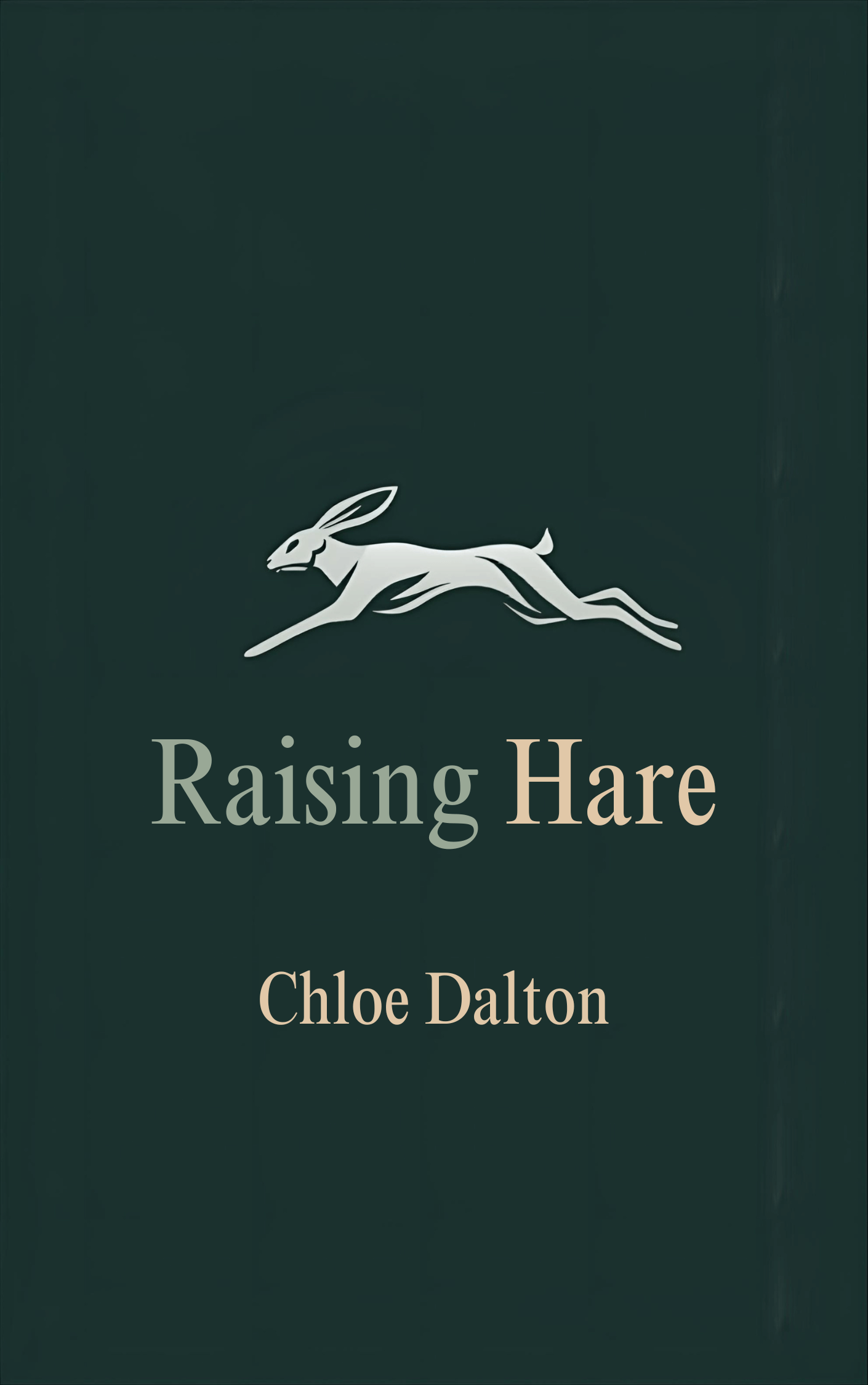
Raising Hare Book Summary
This Raising Hare Book Summary covers the key ideas, lessons, and takeaways in about 20 minutes.
Raising Hare teaches trust through respect and coexistence.
The book also serves as a gentle yet urgent reminder of humanity’s responsibility toward the natural world. Individual acts of kindness matter, but they must be accompanied by structural changes that make space for other species to exist. By slowing down, noticing more, and choosing coexistence over convenience, humans can rediscover forms of meaning that are rooted in care rather than consumption.
Helps with these goals
Want the complete 20-minute summary?
- Full structured summary
- Video Summary
- Podcast Summary
- Audio summary
- Key takeaways
- Exercises
- Quiz
- Highlights and notes
- Ask the book with AI
Want a Free Weekly Read?
Get a free summary every week straight to your mailbox.
Preview the Raising Hare book summary
Below is a preview of Sumizeit’s comprehensive human-written summary of Raising Hare by Chloe Dalton. The full summary is 15-20 minutes long and covers the book’s key ideas in text, audio, visual, and video formats. Unlock the full 20 Minute Summary
The story begins not with intention, planning, or expertise, but with impulse. During a bitter winter in the countryside, the author comes across a tiny hare, motionless in a field and exposed to the cold. At first glance, it appears abandoned, fragile, and unlikely to survive. She hesitates, knowing just enough about wildlife to realize that interfering with wild animals is often discouraged. Yet instinct overrides caution. She decides to carry the small creature home temporarily, promising herself that she will return it at nightfall if possible.
This moment is pivotal not because it is heroic, but because it is uncertain. The author does not act with confidence or authority; she acts with doubt. She has no clear plan, no training, and no assurance that she is doing the right thing. A conservationist she contacts offers a blunt assessment: the leveret will almost certainly die. Still, she continues, guided by a half-remembered sense of her mother’s natural ease with animals and a feeling that leaving the hare alone would be a greater failure.
From the outset, the author’s inexperience is clear. The hare is astonishingly small, lighter than expected, and already alert. It can see, move, and react—qualities that unsettle her assumptions. Unlike many baby animals, this one does not appear helpless in the usual way. Yet its vulnerability is unmistakable. She improvises care with what she has on hand, including kitten milk and a small pipette borrowed from cosmetics tools. Feeding becomes a delicate ritual, filled with anxiety that one wrong movement could end the animal’s life.
As days pass, what was meant to be a temporary act becomes a sustained responsibility. The author finds herself tethered to this fragile being during a period when the world outside has slowed dramatically. Confined to the countryside by the pandemic, she is cut off from her former life of constant movement, deadlines, and international crises. The leveret becomes the focus of her days, quietly reshaping how she experiences time, attention, and purpose.
Learning the Difference Between Familiar Assumptions and Biological Reality
As the author cares for the hare, she quickly realizes how little she truly knows. One of the first lessons is that hares are not simply large rabbits. Though commonly grouped together in casual conversation, the two animals differ profoundly in biology, behavior, and survival strategies. These differences are not minor details; they shape every aspect of how a hare lives and dies.
Hares are significantly larger than rabbits and are built for speed rather than concealment underground. While rabbits are born blind, hairless, and dependent within burrows, leverets enter the world already equipped for danger. They are born fully furred, eyes open, and capable of movement within hours. Instead of nests, they occupy shallow hollows in open ground, relying on stillness and camouflage rather than physical shelter.
This knowledge reframes the author’s original discovery. What she assumed was abandonment may have been a natural state.
Want the complete 20-minute summary?
- Full structured summary
- Video Summary
- Podcast Summary
- Audio summary
- Key takeaways
- Exercises
- Quiz
- Highlights and notes
- Ask the book with AI
Who should read Raising Hare?
Raising Hare is for anyone seeking to understand their relationship with nature and wildlife, particularly those feeling disconnected from the natural world or questioning the pace of modern life. It appeals to readers interested in animal behavior, conservation, and personal transformation through unexpected encounters with the wild. The book resonates with people who value observation over action and those curious about what happens when we prioritize respect and restraint in our interactions with other species.
Why does Raising Hare matter?
Raising Hare challenges the narratives we inherit about animals and ourselves, showing how slowing down and paying attention can fundamentally reshape our values and priorities. In an age of agricultural intensification and environmental loss, Chloe Dalton's story offers both a personal meditation on what genuine coexistence looks like and an urgent call for systemic change in how humans share space with wildlife. The book matters because it bridges individual acts of kindness with broader responsibility, demonstrating that meaningful environmental care begins with witnessing rather than controlling.
What are the key themes in Raising Hare?
- The gap between inherited myths and observed reality
- Vulnerability hidden beneath elegance and speed
- Trust built through restraint and respect rather than dominance
- The transformative power of slowing down and sustained attention
- Motherhood, care, and the necessity of letting go
- Coexistence over convenience
- The hidden costs of agricultural efficiency
Want the complete 20-minute summary?
- Full structured summary
- Video Summary
- Podcast Summary
- Audio summary
- Key takeaways
- Exercises
- Quiz
- Highlights and notes
- Ask the book with AI
How can you apply ideas from Raising Hare?
- Plant native hedgerows and trees to restore shelter and connectivity for local wildlife populations
- Allow areas of land to grow wild and overgrown rather than maintaining constant tidiness, creating habitat for vulnerable species
- Observe and learn the names, seasons, and ecological roles of plants and animals in your local area
- Advocate for farming practices that leave field margins and avoid cutting grass during nesting and birthing seasons when young are most vulnerable
- Practice patience and restraint in interactions with wild animals, approaching with minimal noise and sudden movements to build genuine trust
- Restore degraded habitats like ponds and wetlands to support amphibians, insects, and the broader food chain
- Recognize that efficiency in human systems often carries hidden costs paid by wildlife, and push for sustainable alternatives
What common mistakes do readers make with Raising Hare?
- Assuming hares are simply large rabbits rather than recognizing their distinct biology, behavior, and ecological needs
- Mistaking a mother hare's natural practice of leaving her young alone for abandonment or neglect
- Believing that slowing down and noticing nature's details is a luxury rather than a fundamental form of understanding and care
- Thinking that individual acts of rescue or kindness are sufficient without addressing the systemic threats driving species toward vulnerability
Sumizeit Exercises Apply what you've learned
Turn ideas from Raising Hare into action with a short guided reflection: identify the biggest takeaway, connect it to your life, and commit to one step you can take in the next 24 hours.
What is the expert analysis of Raising Hare?
Overview
Raising Hare is a contemplative and intimate work by Chloe Dalton, a writer known for her nuanced exploration of human relationships with the natural world. This book stands out in contemporary nature writing by blending personal narrative with ecological insight, offering a rare and thoughtful meditation on coexistence with wild animals. Dalton’s background, marked by a shift from a high-pressure professional life to a slower, more attentive engagement with nature, enriches the text with authenticity and depth. The book’s significance lies in its capacity to challenge prevailing cultural myths about wildlife and to propose a more humble, respectful mode of interaction between humans and nonhuman creatures.
Core Thesis
At its core, Raising Hare argues that true connection with the wild requires surrendering control and embracing uncertainty, patience, and respect. Dalton’s experience caring for a leveret during a pandemic-induced pause in her life reveals that wildness is not something to be tamed or owned but a quality to be honored through observation and restraint. The book advances the insight that human survival and flourishing depend on recognizing the intrinsic value of other species and restructuring human practices—especially in agriculture and land use—to accommodate rather than dominate the natural world. It is a call to reimagine progress by prioritizing ecological balance and mutual respect over efficiency and exploitation.
Strengths
- Evocative Personal Narrative: Dalton’s storytelling is both intimate and precise, capturing the fragility and dignity of the hare with a rare sensitivity that invites readers into a deeply empathetic space.
- Scientific and Cultural Reframing: The book excels at dismantling common misconceptions about hares, distinguishing them from rabbits with detailed biological and behavioral insights that enrich the reader’s understanding.
- Ethical Reflection: Rather than sentimentalizing the rescue, Dalton maintains a critical awareness of the complexities and potential unintended consequences of human intervention in wildlife, which lends intellectual rigor to the narrative.
- Integration of Ecology and Philosophy: The text thoughtfully weaves ecological realities with broader philosophical questions about time, attention, and human ambition, making it relevant beyond natural history enthusiasts.
- Call for Systemic Change: The author’s transition from individual care to environmental activism grounds the personal story in urgent ecological concerns, providing a hopeful blueprint for coexistence.
Critiques & Counterarguments
- Limited Scope of Evidence: While the personal narrative is compelling, the book relies heavily on anecdotal experience and selective scientific facts, which may not fully capture the complexity of hare ecology or broader conservation challenges.
- Potential Romanticization of Wildness: Although Dalton strives for restraint, her emphasis on the hare’s “dignity” and “quiet authority” risks anthropomorphizing the animal, which can obscure the harsh realities of nature’s indifference.
- Oversimplification of Human-Wildlife Interaction: The book suggests that coexistence is primarily a matter of human attitude and small-scale habitat restoration, but this may underplay the scale of industrial agriculture’s impact and the socio-economic forces driving environmental degradation.
- Competing Ecological Perspectives: Some conservation biologists argue that interventionist strategies, including wildlife rescue and rehabilitation, are necessary in landscapes already heavily altered by humans—contrasting with Dalton’s cautious approach to interference.
- Philosophical Counterpoint: Schools of thought rooted in eco-modernism might critique the book’s implicit valorization of “slowness” and “natural rhythms” as impractical or nostalgic in the face of urgent climate crises requiring rapid technological and policy responses.
Who Should Read This
Raising Hare is ideal for readers interested in nature writing that transcends mere description to engage with ethical and philosophical questions about human-nature relationships. It will appeal to those who appreciate reflective, lyrical prose and seek a deeper understanding of wildlife beyond popular myths. Environmentalists, conservationists, and advocates for sustainable agriculture will find the book’s call for systemic change compelling, while readers drawn to mindfulness, slow living, and the psychology of attention will resonate with Dalton’s personal transformation. However, those looking for rigorous scientific analysis or policy prescriptions may find the book’s approach more evocative than exhaustive.
Frequently asked questions about the Raising Hare book summary
What is Raising Hare about?
Raising Hare by Chloe Dalton is a memoir about the author's unexpected decision to care for a vulnerable leveret during a harsh winter, and how this experience fundamentally transforms her understanding of wildlife, attention, and what it means to coexist with nature. What begins as an impulsive rescue act evolves into a profound meditation on trust, wildness, and the costs of modern agricultural practices, ultimately revealing how proximity to another species can reshape human values and priorities.
Who should read Raising Hare?
Raising Hare is for anyone seeking to understand their relationship with nature and wildlife, those questioning the pace of modern life, and readers interested in animal behavior and conservation. It appeals to people who value quiet observation over action, those curious about genuine coexistence with other species, and anyone looking to reconnect with forms of meaning rooted in care rather than consumption.
What are the main takeaways from Raising Hare?
The main takeaways include: hares are distinct creatures whose biology and behavior differ profoundly from rabbits; wildness can be honored through restraint and respect rather than control; slowing down and paying attention reveals both the extraordinary capabilities and hidden vulnerabilities of other species; and individual acts of kindness must be paired with systemic changes to protect wildlife. The book ultimately teaches that trust is built through consistency and humility, and that true coexistence requires reimagining progress beyond efficiency toward sustainability and mutual benefit.
How does Chloe Dalton build trust with the hare?
Dalton builds trust not through training or control, but through restraint and adaptation. She lowers her voice, avoids sudden movements, minimizes artificial scents, and deliberately leaves doors open so the hare can come and go freely. Rather than attempting to make the hare into a pet, she practices what she calls hospitality through silence, allowing the animal to choose connection on its own terms. Over time, the hare responds by returning voluntarily, sleeping near her, and even giving birth in her presence—all acts of extraordinary trust rooted in the consistency of her respectful approach.
What does Raising Hare reveal about modern agriculture?
Raising Hare reveals that modern agricultural practices—particularly large machinery, pesticides, hedgerow removal, and rapid crop cycles—are devastating to hare populations in ways that remain largely invisible to those operating the machines. The author witnesses hares killed instantly during harvests and finds dead and injured young scattered across fields after ploughing. These scenes transform abstract statistics into visceral reality, showing how efficiency and output come at a hidden cost paid by animals unable to flee in time and unable to find food or shelter in simplified landscapes.
How does the hare's motherhood challenge common assumptions?
The hare mother demonstrates fierce, precise care that contradicts claims in some scientific literature that hares are inattentive parents. Dalton witnesses the mother feeding her young multiple times nightly, maintaining cleanliness, and driving away predators with startling aggression. Her discipline—physically nudging young back into cover during dangerous daylight hours—is firm and purposeful, shaped entirely by survival rather than sentiment. This lived observation reveals that motherhood in the wild is simultaneously nurturing and ruthlessly practical.
What is the significance of the author not naming the hare?
By deliberately avoiding naming the hare, the author resists the emotional framing that would turn the animal into a pet, keeping it rooted in its wild nature. This restraint becomes an act of respect and commitment to preserving the hare's autonomy and instincts rather than reshaping it to fit human categories of companionship. The unnamed hare remains herself, independent and free, rather than becoming property or extension of the author's identity.
How does caring for the hare change the author's relationship with time and attention?
The daily demands of caring for the hare pull the author away from the urgency and distraction that defined her former career, gradually rewiring her awareness to notice details once overlooked—changing light, bird behavior, plant species and their seasons. This slower pace of attention creates a sense of belonging and place-based knowledge that her previous fast-paced life did not allow. She recognizes that her former ambition was driven by pressure rather than genuine preference, and begins redefining meaning around alignment and sustainability rather than achievement and speed.
About Sumizeit
Sumizeit is a profitable Scomy LLC company based in Miami, Florida. Our founders, Clemens Raemy and Weina Scott, are successful entrepreneurs with several exits. Sumizeit is a popular book summary app / micro learning app used by busy professionals and entrepreneurs with over 2,500 non-fiction book summaries and 10,000 podcast summaries in text, audio, visual, podcast, and video format. We also have stellar retention tools to make ideas stick - such as flashcards with spaced repetition, quizzes, streaks, highlighting and notes, daily challenges, riddles, mini-courses, meditation, and more. You won't only learn the idea, but also remember it. Over 90% of our users change their habits with Sumizeit.
Upgrade Now
Want the complete 20-minute summary?
- Full structured summary
- Video Summary
- Podcast Summary
- Audio summary
- Key takeaways
- Exercises
- Quiz
- Highlights and notes
- Ask the book with AI
Here's why readers love Sumizeit
Join thousands of learners getting smarter every day
"Great experience. Detailed summaries. Loved the gamification feature. Makes learning fun. Good customer service. I recommend Sumizeit to anyone. You'll learn a lot."
"I always felt busy but still wanting to keep up with the book discussion in my friend group. This was a great supplement to help me keep reading the books I find fun while keeping up with important books."
"I love this website. Instead of scrolling social media, I find myself learning a lot. I use it everyday. I recommend this app for anyone who is too busy and wants to get up to speed with their favorite books."
Raising Hare Book Summary PDF
Looking for a Raising Hare Book Summary PDF you can save and revisit offline? Our Raising Hare Book Summary PDF captures the book’s core ideas in a clean, printable format — the key frameworks, takeaways, and structure without the fluff. Download the Raising Hare Book Summary PDF when you want a reference you can annotate, share with your team, or review on the go. Get your Raising Hare Book Summary PDF from the download page below.
Download Raising Hare Book Summary PDFPeople also liked these summaries
Readers who explored Raising Hare often enjoyed these titles next.



Want the complete 20-minute summary?
- Full structured summary
- Video Summary
- Podcast Summary
- Audio summary
- Key takeaways
- Exercises
- Quiz
- Highlights and notes
- Ask the book with AI
Featured Book Titles
Popular Book Summaries at sumizeit, leading book summary app