


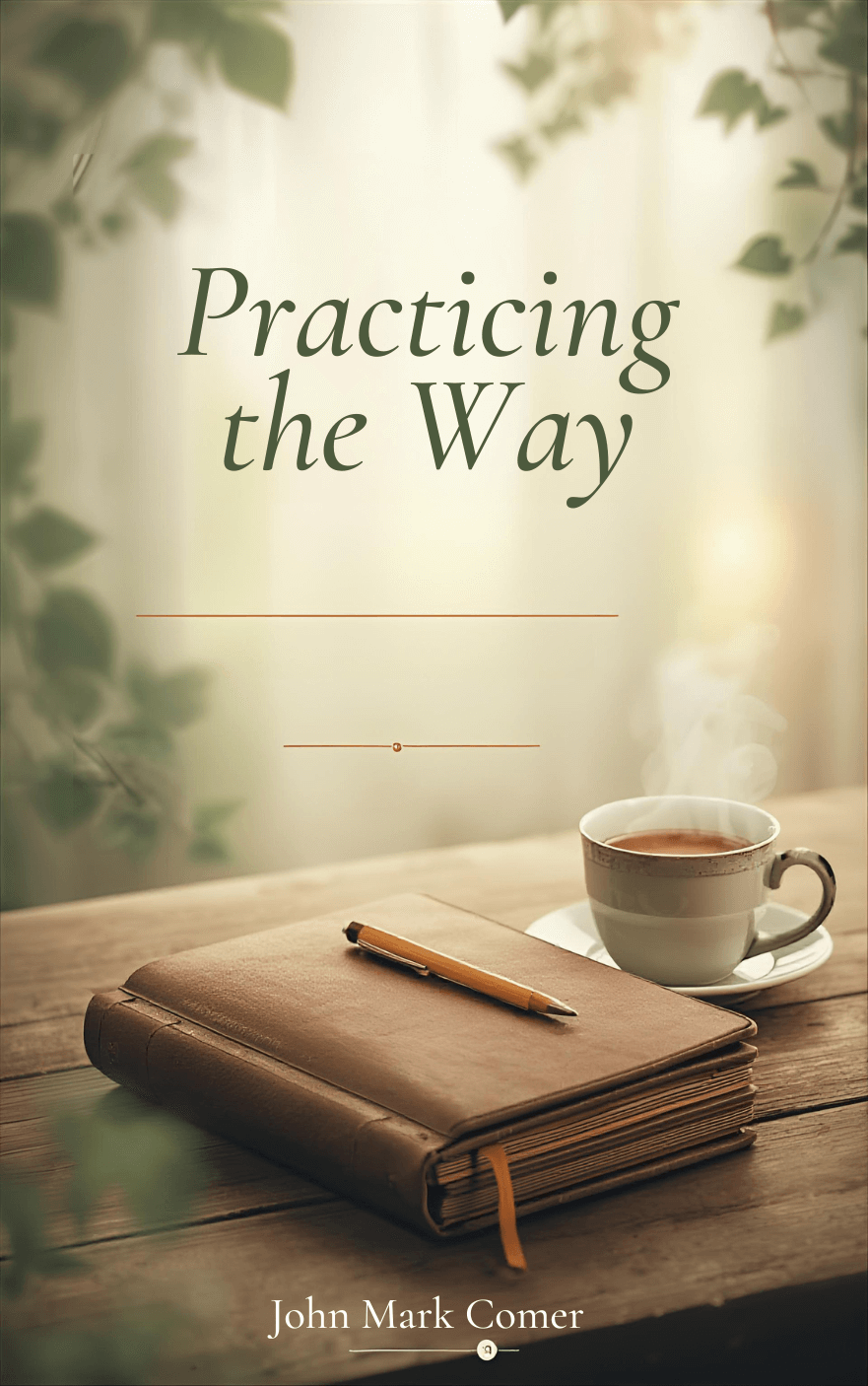
Prefer the print book? Buy on Amazon
As an Amazon Associate, Sumizeit earns from qualifying purchases.
Practicing the Way Book Summary
This Practicing the Way Book Summary covers the key ideas, lessons, and takeaways in about 20 minutes.
Short Description:
Rediscover discipleship through daily practices that shape a Christ-centered life
Ultimately, the book calls for a return to depth in a shallow age. Comer reminds readers that transformation does not happen accidentally. It happens through practice, patience, and presence. By choosing to apprentice under Jesus — not merely admire him — people are invited into a way of life marked by peace, love, and genuine flourishing that no modern substitute can provide.
Helps with these goals
Preview the Practicing the Way book summary
Below is a preview of Sumizeit’s comprehensive human-written summary of Practicing the Way by John Mark Comer. The full summary is 15-20 minutes long and covers the book’s key ideas in text, audio, visual, and video formats. Unlock the full 20 Minute Summary
At the heart of Practicing the Way, John Mark Comer challenges a deeply rooted assumption in modern Christianity: that believing in Jesus is the same thing as following him. Comer argues that over time, faith has been reduced to agreement with ideas, attendance at religious gatherings, or moral alignment with Christian values. Yet, according to the teachings of Jesus himself, none of these were the true invitation.
Jesus did not ask people to join a religion, adopt a label, or simply believe correct doctrines. His invitation was far more personal and demanding: come and learn from me. To follow Jesus was to enter into a lifelong process of transformation, one that reshaped how people thought, loved, worked, rested, and related to others.
Comer insists that Christianity was never meant to be a passive identity. Instead, it was intended to be a way of life — one that requires intentional formation. Without that formation, people may sincerely believe in Jesus while living in ways nearly indistinguishable from the surrounding culture.
The book opens with a sobering realization: many people admire Jesus, agree with his teachings, and even feel emotionally connected to him — yet very few actually organize their lives around becoming like him.
Moving Beyond Religious Labels
One of Comer’s central arguments is that the word “Christian” has lost much of its original meaning. In many modern contexts, it has become a cultural identifier rather than a description of lived devotion. People may identify as Christian because of upbringing, tradition, or values, while rarely asking what Jesus actually intended for his followers.
Jesus himself never used the term “Christian.” Instead, he invited people to become his students — apprentices who would learn how to live by observing him closely. This distinction matters deeply. An apprentice does not merely study ideas; they adopt the lifestyle of their teacher.
In the ancient world, apprentices followed their teacher everywhere. They listened, watched, practiced, failed, tried again, and gradually absorbed the teacher’s way of being. Over time, their instincts, reactions, and priorities began to resemble their mentor’s.
Comer argues that reclaiming this understanding radically reshapes faith. The question is no longer, “Do I believe in Jesus?” but rather, “Am I becoming like him?”
The High Cost of True Commitment
Throughout the Gospels, large crowds were drawn to Jesus. They admired his compassion, wisdom, and miracles. Yet when he clarified what following him required — surrender, sacrifice, humility, and obedience — many walked away.
Comer highlights this tension to show that fascination with Jesus is not the same as devotion. People often want the comfort Jesus offers without the transformation he demands.
Following Jesus requires rearranging one’s life. It involves letting go of control, reevaluating ambitions, and allowing one’s values to be reshaped. This is uncomfortable and often inconvenient. As a result, many prefer admiration over apprenticeship.
Jesus never hid the cost. He did not coerce or manipulate. He invited people freely and allowed them to decline freely.
Want the complete 20-minute summary?
- Full structured summary
- Video Summary
- Podcast Summary
- Audio summary
- Key takeaways
- Exercises
- Quiz
- Highlights and notes
- Ask the book with AI
Who should read Practicing the Way?
Practicing the Way is for Christians who sense that their faith feels shallow or disconnected from daily life. If you admire Jesus but wonder whether your actual lifestyle reflects his teachings, or if you've realized that believing correct doctrine doesn't automatically produce meaningful transformation, this book speaks directly to you. It's also valuable for anyone seeking to move beyond religious labels and social Christianity toward genuine, lived discipleship.
Why does Practicing the Way matter?
In an age of distraction and shallow engagement, John Mark Comer's Practicing the Way challenges the modern assumption that faith is primarily about mental agreement rather than life transformation. The book matters because it recovers an ancient understanding of discipleship that has largely been lost—that following Jesus is not a passive identity but an active apprenticeship requiring intentional formation. As culture constantly pulls people toward distraction, productivity, and self-centered living, this book offers a counter-narrative grounded in practices that actually reshape how people think, love, work, and relate to others.
What are the key themes in Practicing the Way?
- Discipleship as lifelong apprenticeship rather than momentary belief
- The distinction between admiring Jesus and actually becoming like him
- Spiritual formation through intentional practices and habits
- Reclaiming presence and attentiveness in a distracted world
- Inner transformation as the source of genuine outward change
- Living countercultural values in opposition to modern narratives
- Grace and confession as pathways to freedom and healing
- Participation in God's renewal of the world through everyday actions
How can you apply ideas from Practicing the Way?
- Establish a daily practice of silence or prayer to cultivate ongoing awareness of Jesus throughout ordinary moments—work, conversations, family conflicts, and routine tasks
- Implement rhythms of rest and sabbath to counter cultural pressure toward constant productivity and busyness
- Practice regular confession or honest reflection to acknowledge failures and vulnerabilities, freeing yourself from shame and defensiveness
- Engage scripture intentionally not for information but for formation—reading slowly to let teachings reshape your desires and values
- Choose specific acts of generosity, hospitality, peacemaking, or care that align with Jesus' example in your daily context
- Evaluate your daily habits and schedules through the lens of the three aims of apprenticeship: remaining connected to Jesus, developing inner character like his, and participating in his renewal work
- Practice fasting or other spiritual disciplines to loosen attachment to comfort and status, redirecting desire toward what truly matters
What common mistakes do readers make with Practicing the Way?
- Assuming that intellectual agreement with Christian doctrine is the same as following Jesus—missing that discipleship requires embodied practice and lifestyle change
- Treating faith as a compartment separate from work, relationships, and daily decisions rather than integrating it throughout all of life
- Relying on willpower and self-improvement to achieve transformation rather than partnering with the Holy Spirit through practices that create space for God's work
- Consuming spiritual information through books, podcasts, and sermons without allowing it to reshape actual behavior—mistaking knowledge for formation
- Attempting to maintain cultural success narratives while claiming to follow Jesus, rather than recognizing the incompatibility between worldly ambition and countercultural discipleship
Sumizeit Exercises Apply what you've learned
Turn ideas from Practicing the Way into action with a short guided reflection: identify the biggest takeaway, connect it to your life, and commit to one step you can take in the next 24 hours.
What is the expert analysis of Practicing the Way?
Overview
Practicing the Way is a significant contribution to contemporary Christian literature authored by John Mark Comer, a pastor and teacher renowned for his focus on spiritual formation within the context of modern life. Comer challenges prevailing assumptions in modern Christianity that equate faith merely with intellectual assent or cultural identity. Instead, he advocates a return to the ancient model of discipleship as apprenticeship—an immersive, transformative process of becoming like Jesus in thought, character, and action. The book’s significance lies in its call to reclaim depth and intentionality in spiritual life, addressing a widespread sense of superficiality in contemporary faith practice.
Core Thesis
Comer’s central argument is that true Christian faith is not about passive belief or cultural affiliation but about active, lifelong apprenticeship to Jesus. He contends that Christianity has been diluted into a set of beliefs or moral codes, losing its original invitation to “come and learn” from Jesus through embodied practice and transformation. The essence of discipleship, according to Comer, involves a holistic reshaping of the individual’s mind, heart, and behavior through intentional spiritual habits, ongoing awareness of Jesus’ presence, and participation in the renewal of the world. This apprenticeship is not self-driven but depends on a dynamic partnership with the Holy Spirit, emphasizing dependence over self-effort.
Strengths
- Holistic Approach: Comer adeptly integrates theological insight with practical spirituality, offering a comprehensive vision that encompasses belief, character formation, and social engagement.
- Reclamation of Ancient Practices: The book’s emphasis on apprenticeship and ancient spiritual disciplines provides a refreshing corrective to the prevalent information-heavy but transformation-light model of faith.
- Cultural Critique: Comer’s analysis of how modern culture’s values—such as productivity, status, and self-actualization—conflict with Jesus’ way is insightful and timely, encouraging readers to critically examine their own assumptions.
- Pastoral Sensitivity: The recognition of the cost of discipleship, coupled with the assurance of grace and the rejection of coercion, offers a compassionate and realistic portrayal of spiritual growth.
- Practical Application: The book provides tangible practices—prayer, solitude, fasting, reflection—that readers can adopt to cultivate ongoing awareness of Jesus and reshape their desires and behaviors.
Critiques & Counterarguments
- Potential Oversimplification of Faith Traditions: Comer’s strict dichotomy between belief and practice may underappreciate the diversity within Christian traditions where intellectual assent and communal identity also play formative roles in discipleship.
- Limited Engagement with Broader Theological Debates: The book largely sidesteps complex theological discussions about salvation, grace, and sanctification that have nuanced implications for understanding transformation and effort.
- Risk of Idealizing Ancient Apprenticeship: While the apprenticeship model is compelling, it may romanticize first-century contexts without fully addressing how such models translate into highly pluralistic and digitally mediated contemporary settings.
- Counterpoint from Psychological Research: Modern psychology suggests that transformation often requires cognitive restructuring and community support beyond individual practices, indicating that Comer’s emphasis on personal habits might need to be complemented by systemic and relational factors.
- Alternative Spiritualities and Secular Humanism: The book’s insistence on divine partnership and spiritual disciplines may not resonate with those outside Christian frameworks, who might argue for ethical and character development through secular means without spiritual apprenticeship.
Who Should Read This
Practicing the Way is ideal for readers who are spiritually curious or committed Christians seeking to deepen their faith beyond intellectual belief or cultural identity. It will resonate with those who feel disillusioned by superficial religious practices and desire a more embodied, intentional, and transformative spirituality. Pastors, spiritual directors, and educators may find Comer’s framework useful for guiding others toward holistic discipleship. Additionally, readers interested in the intersection of ancient wisdom and contemporary life, especially within the context of countercultural movements, will appreciate the book’s insights and practical guidance.
Frequently asked questions about the Practicing the Way book summary
What is Practicing the Way about?
Practicing the Way by John Mark Comer is about reclaiming the true meaning of discipleship as a lifelong apprenticeship under Jesus rather than a passive religious identity. The book challenges the modern assumption that faith is merely about believing correct doctrine, arguing instead that Jesus invited people to become his students—to learn his way of living through daily practices that gradually transform how they think, love, work, and relate to others. Comer emphasizes that genuine discipleship integrates three aims: maintaining connection to Jesus, developing his inner character, and participating in his work of renewal in the world.
What are the main takeaways from Practicing the Way?
The main takeaways from Practicing the Way include: (1) Faith is an embodied journey of becoming like Jesus through intentional practice, not a one-time decision or intellectual agreement; (2) Transformation requires deliberate daily habits—practices like prayer, silence, rest, and fasting—that reshape desire and instinct over time; (3) Inner character change precedes genuine outer action, and this change is a partnership with the Holy Spirit, not self-improvement through willpower; (4) Discipleship naturally extends to participating in God's renewal of the world through everyday acts of generosity, hospitality, and care; and (5) True freedom and fulfillment come through surrendering to Jesus' countercultural way rather than pursuing modern culture's narratives of success, efficiency, and status.
How does Practicing the Way define discipleship?
In Practicing the Way, Comer defines discipleship as intentional apprenticeship under Jesus—not membership in a religion or intellectual agreement with doctrines. Drawing from first-century Jewish culture, he explains that ancient apprentices did not merely attend lectures but lived with their teacher, learning through observation and practice how to adopt his way of being. For modern disciples, this means organizing daily life around becoming like Jesus through spiritual practices, maintaining ongoing awareness of his presence, developing his character traits (especially love), and participating in his work in the world. Discipleship is a lifelong process of transformation, not a destination.
What spiritual practices does Practicing the Way emphasize?
Practicing the Way emphasizes intentional spiritual practices including prayer, silence, solitude, fasting, rest, and engaged scripture reading. Comer explains these are not meant to impress God or measure spiritual success but function as pathways through which transformation flows. For example, practicing rest counters society's obsession with productivity, silence disrupts constant stimulation, fasting loosens attachment to comfort, and scripture reorients values. Together, these habits retrain desire and gradually reshape a person's instincts, reactions, and priorities to align with Jesus' way of living.
How does Practicing the Way address modern distraction and busyness?
Comer argues that modern life trains people to live in constant mental fragmentation through notifications, alerts, and stimulation, making genuine spiritual formation nearly impossible. He emphasizes that disciples must deliberately retrain attention through practices like silence, prayer, and solitude to cultivate ongoing awareness of Jesus throughout the day. This is not mystical escapism but deeply practical—learning to carry awareness of God into work meetings, family conflicts, and routine tasks. By resisting culture's constant busyness and intentionally practicing presence, people can slow down enough for true transformation to occur.
Does Practicing the Way suggest Christianity is too difficult or demanding?
Comer does not shy away from the cost of discipleship—following Jesus involves real loss and often places disciples at odds with cultural expectations. However, he emphasizes that what is gained far outweighs what is surrendered. A life shaped by love, grounded in genuine purpose, and aligned with truth offers depth and fulfillment that surface success cannot replicate. The way is not easy, but it is deeply meaningful. Additionally, Comer stresses that transformation is not achieved through willpower alone but through partnership with the Holy Spirit, making growth possible rather than an impossible self-improvement project.
What is the relationship between grace and transformation in Practicing the Way?
In Practicing the Way, Comer emphasizes that transformation requires both honest acknowledgment of failures and trust in grace. He argues that people must confront pride, resentment, and selfishness without falling into shame, and that healing comes from truth paired with compassion, not from self-condemnation. Through confession and openness, people experience internal freedom—no longer driven by hidden shame or defensiveness. Grace does not deny wrongdoing; it redeems it. This understanding guards against burnout and pride, reframing discipleship not as self-improvement through effort alone but as a partnership with God's transforming power.
About Sumizeit
Sumizeit is a profitable Scomy LLC company based in Miami, Florida. Our founders, Clemens Raemy and Weina Scott, are successful entrepreneurs with several exits. Sumizeit is a popular book summary app / micro learning app used by busy professionals and entrepreneurs with over 2,500 non-fiction book summaries and 10,000 podcast summaries in text, audio, visual, podcast, and video format. We also have stellar retention tools to make ideas stick - such as flashcards with spaced repetition, quizzes, streaks, highlighting and notes, daily challenges, riddles, mini-courses, meditation, and more. You won't only learn the idea, but also remember it. Over 90% of our users change their habits with Sumizeit.
Upgrade Now
Here's why readers love Sumizeit
Join thousands of learners getting smarter every day
"Great experience. Detailed summaries. Loved the gamification feature. Makes learning fun. Good customer service. I recommend Sumizeit to anyone. You'll learn a lot."
"I always felt busy but still wanting to keep up with the book discussion in my friend group. This was a great supplement to help me keep reading the books I find fun while keeping up with important books."
"I love this website. Instead of scrolling social media, I find myself learning a lot. I use it everyday. I recommend this app for anyone who is too busy and wants to get up to speed with their favorite books."
Practicing the Way Book Summary PDF
Looking for a Practicing the Way Book Summary PDF you can save and revisit offline? Our Practicing the Way Book Summary PDF captures the book’s core ideas in a clean, printable format — the key frameworks, takeaways, and structure without the fluff. Download the Practicing the Way Book Summary PDF when you want a reference you can annotate, share with your team, or review on the go. Get your Practicing the Way Book Summary PDF from the download page below.
Download Practicing the Way Book Summary PDFPeople also liked these summaries
Readers who explored Practicing the Way often enjoyed these titles next.




Ready to read the whole thing?
- Full structured summary
- Video Summary
- Podcast Summary
- Audio summary
- Key takeaways
- Exercises
- Quiz
- Highlights and notes
- Ask the book with AI
Featured Book Titles
Popular Book Summaries at sumizeit, leading book summary app