


As an Amazon Associate, Sumizeit earns from qualifying purchases.
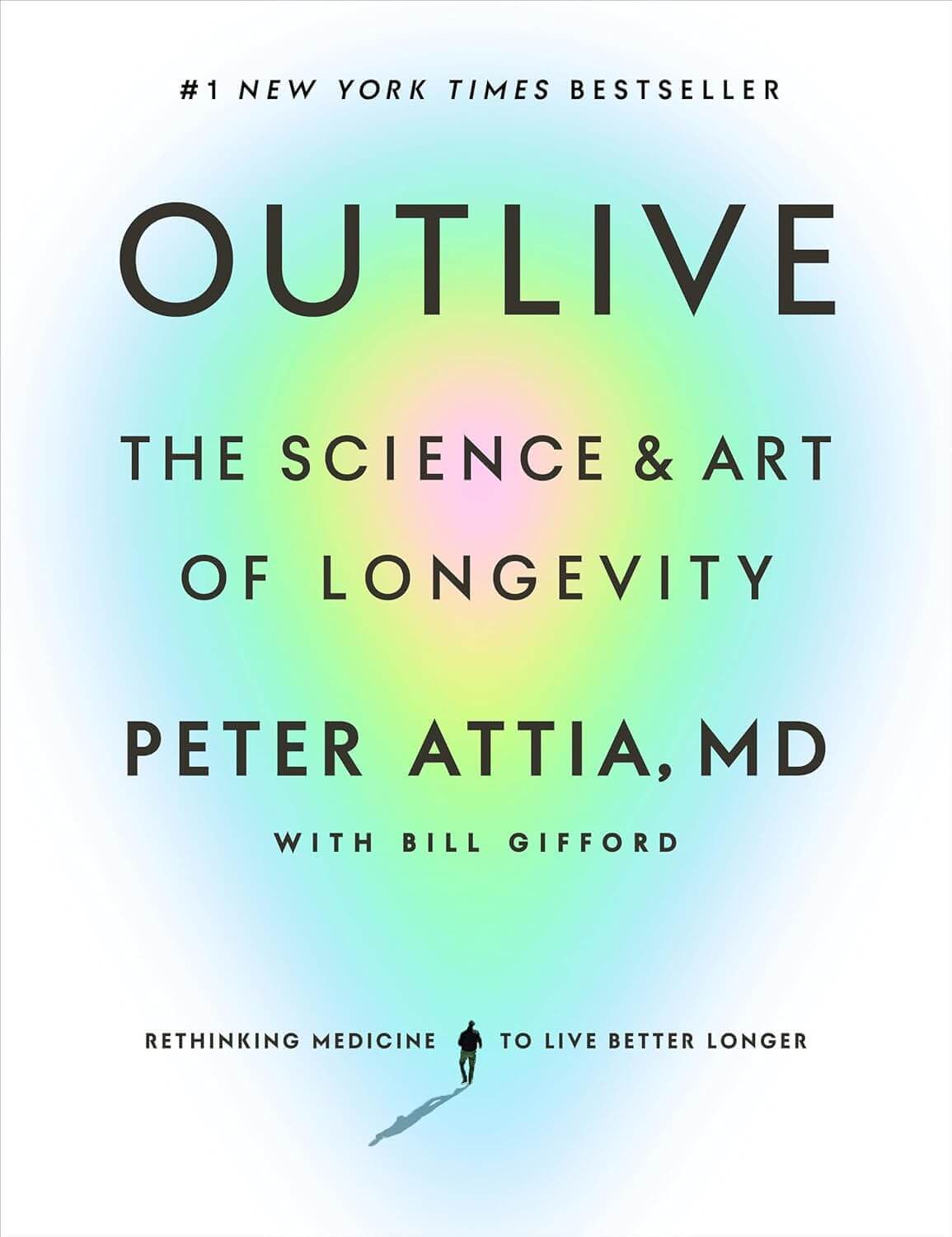
Outlive Book Summary
This Outlive Book Summary covers the key ideas, lessons, and takeaways in about 20 minutes.
The book’s lasting insight is empowering: every decision—what you eat, how you move, how you sleep, how you manage stress—either accelerates or slows your biological clock. Healthspan is the reward for consistency. By thinking decades ahead and taking responsibility for your body’s trajectory, you can outlive not just the average person—but your past self.
Helps with these goals
Want the complete 20-minute summary?
- Full structured summary
- Video Summary
- Podcast Summary
- Audio summary
- Key takeaways
- Exercises
- Quiz
- Highlights and notes
- Ask the book with AI
What is in the Outlive book summary?
Below is a preview of Sumizeit’s expert-written summary of Outlive by Dr. Peter Attia. The full summary covers the book’s key ideas in text, audio, and video.
In Outlive, Peter Attia argues that exercise is not merely an optional lifestyle choice—it’s the most powerful medicine for extending both lifespan (how long you live) and healthspan (how well you live). Exercise, he says, is the “master key” that unlocks nearly every other aspect of health. It reduces the risk of cardiovascular disease, diabetes, and Alzheimer’s while preserving mobility, independence, and mood well into old age.
Attia cites studies showing that people with higher VO₂ max—a measure of how efficiently the body uses oxygen—live significantly longer. A man or woman in the top 25% for cardiorespiratory fitness can lower all-cause mortality risk by up to 50%. For instance, moving from a sedentary lifestyle to moderate activity (like brisk walking for 30 minutes a day) cuts death risk almost in half.
Strength training, too, is essential. Maintaining muscle mass protects against frailty, osteoporosis, and injury. Attia recommends a consistent program of resistance training that targets large muscle groups, like squats and deadlifts for lower body and pull-ups or rows for upper body. He shares stories of older patients who regained vitality through strength work—one in her seventies who began resistance training after years of inactivity and reversed her chronic fatigue and joint pain. His message is clear: you can’t buy strength later; you have to build it now.
Stability: The Forgotten Foundation of Longevity
Most people chase fitness goals like running faster or lifting heavier, but Attia emphasizes that stability—the ability to control movement safely—is the real foundation of long-term fitness. Without it, you risk injuries that can derail your health journey. He references Dynamic Neuromuscular Stabilization (DNS), a method that retrains the body to move like it did in infancy—crawling, rolling, squatting, and standing in perfect balance.
For example, he notes that many adults lose functional movement patterns because of sedentary habits. The result is poor posture, weak core muscles, and misaligned joints. To counter this, Attia prescribes stability training exercises such as single-leg stands, balance board drills, controlled breathing techniques, and grip-strength workouts. These aren’t glamorous, but they are vital. As he puts it, “Your ability to stay upright in your eighties depends on what you do in your forties.”
Nutrition as Individual Biochemistry
Instead of following trendy diets, Attia insists that nutrition should be personalized, guided by blood work, genetics, and personal goals. He explains that everyone’s metabolism processes carbohydrates, fats, and proteins differently, and the key is to discover your unique metabolic balance.
He outlines three main strategies for reducing calorie intake:
Caloric Restriction (CR): Simply eating less food overall.
Dietary Restriction (DR): Cutting down specific items like sugars, processed foods, or alcohol.
Time Restriction (TR): Limiting eating to specific hours of the day (e.g., 16:8 intermittent fasting).
Attia warns against over-restricting and instead encourages flexibility. For instance, one person might thrive on a Mediterranean diet high in olive oil and fish, while another might feel better with higher protein and lower carbs.
Want the complete 20-minute summary?
- Full structured summary
- Video Summary
- Podcast Summary
- Audio summary
- Key takeaways
- Exercises
- Quiz
- Highlights and notes
- Ask the book with AI
Who should read Outlive?
Outlive is for anyone concerned with aging well and extending both lifespan and healthspan—whether you're in your thirties seeking prevention or in your sixties looking to reclaim vitality. It appeals to health-conscious individuals who prefer data-driven approaches over fad diets, as well as to those who want to understand the science behind longevity without oversimplification.
Why does Outlive matter?
Most people treat health reactively, waiting for disease to strike before taking action. Dr. Peter Attia's Outlive reframes aging as a preventable condition, offering a comprehensive framework to address the Four Horsemen of aging—heart disease, cancer, diabetes, and neurodegeneration—decades before they manifest. In an era of rising chronic disease, this proactive, precision-medicine approach provides clarity on what actually works.
What are the key themes in Outlive?
- Exercise as the master key to longevity
- Personalized nutrition based on individual biochemistry
- Stability and functional movement as foundations of independence
- Metabolic health as the core defense against chronic disease
- Brain protection and cognitive longevity
- Early detection and prevention over reactive treatment
- Data-driven health optimization
- Building and maintaining muscle as an organ of longevity
What are the key lessons from the Outlive book summary?
Movement is medicine
Exercise is not optional—it's the single most powerful intervention for extending lifespan and healthspan. Cardiorespiratory fitness directly correlates with mortality risk, with those in the top 25% for fitness reducing all-cause death risk by up to 50%.
Stability precedes performance
Building stability and functional movement patterns through methods like Dynamic Neuromuscular Stabilization is more important than chasing speed or strength gains. Poor stability early in life leads to injury and immobility in old age.
Strength training is non-negotiable
Consistent resistance training targeting large muscle groups is essential for preventing frailty, osteoporosis, and loss of independence. Muscle mass is the true organ of longevity.
Nutrition is biochemically individual
There is no one-size-fits-all diet; your metabolic response to food depends on genetics, lifestyle, and health status. Personalized nutrition based on blood work and experimentation beats trendy diet dogma.
Continuous Glucose Monitoring reveals hidden triggers
CGM sensors uncover how specific foods, timing, and combinations affect your blood sugar and energy levels. This data enables informed dietary adjustments that improve performance and metabolic health.
Protein is the most underappreciated macronutrient
Most people consume far too little protein for optimal aging. Aiming for 1 gram per pound of body weight daily, distributed across meals, preserves muscle, supports recovery, and extends healthspan.
Metabolic health is the foundation
Insulin resistance, abdominal fat, and high blood pressure are early warning signs that appear decades before major disease. Early metabolic testing and correction prevent the Four Horsemen of aging.
Brain health is a metabolic issue
Alzheimer's and other dementias should be viewed as metabolic diseases of the brain. Prevention through exercise, nutrition, sleep, cognitive stimulation, and stress management must begin decades earlier.
Early detection changes the cancer timeline
Liquid biopsies and advanced screening technologies allow cancer detection at earlier, more curable stages. Prevention through lifestyle, combined with technology, offers the most promise against cancer.
ApoB matters more than total cholesterol
Traditional cholesterol panels miss critical risk. Measuring apoB—the protein on lipoproteins carrying cholesterol—provides a clearer picture of cardiovascular disease risk.
Sleep is a brain-flushing necessity
Quality sleep removes toxins like beta-amyloid from the brain and is essential for cognitive health and longevity. Sleep deprivation accelerates neurodegeneration.
Stress reduction protects brain cells
Chronic stress raises cortisol levels, which damages brain tissue and accelerates aging. Stress management is as critical as diet and exercise for healthy aging.
Purpose and social connection extend life
Centenarians around the world share common traits: active lifestyles, strong social bonds, and a sense of purpose. Longevity is as much about meaning as it is about biology.
Sustainability beats perfection
The goal of any health intervention is something you can sustain for decades, not days. Rigid perfectionism leads to burnout and failure; flexibility enables long-term adherence.
Proactive testing reveals dysfunction early
Fasting insulin, triglycerides, waist-to-hip ratio, and other biomarkers reveal disease risk long before clinical symptoms. Early intervention at the metabolic stage can entirely reverse dysfunction.
Muscle is built now or lost later
You cannot buy strength and muscle in your seventies; you must build it in your forties and fifties. Delaying strength training guarantees frailty in old age.
Aerobic fitness is a longevity vital sign
VO₂ max—your body's ability to use oxygen efficiently—is one of the strongest predictors of lifespan. Aerobic training should be a lifelong priority.
Medicine 3.0 is preventive, not reactive
The future of medicine lies in early detection and prevention before disease takes root, not in expensive interventions after damage is done. Proactive precision medicine saves lives and extends healthspan.
Every choice accelerates or slows aging
Diet, movement, sleep, stress management, and social connection are not optional extras—they are the levers that determine your biological aging rate. Small consistent choices compound into dramatically different outcomes.
Want the complete 20-minute summary?
- Full structured summary
- Video Summary
- Podcast Summary
- Audio summary
- Key takeaways
- Exercises
- Quiz
- Highlights and notes
- Ask the book with AI
How can you apply ideas from Outlive?
- Begin a structured exercise program combining aerobic training, strength training, and stability work—consistency matters more than intensity
- Use Continuous Glucose Monitoring for 2-3 weeks to identify your personal food triggers and optimize meal timing and order
- Increase daily protein intake to 1 gram per pound of body weight by adding lean meats, fish, eggs, or protein powder to each meal
- Request advanced biomarker testing (apoB, fasting insulin, triglycerides, waist-to-hip ratio) from your physician to catch metabolic dysfunction early
- Implement a sleep optimization protocol: consistent sleep times, cool dark room, and stress reduction to support brain health and recovery
- Practice stability training exercises like single-leg stands, balance board work, and grip-strength training 3-4 times weekly
- Establish a personalized nutrition experiment by varying macronutrient ratios or meal timing while tracking energy, mood, and blood markers for 4-6 weeks
What common mistakes do readers make with Outlive?
- Focusing on total cholesterol or LDL-C without measuring apoB, missing true cardiovascular risk
- Following a generic diet rather than experimenting to find the macronutrient ratio and meal timing that works for your unique metabolism
- Neglecting stability and functional movement in favor of performance metrics, setting the stage for injury and decline
- Consuming insufficient protein while aging, leading to preventable muscle loss and frailty
- Waiting for disease symptoms before adopting preventive habits, when intervention decades earlier could have prevented the disease entirely
Sumizeit Exercises Apply what you've learned
Turn ideas from Outlive into action with a short guided reflection: identify the biggest takeaway, connect it to your life, and commit to one step you can take in the next 24 hours.
What is the expert analysis of Outlive?
Overview
Outlive, authored by Dr. Peter Attia, stands as a seminal work in the contemporary discourse on longevity and health optimization. Dr. Attia, a physician with a background in surgical oncology and a recognized longevity expert, leverages his clinical experience and scientific rigor to challenge conventional paradigms surrounding aging and chronic disease. His data-driven and nuanced approach situates Outlive at the intersection of medicine, exercise physiology, and personalized nutrition, making it a critical contribution for those seeking to extend not only lifespan but, crucially, healthspan—the quality of life during aging.
Core Thesis
At the heart of Outlive is the compelling argument that longevity is not a passive fate but an active, modifiable trajectory shaped by deliberate lifestyle choices. Dr. Attia posits that exercise—encompassing aerobic conditioning, resistance training, and stability work—is the “master key” to unlocking extended lifespan and healthspan. This is complemented by personalized nutrition informed by metabolic and genetic data, continuous monitoring technologies, and proactive management of metabolic health markers. The book reframes aging as a preventable and manageable process through a proactive, precision medicine framework he terms “Medicine 3.0,” emphasizing prevention over reaction.
Strengths
- Integration of Multidisciplinary Science: Attia synthesizes cutting-edge research from exercise physiology, metabolic science, neurology, and oncology, providing a holistic view of aging.
- Emphasis on Personalized Medicine: The advocacy for individualized nutrition and metabolic monitoring via continuous glucose monitors (CGMs) reflects a sophisticated understanding of human biochemical variability.
- Practical and Actionable Guidance: The book offers concrete recommendations—such as specific strength exercises and protein intake targets—that readers can implement, supported by clinical anecdotes and empirical evidence.
- Focus on Stability and Functional Movement: Highlighting neuromuscular stabilization as foundational to longevity challenges the typical fitness narrative centered on performance metrics alone.
- Forward-Looking Preventive Framework: The integration of early cancer detection technologies and advanced lipid profiling (apoB) demonstrates an innovative approach to chronic disease prevention.
Critiques & Counterarguments
- Evidence Scope and Generalizability: While the emphasis on VO₂ max and protein intake is well-supported, some recommendations—such as the precise protein targets or the universal applicability of CGM data—may not yet be conclusively validated across diverse populations, including those with differing genetic backgrounds or comorbidities.
- Potential Oversimplification of Complex Diseases: The framing of Alzheimer’s and other neurodegenerative diseases as primarily metabolic may underplay multifactorial etiologies involving genetics, environment, and neuroinflammation beyond metabolism.
- Technological Accessibility and Equity: The reliance on advanced diagnostics like liquid biopsies and CGMs may not be feasible for all socioeconomic groups, raising questions about the scalability of Attia’s recommendations.
- Competing Longevity Paradigms: Alternative schools of thought emphasize genetic editing, pharmacological interventions (e.g., senolytics, metformin), or hormetic stressors like cold exposure and caloric restriction mimetics, which receive comparatively less attention in Attia’s framework.
- Behavioral and Psychological Dimensions: The book’s strong biomedical focus may underrepresent the role of psychosocial factors, mental health, and socioeconomic determinants that also critically influence aging trajectories.
Who Should Read This
Outlive is ideally suited for a discerning audience that includes healthcare professionals, longevity researchers, and scientifically literate laypersons committed to evidence-based self-improvement. It appeals to readers who seek a rigorous, integrative understanding of aging that transcends fad diets and superficial wellness trends. Those interested in the intersection of preventive medicine, exercise science, and personalized nutrition will find Attia’s insights particularly valuable. Additionally, individuals motivated to take control of their long-term health through actionable, data-driven strategies will benefit from the book’s practical orientation and forward-thinking perspective.
Frequently asked questions about the Outlive book summary
What is Outlive about?
Outlive by Dr. Peter Attia is a comprehensive guide to extending both lifespan and healthspan through a data-driven framework called Medicine 3.0. The book covers exercise, personalized nutrition, metabolic health, brain protection, and early disease detection—offering practical strategies to prevent the Four Horsemen of aging: heart disease, cancer, diabetes, and neurodegeneration.
Who should read Outlive?
Anyone concerned with aging well and extending their healthy years should read this book, whether in their thirties seeking prevention or sixties looking to reclaim vitality. It's especially valuable for people who prefer science-backed approaches to health, want to understand biomarkers and precision medicine, or are frustrated with fad diets and reactive medical care.
What are the main takeaways from Outlive?
The main takeaways are: exercise is the most powerful medicine for longevity; nutrition must be personalized to your individual biochemistry using tools like Continuous Glucose Monitoring; strength and stability training are non-negotiable for maintaining independence; metabolic health should be monitored early through biomarker testing; and every daily choice—diet, movement, sleep, stress management—either accelerates or slows biological aging. Longevity is a choice, not an accident.
How much protein should I eat according to Outlive?
Dr. Attia recommends aiming for 1 gram of protein per pound of body weight daily, spread across multiple meals with roughly 35-40 grams per meal. This is significantly higher than traditional dietary guidelines of 0.8 g/kg and is especially important for aging adults to preserve muscle mass, bone density, and metabolic health.
What is VO₂ max and why does it matter?
VO₂ max measures how efficiently your body uses oxygen during aerobic exercise. According to Outlive, it's one of the strongest predictors of lifespan—people in the top 25% for cardiorespiratory fitness reduce all-cause mortality risk by up to 50%. Building and maintaining VO₂ max through consistent aerobic training is essential for longevity.
What is apoB and why is it important?
ApoB is a protein on the surface of lipoproteins that carry cholesterol through the bloodstream. In Outlive, Attia argues that measuring apoB provides a clearer picture of cardiovascular disease risk than traditional cholesterol panels, as it counts the number of atherogenic particles. High apoB indicates greater risk of heart disease even if total cholesterol appears normal.
How can Continuous Glucose Monitoring improve my health?
CGM sensors reveal how specific foods, meal timing, stress, and exercise affect your blood sugar levels. This data uncovers hidden triggers and enables personalized adjustments—like eating protein before carbs or walking after meals—that stabilize energy, improve focus, and optimize metabolic flexibility without requiring restrictive diets.
About Sumizeit
Sumizeit is a profitable Scomy LLC company based in Miami, Florida. It has been helping readers learn from nonfiction books for 7 years with expert-written summaries in text, audio, podcast, and video.
Want the complete 20-minute summary?
- Full structured summary
- Video Summary
- Podcast Summary
- Audio summary
- Key takeaways
- Exercises
- Quiz
- Highlights and notes
- Ask the book with AI
Here's why readers love Sumizeit
Join thousands of learners getting smarter every day
"Great experience. Detailed summaries. Loved the gamification feature. Makes learning fun. Good customer service. I recommend Sumizeit to anyone. You'll learn a lot."
"I always felt busy but still wanting to keep up with the book discussion in my friend group. This was a great supplement to help me keep reading the books I find fun while keeping up with important books."
"I love this website. Instead of scrolling social media, I find myself learning a lot. I use it everyday. I recommend this app for anyone who is too busy and wants to get up to speed with their favorite books."
Outlive Book Summary PDF
Looking for a Outlive Book Summary PDF you can save and revisit offline? Our Outlive Book Summary PDF captures the book’s core ideas in a clean, printable format — the key frameworks, takeaways, and structure without the fluff. Download the Outlive Book Summary PDF when you want a reference you can annotate, share with your team, or review on the go. Get your Outlive Book Summary PDF from the download page below.
Download Outlive Book Summary PDFPeople also liked these summaries
Readers who explored Outlive often enjoyed these titles next.


Want the complete 20-minute summary?
- Full structured summary
- Video Summary
- Podcast Summary
- Audio summary
- Key takeaways
- Exercises
- Quiz
- Highlights and notes
- Ask the book with AI
Featured Book Titles
Popular Book Summaries at sumizeit, leading book summary app