


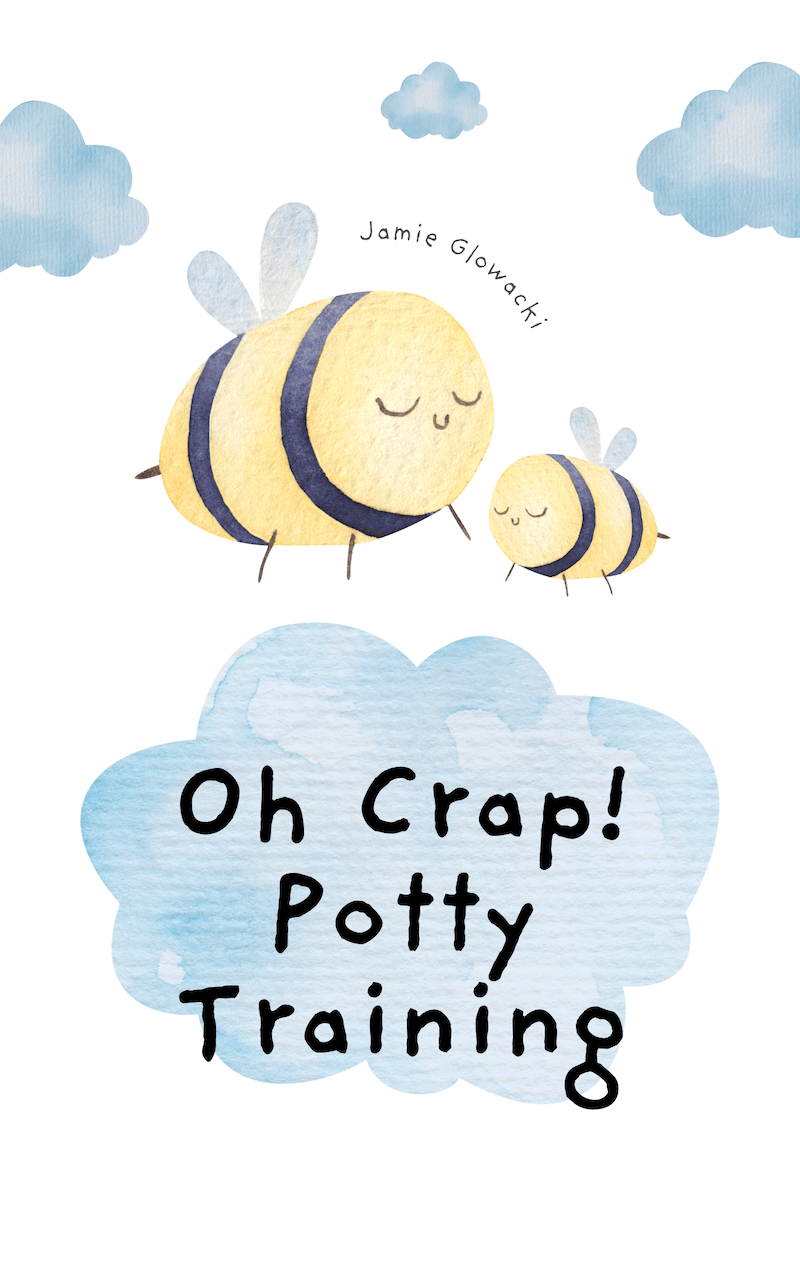
Prefer the print book? Buy on Amazon
As an Amazon Associate, Sumizeit earns from qualifying purchases.
Oh Crap! Potty Training Book Summary
This Oh Crap! Potty Training Book Summary covers the key ideas, lessons, and takeaways in about 20 minutes.
Short Description:
Oh Crap! Potty Training succeeds through emotional leadership and consistency.
The book encourages parents to step into a grounded, capable role and teaches that the most powerful tool in the process is not a sticker chart or a parenting gadget but a calm, emotionally present adult. When children feel safety, stability, and mutual respect, they naturally move toward independence. Potty training becomes not a war to win but a skill to build together.
Helps with these goals
Want a Free Weekly Read?
Get a free summary every week straight to your mailbox.
Preview the Oh Crap! Potty Training book summary
Below is a preview of Sumizeit’s comprehensive human-written summary of Oh Crap! Potty Training by Jamie Glowacki. The full summary is 15-20 minutes long and covers the book’s key ideas in text, audio, visual, and video formats. Unlock the full 20 Minute Summary
Oh Crap! Potty Training, written by parenting coach and potty training specialist Jamie Glowacki, is an intensive guide that reframes potty training as a developmental process rather than a stressful confrontation between adults and toddlers. Glowacki helps parents navigate the complicated emotional world of early childhood, presenting a structured yet flexible method that focuses on communication, confidence, and consistent follow-through. Rather than relying on bribes, complicated schedules, or waiting for a child to spontaneously “announce readiness,” Glowacki shows caregivers how to recognize natural learning stages and support independence at a pace that respects both parent and child.
The book blends personal coaching experience with developmental psychology, offering a roadmap that adapts to the unpredictable and often messy reality of toddler behavior. Glowacki challenges the modern trend of waiting longer and longer to begin potty training—arguing that postponement creates more resistance, more power struggles, and more stress for everyone involved. Instead, she urges parents to take an active teaching role and view potty training as a skill-building process just like learning to walk or speak. Throughout her method, she highlights the emotional dynamics that shape a toddler’s decisions—control, vulnerability, and the desire to feel competent.
What makes her approach distinctive is its clarity and structure: a phased method she calls “blocks” that gradually builds children’s awareness and autonomy, starting with full-body awareness while naked and progressing to self-initiated bathroom use and nighttime continence. Glowacki also dedicates significant space to addressing predictable challenges such as resistance, fear of pooping, nighttime dryness, and restarting after setbacks. Her tone is direct, humorous, and practical, aimed at cutting through parental overthinking and replacing anxiety with confident leadership.
The Philosophy Behind the Method
Glowacki begins by reframing potty training as teaching rather than negotiating. Potty training is not a debate or a battle for dominance; it is the introduction of a life skill that requires guidance and repetition. While modern parenting culture often treats potty training as something that should happen naturally when a child chooses, Glowacki argues that toddlers rarely decide on their own to abandon the ease and comfort of diapers. Since no toddler volunteers for self-hygiene, waiting for them to request training is unrealistic. Adults must initiate and lead.
Her philosophy centers on three foundational principles—clarity, consistency, and confidence. These are essential to the method because toddlers rely heavily on their caregivers’ emotional signals. When parents send mixed messages—uncertain tone, fluctuating rules, or hesitating instructions—toddlers respond not with cooperation but confusion. Glowacki stresses that children learn through modeling and emotional resonance before language comprehension matures. A confident tone communicates safety and stability, whereas anxious energy breeds resistance.
Clarity means communicating expectations without phrasing them as optional. Instead of asking whether a toddler would like to use the potty, parents must convey the next step without negotiation: “It’s time to sit on the potty now.” When caregivers present toileting as an optional choice, toddlers either decline or become overwhelmed by uncertainty.
Want the complete 20-minute summary?
- Full structured summary
- Video Summary
- Podcast Summary
- Audio summary
- Key takeaways
- Exercises
- Quiz
- Highlights and notes
- Ask the book with AI
Who should read Oh Crap! Potty Training?
Oh Crap! Potty Training is essential for parents and caregivers preparing to guide toddlers through bathroom independence, particularly those seeking a structured, developmentally-informed alternative to reward-based or waiting methods. It's ideal for parents who feel overwhelmed by conflicting potty training advice or who struggle with power struggles and accidents. Anyone caring for a child between 20 and 30 months—or those restarting after previous attempts—will find practical guidance tailored to real-world challenges.
Why does Oh Crap! Potty Training matter?
Most modern parents have been conditioned to delay potty training or treat it as an optional process, leading to extended diaper use, increased resistance, and prolonged stress. Jamie Glowacki's framework challenges this cultural norm by showing that earlier, confident intervention—grounded in developmental psychology—produces faster results with fewer power struggles. In an era of parental anxiety and overcomplication, this book cuts through noise to offer clarity, emotional stability, and practical leadership that benefits both child and parent.
What are the key themes in Oh Crap! Potty Training?
- Reframing potty training as teaching, not negotiating
- The power of parental confidence and emotional stability
- Clarity, consistency, and commitment over bribes and tricks
- Recognizing and honoring developmental windows
- Building body awareness and independence gradually
- Understanding the emotional landscape of toddler autonomy
How can you apply ideas from Oh Crap! Potty Training?
- Set a firm start date between 20 and 30 months and commit to a cleared schedule for the first intensive week of full presence and observation
- Begin with the child completely bottomless to maximize sensory awareness and immediate adult response to bodily cues
- Use simple, direct language ('It's time to sit on the potty') rather than asking questions or offering choices that invite negotiation
- Coordinate across all caregivers—parents, daycare providers, grandparents—to ensure unified expectations and prevent mixed messaging
- Identify and map your child's elimination patterns during the first week to anticipate timing and create predictable bathroom moments
- Step back and avoid hovering during bowel movements; provide privacy and trust the child's body to do the work
- Maintain consistent routines at natural transition points (before leaving home, after meals, before bed) rather than imposing arbitrary schedules
- When resistance emerges, pause to assess whether the barrier is emotional (fear, overwhelm) or behavioral (boundary testing) and respond accordingly
What common mistakes do readers make with Oh Crap! Potty Training?
- Waiting indefinitely for a child to announce readiness, which rarely happens and often leads to increased resistance and power struggles later
- Using bribes, stickers, and reward charts that teach children to perform toileting only when external incentives are offered
- Making exceptions for convenience (quick diaper trips, traveling) that confuse expectations and signal that toileting is negotiable rather than routine
- Projecting anxiety or discomfort onto the process, which children absorb emotionally and interpret as a sign that something is unsafe or undesirable
- Introducing underwear too early before consistent awareness develops, causing regressive confusion and accidents that undermine confidence
Sumizeit Exercises Apply what you've learned
Turn ideas from Oh Crap! Potty Training into action with a short guided reflection: identify the biggest takeaway, connect it to your life, and commit to one step you can take in the next 24 hours.
What is the expert analysis of Oh Crap! Potty Training?
Overview
Oh Crap! Potty Training is authored by Jamie Glowacki, a seasoned parenting coach and former social worker specializing in early childhood development and toilet training. This book stands out in the crowded parenting literature by offering a methodical, psychologically informed approach to potty training that emphasizes emotional intelligence and developmental readiness over coercion or negotiation. Glowacki’s expertise and direct, humorous tone make the book both accessible and authoritative, providing a much-needed counterpoint to the anxiety and confusion many parents face during this pivotal stage.
Core Thesis
Glowacki’s central argument reframes potty training as a teachable developmental skill rather than a battle of wills or a spontaneous milestone. She contends that waiting passively for toddlers to “choose” readiness is misguided; instead, adults must take confident, consistent leadership to guide children through a structured, phased learning process. The method is grounded in three pillars—clarity, consistency, and confidence—which together create an emotionally safe environment that fosters autonomy and cooperation. By initiating training within an optimal developmental window (around 20–30 months), parents can avoid power struggles and accelerate mastery through attentive observation, emotional regulation, and practical strategies.
Strengths
- Developmentally Informed: The book integrates developmental psychology with practical coaching, respecting toddlers’ emotional and cognitive stages rather than imposing arbitrary timelines.
- Clear, Structured Methodology: Glowacki’s phased “blocks” provide a step-by-step framework that adapts to the child’s pace, reducing parental guesswork and anxiety.
- Emphasis on Emotional Dynamics: The focus on parental mindset and emotional tone as key drivers of success is a nuanced insight often overlooked in parenting guides.
- Pragmatic and Realistic: The book acknowledges setbacks, resistance, and regression as normal, offering concrete strategies to handle common challenges without shame or blame.
- Inclusive and Flexible: Glowacki addresses diverse family situations, developmental differences, and environmental factors, promoting individualized adaptations within a consistent framework.
Critiques & Counterarguments
- Potential Rigidity in Timing: While Glowacki advocates for starting between 20 and 30 months, some developmental research and pediatric guidelines suggest that readiness varies widely and that premature initiation may cause stress or setbacks in some children.
- Limited Cultural Context: The book primarily reflects Western parenting norms and may underrepresent cultural variations in potty training practices, which can influence timing, methods, and family dynamics.
- Underestimation of Child Agency: Critics from child-centered or attachment parenting perspectives might argue that Glowacki’s emphasis on adult-led initiation risks overshadowing the child’s own signals and autonomy, potentially fostering resistance.
- Scarce Empirical Validation: Although grounded in clinical experience and developmental theory, the method lacks extensive empirical trials or longitudinal studies to robustly validate efficacy across diverse populations.
- Opposing Views on Rewards: Glowacki rejects external rewards, yet some behavioral psychology research supports the strategic use of positive reinforcement in habit formation, suggesting a more nuanced approach may be beneficial.
Who Should Read This
This book is ideal for parents and caregivers seeking a psychologically sound, structured, and emotionally intelligent approach to potty training. It is especially valuable for those feeling overwhelmed by conflicting advice or stalled by toddler resistance. Professionals in early childhood education, pediatric care, and parenting coaching will also find Glowacki’s insights useful for guiding families through this developmental milestone. Readers open to a firm but compassionate framework that balances leadership with empathy will benefit most from this resource.
Frequently asked questions about the Oh Crap! Potty Training book summary
What is Oh Crap! Potty Training about?
Oh Crap! Potty Training by Jamie Glowacki is a guide that reframes potty training as a structured developmental process grounded in clarity, consistency, and confident parental leadership rather than bribes, waiting, or power struggles. The book presents a phased method beginning between 20 and 30 months of age, with practical strategies for building body awareness, managing common obstacles like fear of pooping and resistance, and developing independence. Glowacki emphasizes that parental emotional stability and clear communication are the most powerful tools—more effective than gadgets or reward systems.
Who should read Oh Crap! Potty Training?
Parents and caregivers preparing to guide toddlers through bathroom independence should read this book, especially those between 20 and 30 months old who feel anxious about potty training or are caught in power struggles. It's valuable for parents seeking alternatives to reward-based methods, those managing training across multiple caregiving environments like daycare, and families restarting after previous unsuccessful attempts. Anyone feeling overwhelmed by conflicting advice or struggling with their own parental confidence will benefit from Glowacki's direct, practical approach.
What are the main takeaways from Oh Crap! Potty Training?
The main takeaways are: (1) parents must lead confidently and clearly, not wait for children to volunteer; (2) the optimal window is 20–30 months, before intense autonomy-seeking creates power struggles; (3) success depends on consistency, clarity, and parental emotional stability—not bribes or tricks; (4) the process unfolds in five phases starting with the child completely bottomless to build awareness; and (5) obstacles like resistance, fear of pooping, and nighttime training are predictable learning opportunities, not signs of failure. At its core, potty training is about building trust and independence through calm, respectful guidance.
Why does Jamie Glowacki recommend starting potty training between 20 and 30 months?
At 20–30 months, toddlers are naturally curious, eager to help with family routines, and motivated to participate—before the intense assertion of autonomy that emerges later. Starting earlier is more effective than waiting for stereotypical 'readiness signs,' which Glowacki argues are misleading because toddlers have no reference point for knowing when to begin. Delaying beyond 30 months often introduces more conflict and power struggles; historically and globally, children have been trained much earlier than modern culture suggests.
What are the five phases of potty training in Oh Crap!?
The five phases are: (1) Completely Bottomless—child naked from waist down to build immediate sensory awareness; (2) Clothing Without Underwear—introducing loose pants while skipping underwear to avoid confusion; (3) Outings and Real-World Practice—expanding into longer excursions with neutral handling of accidents; (4) Introducing Underwear—reintroducing underwear once consistent awareness is demonstrated, using the discomfort of wetness as reinforcement; and (5) Self-Initiation and Independence—the child reliably starts bathroom trips without assistance, making toileting part of everyday life.
How does Oh Crap! address fear of pooping?
Glowacki explains that pooping is more emotionally complex than urination for toddlers; children may feel exposed, pressured, or worried about losing part of themselves. The book recommends privacy, soothing language, relaxed body positioning, adequate hydration, and fiber intake to ease resistance. Critically, parents should step back and avoid hovering, which intensifies anxiety. Understanding that the resistance is emotional rather than defiant helps adults respond with empathy and space rather than pressure.
What does Jamie Glowacki say about reward systems like sticker charts?
Glowacki strongly cautions against stickers, candy, and external reward systems because they teach children to perform toileting only when incentives are available. This undermines intrinsic motivation and makes the behavior contingent on external reinforcement rather than embedding it as a natural routine. Instead, she emphasizes that potty use must become part of everyday life without performance-based incentives, building sustainable habits and intrinsic confidence.
How does Oh Crap! address potty training across different caregiving environments?
Glowacki is candid that institutional resistance often occurs in daycare and school settings, where providers may say they support training but revert to diapers for convenience. She urges parents to establish clear expectations, supply necessary tools, and advocate firmly for consistency. The same applies to divorced or separated households: parents must communicate and maintain a unified approach across environments. The child's emotional stability should drive strategy, not adult conflict or institutional convenience.
About Sumizeit
Sumizeit is a profitable Scomy LLC company based in Miami, Florida. Our founders, Clemens Raemy and Weina Scott, are successful entrepreneurs with several exits. Sumizeit is a popular book summary app / micro learning app used by busy professionals and entrepreneurs with over 2,500 non-fiction book summaries and 10,000 podcast summaries in text, audio, visual, podcast, and video format. We also have stellar retention tools to make ideas stick - such as flashcards with spaced repetition, quizzes, streaks, highlighting and notes, daily challenges, riddles, mini-courses, meditation, and more. You won't only learn the idea, but also remember it. Over 90% of our users change their habits with Sumizeit.
Upgrade Now
Here's why readers love Sumizeit
Join thousands of learners getting smarter every day
"Great experience. Detailed summaries. Loved the gamification feature. Makes learning fun. Good customer service. I recommend Sumizeit to anyone. You'll learn a lot."
"I always felt busy but still wanting to keep up with the book discussion in my friend group. This was a great supplement to help me keep reading the books I find fun while keeping up with important books."
"I love this website. Instead of scrolling social media, I find myself learning a lot. I use it everyday. I recommend this app for anyone who is too busy and wants to get up to speed with their favorite books."
Oh Crap! Potty Training Book Summary PDF
Looking for a Oh Crap! Potty Training Book Summary PDF you can save and revisit offline? Our Oh Crap! Potty Training Book Summary PDF captures the book’s core ideas in a clean, printable format — the key frameworks, takeaways, and structure without the fluff. Download the Oh Crap! Potty Training Book Summary PDF when you want a reference you can annotate, share with your team, or review on the go. Get your Oh Crap! Potty Training Book Summary PDF from the download page below.
Download Oh Crap! Potty Training Book Summary PDFPeople also liked these summaries
Readers who explored Oh Crap! Potty Training often enjoyed these titles next.




Ready to read the whole thing?
- Full structured summary
- Video Summary
- Podcast Summary
- Audio summary
- Key takeaways
- Exercises
- Quiz
- Highlights and notes
- Ask the book with AI
Featured Book Titles
Popular Book Summaries at sumizeit, leading book summary app