


Prefer the print book? Buy on Amazon
As an Amazon Associate, Sumizeit earns from qualifying purchases.
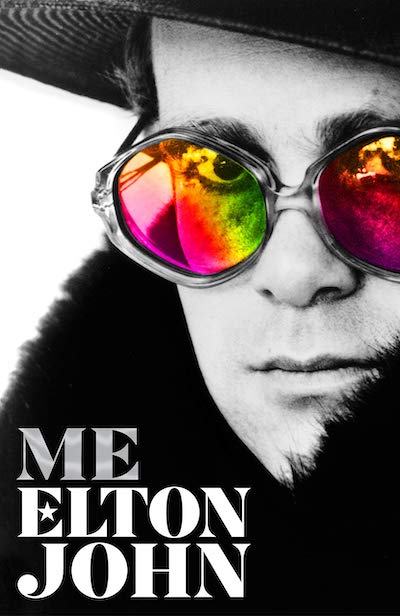
Me: Elton John Official Autobiography Book Summary
This Me: Elton John Official Autobiography Book Summary covers the key ideas, lessons, and takeaways in about 20 minutes.
Short Description:
Elton John’s fame brought struggles with addiction and personal challenges.
Helps with these goals
Preview the Me: Elton John Official Autobiography book summary
Below is a preview of Sumizeit’s comprehensive human-written summary of Me: Elton John Official Autobiography by Elton John. The full summary is 15-20 minutes long and covers the book’s key ideas in text, audio, visual, and video formats. Unlock the full 20 Minute Summary
Many people dream of one day becoming famous. Elton John was certainly one of them until he hit it big with his first single, “Your Song”, and his dreams became a reality. With fame came a lot of surreal experiences: like taking over the runway at Iggy’s fashion show dressed like a giant ape (for starters). But, fame isn’t all fun, and John learned no matter how many records he sold he couldn’t shake feeling shy and uncomfortable after growing up in an abusive household. He eventually turned to alcohol, drugs, and food to cope. Read on to learn about John’s early childhood, why he finally got clean, and which two celebrities fought over princess Diana at one of his dinner parties.
Elton John was born in 1947. He had a complicated relationship with his parents. His father, Stanley, was a strict disciplinarian, and John spent most of his childhood trying to avoid spankings. He got in trouble for a variety of seemingly menial things: from how he took off his school uniform blazer to how he ate celery. He was afraid of his mother. She beat him with a wire brush until he bled in order to help potty train him when he was only 2 years old. Though John felt they should have divorced much earlier, his parents stayed together until he was 11 years old. After his parents divorced, John’s father met someone else and started a new family who he was warm and affectionate towards, while his attitude towards John didn’t change. He refused to see him play live in concert, and never acknowledged being proud of John for his successes. His dad died in 1991, and John did not attend his funeral. At that point, they hadn’t spoken in years. His mom’s attitude towards John also remained consistent: she remained cruel and critical of John throughout his life. When he married long-time boyfriend David Furnish, she made many homophobic comments to the other guests. John speculates that she wasn’t necessarily against gay marriage, but she didn’t want anyone having any influence over his life besides her.
Though his family situation, while he was growing up, was difficult, there was one thing which brought him joy: music. He could pick up the melody of a song and play it on the piano accurately at the age of three. He was deeply obsessed with pop music. John recalls the first time he saw a photo of Elvis Presley: he thought Elvis looked like an alien. When he heard Elvis’ record, “Heartbreak Hotel,” he thought Elvis sounded like an alien… and he loved it. He fell in love with rock and roll. John’s father wasn’t supportive of his love of rock and roll and worried the music would make him into a criminal because it highlighted content at the time that was considered explicit or sinful. The only “negative” impact of the music was that it made John less interested in playing classical songs on the piano.
Want the complete 20-minute summary?
- Full structured summary
- Video Summary
- Podcast Summary
- Audio summary
- Key takeaways
- Exercises
- Quiz
- Highlights and notes
- Ask the book with AI
Who should read Me: Elton John Official Autobiography?
Me: Elton John Official Autobiography is for anyone curious about the real person behind the global superstar—from music fans to those interested in overcoming adversity. It appeals to readers seeking honest accounts of fame, addiction recovery, and personal transformation, as well as those who want to understand how childhood trauma shapes adult choices.
Why does Me: Elton John Official Autobiography matter?
Elton John's story reveals the hidden costs of fame and the universal human struggle with addiction, showing that external success cannot fill internal wounds. His journey from abuse and shame to sobriety and contentment offers hope and practical insights for anyone battling their own demons, while his candid reflection on privilege, responsibility, and reinvention resonates in today's culture.
What are the key themes in Me: Elton John Official Autobiography?
- Childhood trauma and its lasting impact on identity
- The emptiness of fame without inner fulfillment
- Addiction as a coping mechanism for unresolved pain
- Recovery and redemption through accountability
- Finding authentic connection and love
- Creative collaboration as life-changing partnership
How can you apply ideas from Me: Elton John Official Autobiography?
- If childhood trauma influences your current choices, seek professional help to break the cycle rather than expecting success or relationships to heal old wounds
- When facing addiction or destructive patterns, identify what emotional need the behavior is meeting and address that root cause, not just the symptom
- Build partnerships with collaborators who complement your strengths and challenge you to grow, rather than trying to succeed entirely on your own
- Recognize when you've hit bottom as an opportunity for genuine change, and commit fully to recovery even when it feels uncomfortable or boring
- Evaluate whether your pursuit of status, fame, or external validation is actually a substitute for addressing deeper insecurity or shame
- Practice treating yourself as an ordinary person deserving of basic care and respect, rather than requiring special treatment to feel worthy
- Use your platform or influence to contribute meaningfully to causes beyond yourself, as this often creates deeper fulfillment than personal achievement alone
What common mistakes do readers make with Me: Elton John Official Autobiography?
- Believing that achieving fame, wealth, or success will automatically resolve feelings of shame, inadequacy, or unworthiness rooted in childhood
- Using substances, food, work, or other compulsions to numb pain rather than addressing the emotional wounds underneath, which only delays the reckoning
- Surrounding yourself with enablers who accommodate destructive behavior instead of surrounding yourself with people who will challenge you toward health
- Waiting for the perfect moment or perfect circumstances to seek help, when the best time is often the moment you recognize you need it most
Sumizeit Exercises Apply what you've learned
Turn ideas from Me: Elton John Official Autobiography into action with a short guided reflection: identify the biggest takeaway, connect it to your life, and commit to one step you can take in the next 24 hours.
What is the expert analysis of Me: Elton John Official Autobiography?
Overview
Me: Elton John Official Autobiography is a candid and richly detailed memoir by Elton John, one of the most iconic and influential musicians of the late 20th and early 21st centuries. Known for his flamboyant stage presence and profound contributions to music, John offers readers an intimate glimpse into the complexities behind his public persona. The book is significant not only as a chronicle of a legendary career but also as a deep exploration of personal trauma, addiction, and redemption. Through his own voice, John reveals the interplay of fame, family dysfunction, and artistic genius, making this autobiography a compelling narrative for both fans and scholars interested in celebrity culture, psychology, and resilience.
Core Thesis
At its core, Me argues that fame and success, while transformative, cannot erase the deep-seated wounds inflicted by childhood abuse and familial estrangement. Elton John posits that the external trappings of stardom—wealth, acclaim, and social access—are often insufficient to heal internal scars. Instead, his journey underscores the necessity of confronting personal demons such as addiction and self-doubt to achieve genuine contentment. The memoir suggests that creative expression and human connection, alongside perseverance through hardship, are essential to overcoming the shadows cast by early life trauma.
Strengths
- Unvarnished Honesty: John’s willingness to disclose painful details about his upbringing and struggles with addiction lends the narrative a rare authenticity that deepens reader empathy and understanding.
- Vivid Anecdotes: The memoir is punctuated with surreal and often humorous episodes—such as dressing as a gorilla on stage or hosting star-studded dinner parties—that enliven the story and reveal the eccentricities of celebrity life.
- Insight into Creative Partnership: The portrayal of John’s collaboration with Bernie Taupin offers valuable insight into the dynamics of artistic synergy and the genesis of enduring musical works.
- Broader Cultural Context: The book situates John’s life within shifting social attitudes toward sexuality, addiction, and fame, providing a textured backdrop that enriches the personal narrative.
- Inspirational Recovery Journey: John’s path to sobriety and self-acceptance serves as a powerful testament to the possibility of transformation despite profound adversity.
Critiques & Counterarguments
- Selective Memory and Narrative Framing: As with many autobiographies, the memoir occasionally glosses over or reframes complex relationships and events, potentially limiting a fully objective understanding of certain episodes, especially regarding family dynamics.
- Oversimplification of Addiction Recovery: While John’s sobriety is inspirational, the portrayal of rehab and recovery may understate the chronic, often nonlinear nature of addiction, which contradicts some contemporary psychological research emphasizing ongoing management rather than a singular “turning point.”
- Celebrity-Centric Perspective: The memoir’s focus on high-profile social interactions and extravagant experiences may alienate readers seeking more universal or relatable themes, raising questions about the broader applicability of John’s insights.
- Competing Views on Fame and Psychological Health: Some psychological literature argues that fame can exacerbate mental health issues rather than merely mask them, suggesting a more complex relationship than the memoir’s narrative implies.
- Limited Exploration of Broader Social Issues: Although the book touches on homophobia and family abuse, it does not deeply engage with systemic factors or sociocultural critiques that might contextualize John’s experiences within larger societal patterns.
Who Should Read This
Me is ideally suited for readers interested in the intersection of celebrity culture and personal psychology, including fans of Elton John and those fascinated by the human stories behind public figures. Scholars and enthusiasts of music history will find valuable firsthand accounts of the evolution of rock and pop music. Additionally, readers seeking narratives of resilience and recovery from addiction will appreciate John’s candid reflections. However, those looking for a rigorous sociological or psychological analysis may find the memoir more anecdotal than analytical. Ultimately, this autobiography offers a compelling, heartfelt exploration of the complexities of identity, creativity, and survival in the glare of fame.
Frequently asked questions about the Me: Elton John Official Autobiography book summary
What is Me: Elton John Official Autobiography about?
Me: Elton John Official Autobiography is Elton John's candid account of his rise from an abusive childhood in post-war England to becoming one of the world's most successful music artists. The book chronicles his creative partnership with Bernie Taupin, his struggles with cocaine, alcohol, and food addiction, and his eventual recovery and path to contentment with his family.
Who should read Me: Elton John Official Autobiography?
Anyone interested in music history, celebrity memoir, or personal recovery stories will find value in this book. It's particularly relevant for those dealing with addiction, childhood trauma, or the gap between external success and internal fulfillment, as well as fans curious about the real person behind the iconic performer.
What are the main takeaways from Me: Elton John Official Autobiography?
The main takeaways include that fame and success cannot heal unresolved emotional wounds, addiction often masks deeper pain that requires professional help to address, meaningful recovery requires commitment and vulnerability, and authentic happiness comes from genuine human connection rather than external achievements. John's story demonstrates that redemption is possible at any point when you're willing to be honest about your struggles.
How did Elton John's childhood influence his adult struggles?
Elton John grew up in an abusive household with a violent mother and emotionally distant father, creating deep feelings of inadequacy and shyness that persisted even after he became wildly successful. He attempted to cope with these unresolved wounds through cocaine, alcohol, and food addiction, illustrating how childhood trauma can shape destructive patterns decades later if left unaddressed.
What role did Bernie Taupin play in Elton John's success?
Bernie Taupin was a songwriter whose lyrics were randomly handed to John after a failed audition, leading to their partnership that produced iconic hits like 'Your Song.' The collaboration between John's musical genius and Taupin's lyrical talent became one of music's greatest partnerships, demonstrating how finding the right creative partner can unlock your full potential.
How did Elton John overcome his addiction?
John initially left a rehabilitation clinic out of shame and embarrassment, but returned after realizing he didn't want to go back to drugs and alcohol. His breakthrough came when he embraced treatment, discovered the value of being treated like an ordinary person rather than a celebrity, and committed to genuine recovery. He has remained sober since and has helped others like Rufus Wainwright achieve sobriety as well.
What was the significance of Elton John's 1976 Dodger Stadium performance?
The 1976 Dodger Stadium concert marked the peak of John's career, with a sold-out crowd of 55,000 people and perfect conditions. Rather than spending the rest of his life chasing that moment, John consciously accepted that success is temporary and chose to evolve creatively, eventually finding deeper fulfillment in meaningful projects like writing music for The Lion King and adapting 'Candle in the Wind' for Princess Diana's funeral.
How did Elton John's relationship with his parents affect him?
John's father was emotionally distant, never attended his concerts, and refused to acknowledge his achievements, while his mother remained verbally critical and even homophobic throughout his life. These relationships created lasting emotional wounds that contributed to his addiction struggles, demonstrating how parental rejection and abuse can have lifelong psychological impacts regardless of external success.
About Sumizeit
Sumizeit is a profitable Scomy LLC company based in Miami, Florida. Our founders, Clemens Raemy and Weina Scott, are successful entrepreneurs with several exits. Sumizeit is a popular book summary app / micro learning app used by busy professionals and entrepreneurs with over 2,500 non-fiction book summaries and 10,000 podcast summaries in text, audio, visual, podcast, and video format. We also have stellar retention tools to make ideas stick - such as flashcards with spaced repetition, quizzes, streaks, highlighting and notes, daily challenges, riddles, mini-courses, meditation, and more. You won't only learn the idea, but also remember it. Over 90% of our users change their habits with Sumizeit.
Upgrade Now
Here's why readers love Sumizeit
Join thousands of learners getting smarter every day
"Great experience. Detailed summaries. Loved the gamification feature. Makes learning fun. Good customer service. I recommend Sumizeit to anyone. You'll learn a lot."
"I always felt busy but still wanting to keep up with the book discussion in my friend group. This was a great supplement to help me keep reading the books I find fun while keeping up with important books."
"I love this website. Instead of scrolling social media, I find myself learning a lot. I use it everyday. I recommend this app for anyone who is too busy and wants to get up to speed with their favorite books."
Me: Elton John Official Autobiography Book Summary PDF
Looking for a Me: Elton John Official Autobiography Book Summary PDF you can save and revisit offline? Our Me: Elton John Official Autobiography Book Summary PDF captures the book’s core ideas in a clean, printable format — the key frameworks, takeaways, and structure without the fluff. Download the Me: Elton John Official Autobiography Book Summary PDF when you want a reference you can annotate, share with your team, or review on the go. Get your Me: Elton John Official Autobiography Book Summary PDF from the download page below.
Download Me: Elton John Official Autobiography Book Summary PDFPeople also liked these summaries
Readers who explored Me: Elton John Official Autobiography often enjoyed these titles next.



Ready to read the whole thing?
- Full structured summary
- Video Summary
- Podcast Summary
- Audio summary
- Key takeaways
- Exercises
- Quiz
- Highlights and notes
- Ask the book with AI
Featured Book Titles
Popular Book Summaries at sumizeit, leading book summary app