


As an Amazon Associate, Sumizeit earns from qualifying purchases.
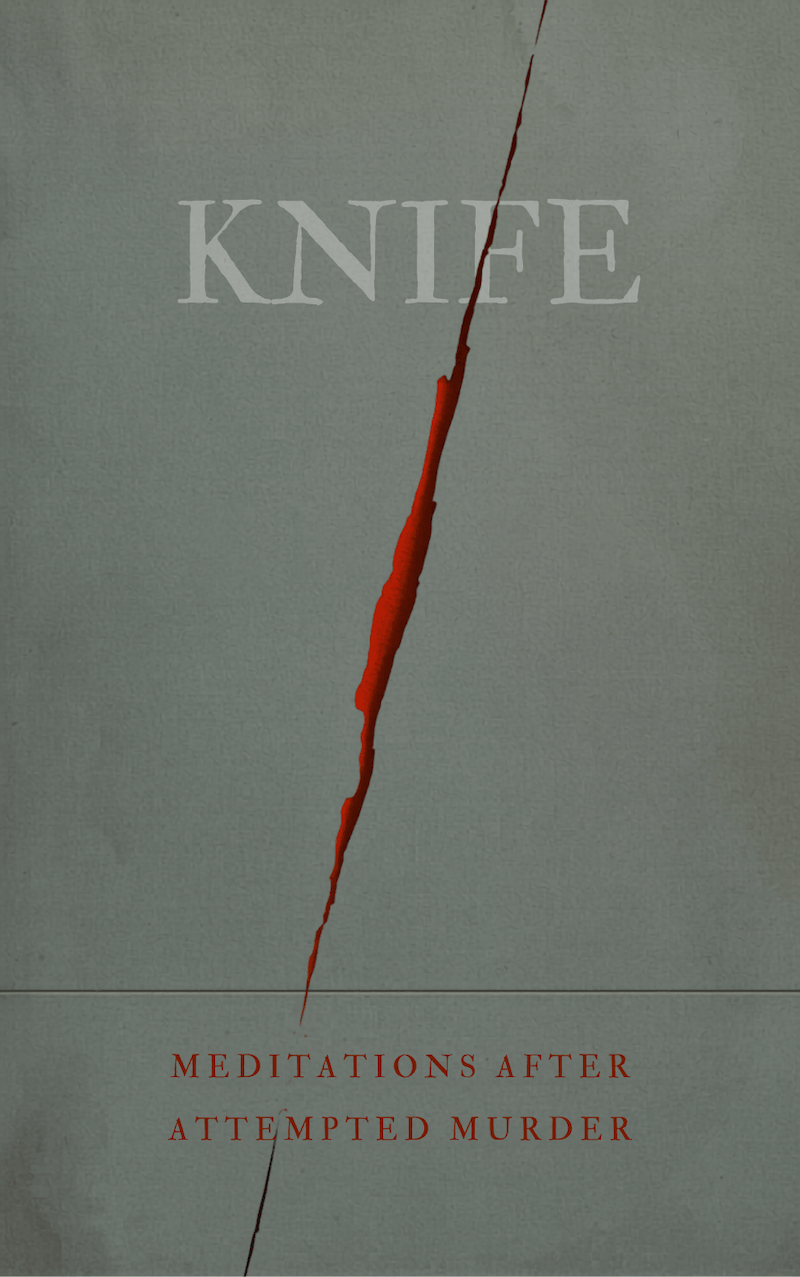
Knife Book Summary
This Knife Book Summary covers the key ideas, lessons, and takeaways in about 20 minutes.
At the same time, the book emphasizes the importance of maintaining control over one’s life and identity. Rushdie refuses to be defined by the attack and instead focuses on continuing his work and expressing himself creatively. This determination highlights a powerful idea: even in the face of violence and loss, individuals can shape their own stories. The ability to choose how to respond to adversity becomes a central form of strength.
Helps with these goals
Want the complete 20-minute summary?
- Full structured summary
- Video Summary
- Podcast Summary
- Audio summary
- Key takeaways
- Exercises
- Quiz
- Highlights and notes
- Ask the book with AI
What is in the Knife book summary?
Below is a preview of Sumizeit’s expert-written summary of Knife by Salman Rushdie. The full summary covers the book’s key ideas in text, audio, and video.
Salman Rushdie’s Knife begins with an ordinary public appearance that quickly turns into a life-threatening event. The author is preparing to speak when, without warning, a man dressed in dark clothing rushes toward him with a blade. There is no buildup, no gradual escalation—just a shocking interruption of normal life. The speed of the attacker leaves Rushdie with almost no time to react. He becomes aware of the danger only moments before being struck.
The assault is brutal and relentless. The attacker repeatedly drives the weapon into Rushdie’s body, injuring multiple areas including his neck, face, chest, and limbs. The scene is chaotic, but Rushdie’s account highlights something unexpected: even in the middle of the violence, his mind remains partially calm and observant. He notices details, reflects on what might happen next, and even registers a strange stillness beneath the panic.
This opening section establishes the tone for the entire book. It is not only about what happened, but about how it felt to experience such an event from inside one’s own body and mind. The attack is both physical and deeply psychological, creating a fracture between the life that existed before and the reality that follows.
The Experience of Near Death
As the attack continues, Rushdie becomes aware that he might not survive. He describes lying injured, losing blood, and gradually slipping toward unconsciousness. What stands out is the quiet reflection that occurs in this moment. Instead of chaos dominating his thoughts, there is a kind of clarity. He considers the possibility of dying and the loneliness of that experience—being separated from loved ones in his final moments.
There is also confusion among the people nearby. Some initially think the event is staged or part of a performance, which delays their response. This misunderstanding adds to the surreal nature of the situation. It shows how difficult it can be for observers to recognize real danger when it appears suddenly and unexpectedly.
Eventually, the severity of the situation becomes clear, and help arrives. But by this point, Rushdie has already entered a critical state. The transition from awareness to unconsciousness marks a turning point, moving the narrative from the immediate violence of the attack into the uncertain space between life and death.
Emergency Care and a Fight to Survive
Rushdie is transported to a hospital where doctors quickly assess the extent of his injuries. The damage is severe, affecting vital areas of the body. He undergoes a long and complex surgical procedure that lasts several hours. The operation is necessary to repair internal injuries and stop the bleeding that threatens his life.
The medical team becomes central to the story at this stage. Rushdie portrays them as highly skilled professionals working under extreme pressure. Their actions are precise and urgent, driven by the need to stabilize a patient whose condition is fragile.
After surgery, he is placed on a ventilator to assist with breathing. This marks the beginning of a critical care phase in which survival is uncertain.
Want the complete 20-minute summary?
- Full structured summary
- Video Summary
- Podcast Summary
- Audio summary
- Key takeaways
- Exercises
- Quiz
- Highlights and notes
- Ask the book with AI
Who should read Knife?
Knife is essential reading for anyone interested in understanding trauma, resilience, and survival from a firsthand perspective. It speaks to those who have experienced violence or serious injury, as well as readers seeking insight into the psychological and physical dimensions of recovery. The book also appeals to admirers of Salman Rushdie's work and those interested in memoirs that blend personal reflection with deeper questions about identity and freedom.
Why does Knife matter?
Knife offers a rare, unflinching account of what it means to survive a violent attack and rebuild a life afterward. In an era marked by increasing violence and social division, Rushdie's detailed narrative demonstrates how individuals can maintain their humanity, creativity, and sense of self after trauma. The book serves as a powerful meditation on resilience, the importance of medical care and emotional support, and the refusal to be defined by victimhood.
What are the key themes in Knife?
- The physical and psychological dimensions of trauma and survival
- The long, nonlinear journey of recovery and healing
- Maintaining identity and creative expression after violence
- The role of medical care, therapy, and human connection in recovery
- Resilience as an active, ongoing process rather than a destination
- The difference between surviving and truly living
What are the key lessons from the Knife book summary?
Trauma doesn't announce itself
Violence and life-changing events arrive without warning, shattering the assumption of safety in ordinary moments. Recognition of danger often comes too late to prevent impact.
The mind remains observant even in extreme danger
During the attack, Rushdie's consciousness registers details and reflections even as his body is being harmed. The human mind can maintain some clarity and awareness even in the midst of chaos.
Recovery begins in the hospital, not after
The fight to survive extends far beyond the initial attack, requiring emergency intervention, surgery, and intensive medical care. Survival itself is an active, sustained effort.
Regaining basic functions is an achievement
Simple acts like breathing independently, speaking, and walking become major milestones that require significant effort and represent profound victories in recovery.
Rehabilitation is demanding and frustrating
Physical therapy and relearning basic tasks require persistence through pain and setbacks. Progress is real but measured in small increments that demand determination.
Complications arise throughout healing
Recovery is not a straightforward path; medical complications and side effects create new challenges that require ongoing adjustment and problem-solving.
Permanent disability changes your relationship with the world
Loss of vision and mobility limitations are constant reminders of the attack and require fundamental adaptation to how one navigates daily life and creative work.
Support systems are not optional
Emotional and practical support from medical professionals, loved ones, and caregivers is essential to survival and recovery. Healing cannot happen in isolation.
Trauma leaves psychological scars alongside physical ones
Nightmares, anxiety, and intrusive memories persist long after physical wounds heal, demonstrating that emotional recovery requires as much attention and professional help as physical healing.
Your public identity can be reshaped by tragedy
After the attack, Rushdie risks being defined primarily by violence rather than by his achievements as a writer. Reclaiming identity requires active resistance to this narrative.
Creative expression becomes an act of defiance
Continuing to write and create after trauma is not just therapeutic—it is a powerful assertion of freedom and control over one's own narrative and future.
You cannot return to the life before
Fundamental life changes mean that the goal of recovery is not restoration but adaptation. A new normal must be built rather than simply reclaimed.
Healing is an ongoing journey, not a destination
There is no fixed endpoint to recovery; progress is uneven, setbacks occur, and healing continues indefinitely. This acceptance is essential to moving forward.
Physical limitations do not define your worth
Despite lasting injuries and disabilities, Rushdie insists on maintaining his identity and creative practice, showing that value extends far beyond physical capability.
Survival requires both internal strength and external help
Resilience is not purely individual willpower; it emerges from the combination of personal determination, medical expertise, emotional support, and access to care.
The attack becomes a before-and-after marker
Traumatic events create a permanent division in one's life story. Understanding this division is necessary to moving forward and building meaning after tragedy.
Small victories accumulate into larger transformations
Each small step in recovery—removing a breathing tube, taking a few steps, speaking a sentence—builds momentum toward a fundamentally different life.
Vulnerability and dependence are part of healing
Accepting help, relying on medical devices, and acknowledging limitations are not weaknesses but necessary steps in the recovery process.
Freedom of expression remains a core value
Despite everything, Rushdie refuses to let violence control what he writes or how he expresses himself. Freedom becomes an anchor in the recovery process.
Want the complete 20-minute summary?
- Full structured summary
- Video Summary
- Podcast Summary
- Audio summary
- Key takeaways
- Exercises
- Quiz
- Highlights and notes
- Ask the book with AI
How can you apply ideas from Knife?
- If recovering from trauma or serious injury, seek both medical and psychological support rather than attempting recovery alone
- Recognize that rehabilitation requires patience; celebrate small milestones rather than focusing only on long-term goals
- Develop a support network of trusted people—caregivers, medical professionals, family, and friends—and allow them to help
- Use creative expression or meaningful activities to process trauma and maintain a sense of identity beyond the injury or attack
- Adapt expectations for recovery; focus on building a new normal rather than returning to the previous life
- Address mental health and emotional processing with the same seriousness given to physical recovery
- Use assistive devices and tools not as signs of weakness but as enablers of independence and quality of life
What common mistakes do readers make with Knife?
- Expecting recovery to be linear and steady when it is actually uneven with setbacks and complications
- Isolating yourself during recovery rather than accepting and utilizing available support systems
- Allowing the traumatic event to become the primary definition of your identity and self-worth
- Neglecting emotional and psychological recovery while focusing only on physical healing
Sumizeit Exercises Apply what you've learned
Turn ideas from Knife into action with a short guided reflection: identify the biggest takeaway, connect it to your life, and commit to one step you can take in the next 24 hours.
What is the expert analysis of Knife?
Overview
Knife is a poignant and harrowing memoir by Salman Rushdie, a literary titan renowned for his intricate narratives and exploration of cultural and philosophical themes. This work diverges from his usual fictional oeuvre, offering an intimate and unflinching account of his near-fatal stabbing and the arduous journey of recovery that followed. The book’s significance lies not only in its vivid portrayal of trauma and survival but also in its meditation on identity, resilience, and the human capacity to reclaim agency after violence. Rushdie’s stature as a global literary figure lends this personal narrative a profound gravity, inviting readers to engage with the complexities of healing beyond the physical.
Core Thesis
At its core, Knife argues that surviving a violent, life-altering event is merely the commencement of a protracted and multifaceted process of healing. Rushdie contends that recovery transcends the restoration of bodily functions; it encompasses emotional, psychological, and existential reconstruction. The memoir posits that resilience emerges through persistent effort, the support of others, and the deliberate reassertion of one’s identity and creative spirit. Central to this thesis is the idea that trauma reshapes but does not define the self, and that the act of choosing how to respond to adversity is a profound form of empowerment.
Strengths
- Raw and Immediate Narrative: Rushdie’s detailed recounting of the attack and its aftermath immerses the reader in the visceral reality of trauma, evoking empathy and a deep understanding of the survivor’s experience.
- Psychological Insight: The memoir excels in conveying the complex interplay between physical injury and mental states, particularly the moments of clarity amid chaos and the psychological challenges of recovery.
- Exploration of Identity and Creativity: Rushdie’s reflections on maintaining his artistic identity despite physical limitations provide a compelling meditation on the role of creativity as a form of healing and resistance.
- Honest Portrayal of Recovery’s Complexity: The book avoids simplistic narratives of triumph, instead presenting recovery as uneven, fraught with setbacks, and deeply reliant on social and medical support systems.
- Literary Craftsmanship: Even in memoir form, Rushdie’s eloquent prose and narrative structure elevate the work, blending personal history with broader philosophical questions.
Critiques & Counterarguments
- Potential Overemphasis on Individual Resilience: While Rushdie’s focus on personal determination is inspiring, it may underplay systemic factors such as access to high-quality medical care and social privilege that significantly influence recovery outcomes.
- Limited Engagement with Broader Sociopolitical Context: The memoir centers on the personal and psychological but offers less analysis of the political and cultural forces surrounding the attack, which could provide a richer understanding of its implications.
- Risk of Narrative Closure: The framing of recovery as a journey with meaningful progress might inadvertently marginalize those for whom healing is less linear or incomplete, a critique often raised in trauma studies.
- Contrasting Perspectives on Trauma Recovery: Some psychological research emphasizes the role of community and collective healing over individual agency, suggesting that Rushdie’s emphasis on personal control may not universally apply.
- Philosophical Debates on Identity Post-Trauma: Opposing schools of thought argue that trauma fundamentally alters identity in ways that resist reconstitution, challenging the memoir’s optimistic portrayal of reclaiming a coherent self.
Who Should Read This
Knife is essential reading for those interested in the intersections of trauma, resilience, and creativity, including scholars and practitioners in psychology, medical humanities, and literary studies. It will resonate deeply with readers who appreciate memoirs that confront physical and emotional adversity with intellectual rigor and poetic sensitivity. Additionally, individuals seeking insight into the lived experience of recovery, as well as admirers of Rushdie’s literary legacy eager to witness a more personal dimension of his work, will find this book compelling and enlightening.
Frequently asked questions about the Knife book summary
What is Knife about?
Knife by Salman Rushdie is a memoir recounting the author's survival of a brutal knife attack and his long, difficult journey toward physical, emotional, and psychological recovery. The book details not just the attack itself but the hospital care, rehabilitation, complications, and ongoing healing process that follows, while exploring themes of resilience, identity, and the power of creative expression to sustain us through trauma.
Who should read Knife?
Knife is valuable for anyone seeking to understand trauma and survival, particularly those with personal experience of violence or serious injury. It appeals to readers interested in memoirs that blend personal reflection with broader questions about human resilience, as well as fans of Salman Rushdie's work who want insight into his life and character. The book also speaks to anyone interested in the intersection of physical recovery, mental health, and identity reconstruction.
What are the main takeaways from Knife?
The main takeaways include that recovery from trauma is a long, nonlinear process requiring both physical and emotional work; that survival depends on medical expertise, personal determination, and human connection; and that individuals can maintain their identity, creativity, and sense of purpose even after life-altering violence. The book also emphasizes that healing is ongoing rather than a final destination, and that refusing to be defined by victimhood is an act of defiance and freedom.
How does Rushdie describe the moment of the attack?
Rushdie describes the attack as sudden and violent, arriving without warning during a public appearance. Despite the chaos and severity of his injuries, he notes that his mind remains partially observant, registering details even as he is being struck. This combination of physical trauma and mental awareness creates a surreal, deeply disorienting experience that marks a permanent division in his life.
What permanent effects does the attack have on Rushdie?
Rushdie loses vision in one eye and experiences limited movement in one hand, both lasting reminders of the attack. These permanent disabilities affect not only his daily functioning but also his work as a writer. The book explores how he adapts to these changes while resisting the temptation to be defined by them.
Does Rushdie discuss the emotional impact of the attack?
Yes, Knife devotes significant attention to the psychological aftermath, including nightmares, anxiety, and intrusive memories. Rushdie emphasizes the importance of therapy and mental health support in processing trauma, showing that emotional recovery is as crucial and challenging as physical healing. He demonstrates how trauma affects not just the body but the mind and sense of self.
What role does creativity play in Rushdie's recovery?
Writing and creative expression become central to Rushdie's recovery and sense of identity. He refuses to let the attack dictate his creative work or define him as a victim rather than an artist. Continuing to write serves as both a practical and symbolic assertion of freedom, control, and the continuity of his life and purpose.
About Sumizeit
Sumizeit is a profitable Scomy LLC company based in Miami, Florida. It has been helping readers learn from nonfiction books for 7 years with expert-written summaries in text, audio, podcast, and video.
Want the complete 20-minute summary?
- Full structured summary
- Video Summary
- Podcast Summary
- Audio summary
- Key takeaways
- Exercises
- Quiz
- Highlights and notes
- Ask the book with AI
Here's why readers love Sumizeit
Join thousands of learners getting smarter every day
"Great experience. Detailed summaries. Loved the gamification feature. Makes learning fun. Good customer service. I recommend Sumizeit to anyone. You'll learn a lot."
"I always felt busy but still wanting to keep up with the book discussion in my friend group. This was a great supplement to help me keep reading the books I find fun while keeping up with important books."
"I love this website. Instead of scrolling social media, I find myself learning a lot. I use it everyday. I recommend this app for anyone who is too busy and wants to get up to speed with their favorite books."
Knife Book Summary PDF
Looking for a Knife Book Summary PDF you can save and revisit offline? Our Knife Book Summary PDF captures the book’s core ideas in a clean, printable format — the key frameworks, takeaways, and structure without the fluff. Download the Knife Book Summary PDF when you want a reference you can annotate, share with your team, or review on the go. Get your Knife Book Summary PDF from the download page below.
Download Knife Book Summary PDFPeople also liked these summaries
Readers who explored Knife often enjoyed these titles next.



Want the complete 20-minute summary?
- Full structured summary
- Video Summary
- Podcast Summary
- Audio summary
- Key takeaways
- Exercises
- Quiz
- Highlights and notes
- Ask the book with AI
Featured Book Titles
Popular Book Summaries at sumizeit, leading book summary app