


Prefer the print book? Buy on Amazon
As an Amazon Associate, Sumizeit earns from qualifying purchases.
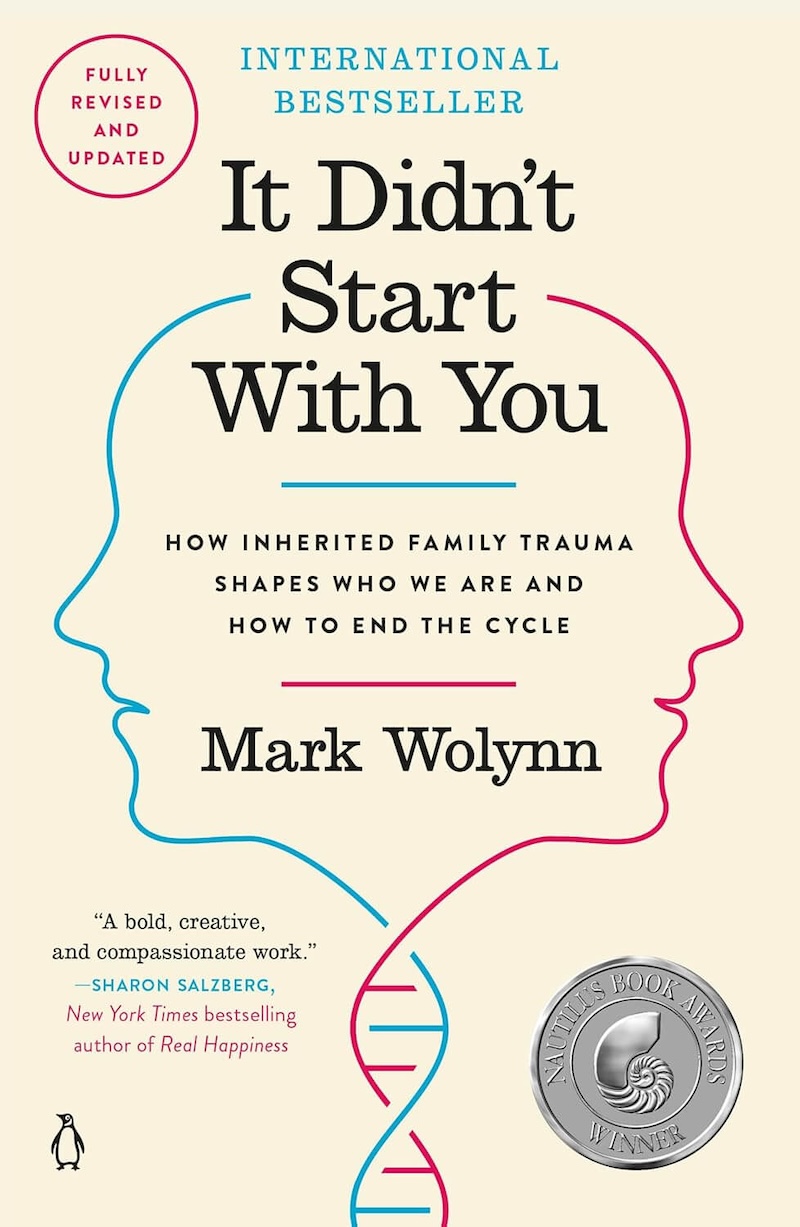
It Didn’t Start with You: How Inherited Family Trauma Shapes Who We Are and How to End the Cycle Book Summary
This It Didn’t Start with You: How Inherited Family Trauma Shapes Who We Are and How to End the Cycle Book Summary covers the key ideas, lessons, and takeaways in about 20 minutes.
Short Description:
It Didn’t Start with You shows trauma’s generational impact and healing.
By uncovering hidden histories, decoding core emotional language, restoring excluded family members, and regulating the nervous system, individuals can break generational cycles and transform inherited pain into resilience. Healing becomes an act of liberation for both the self and future descendants. The past cannot be changed, but the emotional legacy it leaves can be rewritten. Awareness replaces confusion, compassion replaces shame, and freedom replaces unconscious repetition.
Helps with these goals
Want a Free Weekly Read?
Get a free summary every week straight to your mailbox.
Preview the It Didn’t Start with You: How Inherited Family Trauma Shapes Who We Are and How to End the Cycle book summary
Below is a preview of Sumizeit’s comprehensive human-written summary of It Didn’t Start with You: How Inherited Family Trauma Shapes Who We Are and How to End the Cycle by Mark Wolynn. The full summary is 15-20 minutes long and covers the book’s key ideas in text, audio, visual, and video formats. Unlock the full 20 Minute Summary
"It Didn’t Start with You: How Inherited Family Trauma Shapes Who We Are and How to End the Cycle" by Mark Wolynn introduces the powerful idea that many emotional struggles, behavioral patterns, and chronic symptoms originate not from our personal experiences, but from unresolved trauma carried within our family lineage. This groundbreaking work weaves together psychology, neuroscience, and epigenetics to show how trauma from one generation can be genetically and emotionally transmitted to the next, influencing how people feel and behave decades later. By learning to identify and decode the hidden language of inherited trauma, individuals can free themselves from burdens that are not truly theirs and create new patterns for future generations.
Wolynn explains that trauma can become embedded in DNA through biochemical changes and that descendants of trauma survivors often inherit heightened sensitivity to stress, disproportionate fear responses, or persistent emotional pain without clear cause. Many people live out unconscious family histories because the body holds what the family system cannot voice. This means the past is never really gone — it lives inside us until it is acknowledged and transformed.
The book blends scientific research, therapeutic practices, and deeply moving case studies to illustrate how uncovering family history and rewiring emotional associations enables healing. Instead of repeating patterns blindly, individuals can rewrite their internal narratives and reclaim identity, safety, and belonging.
The Concept of Inherited Trauma
Wolynn begins by describing how trauma is not only psychological but biological. When an overwhelming event threatens survival — such as genocide, abuse, war, poverty, forced relocation, suicide, or devastating loss — the body responds with biochemical changes that help the individual survive. These changes modify gene expression and can be passed down to children and grandchildren.
Examples illustrate this vividly. Holocaust survivor studies found that grandchildren of survivors displayed unusually high cortisol sensitivity and dramatically heightened fight-or-flight responses even though they were born decades after the trauma. Similar results appear in research involving descendants of war veterans, famine victims, and prisoners of war. Their bodies behave as though danger is still present.
Wolynn describes inherited trauma as an emotional echo traveling through time. A person may experience panic attacks triggered by situations unrelated to their own life, nightmares about events they never witnessed, or irrational fears that feel unexplainable. A fear of drowning might trace back to an ancestor lost at sea. A tendency to isolate may originate from a great-grandparent who was ostracized or banished. A paralyzing fear of losing loved ones may come from generations impacted by epidemic deaths.
Without understanding ancestry, people assume the problem lies within themselves. Wolynn argues that recognizing trauma’s origins removes shame. Instead of believing they are broken, individuals discover they are carrying responses that were once adaptive for their family’s survival.
The Core Language Approach
Central to Wolynn’s method is the Core Language Approach — a technique for uncovering the hidden messages embedded in emotional struggles. He explains that trauma speaks through repetitive language patterns that reveal unresolved wounds.
Want the complete 20-minute summary?
- Full structured summary
- Video Summary
- Podcast Summary
- Audio summary
- Key takeaways
- Exercises
- Quiz
- Highlights and notes
- Ask the book with AI
Who should read It Didn’t Start with You: How Inherited Family Trauma Shapes Who We Are and How to End the Cycle?
This book is essential for anyone experiencing unexplained anxiety, depression, chronic patterns, or behavioral struggles with no clear personal origin. It's particularly valuable for those interested in understanding family history, healing intergenerational wounds, or breaking cycles of suffering that feel beyond their control.
Why does It Didn’t Start with You: How Inherited Family Trauma Shapes Who We Are and How to End the Cycle matter?
In a world where mental health symptoms are often treated in isolation, It Didn't Start with You challenges us to look backward through our family tree for answers. Mark Wolynn's work bridges psychology and science to reveal that much of our emotional pain may not be personal failure but rather inherited trauma—a reframing that transforms shame into compassion and opens pathways to genuine healing.
What are the key themes in It Didn’t Start with You: How Inherited Family Trauma Shapes Who We Are and How to End the Cycle?
- Inherited trauma transmitted across generations through epigenetics and emotional memory
- The body as a messenger carrying unresolved family pain
- Core language as a map to hidden family histories
- Family entanglement and unconscious loyalty to ancestral suffering
- Symptoms reframed as signals rather than disorders
- The healing power of acknowledging and honoring ancestral stories
How can you apply ideas from It Didn’t Start with You: How Inherited Family Trauma Shapes Who We Are and How to End the Cycle?
- Identify your core language by journaling recurring phrases about yourself and life, then trace them to family history interviews with older relatives
- Create a family genogram documenting major traumas (deaths, illnesses, wars, losses, relocations) across multiple generations to visualize inheritance patterns
- Practice healing sentences aloud—acknowledging ancestral suffering and consciously returning burdens that aren't yours to carry
- Develop a nervous system regulation practice combining deep breathing, grounding techniques, and sensory awareness to retrain your body's stress response
- Gather fragmented family stories through interviews, documents, photos, and cultural history research, focusing on emotional truth rather than complete facts
- Work with a somatic therapist or trained practitioner to process inherited trauma held in the body through guided imagery and embodied awareness
- Create rituals or symbolic acts that honor excluded or suffering ancestors, helping your nervous system release loyalty to their pain
What common mistakes do readers make with It Didn’t Start with You: How Inherited Family Trauma Shapes Who We Are and How to End the Cycle?
- Assuming that unexplained symptoms are purely personal psychological issues rather than investigating family history first
- Treating only the symptom (managing anxiety, numbing depression) without addressing the ancestral wound beneath it
- Remaining in silence about family trauma out of loyalty or shame, which perpetuates unconscious transmission to the next generation
- Blaming yourself for patterns of self-sabotage or relationship failure without recognizing them as unconscious family entanglement
Sumizeit Exercises Apply what you've learned
Turn ideas from It Didn’t Start with You: How Inherited Family Trauma Shapes Who We Are and How to End the Cycle into action with a short guided reflection: identify the biggest takeaway, connect it to your life, and commit to one step you can take in the next 24 hours.
What is the expert analysis of It Didn’t Start with You: How Inherited Family Trauma Shapes Who We Are and How to End the Cycle?
Overview
"It Didn’t Start with You: How Inherited Family Trauma Shapes Who We Are and How to End the Cycle" is authored by Mark Wolynn, a prominent figure in the field of inherited family trauma. Wolynn’s work stands at the intersection of psychology, neuroscience, epigenetics, and family systems therapy, offering a pioneering perspective on how trauma is transmitted across generations. This book is significant for its synthesis of scientific research with therapeutic practice, providing both a conceptual framework and practical tools for understanding and healing inherited emotional wounds. Wolynn’s expertise and clinical experience lend credibility and depth to his exploration of a subject that challenges conventional notions of trauma as solely individual and immediate.
Core Thesis
The central argument of Wolynn’s book is that many emotional difficulties, behavioral patterns, and even physical symptoms are not solely the result of an individual’s own experiences but are deeply influenced by unresolved trauma inherited from previous generations. Through biochemical changes in gene expression—epigenetics—and unconscious emotional transmission, trauma leaves an imprint that shapes descendants’ psychological and physiological responses. Wolynn contends that recognizing and decoding this inherited trauma, particularly through his Core Language Approach, enables individuals to break free from unconscious family loyalties and cycles of suffering, thereby reclaiming identity, safety, and emotional autonomy.
Strengths
- Interdisciplinary Integration: Wolynn adeptly weaves together cutting-edge epigenetic research, neuroscience, and clinical psychology, making complex scientific concepts accessible and relevant to therapeutic practice.
- Innovative Therapeutic Framework: The Core Language Approach offers a novel and practical method for uncovering hidden emotional narratives, providing clinicians and readers with concrete tools to identify and address inherited trauma.
- Compelling Case Studies: The inclusion of detailed, emotionally resonant clinical examples humanizes abstract theories and illustrates the transformative potential of acknowledging family trauma.
- Reframing Symptoms: By conceptualizing symptoms as messengers rather than mere disorders, Wolynn shifts the therapeutic paradigm towards compassion and curiosity, encouraging deeper exploration rather than suppression.
- Emphasis on Narrative Restoration: The book highlights the power of family stories and emotional truth in healing, underscoring the importance of context and meaning in psychological well-being.
Critiques & Counterarguments
- Evidence Limitations: While epigenetic research is promising, the current scientific consensus remains cautious about the extent to which complex emotional trauma is directly inherited genetically. Many studies cited involve animal models or small human cohorts, which limits generalizability.
- Potential Oversimplification: The book risks attributing a wide range of psychological symptoms to inherited trauma, potentially overlooking multifactorial causes such as individual life experiences, socio-economic factors, and cultural influences.
- Therapeutic Generalization: The Core Language Approach, while innovative, may not be universally applicable or sufficient for all clients, especially those with severe psychiatric conditions or trauma unrelated to family history.
- Alternative Explanations: Competing psychological models, such as cognitive-behavioral therapy or trauma-informed care, emphasize present-focused interventions and may challenge the necessity of deep ancestral exploration for healing.
- Risk of Determinism: By emphasizing inherited trauma, there is a subtle risk of fostering a deterministic view of identity and suffering, which might inadvertently reduce personal agency if not carefully balanced.
Who Should Read This
This book is ideally suited for mental health professionals, therapists, and counselors seeking to deepen their understanding of intergenerational trauma and expand their therapeutic repertoire. It also appeals to scholars and students of psychology, neuroscience, and epigenetics interested in the emerging dialogue between biology and family systems. Additionally, individuals grappling with unexplained emotional or physical symptoms who are open to exploring family history as a source of insight may find this work profoundly illuminating. Finally, readers invested in self-improvement and healing narratives will appreciate Wolynn’s compassionate approach to reclaiming identity and breaking cycles of inherited pain.
Frequently asked questions about the It Didn’t Start with You: How Inherited Family Trauma Shapes Who We Are and How to End the Cycle book summary
What is It Didn't Start with You: How Inherited Family Trauma Shapes Who We Are and How to End the Cycle about?
It Didn't Start with You by Mark Wolynn explores how trauma from previous generations is transmitted to descendants through both epigenetic changes and emotional inheritance. The book explains how unresolved family wounds shape fears, behaviors, and symptoms in later generations and provides practical methods—including the Core Language Approach and healing sentences—to identify, understand, and resolve inherited trauma patterns.
Who should read It Didn't Start with You: How Inherited Family Trauma Shapes Who We Are and How to End the Cycle?
This book is ideal for anyone experiencing unexplained anxiety, depression, chronic patterns, or self-sabotage without clear personal cause. It's also valuable for therapists, counselors, and healing practitioners seeking to understand generational trauma; people interested in family history and genealogy; and anyone motivated to break cycles of suffering and create healing for future generations.
What are the main takeaways from It Didn't Start with You: How Inherited Family Trauma Shapes Who We Are and How to End the Cycle?
The main takeaways include: trauma is transmitted across generations through epigenetics and emotional memory; symptoms are messengers revealing hidden family wounds rather than personal defects; core language patterns reveal unconscious family burdens; restoring family narratives and honoring ancestral suffering transforms shame into compassion; and deliberate healing work—including nervous system regulation and conscious release of inherited burdens—breaks generational cycles and creates freedom for both the individual and future descendants.
How does inherited trauma work according to Mark Wolynn?
Wolynn explains that traumatic events trigger epigenetic changes affecting gene expression and nervous system function. These biochemical shifts can be inherited by descendants, causing them to experience heightened stress sensitivity, disproportionate fear responses, and unexplained emotional pain. Trauma also becomes embedded through family entanglement—unconscious emotional bonding that compels later generations to repeat patterns or carry unresolved suffering as a form of loyalty to affected ancestors.
What is the Core Language Approach?
The Core Language Approach is Mark Wolynn's technique for uncovering hidden family trauma through analysis of repetitive emotional language. It identifies core complaints ('I always expect the worst'), core descriptors ('I'm invisible'), and core sentences ('I don't belong') that reveal unresolved wounds. These phrases act as clues pointing to displaced emotional memory and ancestral suffering, allowing individuals to decode the hidden messages their nervous system has been carrying.
Can inherited trauma be healed?
Yes, Wolynn emphasizes that healing is possible through acknowledging ancestral suffering, restoring family narratives, using healing sentences to release burdens, practicing nervous system regulation, and consciously separating personal identity from inherited patterns. The healing process transforms the emotional legacy passed down, breaking cycles for both the individual and future generations while reclaiming personal authorship and freedom.
What is the science behind inherited trauma?
Wolynn integrates epigenetic research showing that traumatic stress alters gene expression, neurotransmitter function, and cortisol production in ways that can be inherited. Studies of Holocaust survivors, famine victims, and combat veterans demonstrate that descendants display heightened fear responses and stress sensitivity without having experienced the original trauma. This biological inheritance explains why the nervous system may perceive danger even when the current environment is safe.
About Sumizeit
Sumizeit is a profitable Scomy LLC company based in Miami, Florida. Our founders, Clemens Raemy and Weina Scott, are successful entrepreneurs with several exits. Sumizeit is a popular book summary app / micro learning app used by busy professionals and entrepreneurs with over 2,500 non-fiction book summaries and 10,000 podcast summaries in text, audio, visual, podcast, and video format. We also have stellar retention tools to make ideas stick - such as flashcards with spaced repetition, quizzes, streaks, highlighting and notes, daily challenges, riddles, mini-courses, meditation, and more. You won't only learn the idea, but also remember it. Over 90% of our users change their habits with Sumizeit.
Upgrade Now
Here's why readers love Sumizeit
Join thousands of learners getting smarter every day
"Great experience. Detailed summaries. Loved the gamification feature. Makes learning fun. Good customer service. I recommend Sumizeit to anyone. You'll learn a lot."
"I always felt busy but still wanting to keep up with the book discussion in my friend group. This was a great supplement to help me keep reading the books I find fun while keeping up with important books."
"I love this website. Instead of scrolling social media, I find myself learning a lot. I use it everyday. I recommend this app for anyone who is too busy and wants to get up to speed with their favorite books."
It Didn’t Start with You: How Inherited Family Trauma Shapes Who We Are and How to End the Cycle Book Summary PDF
Looking for a It Didn’t Start with You: How Inherited Family Trauma Shapes Who We Are and How to End the Cycle Book Summary PDF you can save and revisit offline? Our It Didn’t Start with You: How Inherited Family Trauma Shapes Who We Are and How to End the Cycle Book Summary PDF captures the book’s core ideas in a clean, printable format — the key frameworks, takeaways, and structure without the fluff. Download the It Didn’t Start with You: How Inherited Family Trauma Shapes Who We Are and How to End the Cycle Book Summary PDF when you want a reference you can annotate, share with your team, or review on the go. Get your It Didn’t Start with You: How Inherited Family Trauma Shapes Who We Are and How to End the Cycle Book Summary PDF from the download page below.
Download It Didn’t Start with You: How Inherited Family Trauma Shapes Who We Are and How to End the Cycle Book Summary PDFPeople also liked these summaries
Readers who explored It Didn’t Start with You: How Inherited Family Trauma Shapes Who We Are and How to End the Cycle often enjoyed these titles next.
Ready to read the whole thing?
- Full structured summary
- Video Summary
- Podcast Summary
- Audio summary
- Key takeaways
- Exercises
- Quiz
- Highlights and notes
- Ask the book with AI
Featured Book Titles
Popular Book Summaries at sumizeit, leading book summary app