


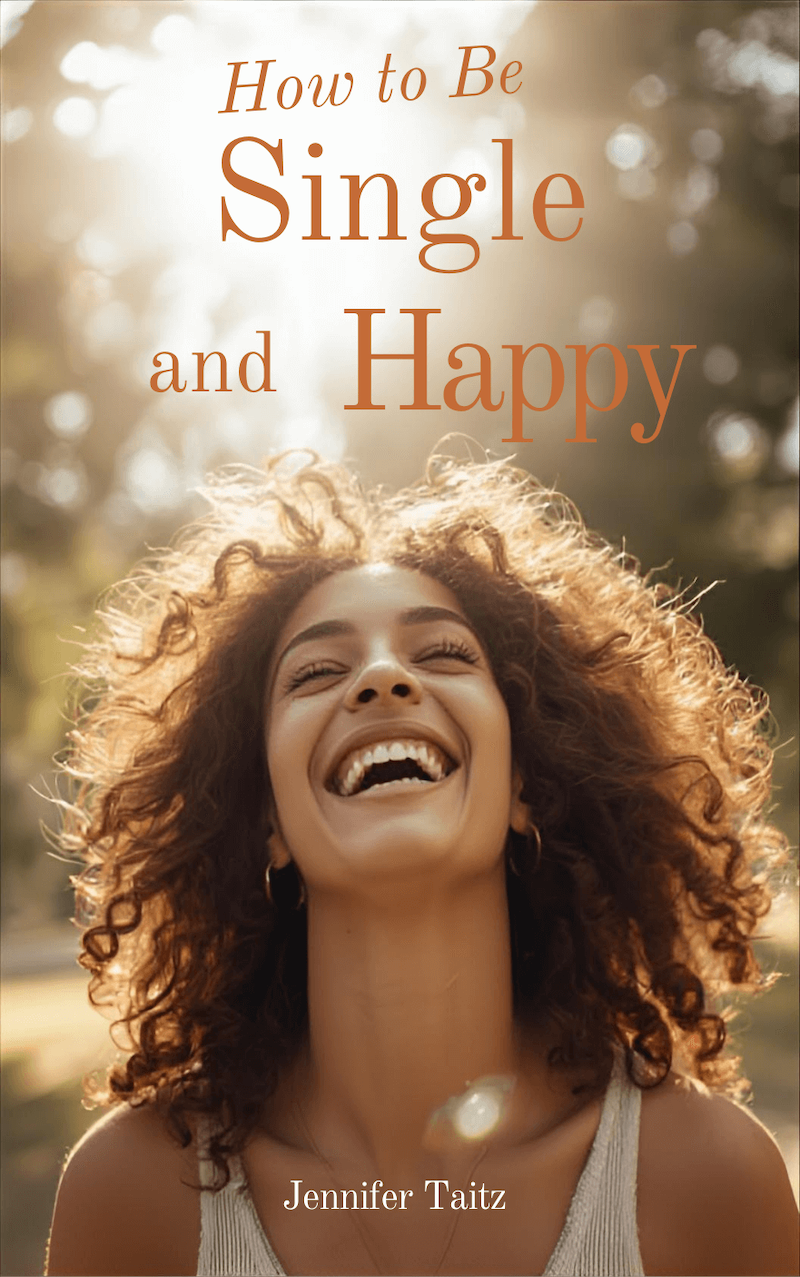
Prefer the print book? Buy on Amazon
As an Amazon Associate, Sumizeit earns from qualifying purchases.
How to Be Single and Happy Book Summary
This How to Be Single and Happy Book Summary covers the key ideas, lessons, and takeaways in about 20 minutes.
Short Description:
How to Be Single and Happy cultivates happiness through internal resilience.
By shifting attention from what is missing to what is possible, individuals gain agency, build confidence, and create lives that feel full—whether or not romantic love enters the picture. Ironically, when people stop chasing love desperately and instead build meaningful lives, they often become more open and equipped for healthy relationships. But the deeper victory is discovering that one’s value is intrinsic, not conditional. The book ultimately teaches that single life is not a waiting room; it is a stage ripe with opportunity, independence, creativity, community, and growth.
Helps with these goals
Want a Free Weekly Read?
Get a free summary every week straight to your mailbox.
Preview the How to Be Single and Happy book summary
Below is a preview of Sumizeit’s comprehensive human-written summary of How to Be Single and Happy by Jennifer Taitz. The full summary is 15-20 minutes long and covers the book’s key ideas in text, audio, visual, and video formats. Unlock the full 20 Minute Summary
Jennifer Taitz’s How to Be Single and Happy dismantles one of the most deeply ingrained cultural beliefs: that happiness must be delivered through romantic partnership. According to Taitz, society often treats singlehood as a temporary holding pattern, a pause button waiting for real life to begin once a romantic partner arrives. This belief positions love as a prize earned through performance or luck, and suggests that emotional fulfillment is impossible without someone else validating our worth. Taitz emphasizes that extensive psychological research contradicts this assumption. Circumstantial factors, including relationship status, account for only a sliver of long-term happiness, while intentional behaviors—such as engaging in meaningful activities, developing interests, and practicing emotional regulation—carry far greater influence over life satisfaction.
Instead of treating relationships as the grand solution to distress or loneliness, Taitz proposes that people shift their focus to constructing a fulfilling and autonomous life. Rather than hunting relentlessly for someone who will magically complete them, she encourages cultivating purpose, building community, and nurturing internal stability. For example, instead of spending weekends anxiously monitoring dating apps or comparing oneself to friends who are married, someone might choose to pursue a new hobby, take a creative class, deepen friendships, or work toward a personal goal. These are the types of actions scientifically proven to increase well-being, and they also make life richer—regardless of romantic outcomes.
Escaping the “Husband Treadmill” and Rumination Trap
A central theme of the book is the concept that Taitz calls the “husband treadmill”: the exhausting, repetitive pattern of constantly scanning life for romantic potential, seeking validation through dating outcomes, and feeling perpetually behind when the pursuit does not yield immediate results. This treadmill mirrors the psychological experience of never-ending striving with little satisfaction, repeatedly reinforcing the message that happiness exists just beyond reach. In parallel, many single individuals become trapped in cycles of mental rumination—fixating on painful memories, endlessly dissecting past relationships, and catastrophizing about the future.
Rumination is one of the strongest predictors of depression and anxiety, and it diminishes both emotional well-being and problem-solving ability. For example, instead of allowing themselves to recover from a disappointing relationship, someone may repeatedly replay conversations, analyze every possible mistake, and torment themselves with thoughts like, “What if I never find anyone again?” These mental spirals intensify feelings of isolation and may lead to withdrawal, avoidance, or impulsive attempts to escape discomfort through unhealthy coping behaviors.
Taitz teaches readers how to interrupt these cycles using cognitive and behavioral strategies rooted in mindfulness and evidence-based therapy approaches. Techniques such as setting time-limited reflection windows, choosing absorbing activities that break intrusive thought loops, challenging catastrophic thinking patterns, and applying mindfulness to observe thoughts rather than becoming submerged in them help loosen the grip of rumination. For instance, shifting a thought like “I’ll always be alone” into “My future is uncertain, and uncertainty contains possibilities, not guarantees of failure” expands emotional flexibility and reduces despair. By stepping off the treadmill, individuals can reclaim agency over their emotional landscape.
Self-Compassion as a Foundation…
Want the complete 20-minute summary?
- Full structured summary
- Video Summary
- Podcast Summary
- Audio summary
- Key takeaways
- Exercises
- Quiz
- Highlights and notes
- Ask the book with AI
Who should read How to Be Single and Happy?
How to Be Single and Happy is for anyone who feels their worth or fulfillment is tied to finding a romantic partner. Whether you're navigating breakups, tired of dating apps, or struggling with loneliness, this book offers evidence-based strategies to build a meaningful life on your own terms. It's equally valuable for those in relationships who want to strengthen their emotional foundation and reduce dependency on partnership for happiness.
Why does How to Be Single and Happy matter?
In a culture that treats singlehood as a temporary problem waiting to be solved, Jennifer Taitz challenges the harmful myth that happiness requires romantic partnership. Today's constant connection through dating apps and social media amplifies comparison and desperation, making it more critical than ever to understand that fulfillment comes from intentional action, self-compassion, and diverse relationships. By reframing singleness from a deficit to an opportunity for growth, Taitz empowers readers to reclaim agency over their emotional lives and build lives of genuine purpose.
What are the key themes in How to Be Single and Happy?
- Happiness stems from internal practices and intentional actions, not relationship status
- Breaking free from rumination and the exhausting 'husband treadmill' of constant romantic pursuit
- Self-compassion as a foundation for resilience and emotional well-being
- Values-based living aligned with personal priorities rather than external expectations
- Building diverse, meaningful connections beyond a single romantic partner
- Mindfulness and emotional regulation as tools for psychological flexibility
- Radical acceptance of present reality without fighting what cannot be changed
How can you apply ideas from How to Be Single and Happy?
- Replace weekend dating-app scrolling with engaging hobbies, creative classes, or skill-building activities that increase well-being independent of romantic outcomes
- Set time-limited reflection windows when ruminating—allow yourself 15 minutes to process difficult thoughts, then deliberately shift to absorbing activities that interrupt the spiral
- Practice self-compassion by identifying your inner critic and consciously reframing harsh self-talk into supportive, growth-oriented language
- Use a three-minute breathing exercise before anxiety-triggering situations like social events to stay grounded and regulate your nervous system
- Identify your core values and audit your life against them—eliminate habits that conflict with your authentic priorities and add activities that reinforce what matters most
- Build a diverse social network by joining structured communities (volunteer groups, sports teams, classes, faith organizations) rather than relying on one primary relationship for all emotional needs
- Transform dating disappointments through curiosity instead of self-blame: ask 'What did I learn?' rather than dwelling on perceived flaws
What common mistakes do readers make with How to Be Single and Happy?
- Assuming that finding a romantic partner will solve unhappiness or eliminate loneliness—when in fact fulfillment requires internal skills and intentional action
- Staying trapped on the 'husband treadmill' of constant romantic pursuit while neglecting the meaningful activities and relationships that actually predict sustained well-being
- Using harsh self-criticism as motivation, which actually weakens resilience and undercuts the self-esteem needed for healthy relationships
- Isolating during emotional pain instead of reaching out and initiating connection, which paradoxically intensifies loneliness and limits opportunities for authentic relationships
Sumizeit Exercises Apply what you've learned
Turn ideas from How to Be Single and Happy into action with a short guided reflection: identify the biggest takeaway, connect it to your life, and commit to one step you can take in the next 24 hours.
What is the expert analysis of How to Be Single and Happy?
Overview
How to Be Single and Happy by Jennifer Taitz is a significant contribution to contemporary self-help literature, particularly within the domains of psychology and emotional well-being. Taitz, a clinical psychologist with expertise in anxiety, mindfulness, and evidence-based therapeutic modalities such as Cognitive Behavioral Therapy (CBT) and Dialectical Behavior Therapy (DBT), leverages her clinical experience and research background to challenge pervasive cultural myths about singlehood. The book’s importance lies in its rigorous dismantling of the assumption that romantic partnership is the primary or necessary source of happiness, offering instead a psychologically grounded framework for cultivating fulfillment independently of relationship status.
Core Thesis
Taitz’s central argument is that happiness and emotional fulfillment are not contingent upon romantic relationships but are primarily the product of intentional psychological practices and value-driven living. She asserts that societal narratives which treat singlehood as a temporary, deficient state waiting for “completion” through partnership are both inaccurate and harmful. Instead, she emphasizes that long-term well-being is more strongly influenced by internal factors such as self-compassion, emotional regulation, mindfulness, and the cultivation of diverse social connections. The book advocates for a paradigm shift from external validation through romantic success to internal agency and authenticity.
Strengths
- Integration of Psychological Research: The book excels in translating complex psychological theories and empirical findings into accessible, practical guidance. Its grounding in CBT, DBT, and mindfulness-based interventions lends credibility and applicability.
- Holistic Approach to Well-Being: Taitz addresses multiple dimensions of happiness—cognitive, emotional, social, and existential—rather than reducing fulfillment to a single factor.
- Deconstruction of Cultural Myths: The critique of the “husband treadmill” and societal pressures to couple is both timely and culturally relevant, resonating with readers navigating contemporary dating landscapes.
- Actionable Strategies: The inclusion of concrete techniques such as cognitive reframing, mindfulness exercises, and values clarification makes the book a useful tool for readers seeking change.
- Emphasis on Self-Compassion and Radical Acceptance: These concepts provide a compassionate framework that counters the often harsh self-criticism prevalent in self-help discourse.
Critiques & Counterarguments
- Potential Oversimplification of Complex Social Dynamics: While the book rightly emphasizes internal factors, it may understate structural and societal influences—such as economic insecurity, discrimination, or cultural expectations—that also impact single individuals’ happiness.
- Limited Engagement with Intersectionality: The analysis could benefit from a more nuanced exploration of how race, class, gender identity, and sexual orientation intersect with singlehood experiences, which may complicate the universal applicability of the strategies offered.
- Competing Research on Social Connection: Some social psychologists argue that romantic relationships often provide unique emotional benefits not fully replaceable by other social ties, suggesting the book’s emphasis on diversified connections might not fully capture the complexity of human attachment needs.
- Risk of Implicit Individualism: The focus on self-regulation and personal agency, while empowering, may inadvertently align with neoliberal ideals that place responsibility for happiness solely on the individual, potentially minimizing the role of community support and systemic change.
- Examples May Feel Dated or Narrow: Although the book addresses modern dating challenges, some anecdotes and cultural references might not resonate equally across different age groups or cultural contexts, limiting its universal appeal.
Who Should Read This
This book is ideally suited for readers who find themselves single—whether by choice or circumstance—and who seek a psychologically informed, compassionate roadmap to flourishing outside the confines of romantic partnership. It will particularly benefit individuals interested in self-improvement grounded in evidence-based psychological practice, as well as mental health professionals looking for accessible frameworks to recommend to clients struggling with loneliness or relationship-related distress. Additionally, those interested in challenging societal norms around relationships and happiness will find Taitz’s insights both provocative and constructive.
Frequently asked questions about the How to Be Single and Happy book summary
What is How to Be Single and Happy about?
How to Be Single and Happy by Jennifer Taitz dismantles the cultural myth that happiness requires romantic partnership. Instead, the book teaches evidence-based psychological strategies—including self-compassion, mindfulness, emotional regulation, and values-based living—to build a fulfilling life independent of relationship status. Taitz argues that sustained well-being comes from intentional action, diverse meaningful connections, and emotional resilience, not from finding 'the one.'
Who should read How to Be Single and Happy?
This book is ideal for anyone struggling with the belief that their worth or happiness depends on romantic partnership. It's valuable for people navigating breakups, exhausted by dating, stuck in loneliness, or frustrated that life hasn't unfolded according to relationship timelines. It's equally useful for partnered people wanting to strengthen emotional foundations and reduce dependency on a single relationship for all fulfillment.
What are the main takeaways from How to Be Single and Happy?
The core takeaways are: relationship status accounts for only a small portion of happiness; rumination and the 'husband treadmill' trap you in unnecessary suffering; self-compassion and emotional regulation are learnable skills that strengthen resilience; living according to personal values creates purpose and intention; and building diverse, meaningful relationships provides deeper belonging than expecting one partner to meet all needs. Ultimately, a full single life often becomes the foundation for healthier relationships.
How does Jennifer Taitz address loneliness in How to Be Single and Happy?
Taitz reframes loneliness not as proof of inadequacy but as a signal of unmet connection needs. She explains that loneliness stems more from harmful beliefs—like 'no one wants me'—than from actual isolation. The book provides practical strategies including scheduling small interactions, joining structured communities, volunteering, initiating connection proactively, and replacing defeatist thoughts with empowering ones like 'I can give connection instead of waiting for it.'
What are the key mindfulness and emotional regulation techniques in How to Be Single and Happy?
Taitz teaches several evidence-based techniques: breathing-focused meditation to calm anxiety, body scanning to identify emotional tension, radical acceptance to reduce suffering caused by resisting reality, loving-kindness practices to cultivate warmth, and cognitive reframing to transform harmful thinking patterns. She also covers DBT communication skills like DEAR MAN for expressing needs clearly, and methods for observing emotions without being overwhelmed by them.
How does How to Be Single and Happy address rumination and the 'husband treadmill'?
The book identifies rumination—replaying painful memories and catastrophizing about the future—as a strong predictor of depression and anxiety. Taitz teaches how the 'husband treadmill' of constant romantic pursuit creates exhausting, never-ending cycles that reinforce false beliefs about happiness. She provides strategies like time-limited reflection windows, absorbing activities to interrupt thought spirals, mindfulness to observe thoughts without drowning in them, and cognitive reframing to shift from 'I'll always be alone' to 'my future contains possibilities.'
What role does self-compassion play in How to Be Single and Happy?
Self-compassion is foundational to the entire approach in How to Be Single and Happy. Taitz argues that harsh self-criticism weakens resilience and increases fear, while treating yourself with kindness—as you would a close friend—promotes psychological stability and healthier relationships. She teaches releasing regret by shifting from shame-based reflection ('What did I do wrong?') to curiosity-based learning ('What can this teach me?'), transforming pain into wisdom that supports future well-being.
About Sumizeit
Sumizeit is a profitable Scomy LLC company based in Miami, Florida. Our founders, Clemens Raemy and Weina Scott, are successful entrepreneurs with several exits. Sumizeit is a popular book summary app / micro learning app used by busy professionals and entrepreneurs with over 2,500 non-fiction book summaries and 10,000 podcast summaries in text, audio, visual, podcast, and video format. We also have stellar retention tools to make ideas stick - such as flashcards with spaced repetition, quizzes, streaks, highlighting and notes, daily challenges, riddles, mini-courses, meditation, and more. You won't only learn the idea, but also remember it. Over 90% of our users change their habits with Sumizeit.
Upgrade Now
Here's why readers love Sumizeit
Join thousands of learners getting smarter every day
"Great experience. Detailed summaries. Loved the gamification feature. Makes learning fun. Good customer service. I recommend Sumizeit to anyone. You'll learn a lot."
"I always felt busy but still wanting to keep up with the book discussion in my friend group. This was a great supplement to help me keep reading the books I find fun while keeping up with important books."
"I love this website. Instead of scrolling social media, I find myself learning a lot. I use it everyday. I recommend this app for anyone who is too busy and wants to get up to speed with their favorite books."
How to Be Single and Happy Book Summary PDF
Looking for a How to Be Single and Happy Book Summary PDF you can save and revisit offline? Our How to Be Single and Happy Book Summary PDF captures the book’s core ideas in a clean, printable format — the key frameworks, takeaways, and structure without the fluff. Download the How to Be Single and Happy Book Summary PDF when you want a reference you can annotate, share with your team, or review on the go. Get your How to Be Single and Happy Book Summary PDF from the download page below.
Download How to Be Single and Happy Book Summary PDFPeople also liked these summaries
Readers who explored How to Be Single and Happy often enjoyed these titles next.

Ready to read the whole thing?
- Full structured summary
- Video Summary
- Podcast Summary
- Audio summary
- Key takeaways
- Exercises
- Quiz
- Highlights and notes
- Ask the book with AI
Featured Book Titles
Popular Book Summaries at sumizeit, leading book summary app