


Prefer the print book? Buy on Amazon
As an Amazon Associate, Sumizeit earns from qualifying purchases.
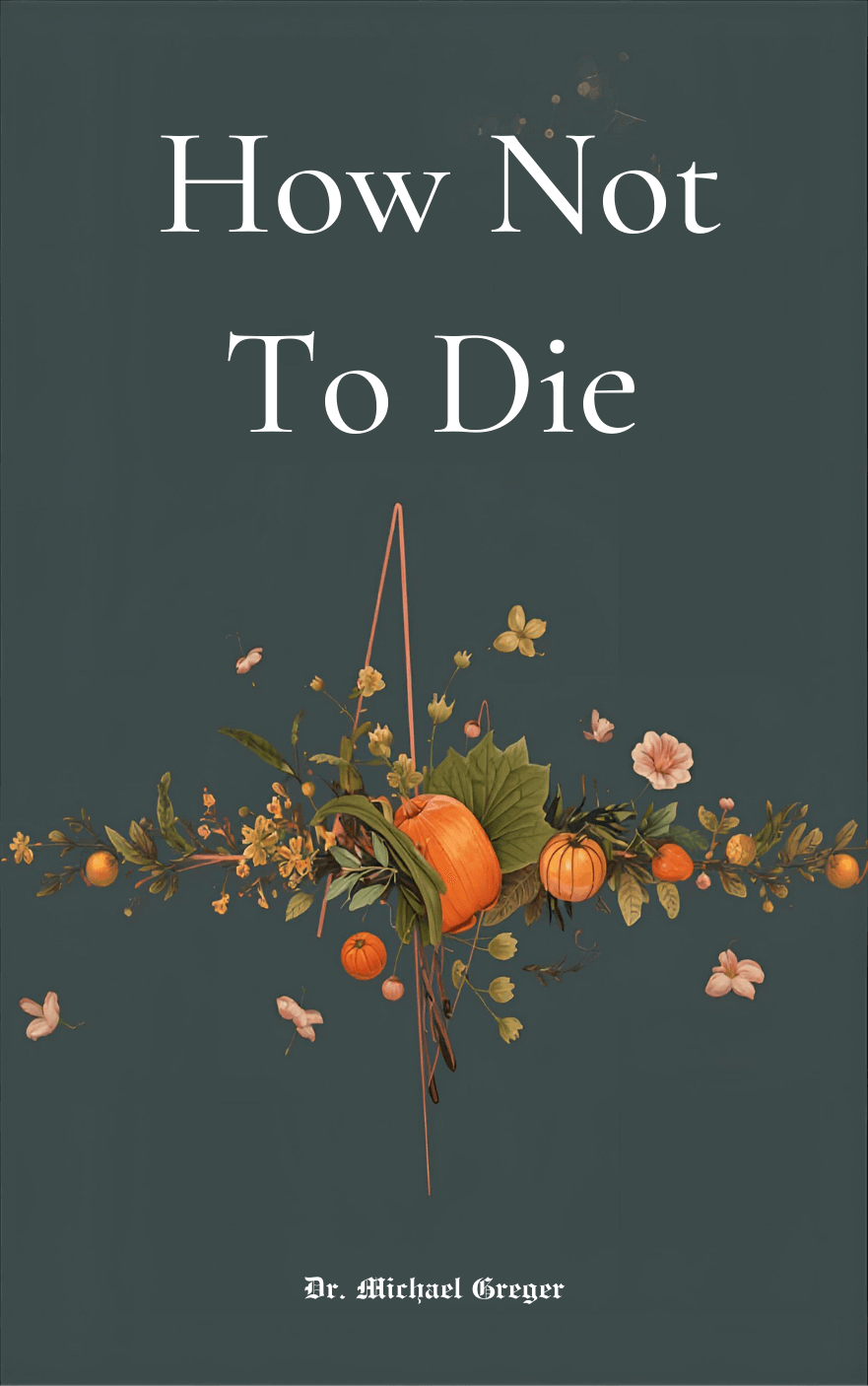
How Not To Die Book Summary
This How Not To Die Book Summary covers the key ideas, lessons, and takeaways in about 20 minutes.
Short Description:
How Not to Die links diet to disease prevention and longevity.
The overarching message is that nutrition is a profound and underutilized tool in preventing premature death. Greger suggests that many individuals suffer not from a lack of medical drugs but from a lack of fruits, vegetables, legumes, and whole grains. The body has remarkable capacity to repair itself when fueled with the right inputs. How Not to Die shows that health is largely in our control and that small daily decisions accumulate into either resilience or decline.
Helps with these goals
Want a Free Weekly Read?
Get a free summary every week straight to your mailbox.
Preview the How Not To Die book summary
Below is a preview of Sumizeit’s comprehensive human-written summary of How Not To Die by Dr. Michael Greger. The full summary is 15-20 minutes long and covers the book’s key ideas in text, audio, visual, and video formats. Unlock the full 20 Minute Summary
How Not to Die by Dr. Michael Greger is a deeply researched examination of how diet affects life expectancy, chronic disease risk, and overall health. Drawing on thousands of scientific articles and clinical studies, Greger builds the case that many of the deadliest illnesses in modern society are preventable—and sometimes reversible—through nutrition-focused lifestyle choices rather than relying solely on medication or surgery. Rather than presenting vague wellness advice, the book investigates the mechanisms behind why certain foods help the body heal, why others accelerate degeneration, and how daily habits shape long-term wellness outcomes. The central premise is that what we choose to eat can significantly influence whether we live longer healthier lives or experience premature decline driven by avoidable conditions.
Greger organizes the book into two major parts. The first section explores the leading causes of death in the United States and delves into evidence-based strategies for minimizing risk. The second section introduces a practical dietary framework—The Daily Dozen—that serves as a guide for building meals around foods shown to be protective. Through this structure, Greger argues that nutrition is powerful medicine and that the healthcare system frequently prioritizes treating symptoms instead of addressing the root nutritional causes of disease.
Heart Disease: The Preventable Killer
The book begins by exploring heart disease, the number-one cause of death globally. Greger explains that coronary artery disease typically develops when cholesterol-rich plaque accumulates within arterial walls, restricting blood flow and reducing oxygen delivery to vital organs. Over time, plaque narrows the arteries to the point where a heart attack or sudden cardiac event becomes likely. He argues that high cholesterol levels are not inevitable consequences of aging but are frequently driven by diets high in animal fat, processed foods, and refined carbohydrates.
Citing research from physicians such as Dr. Dean Ornish and Dr. Caldwell Esselstyn, Greger highlights that individuals who adopt whole-food, plant-centered diets can often halt or even reverse plaque buildup. He recounts cases where patients with severe heart disease saw dramatic improvements in cardiac function after transitioning away from meat-heavy diets. In several examples, arteries reopened without surgical intervention. These stories illustrate the regenerative capacity of the cardiovascular system when dietary inflammation is reduced and fiber-rich foods are increased. Greger describes fiber as a biological cleaning tool that helps remove excess cholesterol from the body by binding bile acids and preventing reabsorption.
He also notes that standard medical treatments typically offer temporary relief rather than long-term solutions. Many people assume stents, bypass surgery, or long-term medication will cure cardiovascular disease, but Greger emphasizes that these interventions do not stop new plaque from forming. In this context, nutrition becomes the most powerful therapeutic tool because it treats the underlying biological triggers instead of merely alleviating symptoms.
Lung Disease: Hidden Impacts of Air and Lifestyle
Greger moves on to chronic respiratory diseases such as emphysema, asthma, and lung cancer. While smoking is widely known to be a leading risk factor for lung-related mortality, Greger highlights lesser-known contributors such as exposure to indoor pollutants…
Want the complete 20-minute summary?
- Full structured summary
- Video Summary
- Podcast Summary
- Audio summary
- Key takeaways
- Exercises
- Quiz
- Highlights and notes
- Ask the book with AI
Who should read How Not To Die?
How Not to Die is for anyone concerned about preventing chronic diseases like heart disease, diabetes, cancer, and Alzheimer's. Whether you're managing existing health conditions, seeking to extend your lifespan, or simply wanting to understand the science behind nutrition and longevity, this book provides evidence-based guidance grounded in thousands of clinical studies.
Why does How Not To Die matter?
Most leading causes of death today—heart disease, stroke, cancer, and diabetes—are largely preventable through dietary choices, yet our healthcare system prioritizes treatment over prevention. Dr. Michael Greger's How Not to Die reveals how small daily nutritional decisions can dramatically reduce disease risk and extend healthy years, empowering readers to take control of their health rather than relying solely on medication.
What are the key themes in How Not To Die?
- Diet as preventive medicine
- Root causes versus symptom treatment
- Whole food plant-based nutrition
- The power of lifestyle modification
- Reversibility of chronic disease
- Evidence-based health decisions
How can you apply ideas from How Not To Die?
- Build daily meals around the Daily Dozen categories to systematically incorporate protective foods without tracking calories
- Replace animal protein sources with beans, legumes, and plant-based proteins to reduce organ stress and inflammatory markers
- Add a serving of berries or other antioxidant-rich fruits daily to support brain health and reduce cognitive decline
- Increase cruciferous vegetable intake like broccoli and cauliflower to activate natural detoxification enzymes
- Experiment with plant-based meals for several weeks under medical supervision to measure improvements in blood sugar, blood pressure, and cholesterol
- Use herbs and spices like turmeric and garlic regularly in cooking to gain their anti-inflammatory and anti-cancer benefits
- Transition from processed foods and animal products to whole grains, vegetables, and legumes to reduce intramuscular fat and restore insulin sensitivity
What common mistakes do readers make with How Not To Die?
- Assuming medical interventions like stents or bypass surgery cure heart disease rather than understanding they treat symptoms while disease progression continues
- Relying on supplement pills instead of consuming whole plant foods that provide synergistic phytonutrients
- Believing diabetes is genetically inevitable rather than recognizing diet as the most powerful modifiable factor in disease development
- Overlooking fiber's critical role in digestive health, cancer prevention, and blood sugar control by consuming processed foods stripped of plant materials
Sumizeit Exercises Apply what you've learned
Turn ideas from How Not To Die into action with a short guided reflection: identify the biggest takeaway, connect it to your life, and commit to one step you can take in the next 24 hours.
What is the expert analysis of How Not To Die?
Overview
How Not to Die by Dr. Michael Greger stands as a significant contribution to the intersection of nutrition science and preventive medicine. Authored by a physician and public health expert renowned for his rigorous synthesis of scientific literature, the book transcends typical diet manuals by grounding its recommendations in thousands of peer-reviewed studies. Dr. Greger’s authoritative voice is bolstered by his clinical background and his role as founder of NutritionFacts.org, positioning this work as both a scholarly resource and a practical guide for health-conscious readers.
Core Thesis
At its core, How Not to Die advances the compelling argument that many of the leading causes of mortality—heart disease, cancer, diabetes, stroke, and neurodegenerative disorders—are largely preventable and sometimes reversible through targeted dietary and lifestyle interventions. Greger posits that nutrition is a potent form of medicine, capable of addressing the root biological mechanisms underlying chronic diseases rather than merely managing symptoms. His advocacy for a whole-food, plant-based diet, encapsulated in the Daily Dozen framework, serves as a pragmatic blueprint for harnessing diet to extend lifespan and enhance healthspan.
Strengths
- Comprehensive Evidence Base: Greger’s meticulous referencing of thousands of scientific studies lends the book exceptional credibility and depth, appealing to readers who value evidence-based guidance.
- Holistic Disease Coverage: The book’s systematic exploration of diverse diseases—from cardiovascular to neurological to metabolic—demonstrates the wide-reaching impact of diet on human health.
- Practical Framework: The Daily Dozen checklist distills complex nutritional science into actionable daily goals, making adherence accessible without overwhelming the reader.
- Integration of Lifestyle Factors: While emphasizing nutrition, Greger also acknowledges the roles of exercise, sleep, and stress, presenting a nuanced view of health determinants.
- Critique of Medical Paradigms: The book thoughtfully challenges the healthcare system’s focus on pharmacological treatment over prevention, advocating for a paradigm shift that elevates nutrition’s role.
Critiques & Counterarguments
- Potential Oversimplification: While advocating plant-based diets, the book may understate the complexity of individual variability in genetics, microbiome composition, and socio-economic factors that influence disease risk and dietary response.
- Evidence Interpretation Bias: Greger’s selective emphasis on studies supporting plant-based nutrition occasionally overlooks conflicting research or the benefits of moderate animal product consumption documented in some epidemiological data.
- Challenges in Real-World Application: The idealized dietary patterns may not be feasible for all populations due to cultural, economic, or accessibility constraints, which the book addresses less directly.
- Opposing Nutritional Schools: Competing dietary frameworks—such as Mediterranean, low-carbohydrate, or ketogenic diets—have demonstrated efficacy in managing chronic diseases, suggesting that multiple nutritional approaches can be valid.
- Medical Community Resistance: Despite the book’s critique of pharmaceutical dominance, integrating nutrition into mainstream medical practice remains complex, given entrenched institutional structures and the multifactorial nature of chronic diseases.
Who Should Read This
How Not to Die is ideally suited for readers with a sophisticated interest in health who seek a rigorously researched, science-driven understanding of how diet influences chronic disease prevention and longevity. It appeals to healthcare professionals, nutritionists, public health advocates, and informed laypersons eager to move beyond superficial diet advice toward evidence-based lifestyle transformation. Additionally, individuals grappling with chronic health conditions or those motivated to adopt preventive strategies will find actionable insights and inspiration in Greger’s work.
Frequently asked questions about the How Not To Die book summary
What is How Not To Die about?
How Not to Die by Dr. Michael Greger is a science-based exploration of how diet prevents and reverses the leading causes of death in modern society. Drawing on thousands of clinical studies, the book argues that heart disease, cancer, diabetes, stroke, and other chronic illnesses are largely preventable through whole-food plant-based nutrition rather than medication alone, and introduces the Daily Dozen framework for practical dietary implementation.
Who should read How Not To Die?
How Not to Die is essential reading for anyone concerned about preventing chronic disease, managing existing health conditions, or understanding the science of nutrition and longevity. It appeals to health-conscious readers, people with family histories of disease, those seeking to reduce medication dependence, and anyone wanting evidence-based strategies to extend their healthy lifespan.
What are the main takeaways from How Not To Die?
The main takeaways are that most leading causes of death are preventable through dietary choices, that whole-food plant-based diets can halt or reverse chronic diseases, that fiber and phytonutrients are powerful disease-fighting tools, and that the Daily Dozen checklist provides a practical framework for building health. Dr. Greger emphasizes that small daily nutritional decisions compound into either resilience or decline, and that individuals have far more control over their health outcomes than commonly assumed.
Does How Not To Die recommend a completely plant-based diet?
While How Not to Die emphasizes whole-food plant-based nutrition as optimal for disease prevention, Dr. Greger focuses on the science of protective foods rather than strict dietary labels. The book presents evidence that even partial shifts toward plant-centered eating produce measurable health improvements, and the Daily Dozen framework can be personalized to individual circumstances and preferences.
Can chronic diseases like heart disease and diabetes really be reversed through diet?
According to How Not to Die, yes—the book cites numerous clinical studies and patient cases demonstrating that whole-food plant-based diets can halt and sometimes reverse plaque buildup in arteries, normalize blood sugar levels, and reduce dependence on medications. Many patients achieve significant health improvements within weeks of dietary changes, though results vary by individual and should be pursued under medical supervision.
What is the Daily Dozen and how do I use it?
The Daily Dozen is Dr. Greger's practical twelve-category checklist designed to simplify nutrition science into daily habits: berries, other fruits, cruciferous vegetables, dark leafy greens, other vegetables, flaxseeds, nuts and seeds, beans, whole grains, beverages, herbs and spices, and exercise. Users track whether they consume from each category daily; the framework is flexible and emphasizes consistency over perfection.
Does How Not To Die dismiss the value of modern medicine?
No—Dr. Greger emphasizes that emergency medicine is essential and life-saving. His critique is specifically that chronic diseases stemming from diet are not best solved with drugs alone, and he advocates for elevating nutrition to a central role in primary care alongside modern medical practice rather than replacing it entirely.
About Sumizeit
Sumizeit is a profitable Scomy LLC company based in Miami, Florida. Our founders, Clemens Raemy and Weina Scott, are successful entrepreneurs with several exits. Sumizeit is a popular book summary app / micro learning app used by busy professionals and entrepreneurs with over 2,500 non-fiction book summaries and 10,000 podcast summaries in text, audio, visual, podcast, and video format. We also have stellar retention tools to make ideas stick - such as flashcards with spaced repetition, quizzes, streaks, highlighting and notes, daily challenges, riddles, mini-courses, meditation, and more. You won't only learn the idea, but also remember it. Over 90% of our users change their habits with Sumizeit.
Upgrade Now
Here's why readers love Sumizeit
Join thousands of learners getting smarter every day
"Great experience. Detailed summaries. Loved the gamification feature. Makes learning fun. Good customer service. I recommend Sumizeit to anyone. You'll learn a lot."
"I always felt busy but still wanting to keep up with the book discussion in my friend group. This was a great supplement to help me keep reading the books I find fun while keeping up with important books."
"I love this website. Instead of scrolling social media, I find myself learning a lot. I use it everyday. I recommend this app for anyone who is too busy and wants to get up to speed with their favorite books."
How Not To Die Book Summary PDF
Looking for a How Not To Die Book Summary PDF you can save and revisit offline? Our How Not To Die Book Summary PDF captures the book’s core ideas in a clean, printable format — the key frameworks, takeaways, and structure without the fluff. Download the How Not To Die Book Summary PDF when you want a reference you can annotate, share with your team, or review on the go. Get your How Not To Die Book Summary PDF from the download page below.
Download How Not To Die Book Summary PDFPeople also liked these summaries
Readers who explored How Not To Die often enjoyed these titles next.


Ready to read the whole thing?
- Full structured summary
- Video Summary
- Podcast Summary
- Audio summary
- Key takeaways
- Exercises
- Quiz
- Highlights and notes
- Ask the book with AI
Featured Book Titles
Popular Book Summaries at sumizeit, leading book summary app