


Prefer the print book? Buy on Amazon
As an Amazon Associate, Sumizeit earns from qualifying purchases.
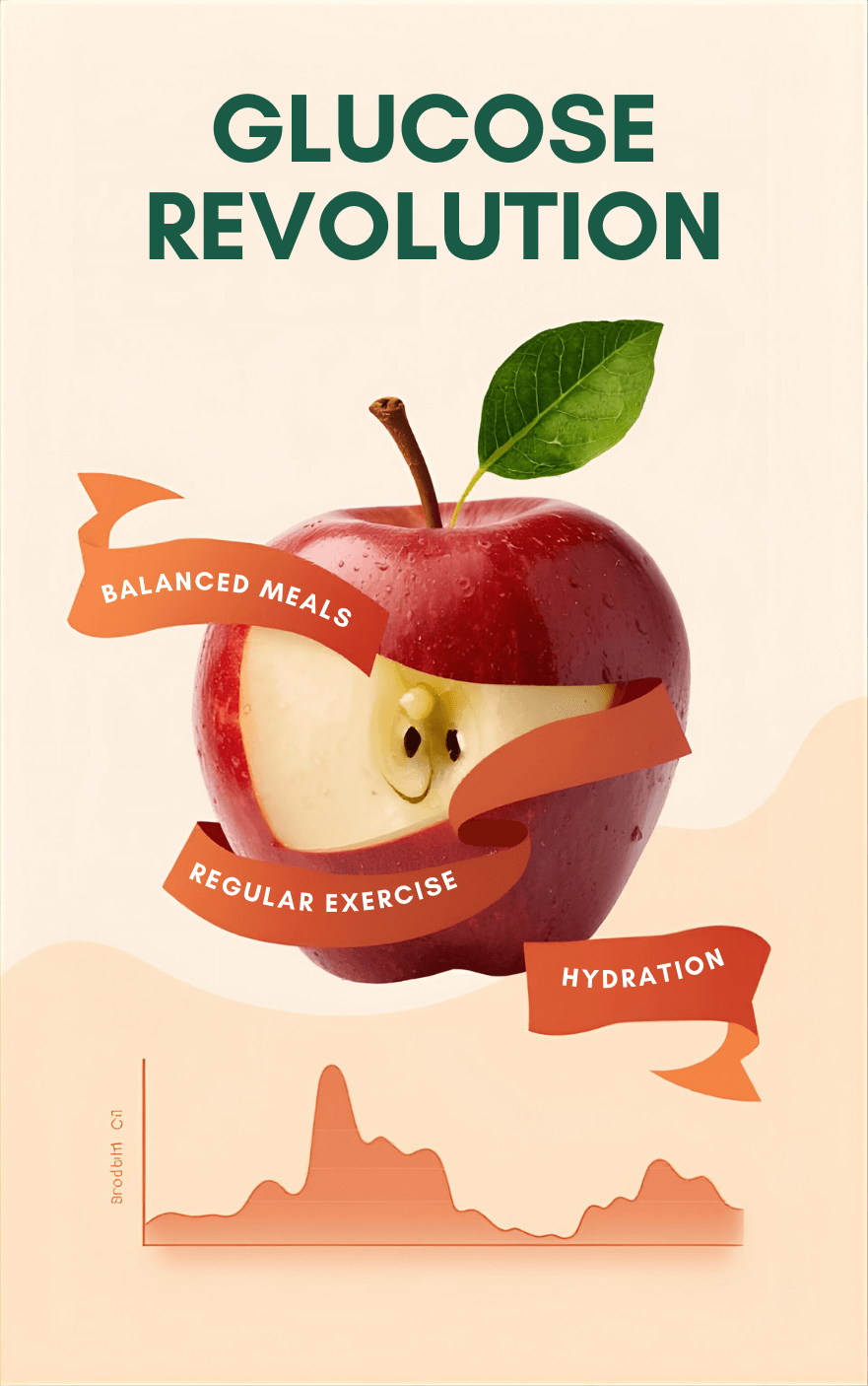
Glucose Revolution Book Summary
This Glucose Revolution Book Summary covers the key ideas, lessons, and takeaways in about 20 minutes.
Short Description:
Stabilize blood sugar to boost energy and prevent disease
The power of the book lies in its practicality. Small adjustments—such as eating vegetables first, pairing carbs with protein, walking after meals, or choosing savory breakfasts—can significantly reduce glucose volatility. These strategies do not require perfection or extreme restriction. Instead, they encourage metabolic balance through simple, sustainable habits that compound over time.
Helps with these goals
Want a Free Weekly Read?
Get a free summary every week straight to your mailbox.
Preview the Glucose Revolution book summary
Below is a preview of Sumizeit’s comprehensive human-written summary of Glucose Revolution by Jessie Inchauspé. The full summary is 15-20 minutes long and covers the book’s key ideas in text, audio, visual, and video formats. Unlock the full 20 Minute Summary
In Glucose Revolution, Jessie Inchauspé argues that many of the physical and mental struggles people experience every day—fatigue, cravings, mood swings, weight gain, inflammation, and chronic illness—can be traced back to unstable blood sugar levels. Specifically, she focuses on what she calls “glucose spikes”: sharp rises in blood sugar after eating, followed by rapid drops.
Glucose is essential for survival. It fuels every cell in the body, especially the brain. However, the problem is not glucose itself—it is the repeated surges and crashes that modern eating patterns create. Inchauspé explains that these fluctuations disrupt energy systems, damage cells, accelerate aging, and lay the groundwork for serious diseases.
Her central thesis is simple: by stabilizing glucose levels through small, practical adjustments in how and what we eat, we can dramatically improve our health—without strict dieting, calorie counting, or eliminating favorite foods.
How Glucose Enters the Body
Glucose originates from plants. Through photosynthesis, plants transform sunlight, water, and carbon dioxide into glucose. Humans cannot create glucose independently—we must obtain it through food.
Carbohydrates are the main dietary source of glucose. These include:
Starches (potatoes, oats, grains)
Sugars (glucose, fructose, sucrose)
Fiber (structural plant material)
Although these all fall under the carbohydrate category, they affect the body differently.
Starches consist of long chains of glucose molecules. During digestion, enzymes break them down into individual glucose units that enter the bloodstream.
Sugars are smaller carbohydrate structures. Glucose directly enters circulation. Fructose, on the other hand, must be processed in the liver. Sucrose (table sugar) contains equal parts glucose and fructose.
Fiber is also made of glucose molecules, but arranged in a way that human digestive enzymes cannot break apart. While fiber does not provide usable glucose, it plays a powerful regulatory role in digestion and gut health.
Once glucose enters the bloodstream, it travels to cells. Inside cells, mitochondria convert glucose into usable energy. If there is more glucose than the body needs immediately, insulin helps store the excess as glycogen in the liver and muscles. When storage capacity is exceeded, remaining glucose is converted into fat.
What Happens During a Glucose Spike
A glucose spike occurs when blood sugar rises sharply—generally more than about 30 mg/dL above baseline—after eating. This is followed by a compensatory drop.
In the short term, spikes can cause:
Sleepiness after meals
Brain fog
Sweating
Heart palpitations
Intense hunger soon after eating
Cravings for sugary or high-carb foods
But the real concern lies in the long-term damage.
Repeated spikes overload mitochondria. When mitochondria process excessive glucose, they become inefficient and generate unstable molecules called free radicals. These free radicals damage cells in a process known as oxidative stress.
Over time, this cellular damage accumulates.
Another harmful process triggered by high glucose is glycation. In glycation, glucose molecules bind to proteins or fats in the body, permanently altering them. This leads to the formation of advanced glycation end products (AGEs), compounds that accelerate aging and organ deterioration.
Inchauspé emphasizes that aging itself is partly driven by this process.
Want the complete 20-minute summary?
- Full structured summary
- Video Summary
- Podcast Summary
- Audio summary
- Key takeaways
- Exercises
- Quiz
- Highlights and notes
- Ask the book with AI
Who should read Glucose Revolution?
Glucose Revolution is ideal for anyone experiencing fatigue, brain fog, weight struggles, or mood swings—and for those seeking to prevent chronic disease without strict dieting. It's particularly valuable for people interested in optimizing energy and mental clarity through simple, sustainable eating habits, regardless of whether they have a diabetes diagnosis.
Why does Glucose Revolution matter?
Blood sugar instability has become epidemic in modern life, yet many people don't realize their daily symptoms and long-term disease risk stem from glucose spikes and crashes. Jessie Inchauspé's Glucose Revolution reveals how small, evidence-based changes to meal timing and food pairing can stabilize metabolism, reduce inflammation, and address root causes of fatigue, cravings, and chronic illness without eliminating foods or counting calories.
What are the key themes in Glucose Revolution?
- Glucose spikes and crashes are at the root of modern health problems
- Metabolic stability matters more than individual foods or calories
- Practical meal sequencing can be as powerful as medication
- Movement, timing, and food pairing are more impactful than restriction
- Cellular damage from unstable glucose accelerates aging and disease
- Small sustainable habits compound into major health transformations
How can you apply ideas from Glucose Revolution?
- Reorganize meal structure to eat vegetables and fiber first, protein and fat second, and starches last
- Pair every carbohydrate with protein, fat, or fiber to slow glucose absorption and prevent spikes
- Take a 10-20 minute walk after meals to increase muscle glucose uptake and reduce post-meal blood sugar peaks
- Replace sweet breakfasts with savory, protein-rich meals such as eggs with vegetables to stabilize glucose for the entire day
- Use a tablespoon of vinegar diluted in water before carbohydrate-heavy meals to temporarily slow starch digestion
- Track your own glucose response using a continuous glucose monitor to identify personal trigger foods and meal patterns
- Build movement into daily routines, especially after eating, to enhance glucose disposal and insulin sensitivity
What common mistakes do readers make with Glucose Revolution?
- Focusing only on calorie counts while ignoring blood sugar volatility, missing the root cause of weight gain and cravings
- Eating carbohydrates alone without protein, fat, or fiber, triggering unnecessary spikes that destabilize energy and hunger signals
- Starting the day with sugary or refined carb breakfasts, which set a poor metabolic tone and amplify spikes throughout the day
- Remaining sedentary after meals, preventing muscles from absorbing glucose and allowing spikes to cause maximum cellular damage
Sumizeit Exercises Apply what you've learned
Turn ideas from Glucose Revolution into action with a short guided reflection: identify the biggest takeaway, connect it to your life, and commit to one step you can take in the next 24 hours.
What is the expert analysis of Glucose Revolution?
Overview
Glucose Revolution by Jessie Inchauspé stands out as a significant contribution to contemporary health literature by bridging complex biochemical insights with practical lifestyle interventions. Inchauspé, a French biochemist and health communicator, leverages her scientific background and personal experience with continuous glucose monitoring to demystify the role of blood sugar regulation in everyday health. Her work resonates in an era increasingly focused on metabolic health, offering a fresh perspective that transcends traditional diet dogmas by emphasizing glucose stability rather than calorie counting or food elimination.
Core Thesis
At the heart of Glucose Revolution lies the argument that the frequent and sharp fluctuations in blood glucose—termed “glucose spikes”—are a primary driver of a wide array of physical and mental health challenges, from fatigue and cravings to chronic diseases such as diabetes, cardiovascular disease, and cognitive decline. Inchauspé contends that these spikes disrupt cellular energy production, induce oxidative stress and glycation, and ultimately accelerate aging and disease progression. Crucially, she proposes that simple, accessible behavioral changes—particularly the sequencing of food intake, combining macronutrients, and post-meal movement—can stabilize glucose levels and thereby improve overall health without resorting to restrictive diets.
Strengths
- Accessibility and Practicality: Inchauspé excels in translating intricate biochemical processes into actionable advice that is easy for lay readers to implement, such as eating fiber before carbohydrates or taking a walk after meals.
- Holistic View of Glucose Impact: The book broadens the conversation beyond diabetes, linking glucose instability to cardiovascular health, cancer risk, cognitive function, and mood regulation, thereby underscoring the systemic importance of metabolic balance.
- Scientific Rigor Coupled with Personal Narrative: The author’s use of continuous glucose monitoring data, combined with biochemical explanations, lends credibility and immediacy to her recommendations.
- Focus on Sustainable Change: By avoiding extreme dietary restrictions and instead promoting small, cumulative adjustments, the book offers a sustainable framework for long-term metabolic health.
- Innovative Meal Sequencing Concept: The emphasis on the order of food consumption as a tool to modulate glucose response is a novel and evidence-informed approach that challenges conventional nutritional advice.
Critiques & Counterarguments
- Evidence Scope and Depth: While Inchauspé presents compelling mechanistic explanations, some claims rely heavily on emerging or associative research rather than large-scale randomized controlled trials, which may limit the generalizability of her recommendations.
- Oversimplification of Complex Metabolic Interactions: The focus on glucose spikes, though important, may underrepresent other critical factors influencing metabolic health such as lipid metabolism, gut microbiota diversity, genetic predispositions, and hormonal interplay beyond insulin and leptin.
- Potential Neglect of Individual Variability: The book’s one-size-fits-all approach to meal sequencing and glucose management may not account sufficiently for interindividual differences in metabolism, insulin sensitivity, or lifestyle contexts.
- Competing Nutritional Paradigms: Some schools of thought, such as low-carbohydrate or ketogenic diets, argue for more radical carbohydrate restriction rather than modulation through food order, citing robust clinical evidence for their efficacy in metabolic disease management.
- Real-World Implementation Challenges: Although the strategies are simple in theory, practical adherence in diverse cultural and socioeconomic settings may be challenging, especially given the ubiquity of processed foods and ingrained eating habits.
Who Should Read This
Glucose Revolution is ideally suited for readers seeking an evidence-informed yet approachable guide to improving metabolic health without drastic lifestyle upheaval. This includes:
- Individuals experiencing unexplained fatigue, mood fluctuations, or weight management difficulties who suspect metabolic imbalances.
- Health professionals and wellness coaches looking for accessible ways to educate clients about blood sugar regulation beyond conventional diabetic care.
- Readers interested in the biochemical underpinnings of nutrition who appreciate science communicated with clarity and practical relevance.
- Those wary of restrictive diets but motivated to make incremental, sustainable changes to enhance energy, cognitive function, and long-term disease prevention.
Frequently asked questions about the Glucose Revolution book summary
What is Glucose Revolution about?
Glucose Revolution by Jessie Inchauspé explains how blood sugar spikes and crashes—caused by modern eating patterns—damage cells, accelerate aging, and trigger chronic diseases like diabetes, heart disease, and cancer. The book reveals that small, practical changes to meal order, food pairing, timing, and movement can stabilize glucose levels and dramatically improve energy, mood, weight, and long-term health without strict dieting or calorie counting.
Who should read Glucose Revolution?
Anyone experiencing fatigue, brain fog, cravings, mood swings, or weight struggles should read this book, as these symptoms often stem from unstable blood sugar. It's also valuable for people seeking to prevent chronic disease, optimize cognitive performance, and understand why modern diets make them feel terrible—regardless of whether they have a diabetes diagnosis.
What are the main takeaways from Glucose Revolution?
The main takeaways are: glucose spikes cause cellular damage through free radicals and glycation; eating vegetables and protein before carbohydrates significantly reduces spikes; moving after meals increases glucose uptake; avoiding sweet breakfasts stabilizes blood sugar for the entire day; and small sustainable changes compound into major health improvements without elimination or restriction. Metabolic stability, not individual foods or calories, is the foundation of good health.
How do glucose spikes damage the body?
Glucose spikes overload mitochondria, generating free radicals that cause oxidative stress and cellular damage. High blood sugar also triggers glycation, where glucose permanently binds to proteins and fats, forming advanced glycation end products (AGEs) that accelerate aging and organ deterioration. Over time, repeated spikes damage blood vessels, impair brain function, promote inflammation, and create conditions favorable to cancer, heart disease, and diabetes.
What is the food order strategy in Glucose Revolution?
The food order strategy recommends eating in this sequence: fiber first (vegetables), protein and fat second, and starches and sweets last. Fiber and protein slow digestion and glucose absorption, causing carbohydrates to enter the bloodstream gradually and preventing sharp spikes. This approach can reduce post-meal glucose levels comparably to certain diabetes medications.
Can you eat carbohydrates on Glucose Revolution?
Yes, Glucose Revolution does not eliminate carbohydrates or require strict dieting. Instead, it teaches you to pair carbohydrates with protein, fat, or fiber, and to eat them after vegetables and protein rather than alone. This allows you to enjoy carbohydrates while preventing the blood sugar spikes that cause metabolic damage and cravings.
How does movement help stabilize blood sugar?
Muscle contractions require glucose for energy (ATP production), so exercise acts as a glucose disposal mechanism. Even light movement like a 10-20 minute walk after meals encourages muscles to absorb glucose from the bloodstream, reducing post-meal spikes and improving insulin sensitivity. The more muscles contract, the more glucose they consume.
About Sumizeit
Sumizeit is a profitable Scomy LLC company based in Miami, Florida. Our founders, Clemens Raemy and Weina Scott, are successful entrepreneurs with several exits. Sumizeit is a popular book summary app / micro learning app used by busy professionals and entrepreneurs with over 2,500 non-fiction book summaries and 10,000 podcast summaries in text, audio, visual, podcast, and video format. We also have stellar retention tools to make ideas stick - such as flashcards with spaced repetition, quizzes, streaks, highlighting and notes, daily challenges, riddles, mini-courses, meditation, and more. You won't only learn the idea, but also remember it. Over 90% of our users change their habits with Sumizeit.
Upgrade Now
Here's why readers love Sumizeit
Join thousands of learners getting smarter every day
"Great experience. Detailed summaries. Loved the gamification feature. Makes learning fun. Good customer service. I recommend Sumizeit to anyone. You'll learn a lot."
"I always felt busy but still wanting to keep up with the book discussion in my friend group. This was a great supplement to help me keep reading the books I find fun while keeping up with important books."
"I love this website. Instead of scrolling social media, I find myself learning a lot. I use it everyday. I recommend this app for anyone who is too busy and wants to get up to speed with their favorite books."
Glucose Revolution Book Summary PDF
Looking for a Glucose Revolution Book Summary PDF you can save and revisit offline? Our Glucose Revolution Book Summary PDF captures the book’s core ideas in a clean, printable format — the key frameworks, takeaways, and structure without the fluff. Download the Glucose Revolution Book Summary PDF when you want a reference you can annotate, share with your team, or review on the go. Get your Glucose Revolution Book Summary PDF from the download page below.
Download Glucose Revolution Book Summary PDFPeople also liked these summaries
Readers who explored Glucose Revolution often enjoyed these titles next.





Ready to read the whole thing?
- Full structured summary
- Video Summary
- Podcast Summary
- Audio summary
- Key takeaways
- Exercises
- Quiz
- Highlights and notes
- Ask the book with AI
Featured Book Titles
Popular Book Summaries at sumizeit, leading book summary app