


Prefer the print book? Buy on Amazon
As an Amazon Associate, Sumizeit earns from qualifying purchases.
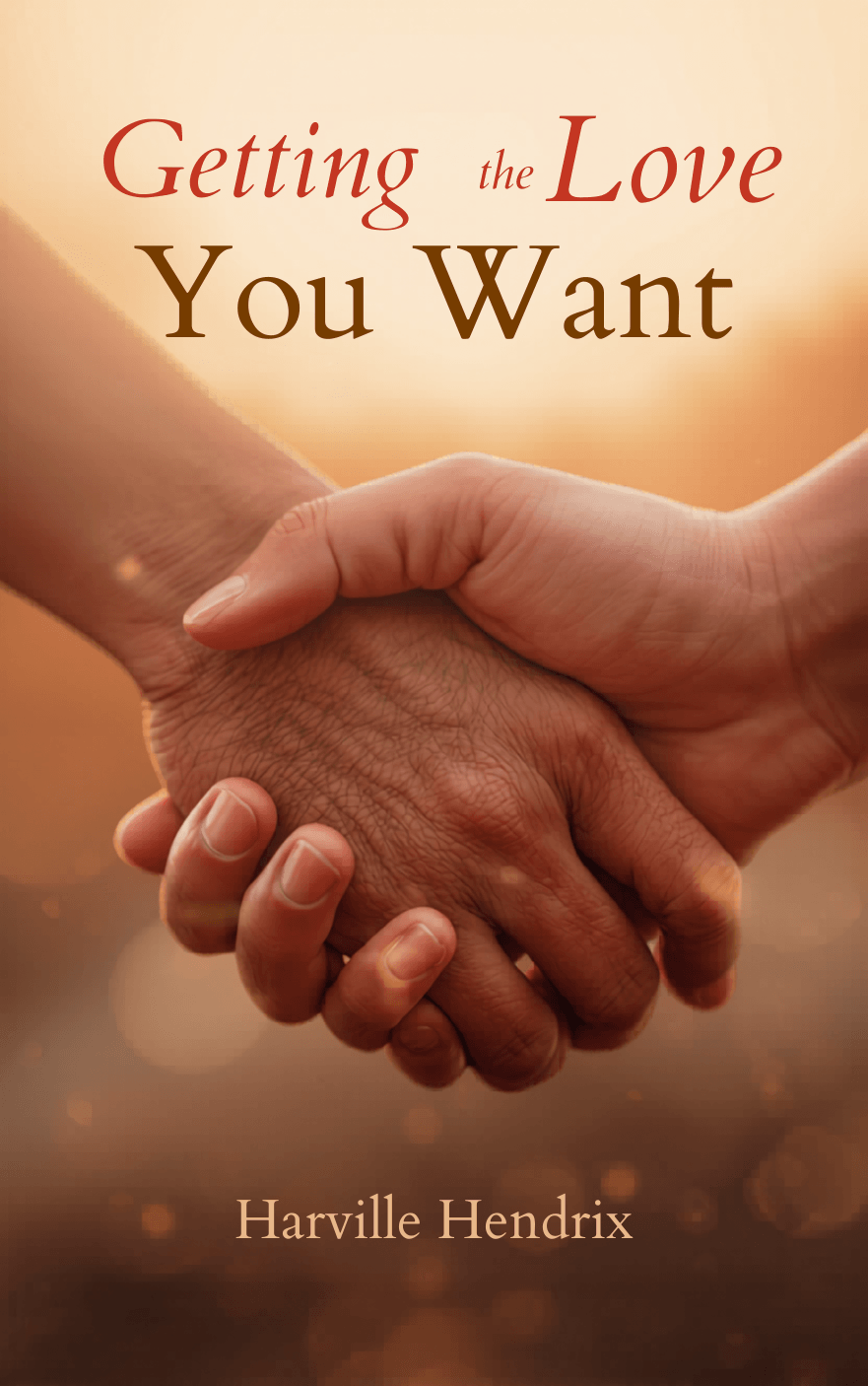
Getting the Love You Want Book Summary
This Getting the Love You Want Book Summary covers the key ideas, lessons, and takeaways in about 20 minutes.
Short Description:
How childhood wounds shape love—and how couples can heal together
True connection requires effort, awareness, and a willingness to grow. When partners learn to communicate openly, support each other’s emotional needs, and take responsibility for their own development, relationships become a space for healing rather than conflict. Instead of repeating old patterns, couples can create a new, conscious way of loving—one that fosters understanding, resilience, and lasting intimacy.
Helps with these goals
Preview the Getting the Love You Want book summary
Below is a preview of Sumizeit’s comprehensive human-written summary of Getting the Love You Want by Harville Hendrix. The full summary is 15-20 minutes long and covers the book’s key ideas in text, audio, visual, and video formats. Unlock the full 20 Minute Summary
At the core of human experience lies a powerful desire to feel valued, understood, and emotionally connected. Yet despite this universal need, many romantic relationships begin with passion and hope, only to deteriorate into frustration, distance, or conflict. This pattern isn’t random—it follows a predictable psychological path rooted in our earliest experiences.
The authors argue that adult relationships are not just about present-day compatibility. Instead, they are deeply shaped by unresolved emotional experiences from childhood. Without realizing it, people are drawn to partners who mirror important figures from their upbringing, especially caregivers. These partners seem familiar, even magnetic, because they unconsciously represent an opportunity to resolve emotional wounds that were never fully healed.
However, this unconscious motivation creates a paradox: the same traits that initially attract us often become the source of conflict later on. What begins as excitement eventually transforms into disappointment when partners inevitably fail to meet deeply rooted, unspoken expectations.
How Early Life Shapes Romantic Attraction
From infancy onward, interactions with caregivers form emotional patterns that stay with us for life. These early experiences influence how we perceive love, safety, and connection. Even subtle emotional neglect or inconsistency—not just severe trauma—can leave lasting imprints.
Children raised in controlling environments often grow into adults who guard their independence fiercely. Those who experienced emotional absence may become overly dependent on partners, seeking constant reassurance. These tendencies don’t disappear with age—they simply show up in adult relationships in new ways.
In addition, societal expectations play a role. Messages from family, culture, and community teach children which emotions are acceptable and which must be hidden. Over time, this creates a “missing” part of the self—qualities, feelings, or desires that were suppressed to gain approval.
As adults, people are often drawn to partners who express these disowned traits. For example, someone who learned to suppress emotions may be attracted to a highly expressive partner. In this way, relationships become an attempt to reclaim lost aspects of identity.
The Inner Blueprint of Love
The authors describe a mental template that forms in childhood, combining traits of all significant caregivers. This internal model acts as a subconscious guide when choosing romantic partners.
This “blueprint” includes both positive and negative qualities. A person might seek someone who is caring and intelligent (positive traits), but also emotionally distant or critical (negative traits), because those patterns feel familiar.
This explains why people often feel an intense connection early in relationships. The unconscious mind recognizes something deeply familiar and interprets it as compatibility or destiny. In reality, it’s recognizing an opportunity to revisit unresolved emotional experiences.
The Cycle of Romantic Relationships
Romantic relationships typically unfold in predictable stages:
At the beginning, everything feels effortless. Partners idealize each other, focusing on strengths while overlooking flaws. This stage is fueled by powerful biological responses—chemicals in the brain create feelings of excitement, obsession, and emotional bonding.
During this phase, partners may feel “complete,” as if the relationship fills a missing part of themselves.
Eventually, the illusion fades. Differences become more noticeable,…
Want the complete 20-minute summary?
- Full structured summary
- Video Summary
- Podcast Summary
- Audio summary
- Key takeaways
- Exercises
- Quiz
- Highlights and notes
- Ask the book with AI
Who should read Getting the Love You Want?
Getting the Love You Want is for anyone struggling with relationship patterns, whether you're experiencing conflict, distance, or unfulfilled expectations in your partnership. It's particularly valuable for couples who want to move beyond blame and develop deeper emotional understanding, as well as individuals seeking to understand how their past influences their romantic choices today.
Why does Getting the Love You Want matter?
In today's world, many relationships end not because of incompatibility but because partners lack the tools to navigate unconscious patterns and communicate effectively. Harville Hendrix's framework offers a practical, psychologically grounded approach to transforming conflict into an opportunity for healing, making it essential for anyone committed to building lasting, conscious love rather than repeating destructive cycles.
What are the key themes in Getting the Love You Want?
- How childhood experiences shape adult romantic attraction
- The unconscious mind's role in partner selection
- The predictable stages of romantic relationships
- Breaking reactive patterns through conscious awareness
- Structured communication as a path to emotional safety
- Healing past wounds through present relationships
How can you apply ideas from Getting the Love You Want?
- Reflect on your childhood relationships with caregivers to identify patterns you might be repeating in your current partnership
- Use the three-step structured communication process (reflecting, acknowledging perspective, showing empathy) during your next disagreement
- Ask your partner to share their childhood history and unmet emotional needs in a dedicated, judgment-free conversation
- Make one specific, manageable behavioral change this week that directly addresses a need your partner has expressed
- When conflict arises, pause and ask yourself 'What part of my past is being triggered?' rather than focusing on blame
- Schedule weekly dedicated time together without distractions to rebuild positive connection and safety
- Identify and consciously replace one critical or contemptuous behavior with curiosity about your partner's underlying needs
What common mistakes do readers make with Getting the Love You Want?
- Assuming conflict means your relationship is failing, rather than recognizing it as an opportunity to address unresolved patterns
- Continuing to demand change from your partner without examining your own defensive reactions and childhood wounds
- Expecting your partner to instinctively know your needs without clearly and specifically expressing them
- Dismissing your partner's perspective as 'wrong' rather than acknowledging that their experience makes sense from their point of view
Sumizeit Exercises Apply what you've learned
Turn ideas from Getting the Love You Want into action with a short guided reflection: identify the biggest takeaway, connect it to your life, and commit to one step you can take in the next 24 hours.
What is the expert analysis of Getting the Love You Want?
Overview
Getting the Love You Want is a seminal work in the field of relationship psychology authored by Harville Hendrix, a respected therapist and educator known for pioneering a therapeutic model that emphasizes emotional healing through intimate partnerships. Co-developed with Helen LaKelly Hunt, this book has influenced countless couples and professionals by framing romantic relationships as profound opportunities for personal growth rather than mere sources of companionship or pleasure. Its significance lies in bridging clinical insight with accessible communication strategies, offering readers a structured pathway to transform conflict into connection.
Core Thesis
At the heart of Hendrix’s argument is the proposition that adult romantic relationships are deeply influenced by unresolved emotional wounds from childhood. Partners unconsciously select each other based on an internal “blueprint” formed by early interactions with caregivers, which blends both positive and negative traits. This unconscious dynamic initially fuels attraction but later precipitates conflict as unmet, often unspoken, emotional needs surface. The book contends that by bringing these unconscious patterns into conscious awareness, couples can shift from reactive cycles of blame and misunderstanding to intentional, empathetic communication and mutual healing.
Strengths
- Integration of Developmental Psychology and Relationship Dynamics: Hendrix effectively connects early childhood experiences with adult relational patterns, highlighting how foundational emotional imprints shape partner selection and interaction.
- Practical Communication Framework: The structured communication process—reflecting, acknowledging, and empathizing—provides couples with tangible tools to break destructive cycles and foster emotional safety.
- Emphasis on Emotional Awareness and Vulnerability: The book promotes a compassionate shift from blame to curiosity, encouraging partners to explore their own triggers and needs rather than demonizing each other.
- Holistic View of Relationship Growth: Hendrix acknowledges that relationships are lifelong processes involving setbacks and continuous effort, which resonates with the complexities of real-world intimacy.
- Accessibility and Applicability: The language and concepts are presented in a way that is approachable for both lay readers and professionals, making it a versatile resource across contexts.
Critiques & Counterarguments
- Potential Oversimplification of Complex Dynamics: While the childhood blueprint concept is compelling, it may understate the multifaceted nature of adult relationships, including sociocultural, economic, and individual personality factors that also influence relational outcomes.
- Limited Engagement with Diverse Relationship Models: The framework predominantly addresses heterosexual, monogamous partnerships and may not fully account for the dynamics present in LGBTQ+ relationships, polyamory, or culturally distinct relational norms.
- Evidence Base and Empirical Validation: Critics might argue that the therapeutic approach, while clinically grounded, lacks extensive empirical validation through rigorous longitudinal studies, leaving some claims more theoretical than scientifically verified.
- Competing Theories on Attachment and Partner Selection: Attachment theory, for instance, offers a nuanced taxonomy of relational styles (secure, anxious, avoidant) that sometimes diverges from Hendrix’s blueprint model, suggesting alternative mechanisms for partner choice and conflict.
- Real-World Challenges to Behavioral Change: The book’s optimistic view of mutual behavioral adjustment may underestimate the entrenched nature of certain personality traits or external stressors (e.g., mental health issues, trauma) that complicate such change.
Who Should Read This
Getting the Love You Want is ideally suited for individuals and couples seeking a deeper understanding of the unconscious forces shaping their romantic lives and who are committed to intentional growth and healing within their relationships. Therapists, counselors, and educators will find its communication tools and conceptual framework valuable for guiding clients through relational challenges. Moreover, readers with an interest in the intersection of developmental psychology and adult intimacy will appreciate Hendrix’s synthesis of theory and practice. However, those looking for a purely scientific or culturally expansive analysis of relationships may need to supplement this work with additional perspectives.
Frequently asked questions about the Getting the Love You Want book summary
What is Getting the Love You Want about?
Getting the Love You Want by Harville Hendrix explores how childhood experiences shape adult romantic relationships and why couples often find themselves in predictable cycles of attraction, disillusionment, and conflict. The book provides practical tools for conscious communication and emotional healing, showing couples how to transform their relationship into a space for personal growth rather than repeating old patterns.
Who should read Getting the Love You Want?
Anyone in a romantic relationship, particularly those experiencing conflict, distance, or feeling stuck in repetitive patterns should read this book. It's valuable for couples committed to deeper understanding and healing, as well as individuals seeking to recognize how their past influences their romantic choices and relationships.
What are the main takeaways from Getting the Love You Want?
The main takeaways include: your romantic partner often mirrors your caregivers and offers an opportunity to heal childhood wounds; awareness and structured communication can transform conflict into growth; emotional safety and vulnerability are prerequisites for lasting connection; and love is a deliberate practice requiring continuous effort and conscious choice rather than just a feeling.
Why do couples keep repeating the same conflicts?
Couples repeat conflicts because unresolved emotional patterns from childhood activate during disagreements, causing both partners to react from fear rather than conscious choice. Getting the Love You Want explains that becoming aware of these triggers—and what past hurt they represent—allows couples to respond differently and break destructive cycles.
How does the book's communication technique work?
The structured communication process involves three steps: one partner speaks while the other reflects back what they heard to ensure accurate understanding; the listener acknowledges that their partner's perspective makes sense from their point of view; and the listener expresses empathy for how the partner feels. This slows interactions down and prevents emotional escalation.
Can this book help with relationships that are in serious trouble?
Getting the Love You Want provides evidence-based tools that have helped thousands of couples move beyond conflict and rebuild connection. However, it requires both partners' willingness to engage in self-reflection and practice new communication skills; if one partner is unwilling to participate, professional couples therapy may be necessary.
What is the 'inner blueprint' Hendrix discusses?
The inner blueprint is an unconscious mental template formed in childhood that combines traits of all significant caregivers—including both positive qualities like warmth and negative ones like emotional distance. This hidden blueprint guides your attraction to romantic partners, often drawing you to familiar (but potentially painful) relationship dynamics.
About Sumizeit
Sumizeit is a profitable Scomy LLC company based in Miami, Florida. Our founders, Clemens Raemy and Weina Scott, are successful entrepreneurs with several exits. Sumizeit is a popular book summary app / micro learning app used by busy professionals and entrepreneurs with over 2,500 non-fiction book summaries and 10,000 podcast summaries in text, audio, visual, podcast, and video format. We also have stellar retention tools to make ideas stick - such as flashcards with spaced repetition, quizzes, streaks, highlighting and notes, daily challenges, riddles, mini-courses, meditation, and more. You won't only learn the idea, but also remember it. Over 90% of our users change their habits with Sumizeit.
Upgrade Now
Here's why readers love Sumizeit
Join thousands of learners getting smarter every day
"Great experience. Detailed summaries. Loved the gamification feature. Makes learning fun. Good customer service. I recommend Sumizeit to anyone. You'll learn a lot."
"I always felt busy but still wanting to keep up with the book discussion in my friend group. This was a great supplement to help me keep reading the books I find fun while keeping up with important books."
"I love this website. Instead of scrolling social media, I find myself learning a lot. I use it everyday. I recommend this app for anyone who is too busy and wants to get up to speed with their favorite books."
Getting the Love You Want Book Summary PDF
Looking for a Getting the Love You Want Book Summary PDF you can save and revisit offline? Our Getting the Love You Want Book Summary PDF captures the book’s core ideas in a clean, printable format — the key frameworks, takeaways, and structure without the fluff. Download the Getting the Love You Want Book Summary PDF when you want a reference you can annotate, share with your team, or review on the go. Get your Getting the Love You Want Book Summary PDF from the download page below.
Download Getting the Love You Want Book Summary PDFPeople also liked these summaries
Readers who explored Getting the Love You Want often enjoyed these titles next.




Ready to read the whole thing?
- Full structured summary
- Video Summary
- Podcast Summary
- Audio summary
- Key takeaways
- Exercises
- Quiz
- Highlights and notes
- Ask the book with AI
Featured Book Titles
Popular Book Summaries at sumizeit, leading book summary app