New users get 3 free summaries! Upgrade for unlimited access to 1,000+ book summaries.

Upgrade Now

Get the Sumizeit app

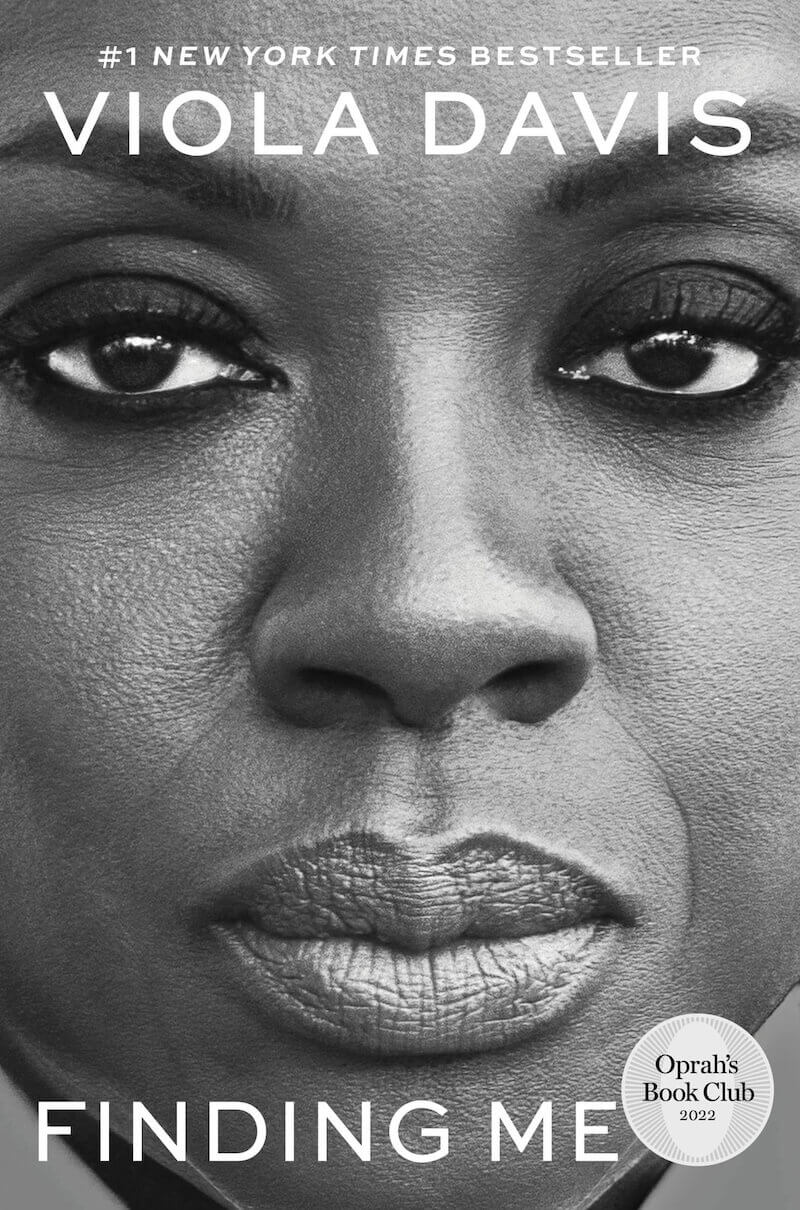
Finding Me by Viola Davis book cover
Buy Book on Amazon

As an Amazon Associate, Sumizeit earns from qualifying purchases.

Book Summary

Finding Me Book Summary

By Viola Davis

This Finding Me Book Summary covers the key ideas, lessons, and takeaways in about 20 minutes.

20 min read Audio available
Finding Me (2022) is rich with Viola Davis’s experience not just in the acting industry, but also in trauma, abuse, poverty, and struggle. She obviously did not make it to the top without having earned it through grit.

Viola remains resolved that she is not her success. As she said in her book, “Success is absolutely wonderful, but it’s not who you are. Who you are is measured by something way more abstract and emotional, ethereal, than outward success.” This is a reminder that anyone entering chasing after success needs to have a firm foundation and understanding of who they are as persons.

For Viola, this meant addressing her inner battles and detaching from family drama. As she grew older, she learned to establish boundaries and how to say “no” to family members. For example, when she started earning from her acting career, her family members accepted portions of her generosity until it became a habit and then an obligation on Viola’s part. Eventually, as Viola became more successful, her family members also started asking for more such as a house or a car. When it became too toxic for her, Viola cut them off and said “no.”

Setting boundaries is important not only in cutting off toxic family members but as well as in her acting career as it helped her set quality work ethics to be respected and followed by others. As an actress, she held the same standard of addressing inner battles and having a strong foundation. She believes that being an actor means being an observer of life. This meant a truly great actor observes real people, not other actors. This way, they understand a character to understand themselves better. It’s these techniques and more that made Viola Davis the multi-award-winning actress that she is now.

What readers will greatly learn from Viola’s memoir is that a person’s success is just the tip of the iceberg. The memoir is not just about the success of an award-winning actress; it includes her past, present, and future as an individual who has come a long way to be herself and to become another person through acting. It contains stories of pain, trauma, healing, and fighting for a career and a future she wasn’t even sure existed for her and her race. As if the acting industry was not difficult enough to perpetrate, Viola Davis had to deal with problems with her race, feminity, and past. Indeed, Viola’s vulnerability in her younger years made her a strong and independent Black woman now who is dominating the film industry.

Helps with these goals

4.8

Stars

Average ratings on iOS and Google Play

100,000+

Users

On all platforms

6+

Years

Experience igniting personal growth

Want the complete 20-minute summary?

  • Full structured summary
  • Video Summary
  • Podcast Summary
  • Audio summary
  • Key takeaways
  • Exercises
  • Quiz
  • Highlights and notes
  • Ask the book with AI

What is in the Finding Me book summary?

Below is a preview of Sumizeit’s expert-written summary of Finding Me by Viola Davis. The full summary covers the book’s key ideas in text, audio, and video.

In Finding Me (2022), multi-award-winning American actress Viola Davis shares and recounts her journey from poverty in Rhode Island during her childhood to Hollywood fame. She bares stories of her childhood trauma, family drama, struggles, determination, and eventual triumph. In a world where there is a 95 percent unemployment rate in acting and media only focuses on 0.04 percent who are famous, people who want to get into acting need to strive, thrive, and learn from the best actors and actresses, such as Viola Davis, who has gone through such experiences herself and more. Among the insightful lessons we learn from Finding Me (2022) are about making peace with your past and shaping your future. These are essential tools not just for being successful in the acting industry, but also for becoming better a better version of yourself in a world that constantly pressures you to be the best.

Make peace with your past.

Viola openly grew up poor, hungry and bullied in Central Falls, Rhode Island. At that time, they were the only black family in Central Falls, living in a broken house with barely any water and heat and with abusive parents. She and her sisters grew up sexually abused by their neighbors who would “babysit” them. To cope, Viola and her sisters excelled in school by being active in academic as well as extracurricular affairs. These activities helped Viola stay longer away from the house and focus on improving the knowledge and skills she needed to survive. Viola and her sisters were greatly motivated by the idea that they didn’t want to end up in the same situations as their parents – low-wage earners with endless physical toil and labor and coping through gambling and alcohol, all while also risking the lives of their partners and children through abuse.

Growing up, Viola did not have anything to defend herself with except grit, attitude, anger, and competitiveness. However, she shared that memories have two kinds of effect on people: they can either give you joy and perspective during hard times, or they can strangle you and prevent you from living your best life. When Viola Davis was able to seek professional help at the age of twenty-eight, she realized that her journey had been all about healing her childhood self in Central Falls. It wasn’t until she told her therapist this that she realized her inner child didn’t need healing. She was a fighter and a survivor; what she needed was comfort in a new home where it would not envelop her present version. As Davis said, “What you haven’t resolved in your life can absolutely become an obstacle in the work that you do.” To become the best version of herself in the present, she needed to comfort her inner child instead of focusing on being angry at the circumstances she was under when she was young.

By making peace with her past, Viola Davis felt liberated. As she became more successful, she realized “All I’ve got…

The full structured summary is available after upgrading

Want the complete 20-minute summary?

  • Full structured summary
  • Video Summary
  • Podcast Summary
  • Audio summary
  • Key takeaways
  • Exercises
  • Quiz
  • Highlights and notes
  • Ask the book with AI

Who should read Finding Me?

Finding Me resonates with anyone who has overcome adversity, struggled with self-doubt, or felt trapped by their circumstances. Whether you're an aspiring actor, a creative professional, or someone working through trauma and personal growth, Viola Davis's candid memoir offers both inspiration and practical wisdom for reshaping your life.

Why does Finding Me matter?

In a world that often reduces people to their achievements, Finding Me reminds us that true success begins with healing and self-understanding rather than external validation. Viola Davis's journey from poverty and abuse in Rhode Island to becoming the only Black actor to win an Oscar, Emmy, and Tony demonstrates that resilience, purpose, and inner work are the real foundations of lasting fulfillment—lessons that extend far beyond the entertainment industry.

What are the key themes in Finding Me?

  • Healing from childhood trauma and making peace with the past
  • Defining success beyond external achievements and accolades
  • Building resilience through determination, grit, and self-awareness
  • The power of setting boundaries and protecting your mental health
  • Manifestation, faith, and meeting opportunity halfway
  • Understanding identity beyond race, gender, and circumstance
  • The role of mentorship and seizing educational opportunities
  • Separating yourself from family dysfunction and toxic patterns

What are the key lessons from the Finding Me book summary?

  1. Unresolved trauma becomes an obstacle in your work

    What you haven't healed from will inevitably limit your potential and success. Viola Davis discovered that seeking professional help at 28 was crucial to addressing the childhood pain that was holding her back from fully embracing her accomplishments.

  2. Comfort your inner child instead of punishing it

    Rather than remaining angry at past circumstances, acknowledge and soothe the wounded version of yourself. This shift from resentment to compassion creates the emotional foundation needed for genuine growth and healing.

  3. You are not your success

    External achievements—awards, wealth, status—are wonderful but don't define your worth. Your identity is rooted in something deeper, more abstract, and more emotional than outward accomplishments.

  4. A clear vision of your future is your first tool

    Deciding early what you want to become and committing to the hard work required to get there sets the trajectory for your entire life. Without a deliberate plan, circumstances will continue to control you.

  5. Manifestation requires you to meet opportunity halfway

    Faith and belief matter, but they must be paired with action and effort. Viola Davis grabbed every opportunity—scholarships, programs, roles—that aligned with her vision, understanding that God or fate intervenes when you do your part.

  6. Success in competitive fields depends on more than talent

    Talent alone doesn't guarantee success in highly competitive industries like acting. Your agent, relationships, timing, luck, and experience matter as much as—or more than—raw ability.

  7. Establish and enforce boundaries early

    Setting clear limits with family and colleagues prevents toxic patterns from deepening. When boundaries aren't maintained, requests and obligations escalate until they become controlling and destructive.

  8. Generosity without boundaries breeds entitlement

    Helping family or loved ones occasionally can quickly transform into an obligation they expect. Learning to say no protects your resources, your career, and your mental health.

  9. Being an actor means observing real life, not other actors

    Great performance comes from studying authentic human behavior, not copying other performers. True craft requires you to understand real people in order to understand yourself and your characters deeply.

  10. Your past is not your destiny

    Growing up poor, abused, or marginalized doesn't lock you into a predetermined future. Intentional choice, hard work, and self-awareness can completely redirect the trajectory your circumstances seemed to set for you.

  11. Grit and attitude can substitute for other resources when you're young

    When you lack money, connections, and privilege, determination and a refusal to accept defeat become your most valuable assets. These qualities can open doors that credentials alone cannot.

  12. School and extracurricular activities are survival tools

    Engaging in academics and activities doesn't just improve your skills—it can literally remove you from unsafe environments and give you structure, hope, and alternative role models.

  13. Memories can either liberate or paralyze you

    The same traumatic memory can either fuel your resilience and gratitude or trap you in victim mentality. Your relationship to your past determines whether it becomes your superpower or your prison.

  14. Becoming 'somebody' is a form of rebirth

    Transformation through ambition and work creates a psychological and spiritual renewal. Succeeding isn't just about changing circumstances; it's about evolving into a version of yourself that feels truly alive.

  15. Professional therapy is an investment in your career

    Mental health work isn't a luxury or indulgence—it's a professional development tool. Addressing emotional blocks directly improves your performance, decision-making, and ability to show up authentically.

  16. Your identity transcends any single role or achievement

    Whether as an actress, family member, or survivor, you are more than any label or title. Understanding your core self independent of external roles provides stability when circumstances change.

  17. Representation matters, but you must create your own path

    The entertainment industry wasn't built for people like Viola Davis, but she carved out space anyway through persistence and excellence. Waiting for the system to change is less effective than changing it through your own work.

  18. Multiple intersecting challenges compound the difficulty

    Viola Davis faced not just poverty and abuse, but also racism and sexism in her industry. Understanding how these systems overlap is essential to appreciating the full scope of what overcoming requires.

  19. Vulnerability is a strength, not a weakness

    Viola's willingness to acknowledge her pain, trauma, and struggles—rather than hiding behind success—is what makes her powerful. Honesty about struggle builds authentic connection and credibility.

  20. The path to greatness is personal and non-linear

    There is no single formula for success. Viola's journey involved setbacks, detours, and unexpected opportunities. Trust that your unique path—different from anyone else's—is leading you somewhere valuable.

Want the complete 20-minute summary?

  • Full structured summary
  • Video Summary
  • Podcast Summary
  • Audio summary
  • Key takeaways
  • Exercises
  • Quiz
  • Highlights and notes
  • Ask the book with AI

How can you apply ideas from Finding Me?

  • Seek professional therapy or counseling to address unresolved trauma that may be limiting your current potential and relationships.
  • Write down a clear vision of who you want to become and the specific steps required to get there—then review it regularly to stay accountable.
  • Identify and eliminate toxic family dynamics by practicing boundary-setting and learning to say no to requests that drain your resources.
  • Study real people in your field or life to develop authentic skills and understanding rather than copying others or relying solely on theory.
  • Create a regular practice of manifestation—whether through prayer, visualization, or journaling—and pair it with concrete action on opportunities that align with your goals.
  • Establish quality standards for your work and relationships early, then maintain them consistently so others know what to expect from you.
  • Invest time in mentorship, educational programs, and skill-building opportunities whenever they become available, even if they require sacrifice.
  • Separate your sense of self-worth from your achievements by regularly reflecting on who you are beyond what you've accomplished.

What common mistakes do readers make with Finding Me?

  • Assuming that achieving success will automatically heal childhood trauma—external accomplishment doesn't resolve internal wounds and can actually mask them.
  • Neglecting mental health work while pursuing ambitious goals, believing that therapy is a luxury rather than an essential investment in your potential.
  • Failing to set boundaries with family members early, then struggling to enforce them once patterns of expectation and obligation have become entrenched.
  • Believing that talent alone is sufficient for success in competitive fields, overlooking the importance of relationships, timing, mentorship, and strategic choices.

Sumizeit Exercises Apply what you've learned

Turn ideas from Finding Me into action with a short guided reflection: identify the biggest takeaway, connect it to your life, and commit to one step you can take in the next 24 hours.

Unlock book-specific exercises with a Sumizeit membership

Unlock Exercises

What is the expert analysis of Finding Me?

Overview

Finding Me (2022) is a deeply personal memoir by Viola Davis, an acclaimed American actress and producer renowned for her groundbreaking achievements across film, television, and theater. As the only Black actor to have won the coveted “triple crown” of acting—an Oscar, Emmy, and Tony—Davis’s narrative transcends celebrity memoir conventions by intertwining her artistic journey with profound reflections on trauma, resilience, and identity. Her story offers a rare and candid glimpse into the systemic challenges faced by marginalized individuals in the entertainment industry, while also exploring universal themes of self-acceptance and healing.

Core Thesis

The central insight of Finding Me is that true success is inseparable from the arduous process of confronting and reconciling with one’s past. Davis argues that personal liberation and professional achievement require not only grit and talent but also a deliberate commitment to inner healing and boundary-setting. Her memoir posits that embracing vulnerability and making peace with formative traumas empower individuals to shape their futures authentically, rather than being constrained by inherited pain or external expectations. This thesis challenges the conventional glamorization of success by emphasizing emotional and psychological growth as foundational to sustainable achievement.

Strengths

  • Raw Vulnerability and Authenticity: Davis’s unflinching recounting of childhood abuse, poverty, and family dysfunction lends the memoir a powerful emotional resonance, inviting readers into the complexities of survival beyond surface-level success.
  • Intersectional Perspective: The narrative situates Davis’s personal struggles within broader societal issues, including race, gender, and class, offering nuanced insights into the systemic barriers faced by Black women in the performing arts.
  • Integration of Psychological Insight: The memoir thoughtfully explores the role of therapy and self-reflection in healing, underscoring the importance of mental health in personal development—a topic often stigmatized, especially in marginalized communities.
  • Pragmatic Wisdom on Career and Life: Davis’s reflections on manifestation, boundary-setting, and the unpredictable nature of the acting industry provide practical lessons that extend beyond entertainment into broader self-improvement discourse.
  • Literary Craftsmanship: The narrative is compellingly structured, balancing anecdotal storytelling with introspective analysis, which enriches the reader’s engagement and comprehension of complex emotional landscapes.

Critiques & Counterarguments

  • Selective Emphasis on Individual Agency: While Davis highlights grit and personal determination, the memoir may understate structural factors such as systemic racism and industry gatekeeping that complicate narratives of self-made success. Critics from critical race theory and sociological perspectives might argue that individual effort alone cannot overcome entrenched inequalities.
  • Manifestation and Spirituality as Ambiguous Tools: The reliance on manifestation and divine intervention, though personally meaningful to Davis, may strike skeptics as anecdotal or lacking empirical grounding. Cognitive-behavioral frameworks or secular approaches to goal-setting might offer more universally applicable strategies.
  • Limited Exploration of Broader Industry Dynamics: The memoir focuses heavily on Davis’s personal journey but offers less critical engagement with systemic industry practices such as casting biases, representation politics, and economic exploitation, which are central to understanding barriers in acting careers.
  • Potential Oversimplification of Trauma Resolution: The narrative suggests that therapy and boundary-setting were pivotal in healing, yet trauma recovery is often non-linear and complex. Psychological research emphasizes ongoing challenges and the need for multifaceted support systems, which the memoir touches on but does not deeply explore.
  • Comparative Perspectives on Success: Competing schools of thought in psychology and philosophy might question the memoir’s framing of success as distinct from identity. Existentialist or humanistic approaches could argue that success and selfhood are more intertwined, challenging Davis’s dichotomy between external achievement and internal essence.

Who Should Read This

Finding Me is essential reading for those interested in the intersections of art, identity, and resilience. It will resonate deeply with:

  • Readers seeking an intimate portrayal of overcoming adversity through self-awareness and emotional courage.
  • Artists and aspiring actors navigating the precarious and competitive nature of creative industries.
  • Individuals interested in memoirs that address the complexities of race, gender, and class in America.
  • Psychology and self-improvement enthusiasts who appreciate narratives highlighting the transformative power of therapy and boundary-setting.
  • Anyone looking for a nuanced, empathetic exploration of what it means to define success on one’s own terms beyond societal metrics.

Frequently asked questions about the Finding Me book summary

What is Finding Me about?

Finding Me is Viola Davis's memoir that traces her journey from poverty, abuse, and childhood trauma in Rhode Island to becoming the first Black actor to win an Oscar, Emmy, and Tony Award. The book explores how she healed from her past, developed resilience, and built a distinguished career in acting while maintaining authenticity and integrity.

Who should read Finding Me?

Finding Me appeals to aspiring actors and creatives, anyone recovering from trauma or childhood adversity, professionals seeking inspiration for overcoming obstacles, and readers interested in the entertainment industry. It's especially valuable for those who feel trapped by their circumstances and need evidence that intentional change is possible.

What are the main takeaways from Finding Me?

The core lessons include: healing from the past is essential before pursuing success, your identity is separate from your achievements, clear vision combined with hard work can overcome significant obstacles, setting boundaries protects your mental health and career, and resilience comes from self-awareness rather than talent alone. Viola Davis emphasizes that true success is rooted in understanding who you are beyond what you accomplish.

How did Viola Davis overcome her childhood trauma?

Viola Davis sought professional therapy at age 28, which allowed her to shift from anger and resentment toward her circumstances to compassion for her inner child. Rather than trying to heal or punish that wounded version of herself, she learned to comfort it, recognizing that she had always been a fighter and survivor. This emotional work became foundational to her career success.

What role did education and opportunity play in Viola Davis's success?

Education and structured programs were crucial escapes from her unsafe home environment and provided her with skills and connections. From her participation in school activities to her time at Rhode Island College and Juilliard, each opportunity allowed her to develop her craft and build relationships with mentors. She emphasizes that she met these opportunities halfway by committing fully to them.

How does Viola Davis define success?

Viola Davis separates success—awards, money, fame—from identity and self-worth. She argues that success is wonderful but doesn't define who you are. True identity is rooted in something deeper, more emotional, and more abstract. She believes lasting fulfillment comes from understanding yourself, healing from trauma, and living authentically rather than chasing external validation.

What advice does Finding Me offer for setting boundaries?

The book illustrates how failing to set boundaries early with family members can lead to escalating expectations and entitlement. Viola Davis learned to say no when family members' requests shifted from occasional help to ongoing obligation and demands. She emphasizes that protecting your resources and mental health requires firm, consistent boundaries, which also translates into professional excellence and self-respect.

Is Finding Me only for people interested in acting?

While Finding Me contains valuable lessons for aspiring actors, its core themes—healing trauma, setting boundaries, defining purpose, and building resilience—apply to anyone pursuing ambitious goals or recovering from difficult circumstances. Viola Davis's principles about self-worth, manifestation, and intentional growth resonate across all fields and life stages.

About Sumizeit

Sumizeit is a profitable Scomy LLC company based in Miami, Florida. It has been helping readers learn from nonfiction books for 7 years with expert-written summaries in text, audio, podcast, and video.

Want the complete 20-minute summary?

  • Full structured summary
  • Video Summary
  • Podcast Summary
  • Audio summary
  • Key takeaways
  • Exercises
  • Quiz
  • Highlights and notes
  • Ask the book with AI

Here's why readers love Sumizeit

Join thousands of learners getting smarter every day

"Great experience. Detailed summaries. Loved the gamification feature. Makes learning fun. Good customer service. I recommend Sumizeit to anyone. You'll learn a lot."

Chen, TrustPilot

"I always felt busy but still wanting to keep up with the book discussion in my friend group. This was a great supplement to help me keep reading the books I find fun while keeping up with important books."

Daniel, TrustPilot

"I love this website. Instead of scrolling social media, I find myself learning a lot. I use it everyday. I recommend this app for anyone who is too busy and wants to get up to speed with their favorite books."

Erica, TrustPilot

Finding Me Book Summary PDF

Looking for a Finding Me Book Summary PDF you can save and revisit offline? Our Finding Me Book Summary PDF captures the book’s core ideas in a clean, printable format — the key frameworks, takeaways, and structure without the fluff. Download the Finding Me Book Summary PDF when you want a reference you can annotate, share with your team, or review on the go. Get your Finding Me Book Summary PDF from the download page below.

Download Finding Me Book Summary PDF

People also liked these summaries

Readers who explored Finding Me often enjoyed these titles next.

Browse all books →

Want the complete 20-minute summary?

  • Full structured summary
  • Video Summary
  • Podcast Summary
  • Audio summary
  • Key takeaways
  • Exercises
  • Quiz
  • Highlights and notes
  • Ask the book with AI