


As an Amazon Associate, Sumizeit earns from qualifying purchases.
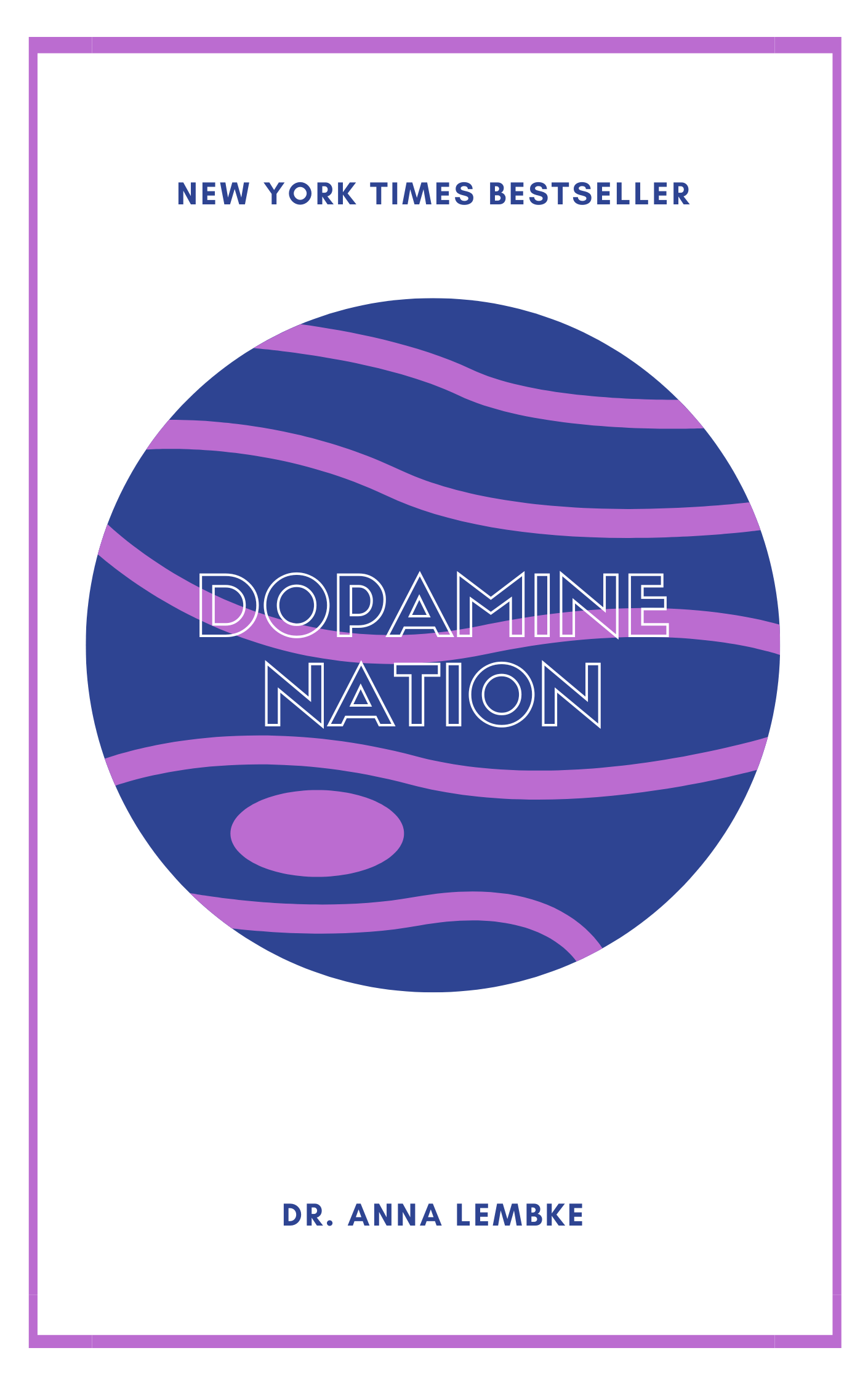
Dopamine Nation Book Summary
This Dopamine Nation Book Summary covers the key ideas, lessons, and takeaways in about 20 minutes.
Through the stories of her patients and insights from neuroscience, Lembke offers a roadmap for anyone caught in the loop of overindulgence — to step away, reset, and rediscover the quiet, steady pleasure of a meaningful life.
Helps with these goals
Want the complete 20-minute summary?
- Full structured summary
- Video Summary
- Podcast Summary
- Audio summary
- Key takeaways
- Exercises
- Quiz
- Highlights and notes
- Ask the book with AI
What is in the Dopamine Nation book summary?
Below is a preview of Sumizeit’s expert-written summary of Dopamine Nation by Dr. Anna Lembke. The full summary covers the book’s key ideas in text, audio, and video.
In Dopamine Nation: Finding Balance in the Age of Indulgence, Dr. Anna Lembke delivers a powerful examination of how modern life has turned pleasure into both our greatest pursuit and our greatest enemy. As a psychiatrist at Stanford University specializing in addiction, she draws from neuroscience, history, and hundreds of patient stories to show that everyone — not just drug users — is caught in an invisible web of compulsive pleasure-seeking.
We live in what she calls a “dopamine-flooded world.” The same chemical that once motivated our ancestors to seek food, safety, and social connection is now being hijacked by technology, processed foods, and 24/7 entertainment. Smartphones, social media, pornography, and even online shopping all deliver powerful dopamine hits that mimic the effects of drugs. “The smartphone,” Lembke writes, “is the modern hypodermic needle.”
She cites striking examples: a Silicon Valley engineer who couldn’t stop checking Reddit every few minutes; a college student who binged on online gaming for 14 hours a day; and a middle-aged woman who bought hundreds of items online she never used. All of them chased pleasure to escape discomfort — loneliness, boredom, anxiety — only to find that the more they consumed, the worse they felt.
The Pleasure-Pain Seesaw: How the Brain Gets Hooked
Lembke explains that the human brain manages pleasure and pain on the same neural platform, functioning like a seesaw that constantly seeks equilibrium. When you experience pleasure — from eating chocolate, winning a bet, or getting likes on Instagram — your brain releases dopamine and tips the seesaw toward pleasure. But it immediately counterbalances by tilting toward pain to restore stability.
This automatic correction is why pleasure fades quickly and why we crave another “hit.” With repeated indulgence, the brain becomes less responsive — a process known as tolerance. Eventually, you need more of the same stimulus to feel pleasure, and when you stop, you experience withdrawal, or what Lembke calls “the aftershock of pleasure.”
She illustrates this cycle vividly through her patient stories. One patient, a young man addicted to video games, described how even a single day without playing made him feel “like life was gray.” Another patient, a doctor who regularly checked social media during surgeries, admitted that he no longer felt joy in real interactions with people. Their brains, conditioned for constant dopamine surges, had reset their default state to pain and emptiness.
Lembke points to neuroscience research showing that pleasure and pain are not just opposites but partners in regulation. The more we indulge in pleasure, the more pain our brain must generate to keep balance — leading to a cycle of overindulgence, craving, and despair.
A World Designed to Hook Us
Our environment, Lembke argues, is engineered to exploit this biological vulnerability. Modern corporations and digital platforms deliberately design their products to maximize dopamine spikes. Social media apps use variable reward schedules — the same psychological trick as slot machines — to keep users scrolling endlessly in anticipation of the next “reward.”
Want the complete 20-minute summary?
- Full structured summary
- Video Summary
- Podcast Summary
- Audio summary
- Key takeaways
- Exercises
- Quiz
- Highlights and notes
- Ask the book with AI
Who should read Dopamine Nation?
Dopamine Nation is essential for anyone struggling with compulsive habits around technology, social media, food, gaming, or shopping. If you feel trapped by constant cravings, experience withdrawal when disconnected from your devices, or wonder why pleasure never feels satisfying anymore, this book speaks directly to you. It's also valuable for parents, educators, and anyone concerned about the addictive design of modern life.
Why does Dopamine Nation matter?
We live in a dopamine-flooded world where corporations deliberately engineer products to hijack our brain's reward system, yet most people don't understand why they can't stop scrolling, eating, or shopping. Dr. Anna Lembke reveals the neuroscience behind modern addiction and shows that this isn't a character flaw but a biological response to unprecedented stimulation. Her practical framework for breaking free offers hope in an age of designed compulsion.
What are the key themes in Dopamine Nation?
- The pleasure-pain seesaw and how the brain seeks equilibrium
- How modern technology and corporations exploit dopamine pathways
- The necessity of abstinence and dopamine fasting for recalibration
- Self-binding strategies to outsmart impulse and temptation
- The healing power of intentional discomfort and hormesis
- Radical honesty as a tool for psychological detox and recovery
- The role of shame and community in breaking addiction cycles
What are the key lessons from the Dopamine Nation book summary?
Pleasure and pain operate on the same neural seesaw
The brain automatically balances pleasure spikes with pain to maintain equilibrium, which is why intense pleasures fade quickly and trigger craving for the next hit.
Tolerance and withdrawal happen to everyone, not just drug users
Repeated indulgence in any dopamine-triggering behavior—social media, gaming, shopping—causes the brain to become less responsive, requiring escalating doses to feel the same effect.
Smartphones function like modern hypodermic needles
Digital devices deliver dopamine hits through deliberately engineered features like variable rewards, notifications, and infinite scroll, mimicking the addictive mechanisms of slot machines and drugs.
Our ancient brains cannot compete with modern abundance
Evolution wired us for scarcity, but we now live amid overwhelming excess of hyperpalatable foods, infinite entertainment, and always-on connectivity that our reward systems were never designed to handle.
Dopamine fasting allows the brain to recalibrate
By completely abstaining from a compulsive behavior for two to four weeks, the seesaw between pleasure and pain resets, making ordinary experiences feel satisfying again.
Willpower alone is not enough to resist modern temptation
Because willpower is unreliable and depletes over time, effective recovery requires creating external constraints and obstacles between yourself and your triggers.
Self-binding comes in three forms: physical, temporal, and categorical
Successful recovery uses deliberate structural changes—deleting apps, setting time restrictions, or eliminating entire categories of triggers—rather than relying on daily choices.
Intentional discomfort activates the body's healing mechanisms
Mild stress through activities like cold exposure, fasting, or exercise triggers hormesis, which produces natural dopamine and endorphins in a balanced, sustainable way.
Radical honesty is a form of psychological detox
Revealing hidden addictive behaviors and lies to trusted others clears the mental clutter that fuels compulsion and reconnects people to reality and authentic relationships.
Prosocial shame drives growth; toxic shame drives isolation
Shame that says 'I did something wrong but can fix it' fosters accountability and connection, while shame that says 'I am bad' deepens the addiction cycle.
Group therapy and community accountability are powerful healing tools
Sharing failures without judgment creates belonging and mutual accountability, transforming shame into a force for personal growth rather than self-destruction.
Real joy comes from slower, more meaningful rewards
Natural rewards like creativity, volunteering, learning, and relationships produce sustainable dopamine and lasting satisfaction unlike the boom-bust cycle of engineered pleasures.
Breaking addiction requires filling the void with purpose
Simply removing compulsive behaviors leaves an empty space; lasting recovery means deliberately cultivating meaningful activities that rewire the reward system in healthy directions.
Freedom paradoxically comes from deliberate constraints
Rather than unlimited choice, true freedom emerges from setting clear boundaries that align with your values and protect you from your own impulses.
The brain's reward threshold can be reset through discipline
Consistent abstinence and exposure to natural discomfort gradually restore sensitivity to simple pleasures and reduce baseline anhedonia and craving.
Hyperpalatable foods exploit the same neural pathways as drugs
Engineered combinations of sugar, fat, and salt override satiety signals and create compulsive eating patterns identical to substance addiction at the neurochemical level.
Variable reward schedules create the most powerful hooks
Unpredictable rewards—like social media notifications, game loot boxes, or streaming autoplay—create stronger craving and persistence than consistent rewards.
Healing happens when pain becomes a ally rather than an enemy
Reframing discomfort as growth-producing allows people to engage pain intentionally, which paradoxically produces calm, resilience, and genuine well-being.
Connection is the antidote to isolation-driven addiction
Loneliness, boredom, and anxiety drive people to compulsive behaviors; rebuilding authentic relationships provides the deepest form of dopamine balance and meaning.
Want the complete 20-minute summary?
- Full structured summary
- Video Summary
- Podcast Summary
- Audio summary
- Key takeaways
- Exercises
- Quiz
- Highlights and notes
- Ask the book with AI
How can you apply ideas from Dopamine Nation?
- Delete apps and use website blockers to create physical barriers between you and your biggest digital triggers
- Implement a two to four week complete abstinence period from your primary compulsive behavior to reset your dopamine baseline
- Practice self-binding by establishing strict time windows for indulgences rather than relying on willpower during unstructured hours
- Replace addictive behaviors with intentional discomfort like cold exposure, fasting, or high-intensity exercise to trigger natural neurotransmitter production
- Join a support group or accountability partnership to practice radical honesty and experience the healing power of shared vulnerability
- Redirect reward-seeking energy into meaningful activities like volunteering, creative hobbies, or skill-building that provide slower but more sustainable dopamine
- Remove temptations from your environment entirely—delete your Amazon account, uninstall gaming platforms, or remove junk food from your home
What common mistakes do readers make with Dopamine Nation?
- Attempting moderation or 'just one' indulgence when in active addiction—tolerance makes this neurologically unsustainable and often triggers full relapse
- Relying solely on willpower and willpower-based strategies instead of creating structural environmental constraints that remove choice
- Focusing only on stopping the addictive behavior without filling the void with meaningful activities, leaving a dopamine vacuum that pulls people back
- Viewing shame as something to hide or eliminate rather than using prosocial shame as a tool for accountability and connection with others
- Expecting quick fixes or assuming that understanding the neuroscience alone will change compulsive behaviors without concrete action
- Neglecting the role of connection and isolation as root causes of addiction, trying to fix the behavior without addressing the underlying loneliness
Sumizeit Exercises Apply what you've learned
Turn ideas from Dopamine Nation into action with a short guided reflection: identify the biggest takeaway, connect it to your life, and commit to one step you can take in the next 24 hours.
What is the expert analysis of Dopamine Nation?
Overview
Dopamine Nation: Finding Balance in the Age of Indulgence is authored by Dr. Anna Lembke, a distinguished psychiatrist and addiction specialist at Stanford University. The book stands out as a timely and incisive exploration of how the neurochemical dopamine, central to human motivation and pleasure, has become a double-edged sword in contemporary society. Lembke’s expertise, drawn from clinical practice, neuroscience, and cultural critique, positions this work as a significant contribution to understanding addiction beyond substances—extending to behaviors shaped by technology, consumerism, and lifestyle excesses.
Core Thesis
At the heart of Dopamine Nation is the argument that modern life’s relentless pursuit of pleasure has overwhelmed the brain’s regulatory mechanisms, producing a seesaw dynamic between pleasure and pain. Dopamine, once an adaptive driver of survival behaviors, is now hijacked by hyper-stimulating environments engineered to exploit human vulnerability. This leads to cycles of overindulgence, tolerance, withdrawal, and ultimately, emotional and physical malaise. Lembke posits that the path to well-being lies not in the elimination of pleasure but in restoring balance through intentional abstinence, self-binding strategies, and embracing discomfort as a form of healing.
Strengths
- Interdisciplinary Integration: Lembke masterfully weaves neuroscience, clinical anecdotes, behavioral economics, and cultural analysis, creating a rich, multidimensional narrative that appeals to both scientific and general audiences.
- Clinical Vividness: The patient stories humanize complex neurobiological concepts, making the abstract tangible and emotionally resonant. These narratives illustrate the universality of compulsive behaviors beyond stereotypical addiction cases.
- Practical Frameworks: The introduction of concepts like dopamine fasting and self-binding offers actionable strategies grounded in evidence-based psychology, empowering readers to apply insights in their own lives.
- Nuanced View of Pain and Shame: By reframing pain as a necessary counterbalance to pleasure and distinguishing between toxic and prosocial shame, Lembke provides a sophisticated understanding of emotional regulation and social healing.
- Cultural Relevance: The book’s critique of technology and consumer culture resonates deeply in the digital age, making it a compelling commentary on contemporary challenges to mental health and self-control.
Critiques & Counterarguments
- Overemphasis on Dopamine: While dopamine is pivotal, addiction and compulsive behaviors involve a complex interplay of neurotransmitters (e.g., serotonin, endorphins) and psychological factors. Some critics argue that the dopamine-centric model risks oversimplification of addiction neurobiology.
- Limited Longitudinal Evidence for Dopamine Fasting: The practice of dopamine fasting, though popularized here, lacks robust, long-term empirical validation. Skeptics caution that abstinence alone may not address underlying psychological or social determinants of addiction.
- Technological Determinism: Lembke’s critique of digital platforms as engineered traps may underplay individual agency and the potential for adaptive use of technology. Alternative perspectives emphasize digital literacy and empowerment rather than abstinence.
- Competing Theories of Addiction: Models such as the biopsychosocial approach or incentive sensitization theory offer nuanced explanations that incorporate environmental, cognitive, and emotional dimensions beyond dopamine-driven reward pathways.
- Socioeconomic and Cultural Factors: The book’s focus on neurochemical and behavioral mechanisms may insufficiently address broader systemic issues—such as inequality, trauma, and social isolation—that contribute to compulsive behaviors and addiction.
Who Should Read This
Dopamine Nation is ideally suited for readers interested in the intersection of neuroscience, psychology, and contemporary culture—particularly those grappling with the challenges of digital distraction, compulsive habits, or addiction. Mental health professionals, educators, and policymakers will find its clinical insights and practical strategies valuable. Additionally, thoughtful lay readers seeking a deeper understanding of why modern pleasures often lead to dissatisfaction and how to reclaim balance in an overstimulated world will benefit from Lembke’s compassionate and well-reasoned guidance.
Frequently asked questions about the Dopamine Nation book summary
What is Dopamine Nation about?
Dopamine Nation by Dr. Anna Lembke examines how modern life—driven by engineered technology, processed foods, and constant entertainment—hijacks our brain's dopamine system to create compulsive pleasure-seeking. The book explains the neuroscience of addiction, shows how corporations deliberately design products to hook us, and offers practical strategies like dopamine fasting, self-binding, and radical honesty to break free from the cycle of overindulgence.
Who should read Dopamine Nation?
Anyone struggling with compulsive scrolling, gaming, shopping, eating, or other behaviors that feel beyond their control should read this book. It's also valuable for parents concerned about their children's technology use, educators, and anyone who wants to understand why pleasure never feels satisfying in the modern world. Even those without obvious addictions will recognize themselves in the stories and strategies.
What are the main takeaways from Dopamine Nation?
The core takeaway is that happiness doesn't come from eliminating pleasure but from balancing it with pain, truth, and discipline. Key insights include understanding how the pleasure-pain seesaw works, using dopamine fasting to reset your baseline, creating structural constraints rather than relying on willpower, seeking intentional discomfort to heal, and recognizing that real joy comes from meaningful activities and human connection rather than engineered dopamine hits.
What is a dopamine fast and how does it work?
A dopamine fast is complete abstinence from a behavior or substance that overstimulates your reward system, typically lasting two to four weeks. During this period, the brain's pleasure-pain seesaw resets, making ordinary experiences feel satisfying again. It doesn't mean eliminating all joy but giving your dopamine system a chance to recalibrate so simple pleasures—eating, reading, human connection—become rewarding once more.
How does Dr. Lembke define self-binding?
Self-binding is creating deliberate obstacles between yourself and addictive triggers through physical, temporal, or categorical constraints. Physical binding includes deleting apps or using website blockers; temporal binding sets specific time windows for indulgences; categorical binding eliminates entire trigger categories, like closing an Amazon account. These external constraints outsmart impulse and are far more effective than relying on willpower.
What role does radical honesty play in recovery?
Radical honesty—revealing hidden behaviors and lies to trusted others—acts as psychological detox by clearing the mental clutter that fuels compulsion. Lembke found that many patients living double lives experienced a breakthrough when they finally told the truth. This connection rebuilds authentic relationships and activates prosocial shame, which drives growth and accountability rather than isolation and shame-driven relapse.
Why does Dr. Lembke recommend seeking discomfort?
Lembke explains that intentional discomfort through activities like cold exposure, fasting, or exercise triggers hormesis—the body's self-healing response. These mild stressors produce natural dopamine and endorphins in a balanced way, reset the pleasure-pain seesaw toward neutral, and build resilience. By embracing discomfort rather than fleeing it, people experience sustained calm and clarity instead of the crashing lows of engineered dopamine.
About Sumizeit
Sumizeit is a profitable Scomy LLC company based in Miami, Florida. It has been helping readers learn from nonfiction books for 7 years with expert-written summaries in text, audio, podcast, and video.
Want the complete 20-minute summary?
- Full structured summary
- Video Summary
- Podcast Summary
- Audio summary
- Key takeaways
- Exercises
- Quiz
- Highlights and notes
- Ask the book with AI
Here's why readers love Sumizeit
Join thousands of learners getting smarter every day
"Great experience. Detailed summaries. Loved the gamification feature. Makes learning fun. Good customer service. I recommend Sumizeit to anyone. You'll learn a lot."
"I always felt busy but still wanting to keep up with the book discussion in my friend group. This was a great supplement to help me keep reading the books I find fun while keeping up with important books."
"I love this website. Instead of scrolling social media, I find myself learning a lot. I use it everyday. I recommend this app for anyone who is too busy and wants to get up to speed with their favorite books."
Dopamine Nation Book Summary PDF
Looking for a Dopamine Nation Book Summary PDF you can save and revisit offline? Our Dopamine Nation Book Summary PDF captures the book’s core ideas in a clean, printable format — the key frameworks, takeaways, and structure without the fluff. Download the Dopamine Nation Book Summary PDF when you want a reference you can annotate, share with your team, or review on the go. Get your Dopamine Nation Book Summary PDF from the download page below.
Download Dopamine Nation Book Summary PDFPeople also liked these summaries
Readers who explored Dopamine Nation often enjoyed these titles next.


Want the complete 20-minute summary?
- Full structured summary
- Video Summary
- Podcast Summary
- Audio summary
- Key takeaways
- Exercises
- Quiz
- Highlights and notes
- Ask the book with AI
Featured Book Titles
Popular Book Summaries at sumizeit, leading book summary app