


Prefer the print book? Buy on Amazon
As an Amazon Associate, Sumizeit earns from qualifying purchases.
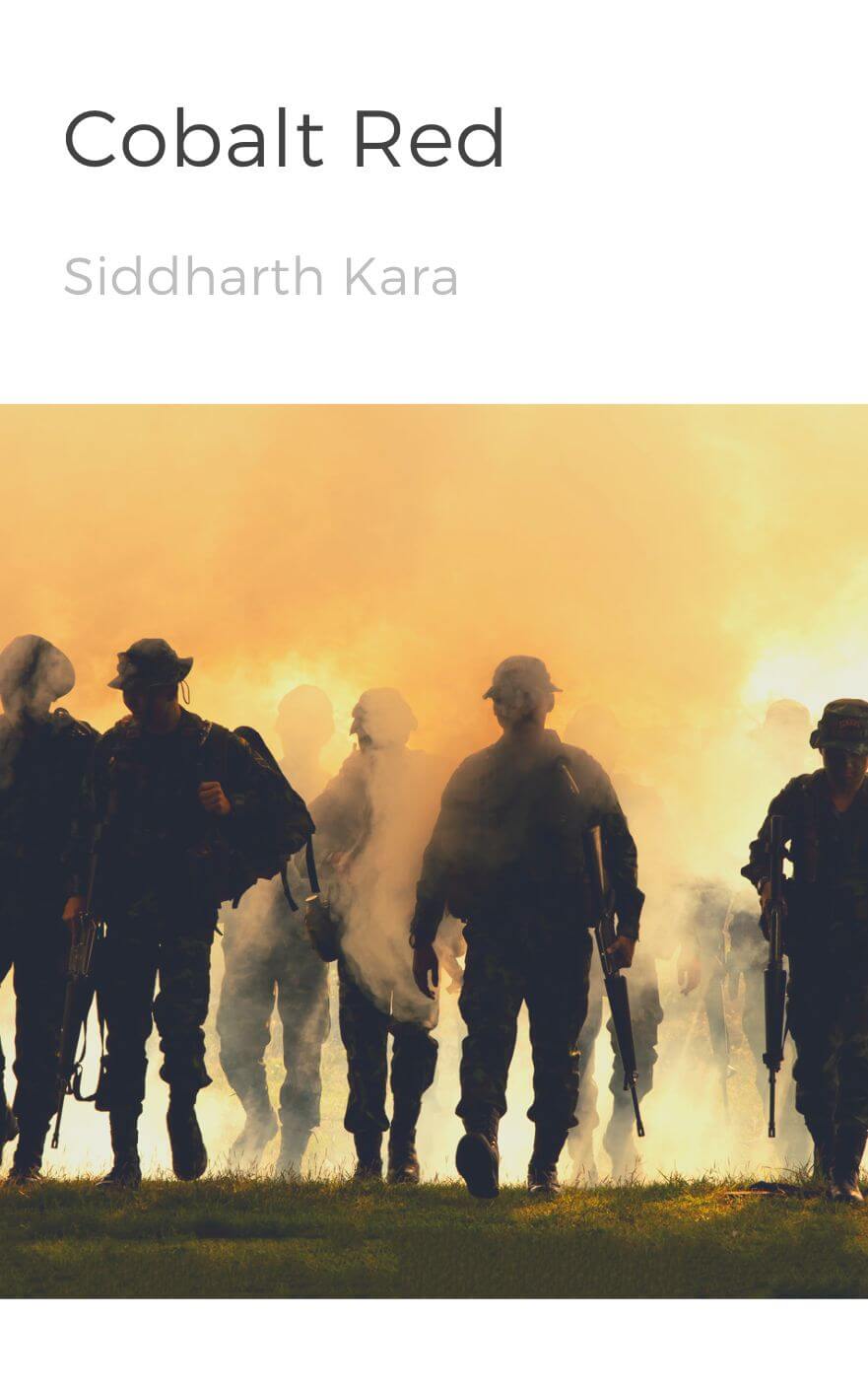
Cobalt Red Book Summary
This Cobalt Red Book Summary covers the key ideas, lessons, and takeaways in about 20 minutes.
Short Description:
Cobalt Red exposes human rights abuses in Congo’s cobalt mining.
Kara's findings are shocking. He reveals that children as young as seven are working in cobalt mines, often in dangerous and unhealthy conditions. He also finds that miners are paid very little, and that they are often exposed to toxic chemicals. Kara argues that the cobalt trade is built on exploitation and abuse, and that it is time for the world to take action to protect the people who are mining the cobalt that powers our phones and other electronic devices.
Cobalt Red is a powerful and important book. It is a must-read for anyone who is concerned about the human rights abuses that are taking place in the DRC, and for anyone who wants to learn more about the dark side of the cobalt trade.
Want a Free Weekly Read?
Get a free summary every week straight to your mailbox.
Preview the Cobalt Red book summary
Below is a preview of Sumizeit’s comprehensive human-written summary of Cobalt Red by Siddharth Kara. The full summary is 15-20 minutes long and covers the book’s key ideas in text, audio, visual, and video formats. Unlock the full 20 Minute Summary
"COBALT RED " is a book written by Siddharth Kara that sheds light on the horrors of modern-day slavery in the cobalt mining industry in the Democratic Republic of Congo (DRC). The book is a culmination of years of research by the author, who has extensively studied human trafficking and modern-day slavery in different parts of the world.
The book begins by outlining the historical and political context of the DRC, which has been plagued by conflict, corruption, and poverty for decades. Against this backdrop, the author exposes the brutal realities of cobalt mining, a vital component of the modern technology industry, which is used to manufacture batteries for smartphones, laptops, and electric cars.
Kara describes in vivid detail how children as young as six years old are forced to work in the mines, enduring harsh conditions and physical abuse. The cobalt miners work for long hours without any protective gear or safety measures, and they are paid meager wages, which barely cover their basic needs.
The author also exposes the intricate networks of human trafficking that enable this form of slavery to persist. He reveals how children are lured from their homes with promises of employment and a better life, only to be sold into slavery in the mines. The book also highlights the role of multinational corporations and governments in perpetuating this form of exploitation.
Despite the grim realities presented in the book, Kara offers a glimmer of hope by profiling individuals and organizations that are working to combat human trafficking and modern-day slavery. He also provides practical solutions that can be implemented to create a more just and equitable world.
Overall, "COBALT RED" is a powerful book that exposes the dark underbelly of the technology industry and raises awareness about the urgent need to address modern-day slavery.
Detailed Summary
The first chapter of "COBALT RED" provides an overview of the historical and political context of the Democratic Republic of Congo (DRC), where much of the world's cobalt is mined. The author describes how the country has been plagued by conflict, corruption, and poverty for decades, which has contributed to the prevalence of modern-day slavery in the cobalt mining industry. He also highlights the importance of cobalt in the modern technology industry, where it is used to manufacture batteries for smartphones, laptops, and electric cars.
Chapter 2 of the book delves into the complex web of actors involved in the cobalt mining industry in the DRC. The author describes how multinational corporations, local businessmen, and government officials all play a role in perpetuating the exploitation of cobalt miners. He profiles some of the key figures in the industry, including the powerful Katanga businessmen who control much of the cobalt trade in the country.
The third chapter of provides a vivid description of the conditions in the cobalt mines in the DRC. The author describes how children as young as six years old are forced to work in the mines, enduring harsh conditions and physical abuse.
Want the complete 20-minute summary?
- Full structured summary
- Video Summary
- Podcast Summary
- Audio summary
- Key takeaways
- Exercises
- Quiz
- Highlights and notes
- Ask the book with AI
Who should read Cobalt Red?
Cobalt Red is essential reading for anyone concerned about the hidden human cost of modern technology. This book speaks to consumers who want to understand what powers their devices, activists and policymakers seeking to address global exploitation, and business leaders committed to ethical supply chains. It's also valuable for students of economics, international relations, and social justice who want to understand how systemic inequality operates at a global scale.
Why does Cobalt Red matter?
As our dependence on smartphones, laptops, and electric vehicles grows, few people realize the human suffering embedded in their supply chains. Siddharth Kara's Cobalt Red exposes the modern slavery fueling the technology industry, revealing uncomfortable truths about the companies we trust and the systems we support. In an era of corporate sustainability claims and consumer activism, this book provides the evidence and moral urgency needed to demand real change.
What are the key themes in Cobalt Red?
- Modern slavery in global supply chains
- The human cost of consumer technology
- Structural inequality and economic exploitation
- Child labor and human trafficking networks
- Corporate accountability and ethical responsibility
- Community activism and grassroots solutions
- Environmental destruction linked to resource extraction
- The intersection of poverty, conflict, and exploitation
How can you apply ideas from Cobalt Red?
- Research and support companies with verified ethical supply chain practices before making technology purchases
- Advocate for supply chain transparency requirements in corporate governance and regulatory frameworks
- Support organizations working directly with mining communities to provide education, healthcare, and legal aid
- Engage with shareholder activism to pressure technology companies to implement rigorous labor standards
- Promote technological innovation and renewable energy alternatives that reduce cobalt demand
- Educate others about the human cost of technology to build demand for ethical practices
- Support policy changes requiring corporate accountability and government enforcement of labor standards in mining regions
What common mistakes do readers make with Cobalt Red?
- Assuming corporate sustainability certifications guarantee ethical practices without independent verification or transparency
- Believing individual purchasing decisions alone can solve systemic exploitation without complementary policy and advocacy efforts
- Viewing cobalt mining exploitation as a localized African problem rather than a consequence of global economic systems and consumer demand
- Underestimating the scale and sophistication of trafficking networks that adapt to regulatory pressure and continue operating despite awareness campaigns
Sumizeit Exercises Apply what you've learned
Turn ideas from Cobalt Red into action with a short guided reflection: identify the biggest takeaway, connect it to your life, and commit to one step you can take in the next 24 hours.
What is the expert analysis of Cobalt Red?
Overview
Cobalt Red is a compelling exposé authored by Siddharth Kara, a preeminent scholar and activist specializing in modern-day slavery and human trafficking. Kara’s extensive field research and advocacy work lend this book both credibility and urgency. The significance of Cobalt Red lies in its unflinching illumination of the cobalt mining industry in the Democratic Republic of Congo (DRC), a critical yet deeply troubling node in the global supply chain for technology products. By connecting the dots between consumer electronics and the exploitation of vulnerable populations—particularly children—Kara offers readers a sobering perspective on the hidden human costs embedded in everyday devices.
Core Thesis
Kara’s central argument is that the cobalt mining industry in the DRC is sustained by systemic modern-day slavery, embedded within a complex nexus of corruption, human trafficking, and global economic inequalities. This exploitation is perpetuated not only by local actors but also by multinational corporations and indifferent governments. The book contends that addressing this issue requires a multifaceted approach involving transparency, ethical consumerism, grassroots activism, and structural reform. Kara further posits that technological innovation and renewable energy may eventually reduce reliance on cobalt, but immediate action is necessary to alleviate the human suffering currently endured.
Strengths
- Meticulous Field Research: Kara’s firsthand accounts and detailed descriptions of mining conditions provide vivid, credible insights that transcend abstract statistics.
- Interdisciplinary Approach: The book adeptly integrates political history, economic analysis, human rights advocacy, and ethical considerations, appealing to a broad intellectual audience.
- Humanization of Victims: By profiling individual miners, especially children, Kara transforms distant geopolitical issues into intimate human stories, enhancing reader empathy and engagement.
- Balanced Presentation of Solutions: Rather than descending into despair, the book highlights ongoing activism and proposes pragmatic strategies involving multiple stakeholders.
- Global Supply Chain Critique: Kara effectively challenges multinational corporations’ complicity, urging accountability and ethical reform in industries often shielded from scrutiny.
Critiques & Counterarguments
- Potential Oversimplification of Corporate Roles: While Kara rightly critiques multinational corporations, the book occasionally underrepresents the complexities of global supply chains and the incremental efforts some companies have made toward ethical sourcing.
- Limited Engagement with Economic Development Theories: The analysis could benefit from deeper exploration of competing economic perspectives, such as how resource extraction might contribute to local economies despite its flaws, or the challenges of governance in fragile states.
- Technological Optimism May Be Premature: The suggestion that renewable energy and technological innovation will reduce cobalt dependency is promising but may underestimate the pace and scale of global demand for such minerals.
- Insufficient Attention to Consumer Behavior Nuances: The book emphasizes ethical consumerism but could further interrogate the limits of consumer-driven change in the face of entrenched systemic issues.
- Comparative Research Gaps: Contrasting Kara’s findings with other case studies of mining industries in different geopolitical contexts might have enriched the analysis and highlighted unique or universal patterns of exploitation.
Who Should Read This
Cobalt Red is essential reading for scholars and practitioners in human rights, global supply chain ethics, and international development. It is equally valuable for policymakers, corporate social responsibility professionals, and activists seeking a grounded understanding of how modern slavery operates within critical industries. Additionally, conscientious consumers and technology sector stakeholders will find Kara’s work an urgent call to reflect on the ethical dimensions of their choices. Ultimately, this book serves as a crucial resource for anyone committed to social justice and systemic reform in a globalized economy.
Frequently asked questions about the Cobalt Red book summary
What is Cobalt Red about?
Cobalt Red by Siddharth Kara exposes the exploitation and modern slavery in the cobalt mining industry in the Democratic Republic of Congo. The book reveals how children and adults are trafficked, forced into dangerous mines without protection or fair wages, and controlled through debt bondage—all to supply cobalt for the smartphones, laptops, and electric vehicles we use daily. Kara combines investigative journalism with personal stories and calls for systemic change from corporations, governments, and consumers.
Who should read Cobalt Red?
Cobalt Red is essential for consumers who care about ethical technology, business leaders committed to responsible supply chains, policymakers addressing labor exploitation, and activists fighting for global justice. The book is also valuable for anyone—students, educators, and concerned citizens—who wants to understand the hidden human cost of modern technology and their role in global supply chain systems.
What are the main takeaways from Cobalt Red?
The main takeaways include: the cobalt mining industry is rife with forced labor and exploitation; corporate technology companies have failed to ensure ethical supply chains; consumers have power to demand change through purchasing decisions; grassroots activists and NGOs are critical to fighting exploitation; and sustainable solutions require collaboration between governments, corporations, communities, and civil society. Kara emphasizes that technology innovation and renewable energy offer promising paths to reduce reliance on exploitatively mined cobalt.
How does cobalt connect to our everyday technology?
Cobalt is an essential element in lithium-ion batteries that power smartphones, laptops, tablets, and electric vehicles. Every time you charge your device or drive an electric car, you're using cobalt mined under brutal conditions in the Democratic Republic of Congo. This direct connection makes consumers unknowing participants in a system that exploits vulnerable workers, often children.
What makes cobalt mining especially dangerous?
Cobalt mining is dangerous because workers—including children—labor without protective equipment in unstable mines, exposed to toxic cobalt dust and collapse risks. They work long hours for meager wages, often held captive by employers through debt bondage. The lack of government oversight, corrupt law enforcement, and traffickers' violence create an environment where exploitation thrives with impunity.
Can consumers actually make a difference in the cobalt mining crisis?
Yes, consumer demand is a powerful lever for change. When consumers seek out ethically produced technology and vote with their wallets, corporations respond by improving supply chain practices. However, individual purchasing power must be paired with advocacy for policy changes, corporate accountability measures, and support for grassroots organizations. Systemic change requires both consumer action and structural reform.
What solutions does Siddharth Kara propose in Cobalt Red?
Kara proposes solutions involving multiple stakeholders: governments enforcing labor standards and combating corruption, corporations ensuring transparent and verified supply chains, consumers demanding ethical practices, and civil society supporting community-led initiatives. He also highlights technological innovation and renewable energy as paths to reduce cobalt demand. Kara emphasizes that meaningful progress requires collaboration, transparency, accountability, and a shared commitment to social justice.
About Sumizeit
Sumizeit is a profitable Scomy LLC company based in Miami, Florida. Our founders, Clemens Raemy and Weina Scott, are successful entrepreneurs with several exits. Sumizeit is a popular book summary app / micro learning app used by busy professionals and entrepreneurs with over 2,500 non-fiction book summaries and 10,000 podcast summaries in text, audio, visual, podcast, and video format. We also have stellar retention tools to make ideas stick - such as flashcards with spaced repetition, quizzes, streaks, highlighting and notes, daily challenges, riddles, mini-courses, meditation, and more. You won't only learn the idea, but also remember it. Over 90% of our users change their habits with Sumizeit.
Upgrade Now
Here's why readers love Sumizeit
Join thousands of learners getting smarter every day
"Great experience. Detailed summaries. Loved the gamification feature. Makes learning fun. Good customer service. I recommend Sumizeit to anyone. You'll learn a lot."
"I always felt busy but still wanting to keep up with the book discussion in my friend group. This was a great supplement to help me keep reading the books I find fun while keeping up with important books."
"I love this website. Instead of scrolling social media, I find myself learning a lot. I use it everyday. I recommend this app for anyone who is too busy and wants to get up to speed with their favorite books."
Cobalt Red Book Summary PDF
Looking for a Cobalt Red Book Summary PDF you can save and revisit offline? Our Cobalt Red Book Summary PDF captures the book’s core ideas in a clean, printable format — the key frameworks, takeaways, and structure without the fluff. Download the Cobalt Red Book Summary PDF when you want a reference you can annotate, share with your team, or review on the go. Get your Cobalt Red Book Summary PDF from the download page below.
Download Cobalt Red Book Summary PDFPeople also liked these summaries
Readers who explored Cobalt Red often enjoyed these titles next.





Ready to read the whole thing?
- Full structured summary
- Video Summary
- Podcast Summary
- Audio summary
- Key takeaways
- Exercises
- Quiz
- Highlights and notes
- Ask the book with AI
Featured Book Titles
Popular Book Summaries at sumizeit, leading book summary app