


Prefer the print book? Buy on Amazon
As an Amazon Associate, Sumizeit earns from qualifying purchases.
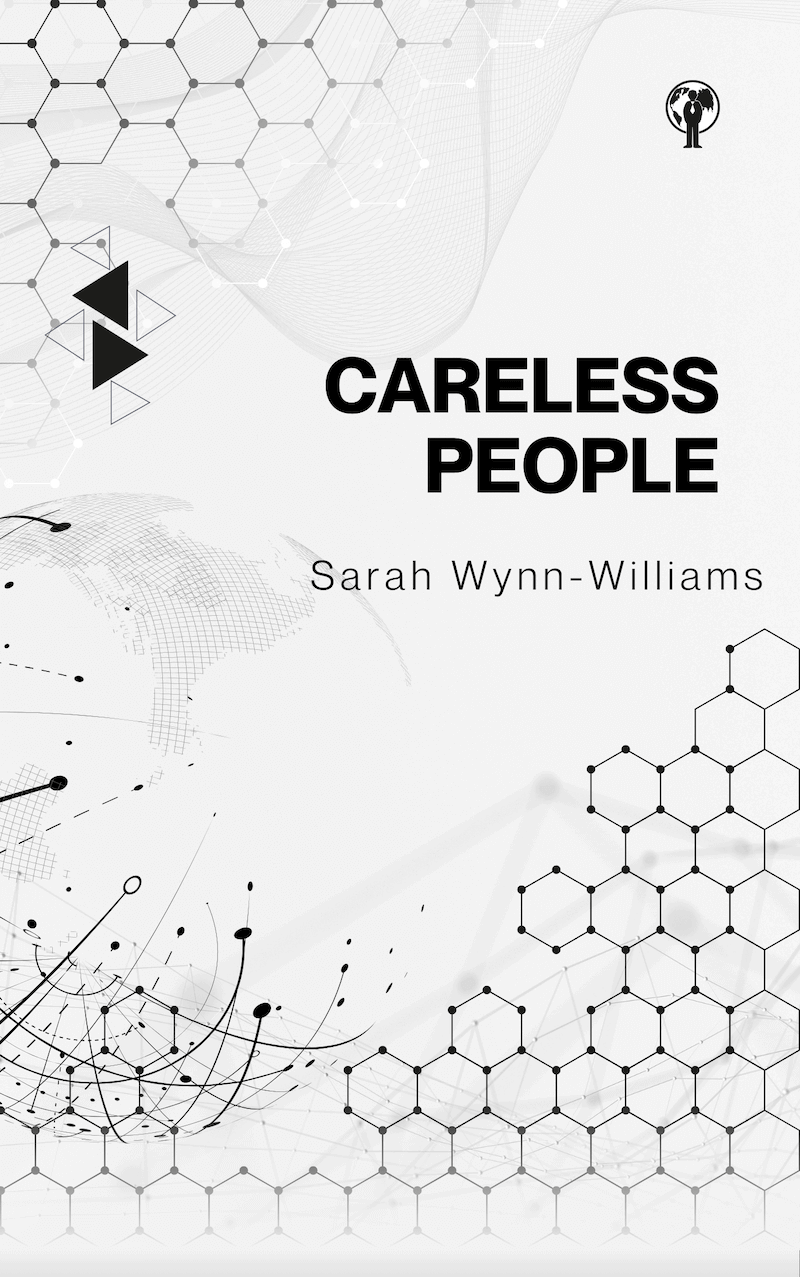
Careless People Book Summary
This Careless People Book Summary covers the key ideas, lessons, and takeaways in about 20 minutes.
Short Description:
Facebook's fast-paced culture led to ethical issues and whistleblowing by Sarah Wynn.
The presidential campaign that promoted misinformation and targeted Trump support was a turning point for Facebook in 2016, as they had denied any political engagement previously. Then Facebook further declined in its ethical behavior by falsely testifying that user data was being kept safe in China.
Sarah Wynn-Williams is now known as the highest-ranking whistleblower from Facebook.
Helps with these goals
Want a Free Weekly Read?
Get a free summary every week straight to your mailbox.
Preview the Careless People book summary
Below is a preview of Sumizeit’s comprehensive human-written summary of Careless People by Sarah Wynn-Williams. The full summary is 15-20 minutes long and covers the book’s key ideas in text, audio, visual, and video formats. Unlock the full 20 Minute Summary
Key Insights
In “Careless People”, Sarah Wynn-Williams gives her audience an inside look at the dark side of the Metaverse.
Sarah became known as Facebook’s whistleblower when she exposed details of her company’s cooperation with China’s Communist Party, which led to an explosion of exposed secrets.
“Careless People” explores the real-life consequences of Facebook's greedy, power-hungry decisions on employees, communities, and democracy. More than just a tale of one instance, “Careless People” reads as a cautionary tale of corporate power and ignorance amidst decision-making and problem-solving.
Key Points
Like many others, Sarah-Wynn Williams saw the possibility and opportunity at Facebook during its humble beginnings.
Sarah had worked as a policy expert with The United Nations, so she was well aware that in order for Facebook to grow into the titan it wanted to become, it would need to rely on someone with international policy expertise to facilitate its global expansion. This is where Sarah saw herself becoming an integral part of Facebook’s rise to success.
Sarah went on a mission to network with Facebook’s policy team, but she found that the faces behind Facebook weren’t as easily found on its easy-to-use search engine.
At last, she was able to reach out to policy team member, Marne Levine, in 2011. During their correspondence, Sarah learned that there had been no previous discussions about hiring someone to specifically negotiate and research policies with global governments. Sarah responded with the benefits of having someone with her expertise on their team and warned about the interference of growth into new markets if they didn’t hire someone of her caliber. This detail caught Marne’s attention.
It only took a week for Marne to call Sarah back when Sarah’s forecast that Facebook would cause a commotion around the globe came true during the Arab Spring. During that call, Marne pressed the idea that Mark Zuckerberg, CEO and co-founder of Facebook, claim responsibility for the protests taking place. With Sarah’s knowledge of policy, she understood that if Zuckerberg did claim responsibility, it would impact Facebook’s acceptance into China. Even though Sarah’s expertise backed her point, Marne ignored her concern as their priority was Western media.
After months of no contact between Sarah and Marne, an earthquake in New Zealand was shown in real-time all over Facebook feeds, drawing Sarah to reach out one more time. This time Sarah took a different approach, pulling at heartstrings and telling Marne how Facebook actually helped her get word on her sister during the earthquake.
Marne finally extended an offer to Sarah for a role on the company’s policy team in Washington D.C. on July 5, 2011.
Too Many Crises, Not Enough Strategy
Sarah quickly was thrown into the rough reality of working at Facebook. Zuckerberg had made it clear, he was not interested in the political world, but to Sarah, Facebook was a political tool.
This wasn’t the only thing that didn’t make sense to Sarah. The offices were in poor shape and consisted of concrete, bare pipes, and fake…
Want the complete 20-minute summary?
- Full structured summary
- Video Summary
- Podcast Summary
- Audio summary
- Key takeaways
- Exercises
- Quiz
- Highlights and notes
- Ask the book with AI
Who should read Careless People?
Careless People is essential reading for anyone concerned about corporate accountability, data privacy, and the social impact of tech giants. It's particularly valuable for policymakers, tech professionals, investors, and citizens who want to understand how major platforms operate behind closed doors and the human cost of unchecked growth.
Why does Careless People matter?
Sarah Wynn-Williams' account reveals how one of the world's most influential companies prioritized expansion over ethics, safety, and democracy. In an era where tech regulation and AI governance are critical debates, her insider perspective on Facebook's willingness to cooperate with authoritarian regimes and suppress internal concerns provides urgent lessons about corporate power and accountability.
What are the key themes in Careless People?
- Corporate power and the prioritization of growth over ethics
- Data privacy and government surveillance
- Workplace culture and employee exploitation
- Political influence and algorithmic manipulation
- The cost of tech expansion in developing nations
- Sexual harassment and retaliation in the workplace
- Whistleblowing and corporate accountability
How can you apply ideas from Careless People?
- Scrutinize tech companies' internal governance and whistleblower protections before investing or working there
- Demand transparency from social platforms about algorithmic decision-making and data-sharing agreements with governments
- Advocate for stronger workplace protections and enforcement against sexual harassment and discrimination in tech industries
- Support regulatory frameworks that require tech companies to conduct human rights impact assessments before entering new markets
- Educate yourself on how algorithmic amplification affects political campaigns and media consumption to become a more critical information consumer
- Push for legislation that prevents companies from falsely testifying before Congress and holds executives personally liable for misconduct
- Monitor which tech platforms have credible whistleblower programs and support those that protect internal critics
What common mistakes do readers make with Careless People?
- Assuming tech companies are politically neutral or apolitical when their business model inherently involves political choices
- Underestimating the human cost of platform expansion, particularly for employees in policy and safety roles and for vulnerable populations in new markets
- Trusting company statements about data security without independent verification, especially regarding international agreements
- Overlooking systemic workplace abuse and retaliation as individual isolated incidents rather than symptoms of toxic corporate culture
Sumizeit Exercises Apply what you've learned
Turn ideas from Careless People into action with a short guided reflection: identify the biggest takeaway, connect it to your life, and commit to one step you can take in the next 24 hours.
What is the expert analysis of Careless People?
Overview
Careless People by Sarah Wynn-Williams offers a rare and incisive insider perspective on Facebook’s internal culture, ethical lapses, and the broader socio-political consequences of its global expansion. Wynn-Williams, a former Director of Global Public Policy at Facebook and a high-ranking whistleblower, leverages her unique position to expose the company’s complicity in enabling authoritarian regimes, fostering misinformation, and perpetuating a toxic workplace environment. Her background as a diplomat and lawyer enriches the narrative, grounding it in international policy expertise and human rights advocacy.
Core Thesis
The central argument of Careless People is that Facebook’s relentless pursuit of growth and market dominance came at a profound cost to democratic institutions, employee welfare, and global ethical standards. The company’s leadership, epitomized by Mark Zuckerberg and senior executives, prioritized expansion and user acquisition over political responsibility, transparency, and human rights. This disregard manifested in cooperation with oppressive governments, manipulation of political processes, and a corporate culture that devalued employee well-being and ethical considerations.
Strengths
- Firsthand Account: Wynn-Williams provides a compelling, detailed insider’s view of Facebook’s policy operations and decision-making processes, which few other sources can match.
- Intersection of Policy and Ethics: The book skillfully connects corporate strategy with its broader political and ethical implications, highlighting the tension between business growth and social responsibility.
- Humanizing the Corporate Machine: Through personal anecdotes, including Wynn-Williams’ experiences with harassment and maternity challenges, the narrative reveals the human cost behind Facebook’s corporate façade.
- Global Perspective: The exploration of Facebook’s dealings in countries like Myanmar, Brazil, and China underscores the company’s role in shaping international digital governance and the risks of unregulated power.
- Whistleblower Authenticity: The author’s status as a whistleblower lends credibility and urgency to the critique, emphasizing the stakes involved in confronting corporate malfeasance.
Critiques & Counterarguments
- Potential Bias and Subjectivity: As a whistleblower and former employee, Wynn-Williams’ account may carry personal biases that color her portrayal of events and individuals, potentially emphasizing negative aspects while underrepresenting countervailing perspectives.
- Limited Engagement with Corporate Defense: The book could benefit from a more balanced exploration of Facebook’s rationale for its decisions, including the complexities of operating in authoritarian contexts and the challenges of global content moderation.
- Oversimplification of Complex Issues: The narrative sometimes frames Facebook’s actions in binary terms of good versus evil, which may overlook the nuanced trade-offs and systemic pressures inherent in managing a global social platform.
- Competing Research on Social Media Impact: While the book highlights Facebook’s role in misinformation and political manipulation, other scholarship suggests a more multifaceted media ecosystem where social media is one among many actors influencing democratic processes.
- Technological Determinism Critique: The portrayal of Facebook as a monolithic force driving negative outcomes could be challenged by perspectives emphasizing user agency, regulatory frameworks, and evolving corporate accountability mechanisms.
Who Should Read This
Careless People is essential reading for scholars and practitioners in business ethics, digital policy, and political science, as well as for activists and journalists interested in corporate accountability and the social impact of technology. It appeals to readers seeking an insider’s exposé of one of the most influential tech companies, and those concerned with the intersection of technology, governance, and human rights. Additionally, professionals navigating corporate culture and workplace ethics will find Wynn-Williams’ personal experiences illuminating and instructive.
Frequently asked questions about the Careless People book summary
What is Careless People about?
Careless People by Sarah Wynn-Williams is a whistleblower account of the author's time as Director of Global Public Policy at Facebook from 2011 to 2017. The book reveals how Facebook prioritized growth and expansion over ethics, data privacy, and employee welfare, including its willingness to cooperate with authoritarian governments and engage in sexual harassment and retaliation against internal critics.
Who should read Careless People?
Anyone concerned about tech regulation, data privacy, corporate accountability, and the social impact of major platforms should read this book. It's particularly valuable for policymakers, tech professionals, investors, journalists, and engaged citizens seeking to understand how Silicon Valley companies operate behind closed doors and the real human consequences of unchecked corporate power.
What are the main takeaways from Careless People?
Careless People demonstrates that Facebook was deliberately structured to move fast and break rules in pursuit of growth, often at the expense of ethics and legality. Key takeaways include the company's willingness to manipulate political outcomes, compromise data security by secretly sharing information with authoritarian regimes, maintain a toxic workplace culture, and retaliate against employees who raised ethical concerns or refused to participate in misconduct.
How did Sarah Wynn-Williams become a Facebook whistleblower?
Sarah joined Facebook in 2011 as a policy expert with UN experience, believing she could guide the company's global expansion responsibly. Over six years, she witnessed repeated ethical compromises, including secret data-sharing agreements with China, algorithmic manipulation of elections, and systematic retaliation against dissenting voices. She was eventually fired after refusing unwanted advances from a senior executive and reporting sexual harassment.
What does Careless People reveal about Facebook's approach to government relations?
The book exposes how Facebook actively negotiated with authoritarian regimes in countries like China, Myanmar, and Brazil, often agreeing to practices that violated international law and user privacy rights. Facebook falsely testified before Congress about data security while secretly arranging data access for foreign governments, demonstrating that the company's stated commitment to privacy was contradicted by its actual practices.
How did Facebook's culture affect employees, according to Careless People?
Sarah describes a workplace deliberately designed to keep employees overwhelmed and isolated, with understaffed teams, no boundaries between work and personal life, and leadership that showed contempt for employee health and safety. The culture normalized sexual harassment, maternal discrimination, and retaliation against anyone who questioned unethical decisions.
What role did Facebook play in the 2016 US presidential election?
According to Careless People, Facebook provided embedded staff to both the Trump and Clinton campaigns in 2016, but only Trump accepted the offer. Facebook then deliberately tweaked algorithms to amplify Trump's messages and extreme content, effectively using its platform to influence a major political outcome—contradicting its earlier claims of political neutrality.
What happened when Sarah Wynn-Williams left Facebook?
Sarah left Facebook in 2017 after being fired, which she attributes to reporting sexual harassment by senior executives and her resistance to cooperating with unethical practices. She subsequently became known as Facebook's highest-ranking whistleblower and has dedicated her work to global policy surrounding artificial intelligence and human rights advocacy.
About Sumizeit
Sumizeit is a profitable Scomy LLC company based in Miami, Florida. Our founders, Clemens Raemy and Weina Scott, are successful entrepreneurs with several exits. Sumizeit is a popular book summary app / micro learning app used by busy professionals and entrepreneurs with over 2,500 non-fiction book summaries and 10,000 podcast summaries in text, audio, visual, podcast, and video format. We also have stellar retention tools to make ideas stick - such as flashcards with spaced repetition, quizzes, streaks, highlighting and notes, daily challenges, riddles, mini-courses, meditation, and more. You won't only learn the idea, but also remember it. Over 90% of our users change their habits with Sumizeit.
Upgrade Now
Here's why readers love Sumizeit
Join thousands of learners getting smarter every day
"Great experience. Detailed summaries. Loved the gamification feature. Makes learning fun. Good customer service. I recommend Sumizeit to anyone. You'll learn a lot."
"I always felt busy but still wanting to keep up with the book discussion in my friend group. This was a great supplement to help me keep reading the books I find fun while keeping up with important books."
"I love this website. Instead of scrolling social media, I find myself learning a lot. I use it everyday. I recommend this app for anyone who is too busy and wants to get up to speed with their favorite books."
Careless People Book Summary PDF
Looking for a Careless People Book Summary PDF you can save and revisit offline? Our Careless People Book Summary PDF captures the book’s core ideas in a clean, printable format — the key frameworks, takeaways, and structure without the fluff. Download the Careless People Book Summary PDF when you want a reference you can annotate, share with your team, or review on the go. Get your Careless People Book Summary PDF from the download page below.
Download Careless People Book Summary PDFPeople also liked these summaries
Readers who explored Careless People often enjoyed these titles next.




Ready to read the whole thing?
- Full structured summary
- Video Summary
- Podcast Summary
- Audio summary
- Key takeaways
- Exercises
- Quiz
- Highlights and notes
- Ask the book with AI
Featured Book Titles
Popular Book Summaries at sumizeit, leading book summary app