


As an Amazon Associate, Sumizeit earns from qualifying purchases.
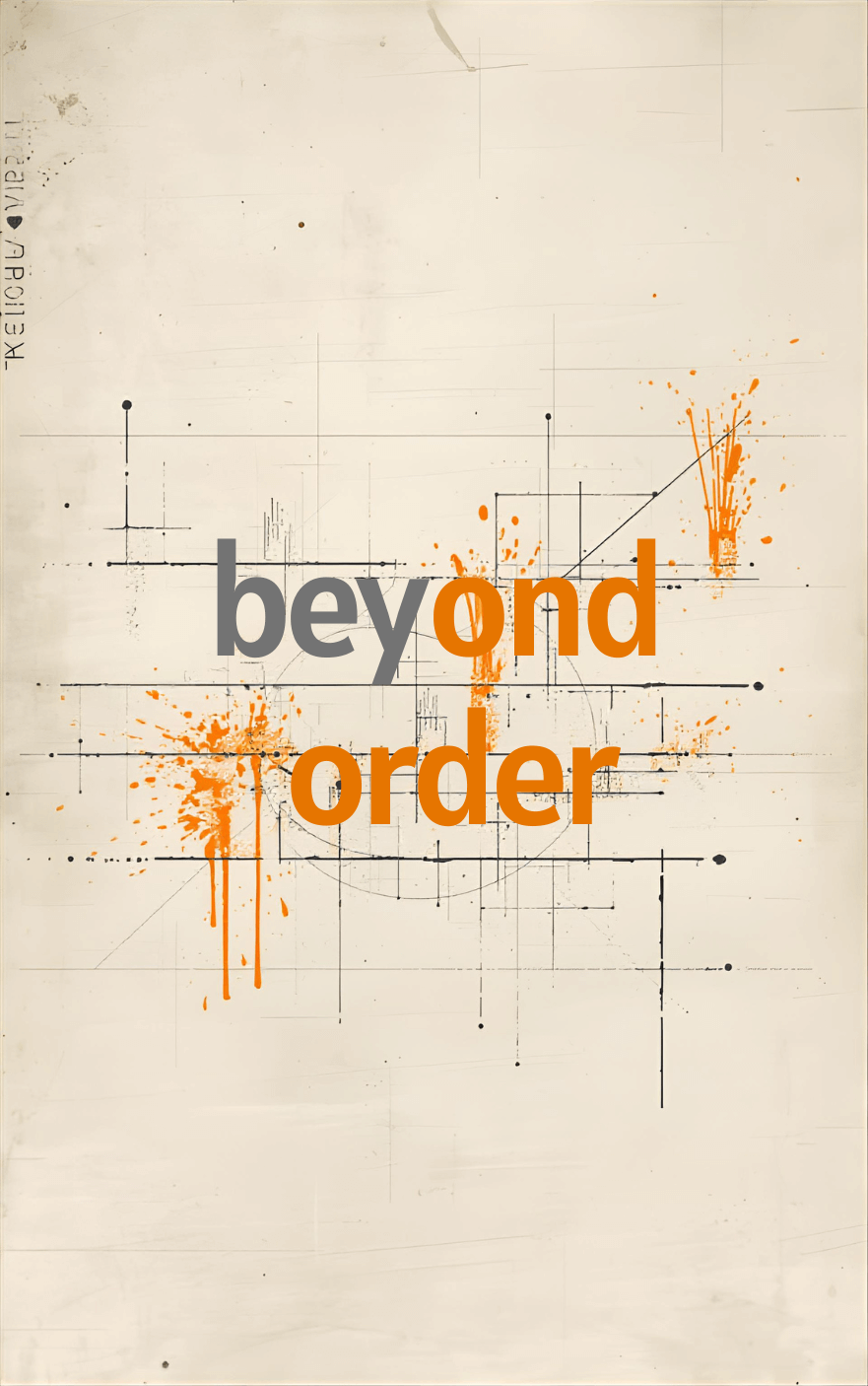
Beyond Order Book Summary
This Beyond Order Book Summary covers the key ideas, lessons, and takeaways in about 20 minutes.
Ultimately, the book asserts that while chaos is unavoidable, despair is not. By choosing responsibility, honesty, gratitude, and courage, individuals can build lives that remain meaningful even in the face of hardship. The goal is not perfection or happiness, but the ability to stand upright in a world that will inevitably test one’s character.
Helps with these goals
Want the complete 20-minute summary?
- Full structured summary
- Video Summary
- Podcast Summary
- Audio summary
- Key takeaways
- Exercises
- Quiz
- Highlights and notes
- Ask the book with AI
What is in the Beyond Order book summary?
Below is a preview of Sumizeit’s expert-written summary of Beyond Order by Jordan B. Peterson. The full summary covers the book’s key ideas in text, audio, and video.
Beyond Order begins with a blunt observation: life is not stable, fair, or gentle, and no amount of wishful thinking will make it so. Jordan Peterson argues that modern people are often taught to believe that happiness is the goal of life, that suffering is abnormal, and that social systems should remove hardship altogether. He claims this belief leaves people fragile, resentful, and unprepared for reality.
Instead of promising comfort, Peterson frames life as a constant negotiation between structure and uncertainty. Too much order leads to rigidity, stagnation, and tyranny. Too much chaos leads to anxiety, confusion, and despair. A meaningful life, he argues, requires learning how to voluntarily step into difficulty, accept responsibility, and create enough structure to withstand life’s unpredictability—without becoming dogmatic or cruel.
Throughout the book, Peterson introduces twelve guiding principles aimed at helping people become stronger, more capable, and more morally grounded in a world that increasingly feels unstable. These principles span personal responsibility, relationships, social systems, and existential meaning, emphasizing courage over comfort and integrity over ease .
Meaning Comes From Carrying Weight, Not Chasing Pleasure
One of Peterson’s core arguments is that meaning does not come from feeling good. Happiness, he explains, is fleeting and unreliable—it vanishes when hardship appears. If happiness were the foundation of life, any serious difficulty would render existence unbearable.
Instead, Peterson proposes responsibility as the true source of meaning. When a person voluntarily accepts burdens—caring for others, committing to demanding goals, or improving their character—they experience a sense of purpose that persists even during suffering. Responsibility strengthens people psychologically by giving them a reason to endure pain rather than collapse under it.
For example, a person who takes responsibility for their health by exercising and eating well may still feel discomfort and frustration. But those struggles are meaningful because they are tied to a long-term commitment. Likewise, a parent caring for a sick child may be exhausted and anxious, but the responsibility gives their suffering direction rather than emptiness.
Peterson emphasizes that responsibility must be chosen voluntarily. Being forced into obligations breeds resentment, while choosing them fosters dignity and self-respect. Over time, people who shoulder responsibility become more resilient, competent, and trustworthy—not because life gets easier, but because they become stronger.
Expanding Responsibility Builds Strength and Opportunity
Once someone can manage their basic obligations, Peterson encourages them to look for neglected tasks and unmet needs around them. He argues that many environments—workplaces, families, communities—are full of responsibilities no one wants to claim. These gaps represent opportunities for growth.
When someone steps forward to handle what others avoid, they gain both internal and external rewards. Internally, they develop confidence and self-trust. Externally, they become known as reliable and capable, which often leads to greater influence and opportunity.
Consider a workplace where deadlines are regularly missed or conflicts go unresolved. An employee who voluntarily addresses these problems—by organizing systems, improving communication, or taking initiative—may initially feel overwhelmed. But over time, they become indispensable, learning skills that compound their value.
Peterson argues…
Want the complete 20-minute summary?
- Full structured summary
- Video Summary
- Podcast Summary
- Audio summary
- Key takeaways
- Exercises
- Quiz
- Highlights and notes
- Ask the book with AI
Who should read Beyond Order?
Beyond Order is for anyone seeking meaningful direction in an unstable world—whether you're struggling with purpose, navigating major life decisions, or feeling overwhelmed by modern complexity. This book resonates with people who reject comfortable platitudes and want to understand how to build resilience, integrity, and genuine fulfillment through responsibility rather than ease.
Why does Beyond Order matter?
In an era of unprecedented choice, ideological polarization, and collective anxiety, Beyond Order offers a counterintuitive framework for stability and meaning. Jordan B. Peterson argues that modern culture's focus on comfort and happiness actually leaves people fragile and unprepared for life's inherent challenges. The book provides practical wisdom for individuals seeking to strengthen themselves morally and psychologically while navigating both personal crises and social uncertainty.
What are the key themes in Beyond Order?
- Meaning emerges from accepting responsibility, not pursuing happiness
- Commitment and limitation create identity and mastery
- Conscience and integrity are essential to psychological health
- Balance between structure and chaos is necessary for growth
- Past experiences must be processed and integrated, not suppressed
- Personal development is a moral obligation to reduce burden on others
- Ideological certainty is dangerous; intellectual humility is essential
- Long-term relationships and small daily improvements stabilize life
What are the key lessons from the Beyond Order book summary?
Happiness is an Unreliable Foundation for Life
Fleeting feelings cannot sustain meaning through inevitable hardship. A life built on happiness collapses when suffering arrives; responsibility-based meaning persists through difficulty.
Voluntary Responsibility Builds Psychological Strength
Chosen obligations foster dignity and self-respect, while forced ones breed resentment. People who shoulder burdens they select become more resilient, competent, and trustworthy over time.
Expand Your Responsibilities to Multiply Your Opportunities
Unmet needs in workplaces, families, and communities represent growth opportunities for those willing to claim them. Taking on what others avoid builds both internal confidence and external reputation.
Your Conscience is a Moral Compass, Not a Weapon
Listening to your inner sense of right and wrong prevents psychological distress and maintains self-respect, but weaponizing morality against others becomes self-righteousness.
Commitment Narrows Your Focus to Enable Mastery
Keeping all options open leads to drift rather than development. True freedom comes from choosing a direction, accepting resistance, and developing expertise through sustained effort.
Unprocessed Painful Memories Linger as Unresolved Problems
Revisiting past trauma with adult understanding extracts meaning and insight rather than remaining haunted by raw emotion. Processing, not suppressing, restores psychological order.
Self-Improvement is an Ethical Responsibility to Others
Becoming stronger and wiser reduces the burden you place on those around you while increasing your capacity to help. Personal development is moral duty, not self-indulgence.
Mythological Archetypes Encode Timeless Patterns of Growth
The hero's journey—confronting danger, transforming through struggle, returning with wisdom—appears across cultures because it reflects how human beings actually develop.
Societies Need Both Tradition and Reform
Discarding accumulated wisdom carelessly destabilizes society, but rigid resistance to change is equally damaging. Healthy civilizations evolve through dialogue and gradual integration.
Moral Compromise in the Name of Belonging Erodes Your Identity
Staying silent about unethical practices or betraying your values for approval gradually destroys self-respect. Building transferable skills provides options to refuse compromising situations.
Simplistic Ideologies Oversimplify Reality and Foster Arrogance
Systems claiming a single cause for all suffering offer clarity but encourage moral certainty and resentment. Intellectual humility and engagement with opposing views reveal complexity.
Long-Term Relationships Require Deliberate, Ongoing Effort
Committed partnerships don't sustain themselves; they need intentional communication about finances, responsibilities, intimacy, and expectations to prevent resentment from festering.
Small, Chronic Stressors Accumulate Into Instability
Ignoring minor irritations—messy habits, unresolved conflicts, inefficient routines—allows stress to compound. Addressing these issues early prevents them from becoming overwhelming.
Beauty and Wonder Sustain the Spirit During Hardship
Engagement with art, music, nature, or craftsmanship reconnects people with appreciation for existence beyond suffering, providing psychological nourishment without requiring elite experiences.
Resentment and Dishonesty Reshape Your Moral Perception
Using unfairness as justification for unethical behavior may offer short-term advantage but gradually makes ethical conduct more difficult. Repeated dishonesty alienates you from yourself.
Gratitude Preserves Dignity Even Amid Suffering
Acknowledging life's remaining value—however limited—prevents despair from becoming cruelty. Small recognitions of food, shelter, and connection anchor individuals during dark periods.
Structure and Chaos Are Both Necessary and Dangerous
Too much order creates rigidity and tyranny; too much chaos breeds anxiety and despair. Meaningful life requires learning to navigate between them without becoming dogmatic.
Courage and Honesty Are Moral Acts, Not Practical Strategies
Acting with integrity despite risk and speaking truth despite pressure demonstrate the character development that distinguishes a meaningful life from mere survival.
Your Life's Stability Depends on Daily Choices, Not Circumstances
While external chaos is unavoidable, how you respond through responsibility, honesty, and integrity determines whether you remain upright or collapse inward.
Becoming More Than You Are Requires Confronting Your Shadow Self
Growth demands engaging with uncomfortable truths about yourself, accepting your capacity for both good and evil, and choosing improvement despite the difficulty.
Want the complete 20-minute summary?
- Full structured summary
- Video Summary
- Podcast Summary
- Audio summary
- Key takeaways
- Exercises
- Quiz
- Highlights and notes
- Ask the book with AI
How can you apply ideas from Beyond Order?
- Identify one neglected area in your life or work environment and volunteer to take responsibility for it, tracking how your competence and confidence grow
- Practice sitting with difficult conversations or honest feedback rather than avoiding them; notice how early discomfort prevents larger problems later
- Write about a painful memory from your past using adult perspective, extracting lessons rather than remaining stuck in emotion
- Schedule regular relationship maintenance time with your partner to discuss finances, responsibilities, and expectations before resentment builds
- List small daily stressors (messy spaces, incomplete projects, unresolved conflicts) and address one each week to prevent accumulation
- When facing moral compromise, develop an exit strategy by building transferable skills and education that provide you options
- Commit to one demanding long-term goal and persist through resistance instead of changing direction when discomfort appears
- Engage with beauty intentionally—whether music, nature walks, or craftsmanship—as psychological nourishment during stressful periods
What common mistakes do readers make with Beyond Order?
- Believing that achieving happiness should be life's primary goal, which leaves you unprepared when suffering inevitably arrives
- Keeping all options open indefinitely instead of committing to a direction, resulting in drift rather than development
- Ignoring your conscience's signals about dishonesty or ethical compromise, gradually eroding self-respect without realizing it
- Dismissing small daily stressors as insignificant, allowing them to accumulate into persistent tension that undermines mental health
- Using ideological certainty to explain complex problems, which oversimplifies reality and blocks understanding of nuance
- Expecting long-term relationships to sustain themselves without deliberate communication and maintenance effort
Sumizeit Exercises Apply what you've learned
Turn ideas from Beyond Order into action with a short guided reflection: identify the biggest takeaway, connect it to your life, and commit to one step you can take in the next 24 hours.
What is the expert analysis of Beyond Order?
Overview
Beyond Order is a significant contribution to contemporary self-improvement and psychological literature, authored by Jordan B. Peterson, a Canadian clinical psychologist renowned for his exploration of personality, mythology, and moral psychology. Building on his previous work, Peterson addresses the pervasive instability of modern life, challenging prevailing cultural narratives that prioritize happiness and comfort above all else. The book’s significance lies in its synthesis of psychological insight, philosophical reflection, and practical guidance aimed at fostering resilience and meaning in an uncertain world.
Core Thesis
Peterson’s central argument is that a meaningful life emerges not from the pursuit of happiness or the avoidance of suffering, but from the voluntary acceptance of responsibility and the courageous navigation between order and chaos. He posits that too much order breeds rigidity and tyranny, while too much chaos leads to despair and anxiety. Meaning is found in the deliberate engagement with difficulty, the cultivation of integrity, and the balancing of tradition with necessary change. Responsibility, chosen freely, is the cornerstone of psychological strength and moral development.
Strengths
- Integrative Framework: Peterson adeptly weaves together psychological theory, mythological archetypes, and philosophical concepts, providing a rich, multidimensional approach to personal growth.
- Practical Guidance: The twelve guiding principles offer concrete strategies for readers to cultivate resilience, responsibility, and integrity in daily life.
- Nuanced View of Order and Chaos: The dialectical tension between structure and uncertainty is thoughtfully articulated, avoiding simplistic binaries and encouraging balance.
- Emphasis on Moral Agency: The insistence on voluntary responsibility and intellectual humility promotes ethical self-reflection and combats ideological rigidity.
- Addressing Contemporary Malaise: By confronting issues such as ideological extremism, chronic stress, and the erosion of traditional commitments, the book resonates with modern existential concerns.
Critiques & Counterarguments
- Evidence and Generalization: While Peterson’s arguments are compelling, they often rely on anecdotal examples and mythological narratives rather than rigorous empirical data, which may limit their generalizability across diverse populations.
- Complexity of Happiness: The book’s critique of happiness as a goal may underappreciate contemporary psychological research that distinguishes between hedonic pleasure and eudaimonic well-being, the latter aligning more closely with meaning and purpose.
- Potential Oversimplification of Ideologies: Peterson’s characterization of ideological systems as inherently simplistic and morally arrogant may overlook the nuanced motivations and positive social functions that ideologies can serve.
- Alternative Psychological Models: Competing schools of thought, such as humanistic psychology or positive psychology, emphasize empowerment and flourishing through positive emotions and social connection, offering a more optimistic view than Peterson’s often somber tone.
- Societal and Cultural Variability: The emphasis on individual responsibility and traditional structures may not fully account for systemic inequalities or cultural differences that shape opportunities and constraints in meaningful ways.
Who Should Read This
Beyond Order is ideally suited for readers seeking a profound and challenging exploration of meaning, responsibility, and moral integrity amid life’s inherent difficulties. It appeals to those interested in psychology, philosophy, and cultural criticism who appreciate a synthesis of classical wisdom and contemporary issues. Professionals in mental health, educators, and individuals confronting personal or societal chaos will find its insights particularly valuable. However, readers open to critical engagement and willing to navigate complex, sometimes contentious ideas will benefit most from Peterson’s demanding yet empowering vision.
Frequently asked questions about the Beyond Order book summary
What is Beyond Order about?
Beyond Order by Jordan B. Peterson is about finding meaning, stability, and resilience in an unpredictable world by embracing responsibility, integrity, and courage rather than seeking comfort. The book argues that meaningful life emerges from voluntarily accepting burdens, confronting difficulty, and acting ethically despite suffering—not from happiness or the elimination of hardship.
Who should read Beyond Order?
Beyond Order is for anyone seeking genuine meaning and direction rather than comfort—particularly those struggling with purpose, facing major life decisions, or feeling anxious about social instability. It resonates with readers who reject platitudes and want practical wisdom on building resilience, integrity, and psychological strength.
What are the main takeaways from Beyond Order?
Key takeaways include: meaning comes from responsibility, not happiness; commitment and limitation enable mastery; listening to your conscience maintains integrity; past trauma must be processed to restore psychological order; relationships require deliberate maintenance; small daily stressors compound if ignored; and gratitude preserves dignity during suffering. Peterson argues that while chaos is unavoidable, meaningful life remains possible through courage, honesty, and intentional growth.
How does Peterson define responsibility in Beyond Order?
Peterson frames responsibility as voluntarily accepting burdens—caring for others, pursuing demanding goals, improving character—which creates meaning that persists through difficulty. He distinguishes between forced obligations, which breed resentment, and chosen ones, which foster dignity and psychological strength.
What does Peterson say about commitment and choice?
Peterson argues that modern culture's emphasis on keeping all options open leads to drift rather than freedom. True development requires choosing a direction, sacrificing alternatives, and persisting through resistance. By narrowing focus, energy becomes concentrated, allowing mastery and identity to emerge.
How should I handle past painful memories according to Beyond Order?
Peterson recommends consciously processing painful memories through structured reflection or writing rather than suppressing or endlessly reliving them. By revisiting experiences with adult understanding, you extract meaning and insight, transforming raw emotion into psychological integration that allows growth to continue.
What does Beyond Order say about relationships?
Peterson advocates for committed, monogamous relationships as stabilizing forces in adult life that provide emotional support and shared responsibility. However, he emphasizes that successful relationships require deliberate communication about finances, responsibilities, intimacy, and expectations. Romance fades not because love disappears, but because attention is diverted elsewhere.
What is Peterson's stance on ideology in Beyond Order?
Peterson warns against ideologies claiming to explain all suffering with a single cause and promising salvation through total adherence. Such systems oversimplify reality and encourage moral arrogance by dividing the world into heroes and villains. He urges intellectual humility and engagement with opposing views instead.
About Sumizeit
Sumizeit is a profitable Scomy LLC company based in Miami, Florida. It has been helping readers learn from nonfiction books for 7 years with expert-written summaries in text, audio, podcast, and video.
Want the complete 20-minute summary?
- Full structured summary
- Video Summary
- Podcast Summary
- Audio summary
- Key takeaways
- Exercises
- Quiz
- Highlights and notes
- Ask the book with AI
Here's why readers love Sumizeit
Join thousands of learners getting smarter every day
"Great experience. Detailed summaries. Loved the gamification feature. Makes learning fun. Good customer service. I recommend Sumizeit to anyone. You'll learn a lot."
"I always felt busy but still wanting to keep up with the book discussion in my friend group. This was a great supplement to help me keep reading the books I find fun while keeping up with important books."
"I love this website. Instead of scrolling social media, I find myself learning a lot. I use it everyday. I recommend this app for anyone who is too busy and wants to get up to speed with their favorite books."
Beyond Order Book Summary PDF
Looking for a Beyond Order Book Summary PDF you can save and revisit offline? Our Beyond Order Book Summary PDF captures the book’s core ideas in a clean, printable format — the key frameworks, takeaways, and structure without the fluff. Download the Beyond Order Book Summary PDF when you want a reference you can annotate, share with your team, or review on the go. Get your Beyond Order Book Summary PDF from the download page below.
Download Beyond Order Book Summary PDFPeople also liked these summaries
Readers who explored Beyond Order often enjoyed these titles next.

Want the complete 20-minute summary?
- Full structured summary
- Video Summary
- Podcast Summary
- Audio summary
- Key takeaways
- Exercises
- Quiz
- Highlights and notes
- Ask the book with AI
Featured Book Titles
Popular Book Summaries at sumizeit, leading book summary app