


Prefer the print book? Buy on Amazon
As an Amazon Associate, Sumizeit earns from qualifying purchases.
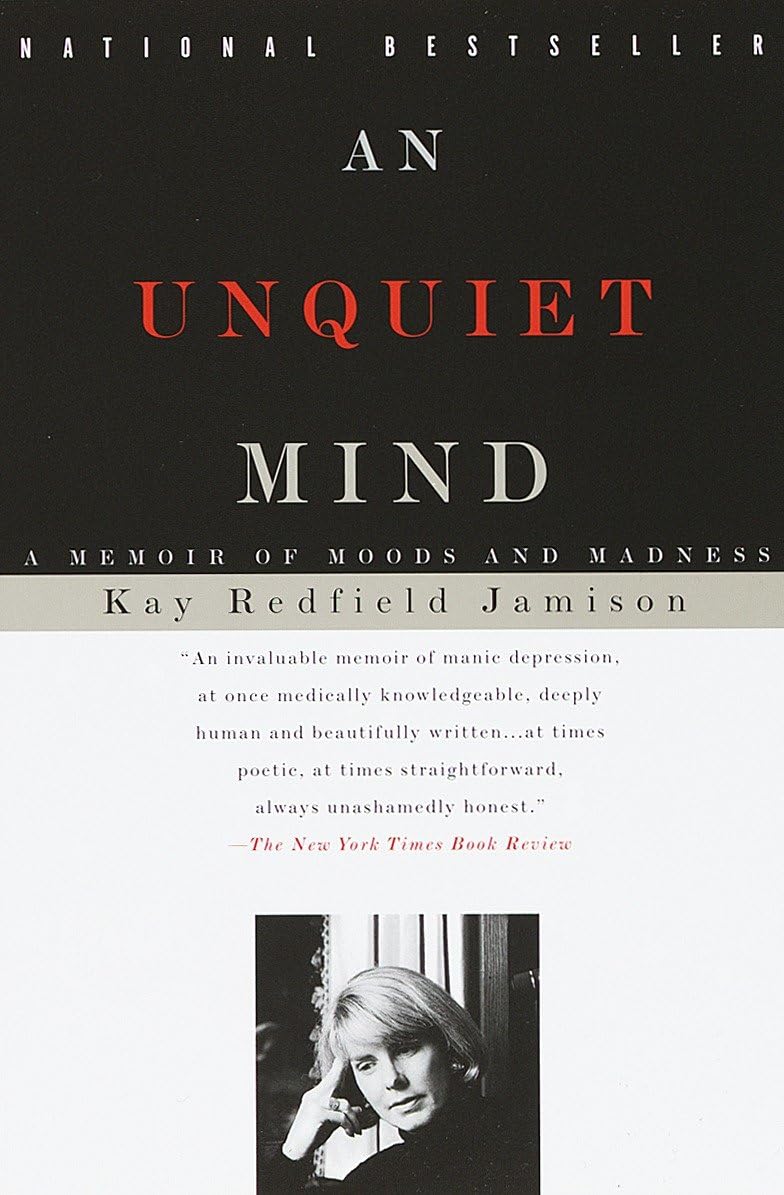
An Unquiet Mind Book Summary
This An Unquiet Mind Book Summary covers the key ideas, lessons, and takeaways in about 20 minutes.
Short Description:
An Unquiet Mind reveals bipolar disorder’s challenges and hope for healing.
The book illustrates the destructive potential of untreated mania and depression, the terrifying reality of suicidal thinking, and the painful struggle to accept lifelong treatment. Yet it also reveals the strength found in vulnerability, the healing power of connection, and the possibility of rebuilding a life after devastation. Jamison makes a compelling argument that medication, therapy, and supportive relationships are not limitations but liberating tools that allow a person to reclaim identity, creativity, and stability.
Above all, An Unquiet Mind is a message of hope: that with proper care and compassion—not shame—those with bipolar disorder can thrive, contribute meaningfully to the world, and experience deep joy and love. Jamison’s story encourages breaking silence, letting go of stigma, and choosing life repeatedly, even when it feels impossible.
Helps with these goals
Want a Free Weekly Read?
Get a free summary every week straight to your mailbox.
Preview the An Unquiet Mind book summary
Below is a preview of Sumizeit’s comprehensive human-written summary of An Unquiet Mind by Kay Redfield Jamison. The full summary is 15-20 minutes long and covers the book’s key ideas in text, audio, visual, and video formats. Unlock the full 20 Minute Summary
An Unquiet Mind by Kay Redfield Jamison is a deeply personal memoir exploring the lived experience of bipolar disorder—formerly known as manic-depressive illness—through the eyes of a clinical psychologist who has spent her professional life studying it and her personal life surviving it. Jamison weaves together raw emotional honesty, clinical insight, and vivid descriptions of the extreme highs and crushing lows that define her condition. The memoir exposes the internal chaos of mania, the suffocating despair of depression, and the enduring fight for stability, purpose, and dignity amid a chronic mental illness. Through her narrative, Jamison challenges stigma, illuminates complexities around treatment, and ultimately offers a message of perseverance, love, and scientific progress.
Early Signs and Childhood Foundations
Jamison reflects on her childhood and adolescence as the backdrop to the early psychological turbulence that would later develop into full-blown bipolar disorder. Growing up in a military family, she internalized the discipline and structure of army life but also absorbed the emotional instability that surrounded constant relocation and familial strain. Her father, a commanding and charismatic figure, grappled with his own emotional volatility—expressed through bursts of creative joy followed by periods of isolation and depression. Watching her father’s decline without explanation or support planted the early seeds of confusion and fear that shaped her understanding of mental illness.
As a child, Jamison was energetic, imaginative, and intellectually driven, but she also felt emotional intensities far beyond the typical experience. She describes racing thoughts, restlessness, difficulty sleeping, and dramatic swings between confidence and despair. These early patterns, though largely unnoticed by adults, foreshadowed the storm that would come.
The Onset of Bipolar Disorder as a Young Adult
Jamison’s symptoms escalated dramatically during her teenage years and early college days. She recalls episodes of exhilarating mania, during which she felt invincible and electrified with creative and intellectual energy. The world appeared brighter, faster, more meaningful. Ideas exploded beyond containment, and she became consumed by grand ambitions, risky behavior, and an ability to function on little or no sleep. She excelled academically and professionally, completing demanding work at lightning speed and impressing colleagues and professors alike.
But the highs were inevitably followed by catastrophic crashes. In the depths of depression, she felt immobilized, hopeless, and convinced that life was not worth living. Everyday tasks—getting out of bed, eating, speaking—felt impossible. She struggled with overwhelming shame and internal conflict, believing she was both a burden and a failure despite external achievements.
These cycles intensified, creating a dangerous psychological spiral. The disorder remained undiagnosed for years, partly because Jamison—and those around her—mistook brilliance and energy for health and productivity, not recognizing the pathology beneath.
Professional Success and Private Collapse
As Jamison advanced into her career as a clinical psychologist and professor at UCLA, she gained recognition for her research expertise and teaching ability. To colleagues, she appeared driven, charismatic, and unstoppable. But privately, her mental state was unraveling. During manic episodes, she spent recklessly, made impulsive decisions, and risked her safety repeatedly.
Want the complete 20-minute summary?
- Full structured summary
- Video Summary
- Podcast Summary
- Audio summary
- Key takeaways
- Exercises
- Quiz
- Highlights and notes
- Ask the book with AI
Who should read An Unquiet Mind?
An Unquiet Mind is essential for anyone living with bipolar disorder, their loved ones, and mental health professionals seeking to understand the disease from both clinical and human perspectives. It also speaks powerfully to readers interested in memoir, psychology, creativity, and the intersection of personal vulnerability with professional achievement.
Why does An Unquiet Mind matter?
Kay Redfield Jamison's memoir breaks decades of silence around mental illness by combining scientific credibility with raw emotional honesty, challenging harmful stigma and encouraging open conversation about bipolar disorder. In a world where untreated mental illness remains a leading cause of suffering and suicide, this book demonstrates that recovery is possible and that medication and support are liberating tools, not failures.
What are the key themes in An Unquiet Mind?
- The biological reality of bipolar disorder and the necessity of medical treatment
- Living with chronic mental illness while pursuing professional excellence
- Breaking stigma through vulnerability and honest disclosure
- The complex relationship between creativity, mania, and mental health
- The transformative power of love, friendship, and human connection
- Acceptance versus cure: building a life around lifelong management
- Suicide, suicidal thinking, and the fight to stay alive
- Identity, medication, and the fear of losing oneself through treatment
How can you apply ideas from An Unquiet Mind?
- Establish a consistent sleep schedule as a foundational protection against mood episodes and a daily non-negotiable priority.
- Learn to recognize early warning signs of mood elevation or depression in yourself or loved ones so intervention can happen quickly before episodes escalate.
- Take prescribed medications as directed even during periods of stability, understanding that adherence prevents crisis rather than indicating weakness.
- Build and maintain a support network of trusted family, friends, and professionals who understand the illness and can provide accountability and compassionate check-ins.
- Practice honest communication with loved ones about current mood state, stress levels, and emerging warning signs rather than hiding struggles in shame.
- Reduce avoidable stressors and build buffer capacity in your life through simplified routines, realistic work schedules, and protection of personal time.
- Avoid or strictly limit alcohol and stimulants that can trigger or intensify mood episodes, even if they seem to help in the short term.
- Seek therapy alongside medication to develop coping skills, process trauma, and build self-awareness about patterns and triggers unique to your experience.
What common mistakes do readers make with An Unquiet Mind?
- Stopping medication during periods of stability, believing the illness has resolved, only to trigger a rapid and dangerous relapse.
- Romanticizing mania as a source of creativity and refusing treatment out of fear of losing the elevated mental states that feel productive and special.
- Isolating during depressive episodes instead of reaching out for help, allowing shame and hopelessness to deepen without external perspective.
- Believing that willpower, positive thinking, or lifestyle changes alone can manage bipolar disorder without medical intervention and ongoing treatment.
- Delaying disclosure of the diagnosis to loved ones or professionals, leading to misunderstanding, lack of support, and missed opportunities for early intervention.
Sumizeit Exercises Apply what you've learned
Turn ideas from An Unquiet Mind into action with a short guided reflection: identify the biggest takeaway, connect it to your life, and commit to one step you can take in the next 24 hours.
What is the expert analysis of An Unquiet Mind?
Overview
An Unquiet Mind is a seminal memoir by Kay Redfield Jamison, a distinguished clinical psychologist and professor of psychiatry renowned for her pioneering research on mood disorders and suicide prevention. What makes this work particularly significant is Jamison’s rare dual vantage point as both a leading scientist and a person living with bipolar disorder. Through her candid and eloquent narrative, she bridges the often disparate worlds of clinical knowledge and lived experience, offering readers an intimate, nuanced understanding of bipolar illness. The book transcends typical medical or self-help accounts by weaving emotional honesty with scientific insight, making it a landmark contribution to mental health literature and advocacy.
Core Thesis
Jamison’s central argument is that bipolar disorder is a complex biological illness with profound psychological and emotional ramifications, not a moral failing or character flaw. She asserts that while mania can unleash bursts of creativity and energy, these states come at a devastating cost if left untreated. The memoir emphasizes the necessity of acceptance, disciplined management, and medication—particularly lithium—as essential tools for survival and flourishing. Jamison challenges the romanticization of mental illness by underscoring the brutal realities of mood swings, suicidal ideation, and social stigma, while simultaneously advocating for openness, empathy, and scientific progress as pathways to hope and meaningful life.
Strengths
- Authentic Dual Perspective: Jamison’s unique position as both clinician and patient lends unparalleled depth and credibility, enriching the narrative with clinical rigor and raw personal truth.
- Emotional Honesty and Vulnerability: The memoir’s unflinching exploration of mania, depression, and suicide attempts humanizes mental illness and dismantles stigma effectively.
- Integration of Science and Storytelling: Jamison skillfully interweaves research, historical examples, and clinical insights with vivid personal episodes, making complex psychiatric concepts accessible and compelling.
- Advocacy and Hope: The book serves as a powerful call to action for openness, early intervention, and compassionate treatment, inspiring both sufferers and professionals.
- Exploration of Creativity and Illness: Jamison thoughtfully addresses the paradoxical relationship between bipolar disorder and creativity, rejecting simplistic romantic notions while acknowledging nuanced realities.
Critiques & Counterarguments
- Potential Oversimplification of Treatment: While lithium is rightly championed, the memoir’s focus on this medication may underrepresent the diversity of effective treatment modalities and the challenges patients face with other pharmacological or psychotherapeutic options.
- Limited Discussion of Sociocultural Factors: The narrative centers predominantly on Jamison’s personal and professional milieu, which may not fully capture how socioeconomic status, race, or cultural background influence diagnosis, treatment access, and stigma.
- Romanticizing Professional Success: Some critics argue that the memoir’s emphasis on Jamison’s academic and creative achievements during manic phases risks reinforcing the trope that bipolar disorder is linked to genius, potentially minimizing the suffering of those with less visible or celebrated trajectories.
- Competing Research on Creativity and Mental Illness: Emerging studies challenge the direct causal link between bipolar disorder and creativity, suggesting that environmental factors, personality traits, and cognitive styles play significant roles independent of mood pathology.
- Alternative Models of Mental Health: Schools of thought such as the recovery model and trauma-informed care advocate for broader conceptualizations of mental illness that emphasize empowerment and social determinants, which are less foregrounded in Jamison’s biomedical narrative.
Who Should Read This
An Unquiet Mind is essential reading for mental health professionals seeking to deepen their empathetic understanding of bipolar disorder beyond textbook definitions. It is equally valuable for individuals diagnosed with mood disorders and their families, offering validation, hope, and practical insights into living with chronic illness. Scholars and students of psychology, psychiatry, and medical humanities will find Jamison’s integration of clinical science and personal narrative both instructive and inspiring. Finally, anyone interested in the intersections of creativity, mental health, and human resilience will appreciate the book’s nuanced exploration of these themes.
Frequently asked questions about the An Unquiet Mind book summary
What is An Unquiet Mind about?
An Unquiet Mind by Kay Redfield Jamison is a powerful memoir that chronicles the author's lived experience with bipolar disorder while she simultaneously built a career as a clinical psychologist and leading psychiatry researcher. The book combines raw personal narrative with clinical insight to illuminate the devastating impact of untreated mania and depression, the life-saving role of medication, the burden of stigma and silence, and ultimately the possibility of recovery and meaningful life with proper treatment and support.
Who should read An Unquiet Mind?
An Unquiet Mind is essential reading for anyone living with bipolar disorder or other mood disorders, their family members and friends, mental health professionals, and general readers interested in understanding mental illness from an authentic perspective. The book is also valuable for anyone interested in memoir, psychology, creativity, vulnerability, and the intersection of professional achievement with personal struggle.
What are the main takeaways from An Unquiet Mind?
The primary takeaways are that bipolar disorder is a serious biological illness requiring lifelong medication and management, not a character flaw; that untreated illness progressively escalates toward devastation and suicide; that stigma and silence prevent people from seeking help and kill through isolation; that medication enables rather than diminishes authentic creativity and fulfillment; and that recovery, stability, and a deeply meaningful life are possible with proper treatment, therapy, and supportive relationships. Jamison's final message is one of hope: that vulnerability, honesty, and scientific care can transform mental illness from a source of shame into a journey of profound human connection and resilience.
How does Kay Redfield Jamison address the relationship between creativity and bipolar disorder?
Jamison acknowledges that many historically significant creative figures experienced mood disorders and that mania can produce intense passion and prolific output, but she firmly challenges the romanticization of mental illness. She argues that genuine creativity requires the clarity, discipline, sustained focus, and survival that stability provides, and that the cost of untreated illness—destroyed relationships, financial ruin, lost time, and premature death—far outweighs any creative benefit. She urges artists not to reject treatment out of fear of losing inspiration.
What role does lithium play in An Unquiet Mind?
Lithium is a central theme in the memoir as the mood-stabilizing medication that ultimately saved Jamison's life. Initially resistant because she feared it would dampen her creativity and intensity, she eventually learned through painful experience that medication provided stability without destroying her intellectual capacity. She describes lithium's real side effects honestly while arguing that these minor inconveniences are vastly preferable to the destruction of untreated bipolar disorder, positioning medication as a liberating tool rather than a limitation.
How does An Unquiet Mind address suicide?
The memoir treats suicide with brutal honesty, exploring both Jamison's own near-fatal overdose attempt and her grief for friends and patients who died by suicide. She explains the psychology of suicidal thinking—how depression distorts reality and makes suicide seem logical and merciful despite being factually false—and describes the aftermath of her attempt, including shame, damaged trust, and the difficult but necessary reckoning with lifelong treatment. She advocates strongly for early intervention and suicide prevention while honoring the devastating impact of completed suicide on families and communities.
What is Jamison's message about stigma in An Unquiet Mind?
Jamison argues that stigma kills through silence, isolation, and fear of seeking help, while openness and honesty save lives. She describes living a double life as a respected psychologist while hiding her own bipolar diagnosis, fearing that disclosure would destroy her professional credibility and relationships. Her decision to write the memoir was a radical act of vulnerability aimed at humanizing mental illness, encouraging others to seek treatment, and transforming shame into compassionate conversation about the reality of living with mental illness.
Does An Unquiet Mind offer practical advice for managing bipolar disorder?
Yes, Jamison emphasizes that managing bipolar disorder requires consistent medication, regular therapy, adequate sleep, stress reduction, recognition of early warning signs, strong supportive relationships, honest communication with loved ones, and avoidance of alcohol and stimulants. She stresses that insight alone is insufficient and that recovery demands discipline, humility, and medical compliance as ongoing daily practices. She illustrates that these unglamorous tools—when combined with genuine human connection and self-compassion—enable people to build stable, meaningful, and fully realized lives.
About Sumizeit
Sumizeit is a profitable Scomy LLC company based in Miami, Florida. Our founders, Clemens Raemy and Weina Scott, are successful entrepreneurs with several exits. Sumizeit is a popular book summary app / micro learning app used by busy professionals and entrepreneurs with over 2,500 non-fiction book summaries and 10,000 podcast summaries in text, audio, visual, podcast, and video format. We also have stellar retention tools to make ideas stick - such as flashcards with spaced repetition, quizzes, streaks, highlighting and notes, daily challenges, riddles, mini-courses, meditation, and more. You won't only learn the idea, but also remember it. Over 90% of our users change their habits with Sumizeit.
Upgrade Now
Here's why readers love Sumizeit
Join thousands of learners getting smarter every day
"Great experience. Detailed summaries. Loved the gamification feature. Makes learning fun. Good customer service. I recommend Sumizeit to anyone. You'll learn a lot."
"I always felt busy but still wanting to keep up with the book discussion in my friend group. This was a great supplement to help me keep reading the books I find fun while keeping up with important books."
"I love this website. Instead of scrolling social media, I find myself learning a lot. I use it everyday. I recommend this app for anyone who is too busy and wants to get up to speed with their favorite books."
An Unquiet Mind Book Summary PDF
Looking for a An Unquiet Mind Book Summary PDF you can save and revisit offline? Our An Unquiet Mind Book Summary PDF captures the book’s core ideas in a clean, printable format — the key frameworks, takeaways, and structure without the fluff. Download the An Unquiet Mind Book Summary PDF when you want a reference you can annotate, share with your team, or review on the go. Get your An Unquiet Mind Book Summary PDF from the download page below.
Download An Unquiet Mind Book Summary PDFPeople also liked these summaries
Readers who explored An Unquiet Mind often enjoyed these titles next.





Ready to read the whole thing?
- Full structured summary
- Video Summary
- Podcast Summary
- Audio summary
- Key takeaways
- Exercises
- Quiz
- Highlights and notes
- Ask the book with AI
Featured Book Titles
Popular Book Summaries at sumizeit, leading book summary app