


Prefer the print book? Buy on Amazon
As an Amazon Associate, Sumizeit earns from qualifying purchases.
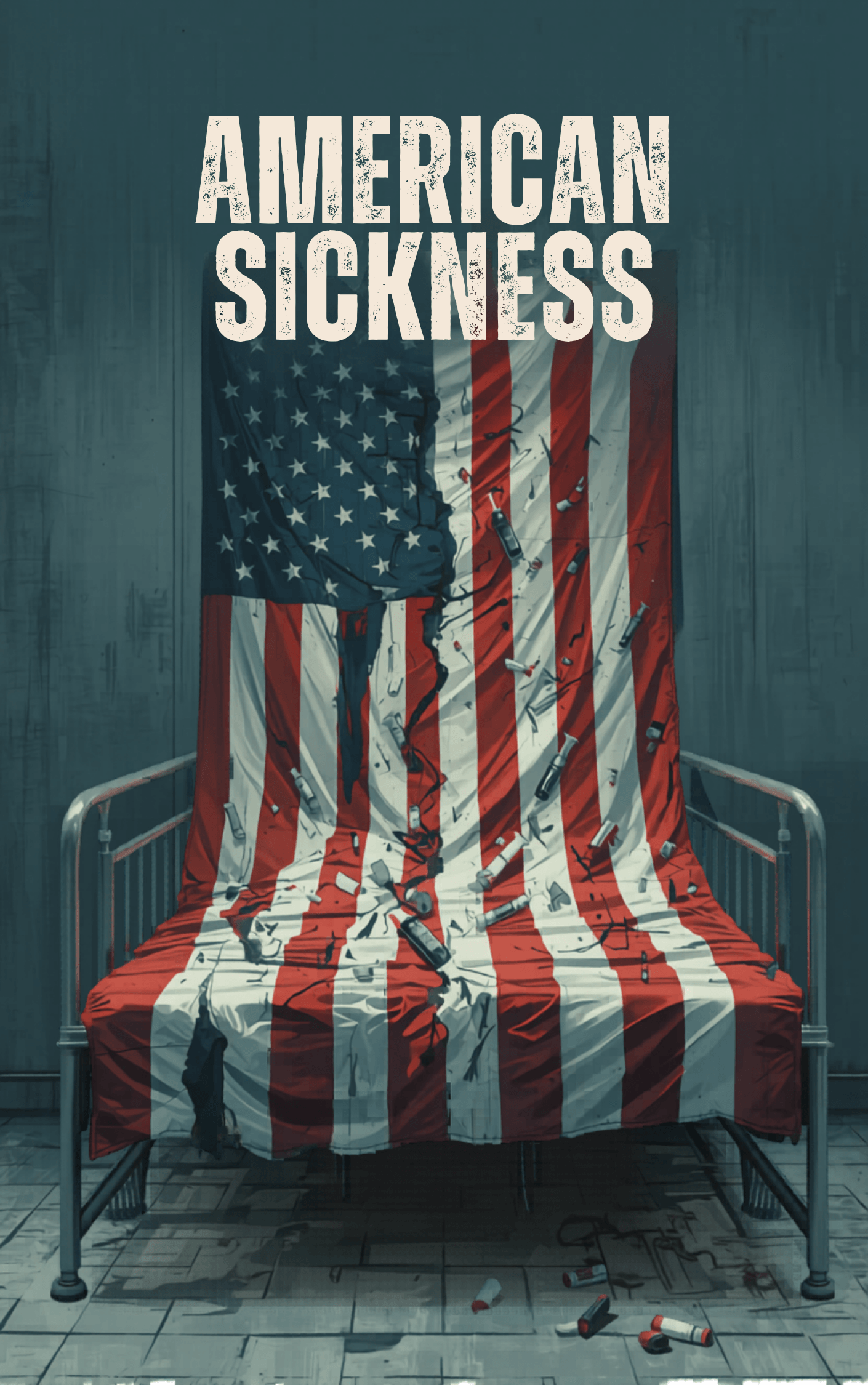
An American Sickness Book Summary
This An American Sickness Book Summary covers the key ideas, lessons, and takeaways in about 20 minutes.
Helps with these goals
Want the complete 20-minute summary?
- Full structured summary
- Video Summary
- Podcast Summary
- Audio summary
- Key takeaways
- Exercises
- Quiz
- Highlights and notes
- Ask the book with AI
Not ready to upgrade?
Get this summary + 2 more picks sent to your inbox, free.
What is in the An American Sickness book summary?
Below is a preview of Sumizeit’s expert-written summary of An American Sickness by Dr. Elisabeth Rosenthal. The full summary covers the book’s key ideas in text, audio, and video.
An American Sickness is a sweeping investigation into how the United States ended up with a healthcare system that consumes roughly eighteen percent of the country's gross domestic product — nearly three trillion dollars a year — while delivering health outcomes that consistently lag behind those of other developed nations spending roughly half as much per person. Written by Dr. Elisabeth Rosenthal, a Harvard-trained physician who left clinical medicine to become a journalist and editor, the book combines the diagnostic instincts of a doctor with the reporting discipline of a New York Times investigative writer. The result is a detailed anatomical study of an industry that has lost its way.
Rosenthal's central argument is that the American healthcare system is no longer a market in any conventional sense. The ordinary economic forces that discipline pricing in other sectors — competition, transparency, consumer choice, supply and demand — have been progressively neutralized by a complex of regulatory carve-outs, consolidations, and incentive structures that reward extraction rather than care. The patient, who in any sane arrangement would be the customer, has been reduced to a passive object across whose body bills are issued, often invisibly, between providers and insurers whose negotiations are governed by confidentiality agreements the patient cannot see. Every actor in the system has rationally maximized within the rules they were given. The cumulative result is a structure that no one designed, that no one defends in full, and that almost no one knows how to dismantle.
The book is organized in two halves. The first traces the history of each major segment of the industry — insurance, hospitals, physicians, pharmaceuticals, medical devices, testing, contractors, nonprofit research bodies, conglomerates, and the Affordable Care Act — and demonstrates how each one drifted from its original purpose into its current condition. The second half offers practical advice to patients on how to defend themselves within the existing system, along with policy proposals that could change the structure itself.
The Ten Distorted Rules
Rosenthal opens by laying out what she calls the ten rules of the distorted American healthcare market. These rules describe how the system actually behaves rather than how it claims to behave. More treatment is always preferred to less. Chronic management is more profitable than cure. Amenities and marketing take precedence over actual care. Older technologies tend to get more expensive rather than cheaper. Patients have very little real choice of provider. Adding competitors does not, contrary to ordinary expectation, lower prices and can in fact raise them. Large providers exploit local monopoly rather than passing on the savings from scale. There are no fixed prices. Billing departments will charge for anything they can plausibly bill for. And vendors will always set their prices at whatever ceiling the market is currently willing to bear. Taken together, these rules describe a market that has inverted the basic disciplines of any normal commercial relationship.
How Insurance Lost Its Way
The book's historical narrative begins with the unlikely origin of American health insurance.…
Want the complete 20-minute summary?
- Full structured summary
- Video Summary
- Podcast Summary
- Audio summary
- Key takeaways
- Exercises
- Quiz
- Highlights and notes
- Ask the book with AI
Who should read An American Sickness?
An American Sickness is essential for anyone navigating the U.S. healthcare system—patients facing unexpected medical bills, employers trying to understand insurance costs, and citizens concerned about healthcare policy. It's particularly valuable for people managing chronic conditions, those considering major procedures, and anyone puzzled by the gap between what healthcare costs in America versus other developed nations.
Why does An American Sickness matter?
The American healthcare system consumes nearly three trillion dollars annually while delivering worse health outcomes than peer nations spending half as much. Dr. Elisabeth Rosenthal's investigation reveals that this crisis isn't an accident but the result of decades of regulatory choices that have systematically prioritized profit extraction over patient care. Understanding these dynamics is critical for anyone seeking to protect themselves financially or advocate for systemic reform.
What are the key themes in An American Sickness?
- How regulatory and tax policy decisions locked the U.S. into a broken healthcare model
- The misalignment of financial incentives that reward more treatment, not better outcomes
- Consolidation and monopoly power across all healthcare sectors
- The industrialization of billing and its role in inflating costs
- Pricing opacity as a structural feature, not a bug
- The erosion of professional ethics and mission-driven organizations
Want the complete 20-minute summary?
- Full structured summary
- Video Summary
- Podcast Summary
- Audio summary
- Key takeaways
- Exercises
- Quiz
- Highlights and notes
- Ask the book with AI
How can you apply ideas from An American Sickness?
- Ask for itemized bills after any hospital visit and check them against your own records; negotiate disputed charges in writing rather than by phone
- Request cost estimates and ask how proposed tests or procedures will change your treatment plan before agreeing to them
- Compare pharmacy prices using tools like GoodRx and ask your doctor for cheaper generic alternatives or older medications
- Choose insurance plans by analyzing total costs (premiums, deductibles, co-pays, out-of-pocket maximums) rather than any single metric
- Request that in-network hospital providers submit all billing under in-network status to avoid surprise facility fees
- Direct lab tests and imaging to in-network facilities and ask whether the test can be done outside the hospital at lower cost
- Refuse unnecessary tests, private rooms without medical justification, and services from providers whose involvement is unclear
- Use cash-price options for routine prescriptions and consider splitting higher-dose pills to reduce per-dose costs
What common mistakes do readers make with An American Sickness?
- Assuming that more medical testing leads to better outcomes rather than recognizing that many tests find incidental findings that trigger unnecessary downstream care
- Passively accepting whatever healthcare providers recommend without asking about costs, alternatives, or whether the intervention will actually change treatment
- Choosing insurance plans based on low premiums while ignoring high deductibles and out-of-pocket maximums, which often result in higher total costs
- Paying insurance co-pays without checking cash prices, which are frequently cheaper for generic medications
Sumizeit Exercises Apply what you've learned
Turn ideas from An American Sickness into action with a short guided reflection: identify the biggest takeaway, connect it to your life, and commit to one step you can take in the next 24 hours.
What is the expert analysis of An American Sickness?
Overview
An American Sickness by Dr. Elisabeth Rosenthal is a landmark exposé of the U.S. healthcare system’s transformation into a sprawling, opaque, and profit-driven industry. Rosenthal, a Harvard-trained physician turned investigative journalist, brings a rare dual perspective that merges clinical insight with rigorous reporting. The book’s significance lies in its comprehensive dissection of how healthcare in America, despite consuming an outsized portion of GDP, consistently underperforms relative to other developed nations. Her work stands out as both a detailed diagnosis of systemic dysfunction and a call to action for patients and policymakers alike.
Core Thesis
Rosenthal’s central argument is that the American healthcare system no longer functions as a conventional market. Traditional economic forces—competition, transparency, consumer choice—have been systematically undermined by a complex web of regulatory exceptions, market consolidations, and misaligned incentives. This has created an ecosystem where every participant, from insurers to hospitals to pharmaceutical companies, rationally maximizes profits within a set of distorted rules that prioritize revenue extraction over patient care. The patient, paradoxically, is reduced to a passive entity subjected to inscrutable billing and fragmented care. The book contends that this outcome is not the result of a single villain but decades of legal, regulatory, and institutional choices that have entrenched inefficiency and inequity.
Strengths
- Interdisciplinary Expertise: Rosenthal’s unique combination of medical training and investigative journalism lends the book both clinical credibility and narrative clarity.
- Comprehensive Scope: The book meticulously traces the evolution of every major sector—insurance, hospitals, physicians, pharmaceuticals, devices—providing a panoramic view rarely matched in healthcare literature.
- Clear Articulation of Market Distortions: The “Ten Distorted Rules” framework elegantly encapsulates the systemic perversions of the healthcare market, making complex economic phenomena accessible.
- Practical Guidance: Beyond diagnosis, the book empowers readers with actionable advice on navigating the labyrinthine system, a rare feature in policy critiques.
- Balanced Analysis: While critical, Rosenthal acknowledges the partial successes of reforms like the ACA, lending nuance to her critique.
Critiques & Counterarguments
- Evidence and Nuance in Outcomes: While Rosenthal convincingly documents cost inefficiencies and opaque pricing, the book sometimes underplays the complexity of measuring healthcare quality and outcomes, which are influenced by social determinants and patient behaviors beyond system design.
- Oversimplification of Market Forces: The depiction of the healthcare market as wholly dysfunctional may overlook pockets where competition and innovation have yielded improvements, such as in certain specialty care or technology adoption.
- Comparative International Models: The book references other developed nations’ systems as superior, but does not fully engage with the trade-offs those countries face, including longer wait times and rationing, which complicates direct policy transplantation.
- Physician Agency and Variation: The portrayal of physicians’ financial incentives, while accurate in aggregate, risks homogenizing a diverse workforce with varying motivations and practices, some of which prioritize patient outcomes over billing optimization.
- Policy Feasibility and Political Economy: The proposed reforms, though well-grounded, face formidable political and institutional barriers that the book acknowledges but could explore more deeply, especially regarding entrenched lobbying power and cultural attitudes toward healthcare entitlement.
Who Should Read This
An American Sickness is essential reading for policymakers, healthcare professionals, economists, and informed citizens seeking a thorough understanding of the structural dysfunctions plaguing American healthcare. Its detailed historical context and systemic analysis make it invaluable for advocates of reform and students of health policy. Additionally, patients and consumers of healthcare services will find its practical advice empowering in navigating a bewildering system. Scholars interested in the intersection of healthcare economics, regulation, and ethics will also benefit from Rosenthal’s balanced yet incisive critique.
Frequently asked questions about the An American Sickness book summary
What is An American Sickness about?
An American Sickness by Dr. Elisabeth Rosenthal is an investigative examination of how the U.S. healthcare system became extraordinarily expensive while delivering worse outcomes than peer nations spending half as much. The book traces the history of insurance, hospitals, pharmaceuticals, devices, and billing to reveal how every participant rationally optimizes within rules that no longer reward the production of health, and offers practical advice for patients and structural policy reforms.
Who should read An American Sickness?
This book is essential for anyone navigating the U.S. healthcare system, including patients managing chronic conditions, people facing major procedures, employers trying to understand insurance costs, and citizens concerned about healthcare policy. It's particularly valuable for those puzzled by unexpectedly high medical bills or frustrated by the gap between American healthcare costs and outcomes.
What are the main takeaways from An American Sickness?
The main takeaways are that the American healthcare crisis resulted from decades of regulatory choices rather than market failure, that every participant—from insurers to hospitals to drug companies—rationally optimizes within a system that prioritizes extraction over care, and that solutions require both patients defending themselves through persistent engagement with billing and citizens demanding structural reforms like price transparency, antitrust enforcement, and Medicare negotiation rights.
How did the U.S. healthcare system become so expensive?
The system's cost explosion traces to specific regulatory decisions: the 1940s tax exemption for employer-provided insurance locked Americans into employment-based coverage, wartime wage freezes made health benefits the currency of competition, Medicare's unconstrained reimbursement in the 1960s created financial incentives for expansion, and consolidation allowed dominant providers to set prices without competitive constraint. Each decision was rational at the time but together created a system optimized for revenue extraction rather than health outcomes.
Why don't insurance companies negotiate lower healthcare prices?
Insurance companies have little incentive to negotiate lower prices because they retain a percentage of premiums regardless of how much is spent on actual care. The Affordable Care Act's 80-percent medical loss ratio floor inadvertently created a perverse incentive: rising total healthcare spending directly increases insurers' absolute profits. Additionally, powerful provider systems can refuse to contract with insurers that push too hard on pricing.
What practical steps can patients take to reduce healthcare costs?
Patients should ask for cost estimates before agreeing to procedures, request itemized bills and check them for errors, compare pharmacy prices using tools like GoodRx, direct testing to in-network facilities, refuse unnecessary tests, and choose insurance plans by analyzing total costs rather than premiums alone. Rosenthal provides specific tactics for hospital stays, medication management, and claims disputes.
What policy changes does Rosenthal recommend?
Rosenthal advocates for mandatory public price disclosure, bundled and reference pricing, aggressive antitrust enforcement against hospital consolidation, removal of tax exemptions from hospitals not providing adequate charity care, expanded prescribing authority for pharmacists, FDA requirements that new drugs prove effectiveness against existing therapies, ending the prohibition on Medicare drug negotiation, and a national health information exchange allowing medical records to follow patients across providers.
How does American healthcare pricing compare to other developed nations?
The U.S. spends nearly three trillion dollars annually—roughly 18 percent of GDP—while delivering health outcomes that lag behind peer nations spending roughly half as much per capita. Other developed nations like Germany, Japan, Canada, and Singapore combine private and public elements with transparent pricing, negotiated fees, and bundled payments to achieve better outcomes at lower cost.
About Sumizeit
Sumizeit is a profitable Scomy LLC company based in Miami, Florida. It has been helping readers learn from nonfiction books for 7 years with expert-written summaries in text, audio, podcast, and video.
Want the complete 20-minute summary?
- Full structured summary
- Video Summary
- Podcast Summary
- Audio summary
- Key takeaways
- Exercises
- Quiz
- Highlights and notes
- Ask the book with AI
Here's why readers love Sumizeit
Join thousands of learners getting smarter every day
"Great experience. Detailed summaries. Loved the gamification feature. Makes learning fun. Good customer service. I recommend Sumizeit to anyone. You'll learn a lot."
"I always felt busy but still wanting to keep up with the book discussion in my friend group. This was a great supplement to help me keep reading the books I find fun while keeping up with important books."
"I love this website. Instead of scrolling social media, I find myself learning a lot. I use it everyday. I recommend this app for anyone who is too busy and wants to get up to speed with their favorite books."
An American Sickness Book Summary PDF
Looking for a An American Sickness Book Summary PDF you can save and revisit offline? Our An American Sickness Book Summary PDF captures the book’s core ideas in a clean, printable format — the key frameworks, takeaways, and structure without the fluff. Download the An American Sickness Book Summary PDF when you want a reference you can annotate, share with your team, or review on the go. Get your An American Sickness Book Summary PDF from the download page below.
Download An American Sickness Book Summary PDFPeople also liked these summaries
Readers who explored An American Sickness often enjoyed these titles next.




Want the complete 20-minute summary?
- Full structured summary
- Video Summary
- Podcast Summary
- Audio summary
- Key takeaways
- Exercises
- Quiz
- Highlights and notes
- Ask the book with AI
Featured Book Titles
Popular Book Summaries at sumizeit, leading book summary app