


As an Amazon Associate, Sumizeit earns from qualifying purchases.
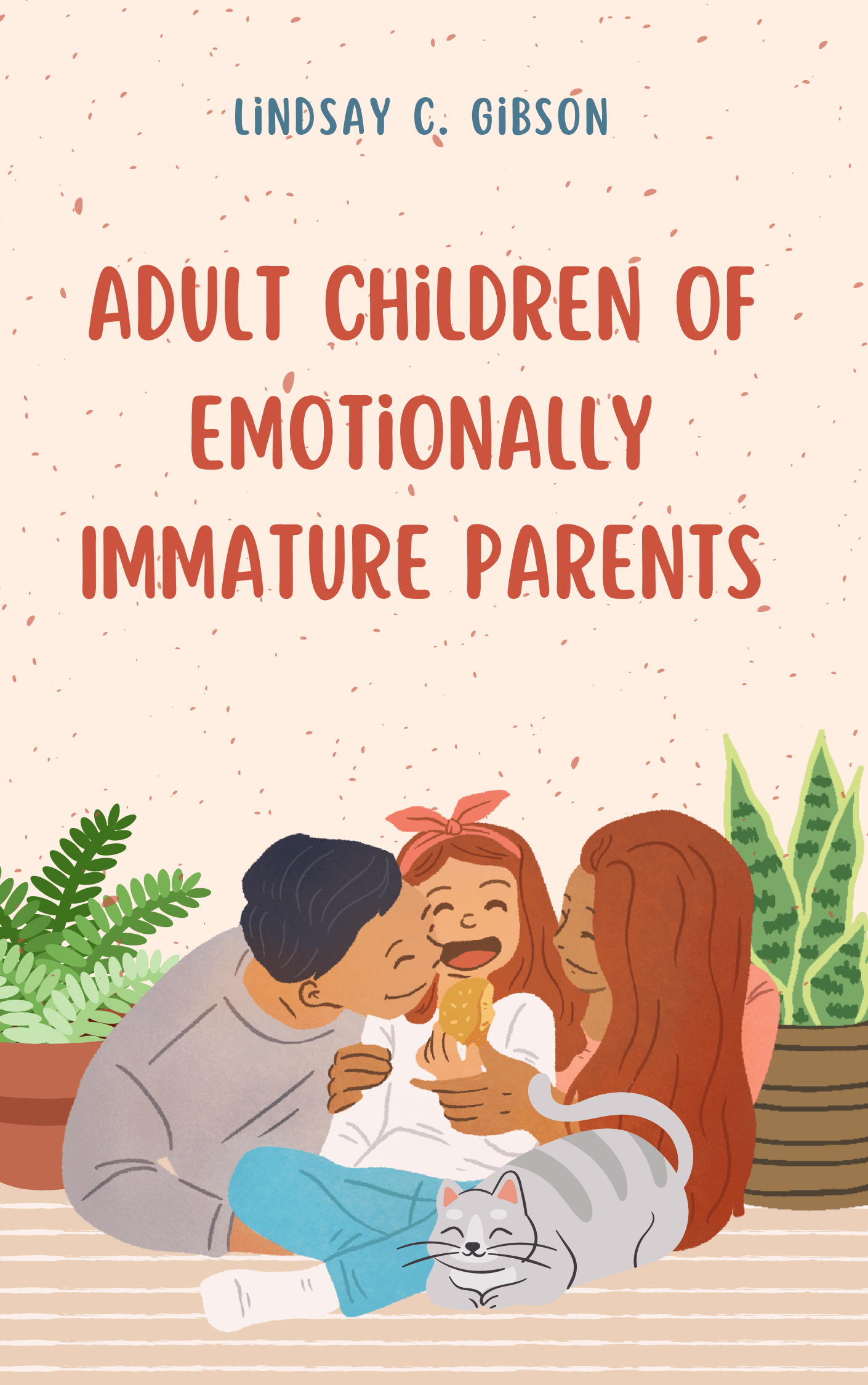
Adult Children of Emotionally Immature Parents Book Summary
This Adult Children of Emotionally Immature Parents Book Summary covers the key ideas, lessons, and takeaways in about 20 minutes.
“Adult Children of Emotionally Immature Parents is written with the wisdom and heart of a seasoned therapist and the mind of a scholar who’s spent decades poring over psychological research and theory. In this book, Lindsay C. Gibson seamlessly blends this impressive body of knowledge with the real-life experiences of her clients to create a user-friendly and highly readable book. … This book is not about blame but rather about understanding oneself on a deep level and learning to heal.”
—Esther Lerman Freeman, PsyD, clinical associate professor at the Oregon Health and Science University School of Medicine
Want the complete 20-minute summary?
- Full structured summary
- Video Summary
- Podcast Summary
- Audio summary
- Key takeaways
- Exercises
- Quiz
- Highlights and notes
- Ask the book with AI
What is in the Adult Children of Emotionally Immature Parents book summary?
Below is a preview of Sumizeit’s expert-written summary of Adult Children of Emotionally Immature Parents by Lindsay C. Gibson. The full summary covers the book’s key ideas in text, audio, and video.
"Adult Children of Emotionally Immature Parents: How to Heal from Distant, Rejecting, or Self-Involved Parents" by Lindsay C. Gibson is a self-help book that addresses the impact of emotionally immature parents on their adult children. The book offers a comprehensive framework for understanding the dynamics of emotionally immature parents and their effects on the development of their children, and provides practical strategies for healing from the resulting emotional wounds.
The author defines emotionally immature parents as those who are unable to respond empathetically to their children's emotional needs, and who prioritize their own needs and desires over their children's. These parents may be physically present, but emotionally absent, and they may use various tactics to maintain control and power over their children, such as blaming, shaming, or manipulating them.
The book is divided into three parts, with each part focusing on a different aspect of healing from the impact of emotionally immature parents.
Part One, "Understanding Emotionally Immature Parents," provides a detailed description of emotionally immature parents, including their characteristics, behaviors, and impact on their children. The author discusses different types of emotionally immature parents, such as the narcissistic parent, the controlling parent, and the rejecting parent, and explains how each type affects the child's development.
Part Two, "The Impact of Emotionally Immature Parents," delves into the long-term effects of growing up with emotionally immature parents. The author explores how these parents can lead their children to develop various coping mechanisms, such as anxiety, depression, and codependency, and how these coping mechanisms can be detrimental to the child's adult life.
Part Three, "Healing from Emotionally Immature Parents," offers practical strategies for healing from the impact of emotionally immature parents. The author emphasizes the importance of self-awareness, self-care, and boundary-setting in the healing process, and provides a step-by-step guide for setting healthy boundaries with emotionally immature parents.
Throughout the book, the author uses case studies and real-life examples to illustrate the impact of emotionally immature parents and the strategies for healing from their effects. The author also provides exercises and reflection questions to help readers apply the concepts to their own lives and relationships.
Part 1 - Recognizing the Emotionally Immature Parent
This part contains three ideas that focus on understanding the characteristics and behaviors of emotionally immature parents and how they can affect their adult children.
Idea 1: Understanding Emotionally Immature Parents
Gibson introduces the concept of emotional immaturity and how it differs from physical or intellectual immaturity. She explains that emotionally immature parents lack empathy, self-awareness, and emotional regulation, which makes it difficult for them to connect with and support their children. Gibson provides examples of emotionally immature behavior, such as neglect, control, and emotional unavailability, and explains how they can manifest in different parenting styles.
Idea 2: The Impact of Emotionally Immature Parents
This subsection focuses on how the behavior of emotionally immature parents can affect their adult children. Gibson explains that adult children of emotionally immature parents may struggle with emotional regulation, self-esteem, and relationships due to…
Want the complete 20-minute summary?
- Full structured summary
- Video Summary
- Podcast Summary
- Audio summary
- Key takeaways
- Exercises
- Quiz
- Highlights and notes
- Ask the book with AI
Who should read Adult Children of Emotionally Immature Parents?
This book is for adult children who grew up with emotionally unavailable, self-centered, or rejecting parents and want to understand how their childhood shaped them. If you struggle with anxiety, people-pleasing, low self-esteem, or difficulty maintaining healthy relationships, this book offers both validation and a roadmap for healing.
Why does Adult Children of Emotionally Immature Parents matter?
Emotional neglect in childhood often goes unrecognized because it leaves no visible scars, yet its effects persist into adulthood through unhealthy patterns and unfulfilled emotional needs. Lindsay C. Gibson's framework helps millions of adults make sense of their past and break cycles of self-abandonment that sabotage their present relationships and well-being.
What are the key themes in Adult Children of Emotionally Immature Parents?
- Recognizing emotional immaturity in parents and its hidden impact
- How unmet childhood needs manifest as adult coping mechanisms
- Breaking patterns of self-abandonment and people-pleasing
- Developing emotional awareness and healthy boundaries
- Healing through self-compassion and building an inner parent
What are the key lessons from the Adult Children of Emotionally Immature Parents book summary?
Emotional immaturity differs from other forms of immaturity
Parents can be intellectually or physically capable while remaining emotionally unavailable, lacking empathy and self-awareness in ways that fundamentally damage their children's emotional development.
Emotional neglect stunts development as much as active abuse
When parents fail to validate, support, or truly see their children's emotional needs, the resulting developmental gaps create lasting wounds that adult children often don't recognize as trauma.
Misattunement creates disconnection and invalidation
Emotionally immature parents dismiss or ignore their children's feelings, creating a pervasive sense that emotions are wrong, unimportant, or unwelcome.
Emotional invisibility leads to shame and self-doubt
When children don't feel truly seen or understood by their parents, they internalize the belief that something is fundamentally wrong with them, spawning cycles of shame.
Parentification reverses the parent-child relationship
Children who become emotional caretakers for their parents develop guilt, anxiety, and difficulty prioritizing their own needs—patterns they carry into adulthood.
Covert emotional incest blurs healthy boundaries
When parents rely on children to meet their emotional needs instead of providing support, it confuses children's sense of self and creates inappropriate dependency dynamics.
Coping mechanisms that helped in childhood become liabilities
Survival strategies like people-pleasing, emotional detachment, or perfectionism protected children but undermine adult relationships and well-being.
Recognizing patterns is the first step toward change
By identifying how childhood experiences echo in present behavior—fear of abandonment, over-criticism, controlling tendencies—adults can begin deliberately rewiring their responses.
Self-abandonment is the internalized echo of parental neglect
Adult children often perpetuate their parents' emotional neglect by abandoning themselves through boundary violations, self-sacrifice, and tolerating unacceptable treatment.
Emotions require acceptance, not control or suppression
Many adult children struggle with emotions because they learned to fear or deny them; healing involves learning to observe and accept feelings without judgment.
An inner parent can provide the nurturing that was missing
By developing a compassionate internal voice that validates and supports the self, adults can finally meet the emotional needs their parents could not.
Boundaries are acts of self-respect, not selfishness
Adult children raised by emotionally immature parents often feel guilty setting limits; understanding boundaries as essential self-care allows healthier relationships.
Healing is possible and doesn't require parental change
Adults can transform their lives without waiting for parents to acknowledge harm or take responsibility; recovery happens through personal awareness and intentional action.
Understanding parents without excusing their impact
Recognizing that parents may have lacked emotional resources doesn't mean their behavior was acceptable; compassion and accountability can coexist.
Self-compassion replaces self-blame in the healing journey
Breaking free from patterns requires treating oneself with the kindness and patience that childhood didn't provide, rather than harsh self-criticism.
Healing from emotional wounds is an ongoing, not linear, process
Progress isn't always visible or consistent; sustained commitment to awareness, boundary-setting, and self-care gradually transforms how people relate to themselves and others.
Creating a new family legacy breaks intergenerational cycles
By healing themselves, adults can ensure their children experience emotional attunement, validation, and security—stopping the transmission of emotionally immature patterns.
Therapy and support communities accelerate healing
Professional guidance and connection with others who share similar experiences provide validation, tools, and accountability that solo healing cannot always achieve.
Want the complete 20-minute summary?
- Full structured summary
- Video Summary
- Podcast Summary
- Audio summary
- Key takeaways
- Exercises
- Quiz
- Highlights and notes
- Ask the book with AI
How can you apply ideas from Adult Children of Emotionally Immature Parents?
- Identify specific ways your parents were emotionally unavailable and track how these patterns show up in your adult relationships and self-care habits
- Practice setting one small boundary per week—such as not immediately responding to a parent's demands or saying no to overtime—and observe your discomfort without judgment
- Develop a daily self-compassion practice by writing down what your inner critic says, then rewriting it as your inner parent would comfort you
- Create a feelings inventory to track your emotions for two weeks, noting when you suppress, ignore, or deny them, then practice naming and accepting those feelings
- Design a personal self-care ritual that directly addresses an unmet childhood need—such as rest, validation, or joy—and protect it from interruption
- Journal about one recurring conflict pattern in your relationships and trace it back to your childhood, then identify one new response you could try
- Seek out a therapist or support group specifically for adult children of emotionally immature parents to gain professional validation and community
What common mistakes do readers make with Adult Children of Emotionally Immature Parents?
- Assuming you must forgive or reconcile with emotionally immature parents before you can heal—healing is about your recovery, not family reunification
- Using understanding of your parents' limitations as an excuse to tolerate ongoing emotional harm or maintain unhealthy relationship dynamics
- Expecting healing to happen quickly or linearly, then judging yourself when old patterns resurface during stress or triggers
- Trying to heal alone without professional support or community, underestimating how deeply ingrained emotional patterns run
- Confusing self-care with selfishness and continuing to prioritize others' needs over your own emotional and physical well-being
Sumizeit Exercises Apply what you've learned
Turn ideas from Adult Children of Emotionally Immature Parents into action with a short guided reflection: identify the biggest takeaway, connect it to your life, and commit to one step you can take in the next 24 hours.
What is the expert analysis of Adult Children of Emotionally Immature Parents?
Overview
Adult Children of Emotionally Immature Parents by Lindsay C. Gibson stands as a significant contribution to contemporary self-help literature, particularly in the domains of psychology and family dynamics. Dr. Gibson, a seasoned clinical psychologist with over three decades of experience, brings a clinical yet accessible voice to the complex and often underexplored subject of emotional immaturity in parenting. The book’s significance lies in its nuanced exploration of how emotionally immature parents shape the psychological development of their children and the long-term consequences that manifest in adulthood. By combining clinical insight with practical strategies, Gibson offers a roadmap for healing that resonates with both professionals and lay readers seeking to understand and overcome the legacy of emotional neglect.
Core Thesis
At the heart of Gibson’s work is the thesis that emotionally immature parents—characterized by a lack of empathy, emotional regulation, and self-awareness—fail to meet their children’s fundamental emotional needs. This failure results in profound developmental deficits that manifest as anxiety, depression, low self-esteem, and maladaptive coping mechanisms in adulthood. The book argues that understanding these dynamics is essential for adult children to begin the healing process. Gibson posits that through self-awareness, boundary-setting, and cultivating an internal nurturing voice, individuals can break free from the patterns imposed by emotionally immature parenting and create healthier relational legacies.
Strengths
- Clinical Expertise and Accessibility: Gibson’s professional background lends credibility and depth, while her writing remains accessible to a broad audience, striking a balance between psychological theory and practical application.
- Comprehensive Framework: The tripartite structure—understanding emotionally immature parents, exploring their impact, and outlining healing strategies—provides a clear and logical progression that facilitates reader engagement and comprehension.
- Rich Use of Case Studies: Real-life examples and reflective exercises enrich the text, allowing readers to see their experiences mirrored and to actively engage with the material.
- Focus on Healing and Empowerment: Unlike some works that dwell primarily on pathology, Gibson emphasizes agency, offering concrete tools such as boundary-setting and emotional regulation techniques that empower readers to reclaim their emotional lives.
- Recognition of Complexity: The book avoids simplistic blame, acknowledging that emotionally immature parents often lack the resources or skills to parent differently, which adds a compassionate dimension to the discourse.
Critiques & Counterarguments
- Potential Oversimplification of Parental Immaturity: While categorizing emotionally immature parents into types (narcissistic, controlling, rejecting) aids understanding, it risks reducing complex personalities into archetypes that may not capture the full spectrum of parental behaviors or cultural variations.
- Limited Engagement with Sociocultural Contexts: The book primarily focuses on individual and familial dynamics without deeply addressing how socioeconomic factors, cultural norms, or systemic issues intersect with emotional immaturity in parenting, which could enrich the analysis.
- Evidence Base and Generalizability: Although grounded in clinical experience, the reliance on anecdotal case studies and clinical observation may limit empirical generalizability. Some critics might argue for more integration of longitudinal or quantitative research to substantiate claims.
- Competing Psychological Perspectives: Schools of thought such as attachment theory or trauma-informed care offer alternative frameworks that might emphasize different mechanisms or interventions. For example, attachment theory highlights early relational patterns that may not always align neatly with the concept of emotional immaturity as defined here.
- Challenges in Healing Process: The book’s optimistic portrayal of healing might understate the complexity and potential setbacks inherent in therapeutic journeys, especially for individuals with deeply entrenched trauma or limited access to mental health resources.
Who Should Read This
This book is ideally suited for adult readers who suspect or know they have been raised by emotionally immature parents and are seeking to understand the psychological legacy of their upbringing. It is particularly valuable for those engaged in or considering therapy, as it provides a vocabulary and framework to articulate their experiences and challenges. Mental health professionals, including therapists and counselors, will find Gibson’s insights and practical tools useful for guiding clients through similar issues. Additionally, readers interested in the intersections of psychology, family systems, and self-improvement will appreciate the book’s compassionate yet rigorous approach to healing emotional wounds and fostering resilience.
Frequently asked questions about the Adult Children of Emotionally Immature Parents book summary
What is Adult Children of Emotionally Immature Parents about?
Adult Children of Emotionally Immature Parents by Lindsay C. Gibson is a self-help guide that explores how growing up with emotionally unavailable, self-centered, or rejecting parents affects adult development and relationships. The book identifies patterns of emotional neglect, explains their lasting impact, and provides practical strategies for healing through boundary-setting, emotional awareness, and developing a nurturing inner parent.
Who should read Adult Children of Emotionally Immature Parents?
This book is essential for anyone who grew up feeling emotionally unsupported or invisible to their parents and now struggles with anxiety, low self-esteem, people-pleasing, or unhealthy relationships. It's also valuable for adults who feel stuck in patterns of self-abandonment or emotional disconnection and want to understand the roots of their struggles and take concrete steps toward healing.
What are the main takeaways from Adult Children of Emotionally Immature Parents?
The key takeaways include recognizing how emotional immaturity in parents causes lasting developmental gaps, understanding how survival mechanisms from childhood become liabilities in adulthood, and learning that healing requires self-awareness, boundary-setting, and cultivating self-compassion. Gibson emphasizes that recovery is possible without parental acknowledgment and that developing a healthy inner parent is crucial to breaking cycles of emotional neglect.
How does emotional neglect differ from other forms of abuse or trauma?
Emotional neglect involves the absence of emotional attunement, validation, and responsiveness rather than active harm. Unlike abuse that leaves visible marks or clear incidents, emotional neglect is often invisible and goes unrecognized, making it harder for adult children to validate their pain or understand why they struggle with unmet emotional needs.
Can you have a healthy relationship with an emotionally immature parent?
Yes, but it requires clear boundaries and realistic expectations. Gibson emphasizes that healing doesn't depend on changing your parents or achieving reconciliation; instead, it involves protecting your own emotional well-being by limiting contact if necessary, stopping self-abandonment, and accepting that your parents may never provide the emotional support you needed.
What is parentification and why is it harmful?
Parentification occurs when a child takes on the emotional caretaking role for their parent instead of receiving the nurturing they need. This dynamic is harmful because it forces children to suppress their own needs, creates guilt and anxiety, and teaches them that their value comes from serving others—patterns that damage their adult relationships and self-worth.
How long does healing from emotionally immature parenting typically take?
Gibson describes healing as an ongoing, non-linear process rather than a destination. Progress varies based on the depth of childhood wounds, willingness to change patterns, and availability of support. Most people notice meaningful shifts within months of consistent practice, but full integration of new patterns often takes years of sustained effort and self-compassion.
About Sumizeit
Sumizeit is a profitable Scomy LLC company based in Miami, Florida. It has been helping readers learn from nonfiction books for 7 years with expert-written summaries in text, audio, podcast, and video.
Want the complete 20-minute summary?
- Full structured summary
- Video Summary
- Podcast Summary
- Audio summary
- Key takeaways
- Exercises
- Quiz
- Highlights and notes
- Ask the book with AI
Here's why readers love Sumizeit
Join thousands of learners getting smarter every day
"Great experience. Detailed summaries. Loved the gamification feature. Makes learning fun. Good customer service. I recommend Sumizeit to anyone. You'll learn a lot."
"I always felt busy but still wanting to keep up with the book discussion in my friend group. This was a great supplement to help me keep reading the books I find fun while keeping up with important books."
"I love this website. Instead of scrolling social media, I find myself learning a lot. I use it everyday. I recommend this app for anyone who is too busy and wants to get up to speed with their favorite books."
Adult Children of Emotionally Immature Parents Book Summary PDF
Looking for a Adult Children of Emotionally Immature Parents Book Summary PDF you can save and revisit offline? Our Adult Children of Emotionally Immature Parents Book Summary PDF captures the book’s core ideas in a clean, printable format — the key frameworks, takeaways, and structure without the fluff. Download the Adult Children of Emotionally Immature Parents Book Summary PDF when you want a reference you can annotate, share with your team, or review on the go. Get your Adult Children of Emotionally Immature Parents Book Summary PDF from the download page below.
Download Adult Children of Emotionally Immature Parents Book Summary PDFPeople also liked these summaries
Readers who explored Adult Children of Emotionally Immature Parents often enjoyed these titles next.


Want the complete 20-minute summary?
- Full structured summary
- Video Summary
- Podcast Summary
- Audio summary
- Key takeaways
- Exercises
- Quiz
- Highlights and notes
- Ask the book with AI
Featured Book Titles
Popular Book Summaries at sumizeit, leading book summary app
