


As an Amazon Associate, Sumizeit earns from qualifying purchases.
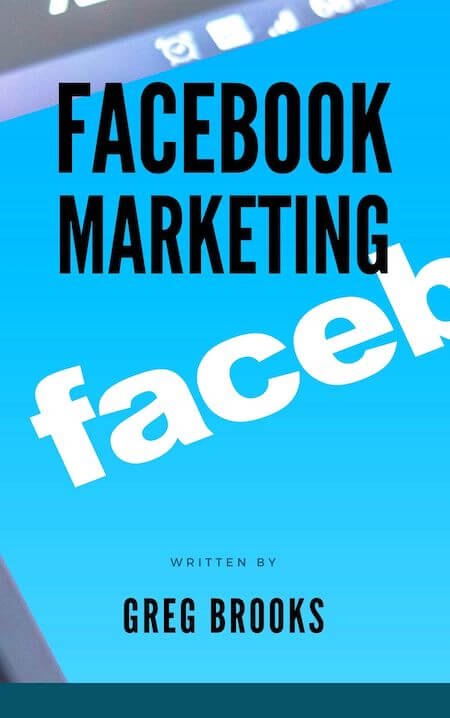
Facebook Marketing Book Summary
This Facebook Marketing Book Summary covers the key ideas, lessons, and takeaways in about 20 minutes.
Helps with these goals
Want the complete 20-minute summary?
- Full structured summary
- Video Summary
- Podcast Summary
- Audio summary
- Key takeaways
- Exercises
- Quiz
- Highlights and notes
- Ask the book with AI
What is in the Facebook Marketing book summary?
Below is a preview of Sumizeit’s expert-written summary of Facebook Marketing by Greg Brooks. The full summary covers the book’s key ideas in text, audio, and video.
With over a billion active users, Facebook has become an essential platform for companies to advertise. If you want to win with Facebook, read on.
Facebook is a powerful marketing platform. It’s cheap and allows you to target customers with a high degree of specificity. Do you wan to target Dads between the age of 35 and 45? You can do so with Facebook. Moreover, it’s effective. Every year, Facebook makes billions of dollars on ads alone.
To start advertising on Facebook, first, create a campaign. Each campaign must have a goal. Do you want your IOS app to get more installs? Then your goal is App Installs. There are multiple ad sets per campaign. Each ad set focuses on different types of customers. Each ad set consists of one or more ads, which can have a text and image or a video or carousel.
To have an effective ad, you need to grab the user’s attention. Emotional and out of the ordinary images catch the person’s eyes when scrolling. For example, having the Incredible Hulk in an image with ad text grabs people’s attention. Make sure that your image is not fully covered with text because Facebook will reject it. To find an image, google images that you can reuse with modification. Use photo editors such as pixlr.com and spark.adobe.com to edit images.
When it comes to ad copy, the author suggests leading with a question. For example, if you offer debt management courses, you can lead with the question, Are you deep in debt? Furthermore, make the question emotional and evocative: Are you drowning in an ocean of debt with no way out?! Get the user to think about the problem with a twinge of remorse. Then provide a compelling solution or unique sales proposition: Try out a debt management course to free yourself from debt. Make sure users click now and not later: It’s a limited time offer. Moreover, always target one type of audience with each copy.
Starting a Facebook campaign will require some iteration. You might run the campaign for a week or so, but realize that it’s not working. How do you maximize success? You can do so through split testing. With split testing, you can compare two ads that are identical in all ways but one. Moreover, you can add tracking pixels or snippets of code to your website that Facebook provides to track users who visit your website and the actions they take. How many of them who saw Ad 1 compared to Ad 2 went on to purchase? Tracking pixels will give you that information.
Facebook allows you to target audiences in a fine grain way. Want to target restaurant owners based in the US? You can do so with Facebook Audience Targeting. Targeting the right audience is essential to your success especially because you need people to click on your ads and purchase. People who are not in your audience will not purchase and will just waste your money.
Want the complete 20-minute summary?
- Full structured summary
- Video Summary
- Podcast Summary
- Audio summary
- Key takeaways
- Exercises
- Quiz
- Highlights and notes
- Ask the book with AI
Who should read Facebook Marketing?
Facebook Marketing is ideal for entrepreneurs, small business owners, and marketing professionals who want to launch or optimize paid advertising campaigns on Facebook. Whether you're promoting an app, selling products, or building customer lists, this book provides a practical roadmap for anyone looking to master Facebook's advertising platform and achieve measurable results.
Why does Facebook Marketing matter?
With billions of active users and a level of targeting specificity unmatched by most platforms, Facebook remains one of the most cost-effective advertising channels available. In today's competitive digital landscape, understanding how to craft compelling ads, target the right audiences, and optimize campaigns through testing is essential for businesses that want to grow without breaking their budget.
What are the key themes in Facebook Marketing?
- Precise audience targeting and segmentation
- Creative ad design and emotional storytelling
- Data-driven optimization through split testing
- Conversion tracking and measurement
- Campaign structure and goal-setting
- Copywriting techniques that drive clicks
What are the key lessons from the Facebook Marketing book summary?
Define Clear Campaign Goals
Every Facebook campaign must start with a specific, measurable objective—whether that's app installs, sales, or lead generation. Without a defined goal, you'll struggle to evaluate success and optimize effectively.
Use Emotional and Distinctive Visuals
Ads with unexpected, emotionally resonant imagery stand out in crowded feeds and grab attention quickly. Avoid text-heavy images, which Facebook often rejects, and use tools like Pixlr or Adobe Spark to create professional, eye-catching visuals.
Lead Ad Copy with a Question
Starting your ad text with a compelling question immediately engages users and makes them think about your solution. Make the question emotional and relevant to your offer to maximize impact.
Create Layered Campaign Structures
Organize campaigns with multiple ad sets targeting different audience segments, each containing one or more variations of your ad creative. This structure lets you test and optimize each segment independently.
Implement Split Testing for Continuous Improvement
Compare identical ads that differ in only one element (image, copy, headline, etc.) to identify what resonates with your audience. This iterative approach reveals which variations drive the highest conversion rates.
Leverage Tracking Pixels for Attribution
Place Facebook tracking pixels on your website to monitor user behavior after they click an ad, including purchases and actions taken. This data is critical for understanding which ads actually drive results.
Master Audience Targeting Precision
Facebook's targeting allows you to narrow your reach to very specific demographics, interests, and behaviors, reducing wasted spend on unqualified prospects. The more precise your targeting, the higher your conversion potential.
Build Custom and Lookalike Audiences
Create custom audiences from people who have already visited your site, and use lookalike audiences to find new prospects who resemble your best customers. These audiences improve in quality as more data accumulates.
Focus Ad Copy on One Audience Per Ad
Tailor your message to a single audience segment rather than trying to appeal to multiple groups in one ad. This focus ensures your copy resonates more strongly with the people most likely to convert.
Balance Urgency with Compelling Solutions
After highlighting the customer's problem, present your unique value proposition followed by time-limited language to encourage immediate action rather than procrastination.
Expect Campaign Iteration Before Success
Initial campaigns rarely perform perfectly, so plan for adjustments based on performance data. Running a campaign for a week or more before making changes helps you gather enough data to make informed decisions.
Use Cost-Effective Targeting Over Broad Reach
Facebook's low-cost advertising model becomes even more efficient when you eliminate wasted spending on wrong audiences. Micro-targeted campaigns cost less and convert more than broad-reach approaches.
Test One Variable at a Time
Effective split testing changes only one element between ads, keeping everything else identical. This isolation ensures you know exactly which variable drove performance differences.
Recognize Ad Fatigue and Refresh Creative
Users scrolling Facebook will eventually stop noticing the same ad, so plan to refresh your creative regularly to maintain engagement and conversion rates.
Align Ad Creative with Campaign Goals
Your visual style, copy tone, and call-to-action should all support your specific campaign objective, whether driving installs, sales, or awareness.
Monitor Budget Allocation Across Ad Sets
Distribute your ad spend strategically across ad sets, allowing better-performing segments to receive more budget while pausing or reducing underperformers.
Use Video and Carousel Formats for Higher Engagement
Beyond static images, Facebook's video and carousel ad formats often capture more attention and provide richer storytelling opportunities than traditional single-image ads.
Document and Learn from Campaign Data
Keep detailed records of all your tests, results, and insights to build institutional knowledge about what works for your audience and industry.
Want the complete 20-minute summary?
- Full structured summary
- Video Summary
- Podcast Summary
- Audio summary
- Key takeaways
- Exercises
- Quiz
- Highlights and notes
- Ask the book with AI
How can you apply ideas from Facebook Marketing?
- Set up a split test comparing two versions of your ad creative that differ only in the main image to identify which visual style your audience responds to
- Create a custom audience of website visitors and retarget them with ads featuring your best-selling products or services
- Write ad copy following the question-problem-solution framework to increase emotional engagement and click-through rates
- Install Facebook tracking pixels on key pages to measure which ads drive actual purchases versus just clicks
- Build a lookalike audience based on your best customers and test ads to this audience to find new high-value prospects
- Segment your audience targeting by demographic, interest, or behavior and create separate ad sets for each to allow independent optimization
- Run a one-week test campaign, collect data, and then pause underperforming ad sets while scaling up winners
What common mistakes do readers make with Facebook Marketing?
- Failing to define a specific campaign goal upfront, making it impossible to measure success or optimize effectively
- Using text-heavy or visually generic images that fail to capture attention in busy feeds and often violate Facebook's text-overlay rules
- Writing generic ad copy that tries to appeal to everyone instead of crafting targeted messages for specific audience segments
- Neglecting to set up tracking pixels or conversion tracking, leaving you unable to attribute sales and actions back to specific ads
Sumizeit Exercises Apply what you've learned
Turn ideas from Facebook Marketing into action with a short guided reflection: identify the biggest takeaway, connect it to your life, and commit to one step you can take in the next 24 hours.
What is the expert analysis of Facebook Marketing?
Overview
Facebook Marketing by Greg Brooks emerges as a practical guide aimed at demystifying the complexities of advertising on one of the world’s largest social media platforms. Brooks, an entrepreneur and marketing director with hands-on experience managing substantial advertising budgets, leverages his background to offer a step-by-step manual for businesses eager to harness Facebook’s vast user base. The book’s significance lies in its timely focus on digital marketing strategies tailored for Facebook’s unique ecosystem, making it a relevant resource for marketers navigating the evolving landscape of social media advertising.
Core Thesis
At its core, the book posits that Facebook represents a veritable “gold mine” for advertisers due to its unparalleled user reach and sophisticated targeting capabilities. Brooks argues that success on the platform hinges on a methodical approach: defining clear campaign goals, crafting emotionally resonant ad creatives, leveraging Facebook’s granular audience targeting tools, and employing iterative split testing to optimize ad performance. The thesis underscores that with disciplined execution—combining compelling visuals, strategic messaging, and data-driven refinement—advertisers can achieve guaranteed results in customer acquisition and conversion.
Strengths
- Practical Framework: Brooks provides a clear, actionable roadmap for setting up Facebook campaigns, breaking down complex processes into manageable steps that are accessible even to marketing novices.
- Emphasis on Targeting: The book highlights Facebook’s unique ability to micro-segment audiences, a critical advantage that many marketers underutilize, thereby elevating the importance of precision in audience selection.
- Iterative Testing Approach: The focus on split testing and pixel tracking demonstrates an understanding of performance marketing’s iterative nature, encouraging readers to adopt a data-driven mindset rather than relying on intuition alone.
- Creative Guidance: Advice on crafting emotionally evocative ad copy and eye-catching visuals reflects an appreciation for the psychological triggers that drive user engagement on social media platforms.
Critiques & Counterarguments
- Oversimplification of Success: The book’s promise of “guaranteed results” risks overstating the predictability of Facebook advertising outcomes, which are influenced by market saturation, ad fatigue, and algorithmic changes beyond an advertiser’s control.
- Limited Discussion of Algorithmic Dynamics: While the book addresses targeting and testing, it offers scant insight into Facebook’s evolving ad delivery algorithms, which critically impact ad visibility and cost-efficiency.
- Ethical and Privacy Considerations: The guide overlooks the growing concerns around data privacy, user consent, and regulatory scrutiny that increasingly shape Facebook’s advertising environment, potentially affecting targeting strategies.
- Competing Perspectives: Alternative marketing philosophies, such as content marketing or influencer partnerships, are absent, which might limit readers’ understanding of integrated digital marketing approaches beyond paid ads.
- Real-World Variability: Empirical research suggests that Facebook ad effectiveness varies widely across industries and demographics, challenging the notion of a one-size-fits-all formula presented in the book.
Who Should Read This
This book is ideally suited for small business owners, startup founders, and marketing professionals who are either new to Facebook advertising or seeking a structured introduction to campaign setup and optimization. Its straightforward style and practical tips make it a useful primer for those looking to quickly grasp the fundamentals of Facebook’s advertising platform. However, seasoned digital marketers or those interested in a deeper strategic or ethical analysis may find the content somewhat basic and lacking in critical nuance.
Frequently asked questions about the Facebook Marketing book summary
What is Facebook Marketing about?
Facebook Marketing by Greg Brooks is a practical guide to launching and optimizing paid advertising campaigns on the Facebook platform. The book covers campaign structure, audience targeting, ad creative design, copywriting techniques, split testing strategies, and conversion tracking—all essential skills for achieving measurable results and a positive return on ad spend.
Who should read Facebook Marketing?
Facebook Marketing is ideal for entrepreneurs, small business owners, digital marketers, and anyone responsible for advertising budgets who wants to understand Facebook's platform. Whether you're new to social media advertising or looking to improve existing campaigns, Greg Brooks provides actionable strategies that work across different industries and business models.
What are the main takeaways from Facebook Marketing?
The main takeaways include: define clear campaign goals before launching, use emotionally resonant and distinctive visuals to stand out, lead ad copy with compelling questions that resonate with your audience, implement split testing to continuously improve performance, and leverage Facebook's precise audience targeting and custom audiences to reduce wasted spend. Success comes from iteration, data analysis, and focusing your message on the right people.
How do you structure a Facebook advertising campaign?
A Facebook campaign is organized into multiple ad sets, each targeting a different audience segment. Each ad set contains one or more ad variations that can include text, images, videos, or carousels. This hierarchical structure allows you to test different creative and messaging approaches for different audience groups while maintaining a unified campaign goal.
What makes an effective Facebook ad image?
Effective Facebook ad images are emotionally engaging, visually distinctive, and stop the scroll without relying heavily on text. Use unusual or unexpected imagery, avoid covering more than 20% of your image with text (Facebook's guideline), and use editing tools like Pixlr or Adobe Spark to create professional, eye-catching visuals that stand out in crowded feeds.
How does split testing improve Facebook advertising results?
Split testing involves comparing two identical ads that differ in only one element—such as the image, headline, or call-to-action. By isolating variables, you can definitively identify which elements resonate with your audience and drive conversions, allowing you to optimize future campaigns based on data rather than guesswork.
What are Facebook custom audiences and lookalike audiences?
A custom audience is created from people who have already visited your website or engaged with your business, allowing you to retarget them with relevant ads. A lookalike audience consists of new prospects who share similar characteristics with your best customers or website visitors, helping you find high-potential customers at scale. As more customer data accumulates, lookalike audiences improve in quality.
Why is audience targeting crucial for Facebook advertising success?
Precise audience targeting ensures your ad budget is spent reaching people most likely to convert, not random users who will never buy. Facebook allows targeting by demographics, interests, behaviors, and location—or through custom and lookalike audiences. Without proper targeting, you waste money reaching unqualified prospects with no purchase intent.
About Sumizeit
Sumizeit is a profitable Scomy LLC company based in Miami, Florida. It has been helping readers learn from nonfiction books for 7 years with expert-written summaries in text, audio, podcast, and video.
Want the complete 20-minute summary?
- Full structured summary
- Video Summary
- Podcast Summary
- Audio summary
- Key takeaways
- Exercises
- Quiz
- Highlights and notes
- Ask the book with AI
Here's why readers love Sumizeit
Join thousands of learners getting smarter every day
"Great experience. Detailed summaries. Loved the gamification feature. Makes learning fun. Good customer service. I recommend Sumizeit to anyone. You'll learn a lot."
"I always felt busy but still wanting to keep up with the book discussion in my friend group. This was a great supplement to help me keep reading the books I find fun while keeping up with important books."
"I love this website. Instead of scrolling social media, I find myself learning a lot. I use it everyday. I recommend this app for anyone who is too busy and wants to get up to speed with their favorite books."
Facebook Marketing Book Summary PDF
Looking for a Facebook Marketing Book Summary PDF you can save and revisit offline? Our Facebook Marketing Book Summary PDF captures the book’s core ideas in a clean, printable format — the key frameworks, takeaways, and structure without the fluff. Download the Facebook Marketing Book Summary PDF when you want a reference you can annotate, share with your team, or review on the go. Get your Facebook Marketing Book Summary PDF from the download page below.
Download Facebook Marketing Book Summary PDFPeople also liked these summaries
Readers who explored Facebook Marketing often enjoyed these titles next.
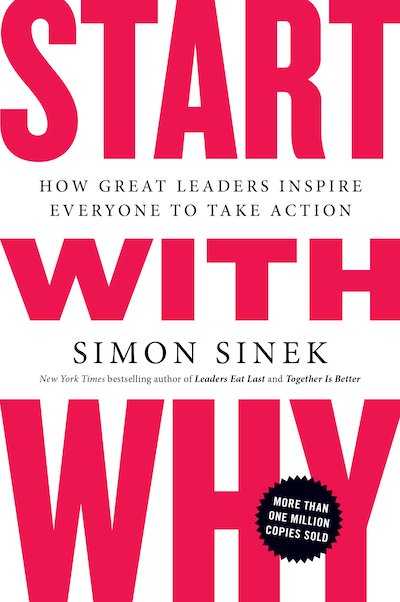
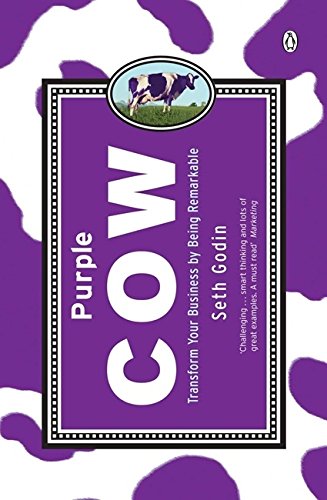
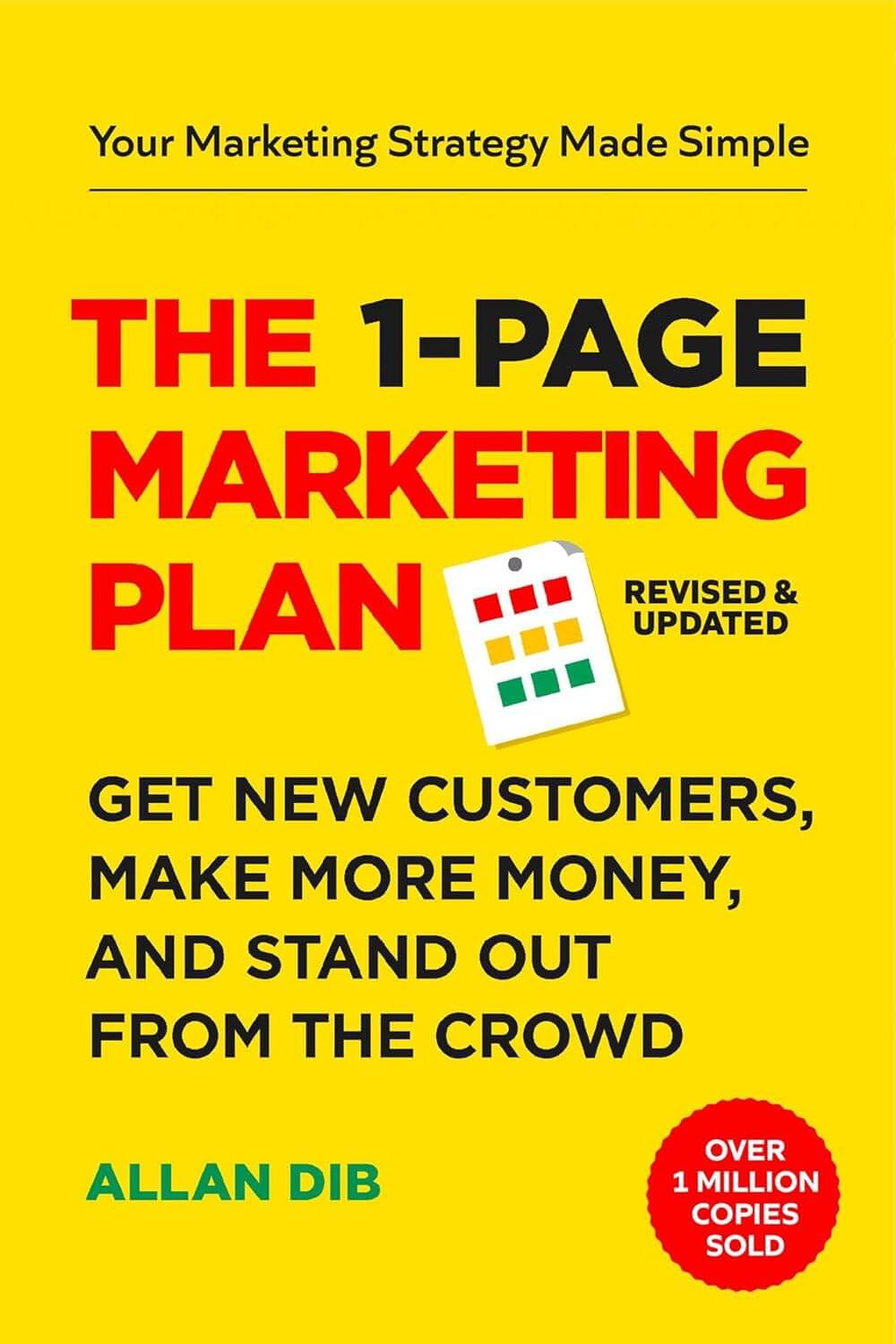

Want the complete 20-minute summary?
- Full structured summary
- Video Summary
- Podcast Summary
- Audio summary
- Key takeaways
- Exercises
- Quiz
- Highlights and notes
- Ask the book with AI
Featured Book Titles
Popular Book Summaries at sumizeit, leading book summary app